Last Updated on December 1, 2025 by Bilal Hasdemir
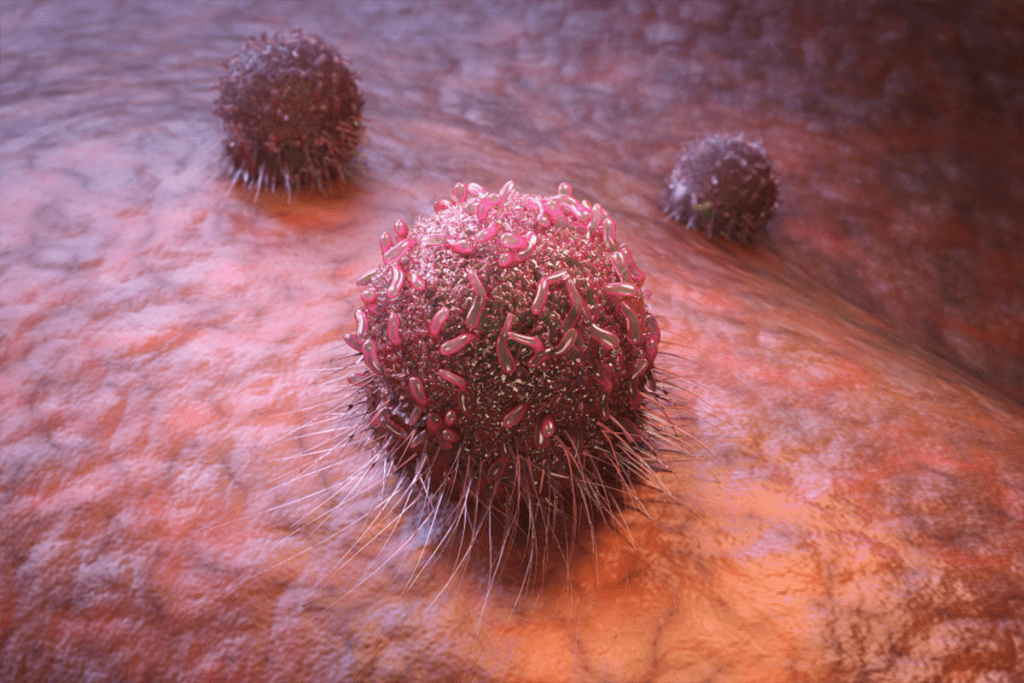
Positron Emission Tomography (PET) scans are key in nuclear medicine. They show how tissues and organs work. Yet, they’re not used as much as CT or MRI scans.PET scans provide critical information for diagnosing and managing diseases like cancer and neurological disorders. They’re not used more because of tracer uptake issues and tech limits.Knowing how tracer uptake works is key to understanding PET scans. This article will look into why PET scans are not used more often. We’ll dive into PET imaging and its diagnostic imaging limits.
Key Takeaways
- PET scans are a valuable diagnostic tool in nuclear medicine.
- The limited use of PET scans is due to several factors, including tracer uptake complexities.
- Understanding tracer uptake is essential for accurate PET scan interpretation.
- PET scans provide critical information for diagnosing and managing various conditions.
- The limitations of PET scans contribute to their limited use in diagnostic imaging.
The Science and Technology Behind PET Scans

Exploring PET scans means looking into the science of positron emission tomography. PET scan technology works by detecting positrons from radiotracers. When a positron meets an electron, it creates gamma rays that the PET scanner picks up.
Basic Principles of Positron Emission Tomography
PET scans use a radiotracer that goes to areas with high activity, like tumors. This helps show how the body’s cells are working, giving doctors important clues.
First, a radiotracer is given to the patient. This tracer has a radioactive part that decays and sends out positrons. These positrons then meet electrons, creating gamma rays.
Detection Equipment and Image Processing
PET scanners have special equipment to catch these gamma rays. They use scintillation detectors to turn the gamma rays into light. This light is then seen by photomultiplier tubes.
Then, image processing algorithms turn this data into clear images. These images show where the radiotracer is in the body. They help doctors diagnose and track many health issues.
The Critical Role of Tracer Uptake in PET Imaging
Understanding tracer uptake is key to reading PET images right and making smart clinical choices. Tracer uptake is when radiotracers build up in certain body parts. This lets us see different body functions and diseases.
How Radiotracers Target Specific Tissues
Radiotracers are made to find certain body parts or chemical actions. For example, FDG (fluorodeoxyglucose) goes to places with lots of glucose use, like some tumors. This helps PET scans spot unusual metabolic activity.
Creating radiotracers means knowing how the target tissue works. By making them interact with specific biological processes, they help us see and measure different health states.
Factors Affecting Uptake Efficiency
The way tracer uptake works can change based on several things. This includes the type of radiotracer, the body’s metabolic state, and health conditions. For instance, inflammation can make glucose use higher, which can make FDG uptake look different in cancer scans.
Other things that can change uptake include how the patient prepares and when the scan is done. Getting these right is key to getting the most from PET scans.
Knowing how tracer uptake works and what affects it helps doctors better understand PET scans. This leads to better treatment choices.
Clinical Applications and Diagnostic Value
PET scans are key in medical care, giving important info in many fields. They show how the body works, helping doctors diagnose and treat many conditions.
Oncology Applications
In cancer care, PET scans are vital. They help find tumors, see how big they are, and check if treatments are working. FDG-PET scans are great because they spot areas where cancer cells use a lot of sugar.
Neurological Disorders
PET scans are also very helpful in brain health. They help find and manage diseases like Alzheimer’s. They show how the brain works and spot signs of certain brain diseases.
Cardiac Assessment
In heart health, PET scans check if heart muscle is alive and see if arteries are blocked. They show how well the heart gets blood and uses energy, helping doctors choose the best treatments.
PET scans give detailed info about the body’s functions. This info is key for correct diagnosis and treatment plans in many areas of medicine.
PET Scan Duration and Workflow Challenges
PET scan time is affected by several things. These include how long it takes to prepare, how long the radiotracer takes to build up, and the actual scan time. A PET scan usually takes between 2 to 4 hours, including getting ready and the buildup phase.
Preparation Time Requirements
Getting ready for a PET scan involves a few steps. Patients might need to avoid certain foods and get an IV for the radiotracer. Good preparation is key for clear images.
Uptake Phase Duration
The buildup phase is when the radiotracer goes to the target tissue. This can take from 30 minutes to an hour. It depends on the radiotracer and the body area being scanned.
Actual Scanning Time
The actual scan time is much shorter, usually around 30 minutes. New scanner tech has made scans faster, helping more patients.
Challenges in PET scan workflow can be overcome. Here are some ways:
- Make patient prep faster to avoid delays
- Work efficiently during the buildup phase to cut waiting times
- Use the latest scanner tech to shorten scan times
By tackling these challenges, healthcare teams can make PET scans more efficient. This improves both patient experience and the accuracy of diagnoses.
Cost Barriers to Widespread PET Utilization
PET scans are valuable for diagnosis but are not used as much because they are expensive. The costs include the price of the equipment, running it, and what patients have to pay. These costs add up.
Equipment and Facility Investment
Getting a PET scanner is a big deal. It’s a complex device that costs a lot. The place where it goes also needs special setup, making the start-up costs even higher.
Key costs associated with PET scanner equipment include:
- Purchase or lease of the PET scanner
- Facility modifications for scanner installation
- Safety features and radiation shielding
Per-Scan Operational Costs
Running a PET scan costs a lot too. This includes the price of special dyes, keeping the scanner in good shape, and paying staff. Making these dyes is very expensive.
| Operational Cost Component | Description | Estimated Cost Range |
| Radiotracer Production | Involves cyclotron operation and tracer synthesis | $500-$1,000 per dose |
| Scanner Maintenance | Regular maintenance to ensure optimal performance | $50,000-$100,000 annually |
| Personnel Expenses | Trained technologists and nuclear medicine physicians | $100,000-$200,000 annually |
Patient Financial Burden
PET scans are expensive for patients, making them a big financial burden. How much patients pay can vary a lot.
Trying to make PET scans cheaper is important. This includes making the scanners work better and finding cheaper dyes.
Limited Availability and Geographic Access
Getting a PET scan depends on where you live. Urban areas have more PET centers than rural ones. This makes it harder for people in remote places to get the care they need.
Distribution of PET Centers in the United States
PET centers are not spread out evenly in the U.S. Most are in cities, where more people need them. This makes it tough for those in the countryside to get a PET scan.
- Urban areas have a higher density of PET centers.
- Rural areas often have limited or no access to PET scanning facilities.
- The disparity in access can affect timely diagnosis and treatment.
Rural vs. Urban Accessibility Disparities
There’s a big difference in how easy it is to get to PET centers in cities versus the countryside. People in rural areas might have to travel far to get a scan. This is hard for those who can’t travel well or don’t have much money.
There are plans to make PET scans more available, like using mobile units. This could help fix the problem of not enough access to PET scans, no matter where you live.
Radiation Exposure Considerations
PET scans are very useful for diagnosing diseases but they involve radiation. This raises health concerns. Doctors must think about the risks and benefits of PET scans carefully.
The amount of radiation from a PET scan depends on the tracer used and the scan protocol. Knowing what affects radiation exposure is key to reducing risks.
Quantifying Patient Radiation Dose
Measuring the patient’s radiation dose is important. It looks at how different tissues react to radiation. This dose is usually measured in millisieverts (mSv).
A PET scan with FDG (fluorodeoxyglucose) might give a dose of 7-10 mSv. This is more than the yearly background radiation of 3 mSv.
Comparison to Other Imaging Modalities
Comparing PET scans to other imaging methods helps understand radiation doses better. For example, a CT scan of the abdomen and pelvis can give a dose of 10-20 mSv. But a chest X-ray has a much lower dose, about 0.1 mSv.
| Imaging Modality | Typical Effective Dose (mSv) |
| PET Scan (FDG) | 7-10 |
| CT Abdomen/Pelvis | 10-20 |
| Chest X-ray | 0.1 |
Risk Mitigation Strategies
To lower the risks of PET scans, several steps can be taken. These include making scan protocols as low as possible, choosing other imaging methods when needed, and only doing PET scans when they are really necessary.
By following these steps, doctors can reduce radiation exposure. This way, they can keep using PET scans for their diagnostic value.
Regulatory and Reimbursement Obstacles
PET scans are not used as much as they could be because of regulatory and reimbursement issues. These problems affect both healthcare providers and patients. They make it hard for people to get this important diagnostic tool.
FDA Approval Process for Radiotracers
The FDA is key in making sure PET scan tracers are safe and work well. They test these tracers a lot to meet high standards. For example, the FDA looks at how the tracer moves in the body and how much radiation it uses.
This testing can take a long time. It might slow down when new tracers can be used in hospitals.
Key aspects of the FDA approval process include:
- Pre-IND (Investigational New Drug) meetings to discuss development plans
- IND applications to start human clinical trials
- Pre-NDA (New Drug Application) meetings to review data and discuss filing plans
- NDA submission and review
Medicare Coverage Determinations
Medicare’s rules on what PET scans are covered are very important. The Centers for Medicare & Medicaid Services (CMS) decides which scans are covered and why. For example, Medicare pays for PET scans to help diagnose and stage some cancers.
Factors influencing Medicare coverage decisions include:
- How well PET scans work for specific uses
- Guidelines from medical groups
- Comments from the public and other groups
Radiopharmaceutical Production and Logistics
Radiopharmaceutical production is key to PET scans’ success. It needs careful planning and execution. The process makes radiotracers to see specific biological processes.
Cyclotron Requirements and Limitations
A cyclotron is vital for making many PET scan radiotracers. It speeds up particles to create radioactive isotopes. These isotopes are then used to make radiotracers. But, cyclotrons are complex and costly. They need special care and operation.
Short Half-Life Management
Many radiotracers have short half-lives. This means they quickly turn into non-radioactive materials. They must be made close to scanning facilities to be usable. Good half-life management is key to keep the radiotracer effective.
Transportation and Timing Constraints
Getting radiotracers from production to scanning sites must be quick. The short half-life of many tracers makes timing critical. Good logistics planning is needed to ensure the tracer is ready when needed.
In summary, making and moving radiopharmaceuticals is a complex task. It requires careful planning and understanding of cyclotron use, half-life, and transport challenges. This is essential for PET scanning success.
Specialized Expertise Requirements
Interpreting PET scans needs a lot of specialized expertise in nuclear medicine. This skill is key to making sure PET scan results are accurate and top-notch.
Nuclear medicine doctors are vital in reading PET scans. They learn about the complex ways radiotracers work and how to interpret images.
Nuclear Medicine Physician Training
Doctors in nuclear medicine get a lot of education and training. They learn about nuclear medicine, how to stay safe from radiation, and how to use different radiotracers in medicine.
Technologist Certification
Technologists who work with PET scanners need specialized certification. This makes sure they know how to use PET scanners and handle radiotracers safely.
Interpretation Expertise
Understanding PET scans well requires a strong grasp of nuclear medicine and radiotracer specifics. Healthcare pros must know the difference between normal and abnormal tracer uptake. They also need to grasp the health implications of their findings.
It’s essential to make sure healthcare pros have the right expertise. This is vital for keeping PET scan diagnostics quality and reliable.
Patient-Specific Limitations
Patient-specific limitations are key in figuring out if PET scans can be done well. Some health issues or medicines can make PET scans not work right or not be accurate.
Medical Contraindications
Some health problems can stop PET scans from being used. For example, diabetes can change how the scan works, making results not true. Some medicines can also mess with the scan’s results.
Preparation Compliance Issues
It’s very important for patients to follow the prep steps for PET scans. They usually need to not eat for a while before the scan. If they don’t follow these steps, the scan might not be as good.
Sedation Requirements for Certain Populations
Sometimes, patients need sedation to help them during the PET scan. This is true for those who are scared of tight spaces or can’t stay calm during the scan. This is more common in kids or people with certain brain problems.
Need for sedation makes the scan process more complicated. It needs more prep and watching to keep the patient safe.
Emerging Technologies and Future Directions
New technologies are changing PET scanning, making it more accurate. These advancements are not just improving PET scans. They are also opening up new uses in medicine.
PET/CT and PET/MRI Hybrid Systems
Hybrid systems like PET/CT and PET/MRI are big steps forward in imaging. PET/CT combines PET’s metabolic info with CT’s body details, giving a full view of health. PET/MRI, with its better soft tissue view, is great for brain and cancer studies.
PET and MRI together mean getting both metabolic and body details at once. This could mean fewer scans and more accurate diagnoses.
Novel Radiotracer Development
The future of PET scans relies on new radiotracers that focus on specific body processes. Scientists are working hard to make tracers that can spot diseases better.
New tracers could let PET scans see more diseases early. This could lead to quicker and better treatments.
Artificial Intelligence in Scan Interpretation
Artificial intelligence (AI) in PET scan reading is a new trend. AI can spot patterns in PET data that humans might miss.
AI could make reading PET scans faster and more accurate. This could help doctors make quicker, better decisions for patients.
Conclusion: The Future of PET Scanning in Clinical Practice
Technology keeps getting better, and new radiotracers are being made. This means PET scans will play a bigger role in healthcare. They will help doctors diagnose and treat many diseases better.
New technologies like PET/CT and PET/MRI systems are on the horizon. They will make images clearer and help doctors make more accurate diagnoses. Also, new radiotracers will help PET scans be used in even more ways.
But, there are challenges to overcome. Things like high costs, limited access, and worries about radiation. By tackling these issues, PET scans can help more patients and lead to better health outcomes.
FAQ
What is a PET scan and how does it work?
A PET (Positron Emission Tomography) scan is a test that shows how tissues and organs work. It uses a special kind of tracer to do this. The tracer sends out positrons that are caught by the scanner, showing what’s happening inside the body.
What is tracer uptake, and why is it important in PET imaging?
Tracer uptake is when tissues or organs take in the radiotracers. It’s key in PET scans because it helps doctors see what’s going on. How well the tracer is taken in can change based on the type of tracer and the health of the tissue.
How long does a PET scan appointment typically last?
A PET scan appointment can take a few hours. This includes getting ready, waiting for the tracer to work, and the scan itself. The waiting time can be 30 minutes to an hour, and the scan is usually 30 minutes.
What are the costs associated with PET scans, and why are they a barrier to widespread adoption?
PET scans are expensive because of the equipment and making the tracers. These costs are often paid by patients. This makes PET scans hard for many people to get.
Are PET scans available everywhere, or are there accessibility issues?
PET scans are not available everywhere. Cities usually have more PET centers than rural areas. This makes it hard for people in remote places to get PET scans.
What are the radiation exposure considerations for PET scans?
PET scans use radioactive tracers, which means patients get some radiation. The amount of radiation depends on the tracer and the scan. But, the radiation is usually safe for getting a diagnosis.
How are radiotracers produced, and what are the logistical challenges?
Making radiotracers is complex and needs careful planning. Cyclotrons are used to make them, but they have short lifetimes. This means everything has to be timed just right for the scan.
What kind of expertise is required to interpret PET scans?
Reading PET scans needs a lot of knowledge in nuclear medicine. Doctors get special training to understand how the tracers work and how to read the images.
Are there any patient-specific limitations or contraindications for PET scans?
Some health conditions, like diabetes, can affect how well the tracer works. Certain medicines might also mess with the scan. It’s important for patients to follow the prep instructions well.
What are the emerging technologies and future directions in PET scanning?
New technologies like PET/CT and PET/MRI are coming. There’s also work on new tracers and using AI to help read scans. These changes will make PET scans even better for doctors.
References
- Hoh, C. K., & Badawi, R. D. (2012). How does the patient benefit from clinical PET? Theranostics, 2(5), 427-429. https://www.thno.org/v02p0427.htm
- Kapoor, M. (2025, February 25). PET scanning. In StatPearls. https://www.ncbi.nlm.nih.gov/books/NBK559089/
- Farwell, M. D., & Brugger, M. (2014). PET/CT imaging in cancer: current applications and future directions. Cancer, 120(1), 34-42. https://acsjournals.onlinelibrary.wiley.com/doi/full/10.1002/cncr.28860
- RadiologyInfo.org. (2025, March 23). PET/CT – Positron Emission Tomography/Computed Tomography. Radiological Society of North America and American College of Radiology. https://www.radiologyinfo.org/en/info/pet