Last Updated on November 25, 2025 by
Millions with benign prostatic hyperplasia (BPH) have long relied on traditional surgical treatments. But now, we’re seeing a move towards minimally invasive treatments. These new options aim for fewer side effects and faster healing.
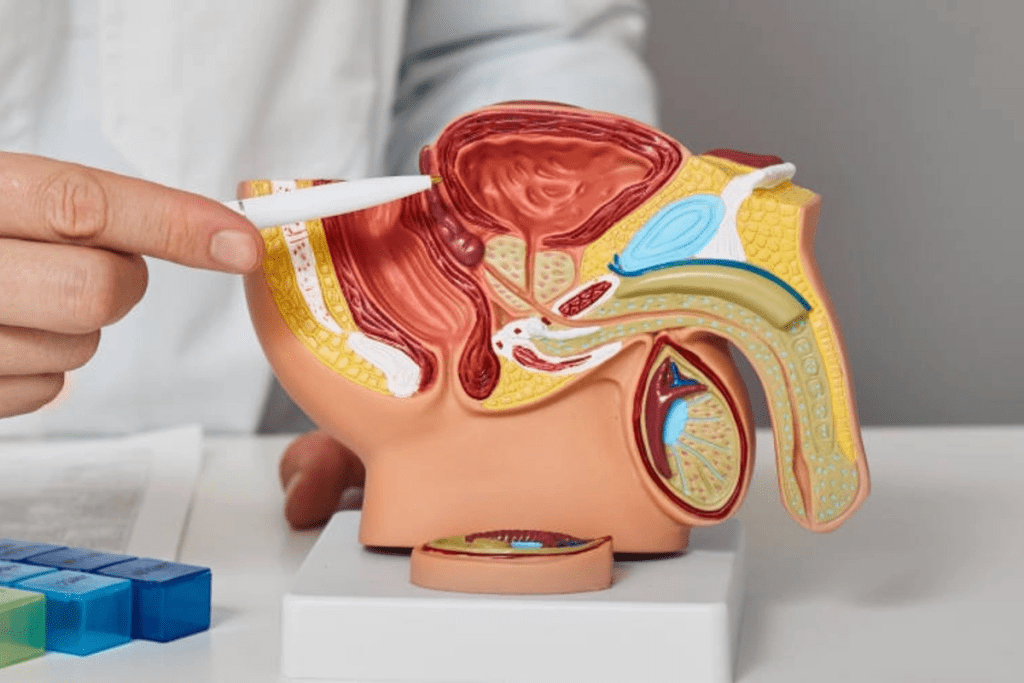
Transurethral resection of the prostate (TURP) was once the top choice for BPH. But now, Holmium Laser Enucleation of the Prostate (HoLEP) and UroLift are becoming more popular. Transurethral resection of the prostate. They’re known for their efficacy and safety profiles. This change is leading us towards more personalized and less invasive prostate care.
Key Takeaways
- Alternatives to TURP surgery are on the rise due to their minimally invasive nature.
- HoLEP and UroLift are emerging as popular BPH treatment options.
- These new treatments offer fewer complications and quicker recovery.
- The shift towards personalized prostate care is underway.
- Patients now have more prostate surgery options than ever before.
Understanding Benign Prostatic Hyperplasia (BPH) and Its Impact
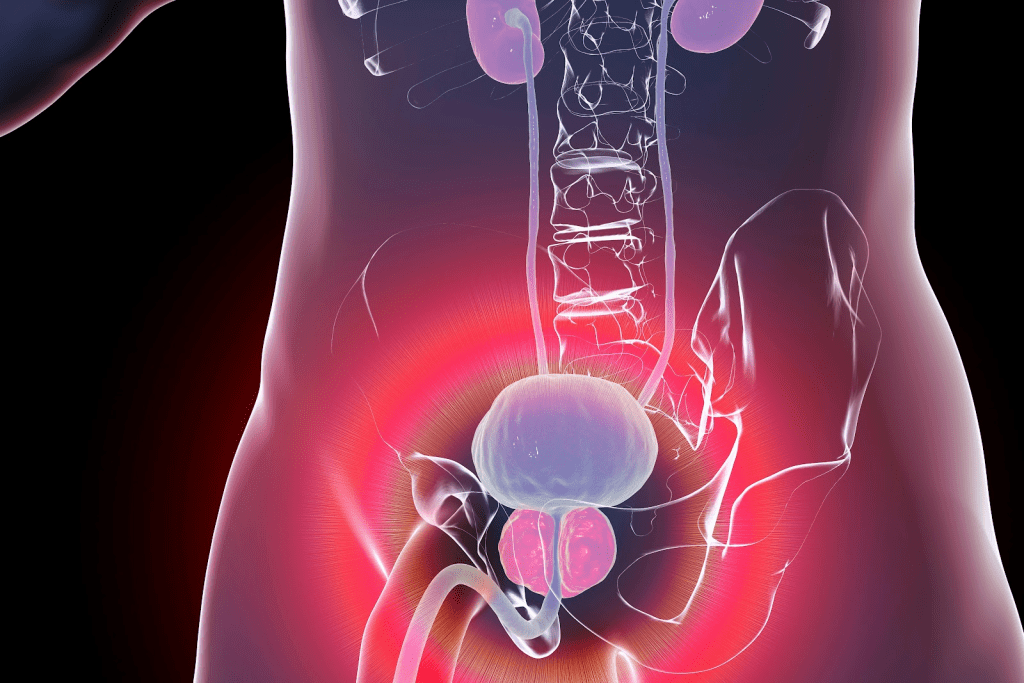
Benign Prostatic Hyperplasia (BPH), also known as an enlarged prostate, affects men’s quality of life. As men get older, their prostate gland grows. This can press on the urethra, making it hard to urinate.
We will look at the common symptoms of BPH and how they affect daily life. Symptoms include trouble urinating, needing to go often, and needing to urinate at night.Transurethral resection of the prostate These issues can make everyday activities hard, disrupt sleep, and affect overall health.
Common Symptoms and Quality of Life Effects
The symptoms of BPH can vary and affect quality of life. Frequent urination at night can cause sleep loss. This can make it hard to function during the day and increase health risks. Weak or interrupted urine flow can also cause discomfort and anxiety, making things worse. Transurethral resection of the prostate is a common surgical procedure used to treat enlarged prostate symptoms, improving urine flow, bladder health, and overall quality of life for patients
The impact of BPH symptoms on quality of life is significant. Men may feel embarrassed or anxious about needing to urinate often. This can lead to less social and physical activity.
When Surgical Intervention Becomes Necessary
Surgery for BPH is considered when symptoms are severe and affect daily life. We look at the need for surgery based on symptom severity, complications.Transurethral resection of the prostate
When other treatments don’t work, surgical options become a good choice. It’s important to know about the available surgeries, their benefits, and risks. This helps make informed decisions about treatment.
Transurethral Resection of the Prostate (TURP): The Traditional Gold Standard
TURP has long been the top choice for treating Benign Prostatic Hyperplasia (BPH). It removes prostate tissue through the urethra. This method has helped many men with enlarged prostate symptoms.
Mechanism of TURP
A surgeon does TURP under anesthesia. They use a resectoscope to cut away prostate tissue. This makes the urethra wider, improving urine flow.
The National Center for Biotechnology Information says TURP is a proven BPH treatment. It’s effective but comes with risks, like affecting sexual function. Some men might experience semen going into the bladder instead of out.
Benefits and Limitations
TURP improves urine flow and reduces BPH symptoms. But, it can affect sexual function and requires hospital stay. Each patient is different, so what works for one might not work for another.
Advancements in medical technology have led to new, less invasive treatments. Yet, TURP is a good option for many, like those with large prostates or severe symptoms.
Holmium Laser Enucleation of the Prostate (HoLEP)
HoLEP is a big step forward in treating BPH. It’s a minimally invasive method that’s becoming more popular. This is because it works well and has fewer risks.
The Procedure Explained
HoLEP uses a Holmium Laser to cut out prostate tissue. This method lets doctors remove the tissue precisely. The tissue is then broken down and taken out through the urethra.Transurethral resection of the prostate The whole thing is done under general or spinal anesthesia, so the patient stays comfortable.
HoLEP is great for treating big prostates. The Holmium Laser’s precision also means less bleeding. This is a big plus compared to older surgeries like TURP.
Advantages Over Traditional TURP
HoLEP has some big advantages over TURP. It causes less bleeding and has shorter recovery times. Because it’s less invasive, there are fewer complications. Plus, it’s good for patients with big prostates, who might not do well with TURP.
- Reduced risk of bleeding due to the precision of the Holmium Laser
- Shorter hospital stay and recovery time
- Effective for larger prostates
- Minimally invasive with fewer complications
HoLEP is a big leap forward in treating BPH. It offers a safe, effective, and less invasive option compared to older surgeries. As we learn more about BPH, procedures like HoLEP are raising the bar for patient care.
Transurethral resection of the Prostatic Urethral Lift (UroLift)
Men looking for non-traditional prostate surgery options might find UroLift appealing. This minimally invasive method aims to ease BPH symptoms by adjusting the prostate tissue. It helps improve urine flow by lifting the tissue away from the urethra.
The UroLift Procedure
The UroLift method uses a small implant placed through a cystoscope. It lifts the enlarged prostate tissue from the urethra. This implant keeps the prostate in place, making the urethra wider and reducing blockage.
Key benefits of UroLift include:
- Minimally invasive with no cutting or removal of prostate tissue
- Preservation of sexual function
- Rapid recovery, often allowing patients to return to normal activities within a few days
- Performed under local anesthesia or light sedation
Ideal Candidates for UroLift
UroLift is best for those with smaller prostate sizes and who want to keep their sexual function.Transurethral resection of the prostate. It’s ideal for patients who haven’t seen results from medication or want to avoid more invasive surgeries like TURP. It’s also good for those seeking a treatment with fewer side effects and quicker recovery.
When looking at prostate surgery options, UroLift is a notable choice for BPH sufferers. Its unique approach and benefits make it a compelling option among BPH treatment options.
Transurethral Incision of the Prostate (TUIP)
Transurethral Incision of the Prostate (TUIP) is a minimally invasive surgery for men with small prostates and BPH. It makes small cuts in the prostate to help urine flow better.
The TUIP Procedure and Mechanism
The TUIP procedure is done under anesthesia. A special tool called a resectoscope is used through the urethra. This tool makes precise cuts in the prostate to widen the urethral channel.
TUIP is less invasive than other surgeries like TURP. It causes less tissue damage and has fewer complications. It’s also good for men with smaller prostates because it’s less likely to cause bleeding or need a long hospital stay.
Best Candidates and Expected Outcomes
TUIP is for men with BPH and smaller prostates. According to the Clinic, it can help reduce BPH symptoms. Patients can expect better urine flow and fewer BPH symptoms, improving their quality of life.
To understand TUIP’s benefits, let’s look at some data:
| Procedure | Prostate Size Suitability | Hospital Stay | Recovery Time |
| TUIP | Smaller prostates | Often outpatient | Typically shorter |
| TURP | Larger prostates | May require longer stay | Can be longer |
The table shows TUIP’s benefits, mainly for men with smaller prostates. It’s important for patients to talk to their doctor to find the best treatment for them.
Other Minimally Invasive Alternatives
The world of BPH treatment has grown to include new, advanced options. These choices give men with BPH more ways to treat their condition. They can help reduce recovery time and lessen side effects compared to traditional surgery.
Rezş«m Water Vapor Therapy
Rezş«m Water Vapor Therapy is a new method that uses energy to kill prostate tissue. It works by injecting water vapor into the prostate, shrinking it.Transurethral resection of the prostate The whole process takes less than 10 minutes per session, done under local anesthesia.
Benefits: Rezş«m is quick, doesn’t hurt much, and keeps sexual function intact. It also lets you get back to normal life fast.
Prostate Artery Embolization (PAE)
PAE is a new, less invasive way to treat BPH. It blocks blood flow to the enlarged prostate. This makes the prostate smaller, easing BPH symptoms.
Advantages: PAE is great for those who can’t have surgery or have big prostates. It also helps keep erectile function.
Aquablation Therapy
Aquablation Therapy uses ultrasound and a waterjet to remove prostate tissue. It’s precise and efficient, tailored to each patient’s needs.
Key Features: Aquablation is precise, has low risk of problems, and can greatly improve symptoms.
GreenLight Laser Therapy
GreenLight Laser Therapy uses a laser to remove excess prostate tissue. The laser targets the blood, being precise and causing little damage.
Benefits: GreenLight Laser Therapy causes less bleeding, shorter hospital stays, and quicker recovery than traditional TURP.
| Treatment | Procedure Time | Recovery Time | Preservation of Sexual Function |
| Rezş«m Water Vapor Therapy | Under 10 minutes | Rapid return to normal activities | Yes |
| Prostate Artery Embolization (PAE) | Variable | Generally short | Yes |
| Aquablation Therapy | Variable, typically under an hour | Short to moderate | Yes |
| GreenLight Laser Therapy | Typically under an hour | Short | Generally preserved |
These new treatments offer hope for men with BPH. They provide effective relief with fewer side effects than old surgery methods.
Conclusion: The Future of BPH Treatment Beyond TURP
The future of treating BPH looks promising, moving away from traditional surgeries. We’ve seen new options like Holmium Laser Enucleation of the Prostate (HoLEP) and Prostatic Urethral Lift (UroLift). These methods aim for less side effects and faster recovery.
These changes in treatment reflect a bigger shift in urology.Transurethral resection of the prostate It’s now all about making patients more comfortable and reducing risks. Knowing about these options helps both patients and doctors make better choices.
With ongoing advancements in medical tech, BPH treatment will only get better. We’re on the path to more effective and kinder treatments. The future of BPH care is looking very bright, focusing on less invasive methods that improve lives.
FAQ
What are the alternatives to TURP surgery for treating Benign Prostatic Hyperplasia (BPH)?
Alternatives to TURP include Holmium Laser Enucleation of the Prostate (HoLEP), Prostatic Urethral Lift (UroLift), Transurethral Incision of the Prostate (TUIP), Rezş«m Water Vapor Therapy, Prostate Artery Embolization (PAE), Aquablation Therapy, and GreenLight Laser Therapy.
What is the difference between TURP and HoLEP?
TURP removes prostate tissue through the urethra with an electrified wire loop. HoLEP uses a laser to remove the prostate tissue. This often means less bleeding and a quicker recovery.
Is UroLift a suitable option for all BPH patients?
UroLift is best for patients with smaller prostate glands. It’s also good for those who want to keep their sexual function. It’s a minimally invasive procedure that lifts the prostate tissue away from the urethra.
What is the benefit of TUIP over TURP?
TUIP makes small incisions in the prostate to relieve obstruction. This can cause less trauma to the prostate and surrounding tissues than TURP. It may also reduce the risk of complications.
How does Rezş«m Water Vapor Therapy work?
Rezş«m uses water vapor to ablate (destroy) excess prostate tissue. This reduces the size of the prostate and relieves BPH symptoms. It’s a minimally invasive procedure that can be done in a clinic setting.
What is Transurethral resection of the Prostate Artery Embolization (PAE), and how does it treat BPH?
PAE is a minimally invasive procedure that blocks the blood flow to the prostate gland. This reduces its size and alleviates BPH symptoms. It’s typically performed by an interventional radiologist.
How does Aquablation Therapy compare to other BPH treatments?
Aquablation Therapy uses a robotic system to remove prostate tissue with high-velocity saline jets. It offers a precise and minimally invasive treatment option. It can be effective for larger prostates and has a low risk of complications.
What are the advantages of GreenLight Laser Therapy for BPH treatment?
GreenLight Laser Therapy is a minimally invasive procedure that uses a high-powered laser to vaporize excess prostate tissue. It offers benefits like reduced bleeding, less post-operative pain, and quicker recovery compared to traditional TURP.
How do I choose the best treatment for my BPH?
Choosing the best treatment for BPH depends on several factors. These include the size of your prostate, the severity of your symptoms, your overall health, and your personal preferences. Consulting with a urologist can help determine the most suitable treatment option for your individual needs.
References
- American Urological Association. (2020). Benign Prostatic Hyperplasia: AUA Guideline. Retrieved from https://www.auanet.org/guidelines-and-quality/guidelines/benign-prostatic-hyperplasia-%28bph%29-guideline