Last Updated on October 21, 2025 by mcelik
Dealing with sleep issues in kids means understanding how sleep is key to their health. Sleep disorders can stem from medical, behavioral, or environmental causes. In some cases, doctors may consider meds for insomnia when behavioral methods don’t work. Kids who don’t sleep well can feel tired and cranky.

At LivHospital, we focus on a team effort to help kids with sleep problems. We start with non-medical solutions like teaching good sleep habits and cognitive behavioral therapy for insomnia (CBT-I). For more details on treating sleep issues in kids.
Key Takeaways
- Establish a calming routine 1 hour before bed to improve sleep quality.
- Avoid high-energy activities and limit screen time before bed.
- Maintain a consistent sleep schedule to regulate children’s sleep.
- Create a sleep-conducive environment (quiet, dark, cool).
- Consider melatonin dosage for kids as a last resort under strict guidelines.
Understanding Childhood Sleep Disorders
It’s important to understand childhood sleep disorders to help kids sleep better. These issues affect many kids, making it a big concern.
Studies show that 28.9% to 47.6% of kids have sleep disorders. This is a big number. Sleep problems also affect 15% to 19% of teens without disabilities. But kids with learning disabilities face even higher rates, up to 44%.
Prevalence and Statistics of Pediatric Sleep Issues
Knowing about pediatric sleep issues is key. These problems affect kids of all ages and backgrounds. It’s important to grasp the full extent of the issue.
Sleep disorders can harm a child’s health, brain, and mood. Kids with disabilities are at higher risk. This shows we need special ways to help them.
Common Sleep Problems by Age Group
Young kids might have trouble sleeping because of habits or waking up at night. Older kids might resist bedtime or have scary dreams.
It’s important to know how sleep issues change with age. For little kids, a regular bedtime routine helps. Older kids might need more complex solutions, like therapy.
Impact on Child Development and Family Functioning
Sleep problems can really affect a child’s growth and family life. Poor sleep can hurt a child’s brain, mood, and behavior.
Also, sleep issues can put a lot of stress on families. Parents might feel tired and worried. So, fixing a child’s sleep is not just for them. It’s for the whole family’s happiness.
Establishing Healthy Sleep Hygiene Practices
Good sleep hygiene is key to treating sleep issues in kids. Parents can make a big difference. By setting up regular routines and a sleep-friendly space, they can boost their child’s sleep quality.
Creating a Consistent Bedtime Routine
A bedtime routine tells kids it’s time to sleep. It can include reading, stories, or relaxation exercises. Consistency is key; stick to it every night, even on weekends or holidays.
Optimizing the Sleep Environment
The bedroom’s setup is important for good sleep. Make sure it’s dark, quiet, and comfy. Remove distractions like TVs and phones from the room. Use blackout curtains, a white noise machine, or a fan for the best sleep environment.
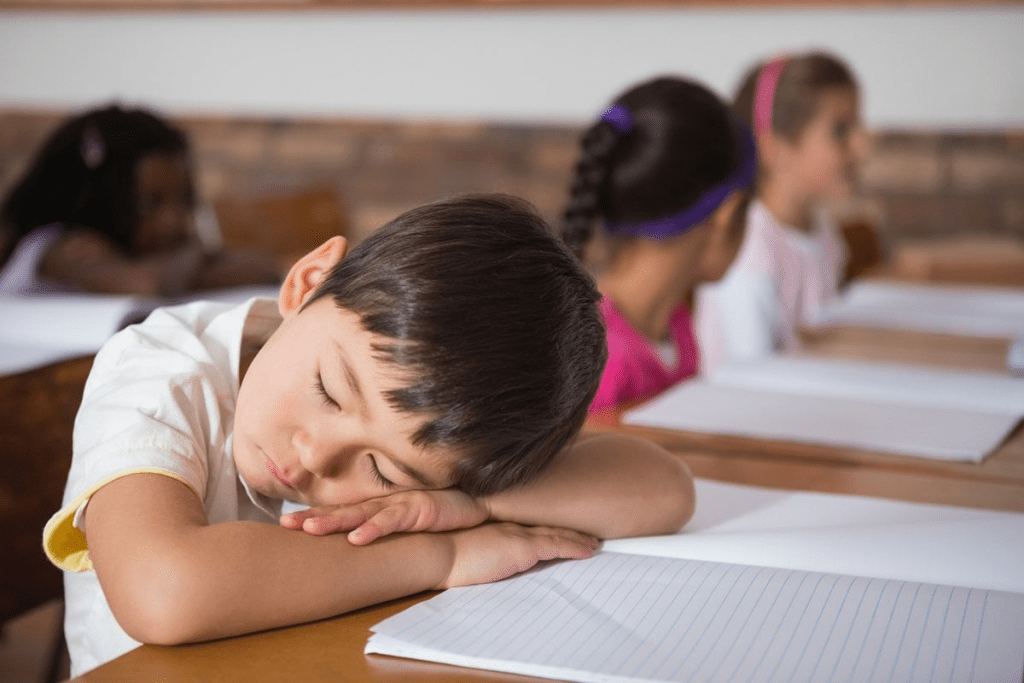
Screen Time Management and Relaxation Techniques
Controlling screen time is essential for sleep. The blue light from screens can mess with sleep hormones. Teach kids relaxation methods like deep breathing or meditation to calm down before bed. Cut down on screen time an hour before bed to sleep better.
By following these steps”setting a bedtime routine, improving the sleep space, and managing screen time with relaxation techniques”parents can help their kids sleep better. This is a big win for their health.
Behavioral Interventions for Children’s Sleep Issues
Behavioral interventions are key in treating sleep disorders in kids. They help create good sleep habits and improve sleep quality. We’ll look at several methods that work well for kids’ sleep problems.
Cognitive Behavioral Therapy for Insomnia (CBT-I)
Cognitive Behavioral Therapy for Insomnia (CBT-I) is the top choice for treating insomnia in kids. It changes bad sleep habits that cause insomnia. CBT-I is a non-pharmacological approach that works well in the short and long term.
CBT-I includes:
- Sleep hygiene education
- Stimulus control
- Sleep restriction
- Cognitive therapy
- Relaxation techniques
Bedtime Fading and Scheduled Awakenings
Bedtime fading adjusts the child’s bedtime to their natural sleep cycle. It reduces time awake in bed and improves sleep onset.
Scheduled awakenings wake the child before they usually wake up. It helps manage night wakings and improves sleep flow.
Graduated Extinction and Positive Reinforcement
Graduated extinction reduces nighttime checks, helping kids learn to fall asleep alone. It’s great for breaking sleep associations.
Positive reinforcement rewards good sleep behaviors like staying in bed. It uses praise, stickers, or other incentives to encourage good sleep habits.
Using these behavioral interventions, parents can help kids develop healthy sleep habits. It’s important to customize these methods for each child and stick to them.
Effective Meds for Insomnia in Children
Behavioral treatments are the first choice for kids with insomnia. But sometimes, medication is needed. It’s a big decision for parents, weighing the good against the bad.
When Medication May Be Necessary
Doctors might suggest medication if other treatments don’t work. They look at the child’s health, how bad the insomnia is, and how it affects their day-to-day life.
There are no FDA-approved sleep meds for kids. But doctors might prescribe something off-label.
Types of Sleep Medications for Children
Some meds used include:
- Melatonin: Helps kids with sleep problems, like those with circadian rhythm disorders.
- Clonidine: Used for ADHD, it also helps with sleep because it’s calming.
- Other sleep medications: Depending on the child’s needs, other meds might be used, always with a doctor’s guidance.
Safety Considerations and Possible Side Effects
Talking about side effects and safety with a doctor is key when thinking about medication for kids. We don’t know a lot about long-term effects, so watching closely is important.
Parents should work with their child’s doctor to keep an eye on how well and safely the meds are working. They might need to change the treatment plan.
By knowing the options and working with doctors, we can find good treatments for kids with insomnia. This helps them sleep better and live better lives.
Melatonin as a Children’s Sleep Aid
Melatonin is becoming a popular choice for helping kids sleep. But it’s important to use it carefully. We need to know the right dose, how to give it, and if it’s safe and works well.
Dosage Guidelines by Age
Finding the right dose of melatonin for kids is key. It depends on their age, weight, and sleep problems. Here’s what research suggests:
- For younger children (ages 2-5), start with 0.5 to 1 mg.
- Older kids (ages 6-12) might need 1 to 3 mg.
- Teenagers might take doses similar to adults, 2 to 5 mg.
Always talk to a doctor before giving melatonin to kids. They can give advice based on the child’s health and needs.
Timing and Administration
When you give melatonin is just as important as how much. It should be given 30 to 60 minutes before bedtime. This helps the body know it’s time to sleep. Being consistent with melatonin can help kids sleep better.
“Melatonin is most effective when used as part of a complete sleep plan that includes good sleep habits.”
Research on Effectiveness and Long-term Safety
Studies show melatonin can help kids fall asleep faster. But we’re not sure about its long-term effects. Some research says it’s safe for short-term use. Yet, there are worries about its impact on hormones and the risk of becoming dependent.
As we learn more about melatonin for kids, it’s clear that it can help. But it should be used carefully and with a doctor’s advice. More research is needed to understand its long-term effects.
Prescription Options for Pediatric Insomnia
In some cases, kids with insomnia might need prescription meds. First, doctors try non-medical ways, like changing sleep habits. But sometimes, kids need more help to sleep well.
Doctors look at the good and bad of meds for kids. They think about the child’s health, how bad the insomnia is, and if they have other health issues.
Clonidine Sleep Benefits and Considerations
Clonidine is sometimes used for kids with insomnia, even if it’s not officially approved for it. It can really help kids with ADHD sleep better. But it’s important to watch for side effects.
Clonidine helps kids relax and feel less anxious. This is great for kids with ADHD who often have trouble sleeping.
Other Prescription Drugs for Insomnia in Children
There are other meds for kids with insomnia, depending on what’s causing it and what the child needs. Choosing the right medicine is very personal. Sleep disorders in kids are complex.
- Medicines for ADHD or anxiety can help kids sleep better.
- Sleep experts might use medications for other conditions to help with sleep.
Medicine for Sleep for Infants and Special Considerations
Using sleep meds for babies requires careful use. The dangers of sleep meds for babies are big. Doctors usually try other ways first.
For babies with serious sleep issues, doctors work on a safe sleep space. They also try to fix any problems that might be causing the sleep issues.
Deciding on sleep meds for babies and kids should always be done with a doctor. They look at the risks and benefits for the child’s health.
When to Seek Professional Help
Knowing when a child needs professional help for sleep issues is key. Kids with sleep disorders, like those with chronic health problems, often need more medical care. They might even end up in the hospital.
Warning Signs That Require Medical Attention
Parents should watch for certain signs that mean it’s time to see a doctor. These include:
- Persistent difficulty falling or staying asleep
- Frequent nighttime awakenings or nightmares
- Snoring or breathing difficulties during sleep
- Excessive daytime sleepiness or fatigue
- Behavioral problems or attention deficits
If your child shows these signs often, it’s important to talk to a healthcare professional.
Multidisciplinary Approach to Sleep Treatment
A multidisciplinary approach is often the best way to help kids with sleep problems. This means a team of doctors, including pediatricians, psychologists, and sleep specialists, work together. They aim to find and treat the root causes of sleep issues.
Every child’s sleep problem is different. A team of experts can offer a customized plan. They focus on treating the symptoms and the underlying reasons for the sleep disorder.
What to Expect During a Pediatric Sleep Evaluation
At a pediatric sleep evaluation, expect a detailed look at your child’s sleep and health. This might include:
- A detailed medical history and physical examination
- Sleep diaries or actigraphy to track sleep patterns
- Overnight sleep studies (polysomnography) if necessary
- Assessments of behavioral and psychological factors
Knowing what to expect can help you feel more at ease. It prepares you to support your child during the evaluation.
By getting professional help when needed, your child can get the right care. This helps them overcome their sleep disorders.
Conclusion: Creating a Comprehensive Sleep Treatment Plan
Treating sleep disorders in kids needs a mix of methods. This includes non-drug treatments, behavior therapies, and sometimes medicine. A detailed sleep treatment plan is key to helping kids with sleep issues.
A good plan means knowing all the treatment options. This includes drugs for insomnia and other therapies. Working with doctors, parents can teach kids healthy sleep habits. This boosts their overall health.
When making a sleep plan, think about the child’s sleep problem, age, and needs. A plan that fits the child’s life works best. This way, doctors can make the treatment just right for each child.
With a solid sleep plan, families can beat sleep disorders and live better. It’s smart to talk to doctors to find the best treatment for your child’s sleep issue.
FAQ
What is the first step in treating sleeping problems in children?
The first step is to establish healthy sleep hygiene practices. This includes creating a consistent bedtime routine. It also means optimizing the sleep environment and managing screen time.
What are some common sleep problems in children?
Common sleep problems in children include insomnia and sleep associations. Bedtime resistance and night wakings are also common. These issues vary by age.
How can behavioral interventions help with children’s sleep issues?
Behavioral interventions, like CBT-I, can help children sleep better. Bedtime fading and positive reinforcement also work. They help develop healthy sleep habits.
When is medication necessary for treating insomnia in children?
Medication might be needed if other methods don’t work. It’s for severe sleep disorders or when there are other health issues.
What is the appropriate melatonin dosage for children?
The right melatonin dosage for children depends on their age. Always talk to a healthcare professional to find the correct dosage and how to use it.
Can clonidine be used to treat insomnia in children?
Clonidine might be used for insomnia in children, like those with ADHD. But, it’s important to discuss the risks and benefits with a healthcare professional.
What are the warning signs that require medical attention for children’s sleep disorders?
Warning signs include persistent sleep problems and breathing issues during sleep. Excessive daytime sleepiness is also a concern.
What can I expect during a pediatric sleep evaluation?
A pediatric sleep evaluation includes a detailed sleep history and medical check-up. It might also involve sleep studies to diagnose and treat sleep disorders.
Are there any special considerations for using sleep medication in infants?
Yes, using sleep medication in infants needs extra caution. It should only be done under a healthcare professional’s guidance. Their developing brains and bodies are more at risk.
How can a multidisciplinary approach help with sleep treatment?
A multidisciplinary approach involves healthcare professionals from different fields. It provides a complete care plan for children with sleep disorders. This leads to better treatment outcomes.
References
- Moturi, S. (2010). Assessment and treatment of common pediatric sleep breathing disorders. Current Opinion in Pediatrics, 22(6), 709-715.