Last Updated on December 1, 2025 by Bilal Hasdemir
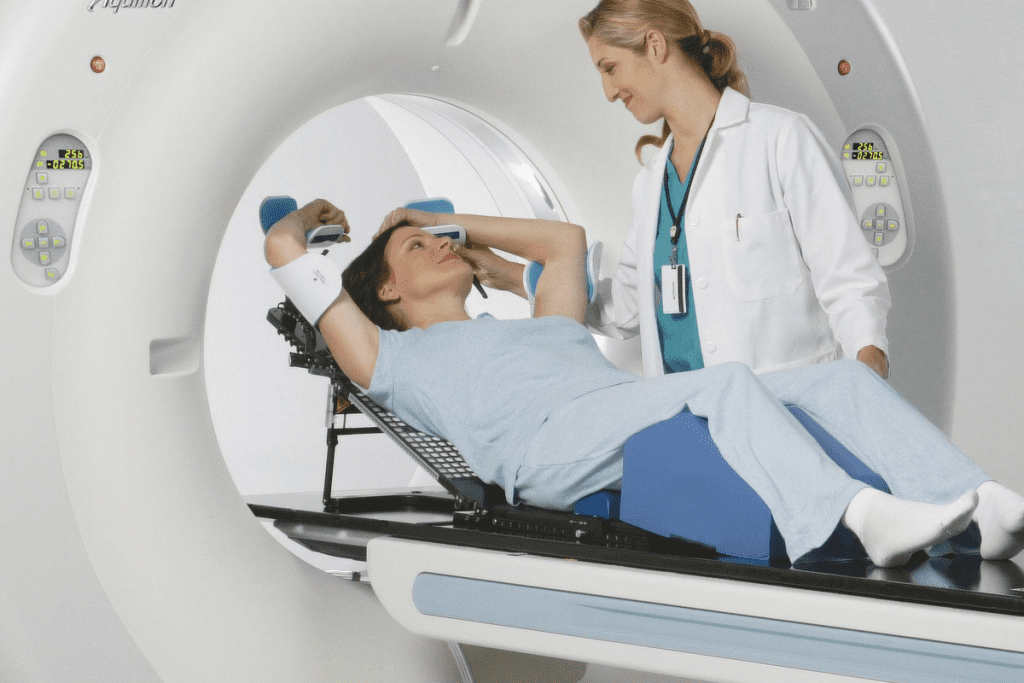
Over 2 million PET scans are done every year in the U.S. to aid in tumor detection. These scans help find tumors and evaluate lung nodules by showing where diseases are active in the body. During a PET scan, a patient lies on a table that moves into a large tunnel-shaped scanner, which detects signals from a special tracer injected into the body. The scanner produces detailed 3-D images that allow doctors to see abnormal areas, such as cancerous tumors. Additionally, the scans help measure lung nodules against a tumor size chart in millimeters to assess their size accurately. This advanced imaging plays a crucial role in effective tumor detection and cancer diagnosis.
Key Takeaways
- PET scans are used for diagnosing various medical conditions.
- The procedure involves a narrow table sliding into a tunnel-shaped scanner.
- A tracer is used to highlight areas of abnormal activity.
- 3-D images are created to aid in diagnosis.
- PET scans help in assessing the size of lung nodules.
What is a PET Scan and How Does it Work?
A PET scan is a way to see what’s happening inside the body. It helps doctors find and treat different health problems. It uses a radiotracer, a special kind of radioactive substance, to show where cells are active.
The Science Behind PET Imaging
PET imaging works by spotting changes in cells. When the radiotracer is injected, it goes to areas with lots of activity, like cancer cells. The PET scanner then picks up the radiation from the tracer, making detailed pictures of the body’s inner workings.
Difference Between PET and Other Imaging Tests
PET scans are different from CT scans and MRI because they show how the body works, not just its structure. CT and MRI scans are great for seeing the shape of organs and finding tumors. But PET scans can tell how well organs are working and find abnormal cell activity.
This makes PET scans very useful in treating cancer, brain diseases, and heart problems. Knowing how tissues function is key for making the right treatment plans.
The Physical Experience of a PET Scan
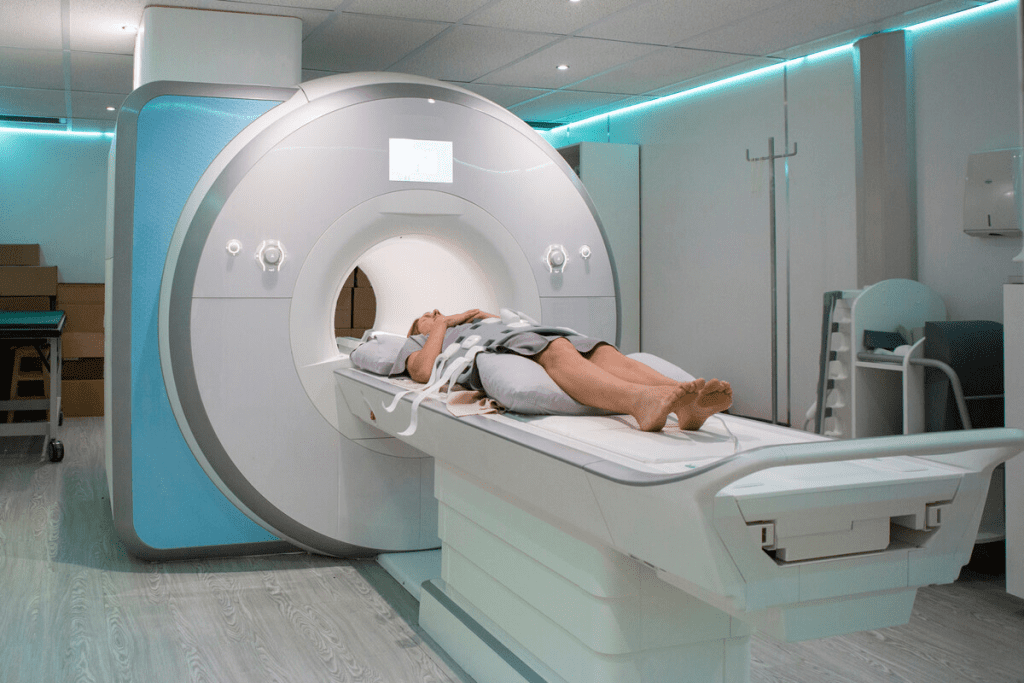
Getting a PET scan is a unique experience. This is because of the PET scanner itself. It’s a big, tunnel-shaped machine where you lie down during the scan.
The PET Scanner Environment
The PET scanner’s environment is different from other medical imaging devices. It’s a closed space, which might be uncomfortable for those with claustrophobia. But, the staff will help you and make sure you’re okay before starting.
The table might feel hard or cold. But, you can ask for a blanket or pillow to make it more comfortable.
Duration and Positioning During the Scan
A PET scan usually lasts 30 to 60 minutes. You must stay very quiet during this time. Getting ready and the scan itself can take about 90 minutes.
It’s important to listen to the healthcare professionals’ instructions. You’ll lie on a table that slides into the scanner. Keeping the right position is key.
You might wear a strap to help you stay in place. The technologist will be in another room but can talk to you through a camera and intercom. If you’re uncomfortable or have any problems, let them know. They’ll help you right away.
Preparing for Your PET Scan Appointment
To make your PET scan experience as comfortable as possible, it’s essential to prepare in advance. Proper preparation not only enhances your comfort but also ensures that the scan produces accurate results.
Pre-Scan Instructions
Your healthcare provider will give you specific instructions to follow before your PET scan. You might be asked not to eat anything for 4 to 6 hours before the scan. You can drink water, though. It’s important to follow these instructions carefully to ensure the scan’s effectiveness.
What to Wear and Bring
On the day of your PET scan, wear comfortable, metal-free clothing. Avoid wearing jewelry, belts, or any other metal objects that could interfere with the scan. You can bring a toy or stuffed animal to provide comfort during the procedure. Comfort is key to helping you remain calm and relaxed throughout the scan.
By following these guidelines, you can help ensure that your PET scan appointment goes smoothly. This way, you’ll get the most accurate results possible.
The Role of PET Scans in Tumor Detection
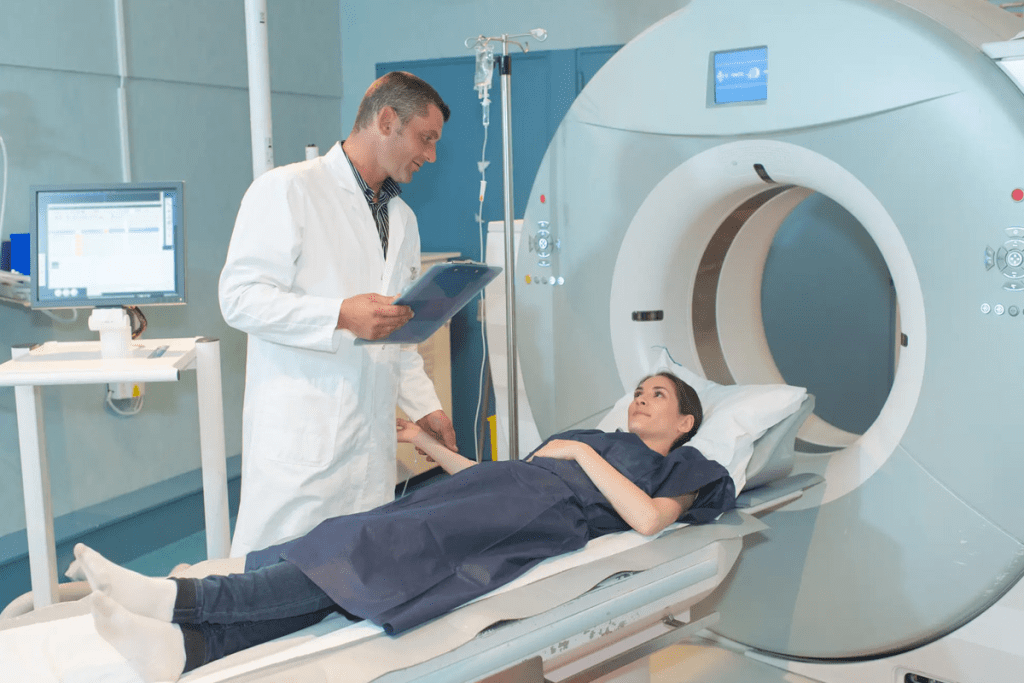
PET scans have changed how we find tumors, making cancer diagnosis better. They spot cells that take up a lot of a special tracer, showing possible health issues like cancer.
How PET Scans Identify Cancerous Cells
PET scans show where cells are working hard, like cancer cells do. They use a tracer that goes into the body and sticks to active areas. Then, the PET scanner picks up this radiation, making clear images of tumors.
Key aspects of PET scans in identifying cancerous cells include:
- Detecting metabolic activity: Cancer cells have higher metabolic rates than normal cells.
- Accurate localization: PET scans help in pinpointing the exact location of tumors.
- Monitoring treatment response: PET scans can assess how well a tumor is responding to treatment.
Sensitivity and Specificity in Cancer Diagnosis
PET scans’ success in finding cancer is measured by their sensitivity and specificity. Sensitivity means they can find those with cancer correctly. Specificity means they can find those without cancer correctly too.
| Diagnostic Measure | Description | Importance in Cancer Diagnosis |
| Sensitivity | Ability to detect true positives | High sensitivity ensures most cancer cases are detected |
| Specificity | Ability to detect true negatives | High specificity reduces unnecessary anxiety and further testing for false positives |
PET scans are great at finding cancer cells, thanks to their high sensitivity. But, their specificity can change based on the cancer type. Knowing these details helps us understand PET scan results better.
Understanding Lung Nodules and Their Significance
When lung nodules are found, it’s important to know if they are harmless or cancerous. Lung nodules are small growths in the lungs. They can be seen with tests like CT scans or PET scans.
Types of Lung Nodules
Lung nodules can be either solitary or multiple. Their size can also vary a lot. The size and number can hint at what they might be.
Benign vs. Malignant Characteristics
It’s key to tell if lung nodules are harmless or cancerous. Benign nodules are not cancer and usually don’t harm health. But, malignant nodules are cancerous and can be dangerous if not treated fast.
| Characteristics | Benign Nodules | Malignant Nodules |
| Growth Pattern | Stable or slow growth | Rapid growth |
| Edge Characteristics | Smooth edges | Irregular or spiculated edges |
| PET Scan Results | Low SUV values | High SUV values |
PET scans are key in checking lung nodules. They look at how active the nodules are. High activity on a PET scan often means it’s cancerous. Low activity usually means it’s not.
Lung Nodule Size Chart and Risk Assessment
Lung nodule size is key in figuring out cancer risk. Doctors look at nodule size to decide if more tests or actions are needed.
The Fleischner Criteria for Nodule Evaluation
The Fleischner criteria guide lung nodule management. They help figure out cancer risk and when to do more scans or tests.
Small Nodules (2-4mm): What You Should Know
Small nodules are usually not a big worry. But, if there are many small nodules, they need watching closely. This is because cancer could be present in one or more.
Medium Nodules (5-8mm): Risk Factors
Nodules 5-8mm in size have a moderate cancer risk. The nodule’s look, the patient’s smoking history, and other health issues affect the risk.
Larger Nodules (>8mm): Increased Concern
Nodules bigger than 8mm are more likely to be cancerous. For these, doctors often suggest a PET scan. This helps check the nodule’s activity and decide what to do next.
Knowing about lung nodule size and characteristics is vital for managing risk. By using the Fleischner criteria and looking at other factors, doctors can make the right choices for more tests or treatment.
Specific Lung Nodule Concerns
The size of a lung nodule is very important. It tells us how worried we should be. These nodules can show up on tests like CT scans and PET scans.
Is a 4mm Lung Nodule Serious?
A 4mm lung nodule is quite small. Usually, doctors don’t rush to biopsy it right away. This is because it’s unlikely to be cancer. But, the nodule’s look and feel are also important.
Understanding 6mm and 7mm Nodules
Nodules of 6mm and 7mm are a bit bigger. They might need more attention than smaller ones. Doctors look at many things, like your health history, to decide what to do next.
When to Worry About 8-10mm Nodules
8-10mm lung nodules are bigger and might be more serious. The Fleischner Society has rules for these sizes. They often suggest more tests or scans.
Tuberculosis Nodules and Their Characteristics
Tuberculosis nodules can look like cancer on scans. It’s key to know the patient’s history and other test results. This helps tell if it’s tuberculosis or something more serious.
When a PET Scan is Recommended for Lung Nodules
Deciding to use a PET scan for lung nodules depends on several things. This includes the size and what the nodule looks like. Many lung nodules are found by accident during tests for other reasons. Not every nodule needs a PET scan to check further.
Indications Based on Nodule Size and Characteristics
PET scans are often suggested for lung nodules that might be cancerous. The size of the nodule is very important. Nodules bigger than 8mm are usually checked with a PET scan because they might be cancer. Also, nodules that look irregular or have sharp edges might need a PET scan, even if they’re small.
| Nodule Size | Risk Level | PET Scan Recommendation |
| < 4mm | Low | Generally not recommended |
| 4-8mm | Moderate | Considered based on other risk factors |
| > 8mm | High | Typically recommended |
Limitations of PET Scans for Small Nodules
PET scans are great for checking bigger or suspicious nodules. But, they’re not as good for smaller nodules. Nodules under 8mm might not be well seen with a PET scan. This is because of the scan’s limits and the chance of false negatives. For these small nodules, other tests or more imaging might be suggested.
In summary, whether to do a PET scan for lung nodules depends on size, shape, and other factors. Knowing these details is key to choosing the right test.
Interpreting PET Scan Results for Lung Abnormalities
Understanding PET scan results means looking at SUV values and thinking about false positives and negatives. SUV, or Standardized Uptake Value, shows how active a part of the body is. This is important when checking lung nodules.
Understanding SUV Values
SUV values help tell if a lung nodule is likely to be cancerous. High SUV values often mean more activity, which might suggest cancer. But, it’s important to look at the whole picture and other scans too.
False Positives and False Negatives
False positives happen when a harmless nodule looks like cancer. On the other hand, false negatives occur when a cancerous nodule doesn’t show up. Knowing these can help doctors make better decisions.
Follow-up Recommendations Based on Results
After getting PET scan results, doctors might suggest more tests, a biopsy, or watching closely. What happens next depends on the SUV value, the nodule’s size, and the patient’s situation.
Follow-up Procedures After an Abnormal PET Scan
An abnormal PET scan means you need more tests to find out what’s wrong. Your doctor will suggest several steps to figure out the cause. These steps help understand the problem better.
Additional Imaging Tests
More tests like CT scans and MRI scans might be needed. Sometimes, another PET scan is done with a different tracer. The choice of test depends on the first scan’s results and your situation.
When Biopsy is Necessary
If tests show a possible tumor or if the diagnosis is unclear, a biopsy might be needed. A biopsy takes tissue from the area in question for lab tests. It’s a key step in diagnosing diseases like cancer.
Treatment Planning Based on Findings
After getting a diagnosis, your healthcare team will create a treatment plan for you. This plan could include surgery, chemotherapy, or radiation therapy. It depends on the disease’s type and stage.
It’s very important to follow the recommended steps after an abnormal PET scan. Early action can greatly improve your chances of recovery.
Conclusion
PET scans are key in finding tumors and checking lung nodules. They help spot cancer cells and see how serious lung nodules are. This guides doctors in planning treatments.
Getting the results of a PET scan is vital for patient care. It helps doctors create a good treatment plan. This is true for both cancerous tumors and harmless lung nodules.
PET scans are a powerful tool for detecting tumors and assessing lung nodules. They offer detailed information. This helps doctors make smart choices for patient care.
By using PET scan results with other tools, doctors can give more tailored care. This approach improves patient results.
FAQ
Are you in a tunnel for a PET scan?
Yes, during a PET scan, you lie on a table that slides into a tunnel-shaped scanner. The scanner detects the signals emitted by the radiotracer. This allows for detailed images of the body’s internal structures.
What is a PET scan and how does it work?
A PET scan is a type of imaging test. It uses a radiotracer to see the body’s internal structures and functions. It detects the signals from the radiotracer, which builds up in areas with high activity, like tumors.
What is a lung nodule, and is it serious?
A lung nodule is a small, rounded mass in the lung. Its seriousness depends on its size, characteristics, and whether it’s benign or malignant. Some nodules are harmless, while others can be cancerous.
How is the size of a lung nodule related to its risk?
The size of a lung nodule is key in assessing its risk. Larger nodules are more likely to be cancerous. Smaller nodules are more likely to be benign. The Fleischner criteria guide how to manage lung nodules based on their size.
Is a 4mm lung nodule serious?
A 4mm lung nodule is small, and the risk of it being cancerous is low. But, the risk depends on the nodule’s characteristics and your medical history.
When is a PET scan recommended for evaluating lung nodules?
A PET scan is often recommended for lung nodules larger than 8mm or with suspicious characteristics. It helps determine if a nodule is benign or malignant.
What does a PET scan result mean for a lung nodule?
A PET scan result for a lung nodule is based on the SUV of the radiotracer. A high SUV value may indicate a malignant nodule. A low SUV value may suggest a benign nodule.
What are the follow-up procedures after an abnormal PET scan?
After an abnormal PET scan, more imaging tests like CT or MRI scans may be needed. In some cases, a biopsy may be required to determine the nodule’s nature.
What is the significance of SUV values in PET scan results?
SUV values in PET scan results show the level of radiotracer uptake in a nodule. Higher SUV values are often linked to malignant nodules. Lower SUV values are more common in benign nodules.
Can PET scans produce false positives or false negatives for lung nodules?
Yes, PET scans can produce false positives or false negatives. False positives can happen in cases of inflammation or infection. False negatives can occur in small or slow-growing tumors.
What is the Fleischner criteria for nodule evaluation?
The Fleischner criteria are guidelines for managing lung nodules. They are based on size and characteristics. They provide recommendations for follow-up imaging and other diagnostic procedures.
How do PET scans identify cancerous cells?
PET scans identify cancerous cells by detecting the accumulation of radiotracer in areas of high metabolic activity, like tumors. Cancer cells have higher metabolic rates than normal cells, making them more likely to take up the radiotracer.
References
Griffeth, L. K. (2005). Use of PET/CT scanning in cancer patients: Technical and practical considerations. Radiologic Clinics of North America, 43(1), 1-17. https://pmc.ncbi.nlm.nih.gov/articles/PMC1255942