Last Updated on November 25, 2025 by

As men get older, they are more likely to face benign prostatic hyperplasia (BPH). This condition causes annoying urinary problems. Transurethral resection of the prostate (TURP) is a top choice for treating BPH, even for those in their 80s. Is TURP safe for an 80-year-old? Learn the TURP safety in elderly facts. The crucial, powerful decision depends on overall health and specific BPH symptoms.
We look into the safety and effectiveness of TURP for men 80 and older. We share insights on its benefits and possible risks. New studies show that with better care, TURP is a good option for older patients.
TURP surgery is suggested for men with issues like frequent or urgent urination. It’s also for those who can’t empty their bladder fully or have recurring urinary tract infections. With good success rates and low risks of complications, TURP is a solid choice for benign prostatic obstruction in men over 80.
Key Takeaways
- TURP is a highly effective treatment for BPH in men over 80.
- Recent studies show TURP’s safety and efficacy in elderly patients.
- Advancements in TURP surgery have reduced complication risks.
- Expert multidisciplinary care is key for successful TURP outcomes.
- TURP improves urinary symptoms and quality of life in elderly men.
Understanding TURP and Its Relevance for Elderly Patients
TURP, or Transurethral Resection of the Prostate, is a surgery for men with Benign Prostatic Hyperplasia (BPH). As men get older, their prostate gland grows, causing urinary problems. TURP helps by removing extra prostate tissue.
What is Transurethral Resection of the Prostate?
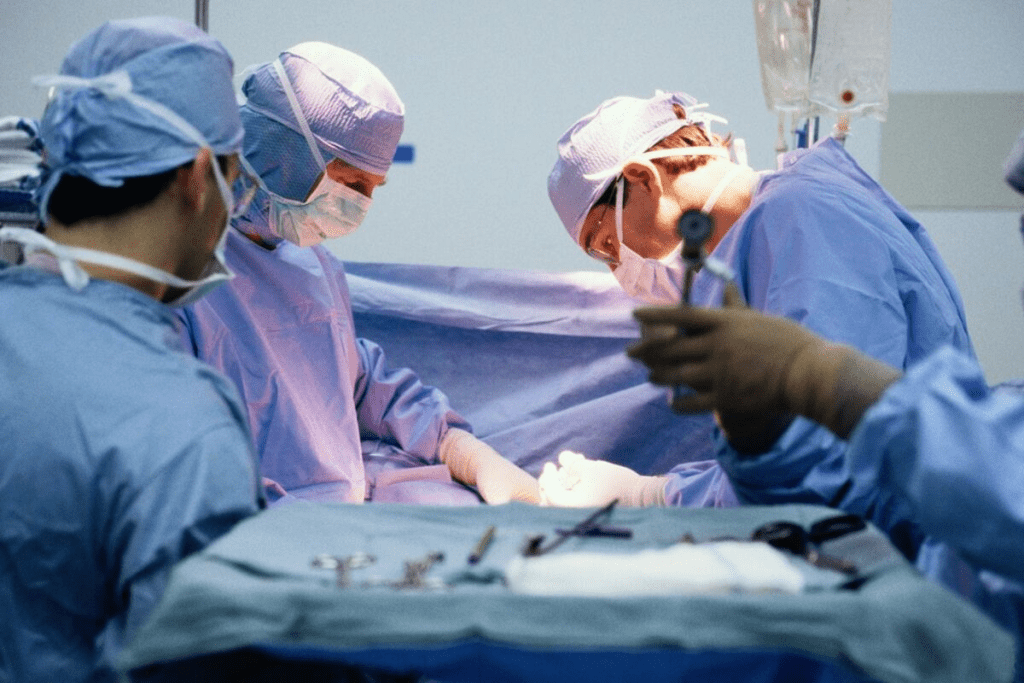
Transurethral Resection of the Prostate, or TURP, is a surgery for BPH. It removes parts of the prostate that block urine flow. The surgery is done under general anesthesia and lasts about 60 to 90 minutes. The TURP procedure is highly effective in relieving urinary obstruction and improving quality of life for many patients.
Why TURP Might Be Necessary for Octogenarians
For octogenarians, or people in their 80s, TURP is very helpful. At this age, BPH symptoms are more severe, causing urinary retention, infections, and kidney damage. TURP significantly improves urinary function and overall well-being, making it a valuable option for elderly men.
Common Alternatives to TURP in Advanced Age
While TURP is a well-known treatment, there are other options for elderly patients. These include:
- Medication to reduce prostate size or relax the muscles in the prostate and bladder neck, making it easier to urinate.
- Minimally invasive procedures such as UroLift or Rezum therapy which offer alternatives to traditional TURP.
- Prostate artery embolization, a procedure that reduces blood flow to the prostate, making it smaller.
Each alternative has its own benefits and drawbacks. The choice of treatment depends on the patient’s health and specific needs.
TURP Safety in Elderly: What the Research Shows
Recent studies have shown that TURP is safe and effective for elderly patients. This gives both doctors and patients valuable insights. It’s clear that TURP can be a good treatment option for this age group.
Success Rates for Patients Over 80
Research shows TURP works well for men over 80. Within a year, 80-85% of patients can void on their own again. Some studies even report a 89% success rate at 12 months for the right patients.
The success of TURP in the elderly comes from better surgery techniques and choosing the right patients. Doctors carefully check patients’ health and history to find the best candidates.

Long-term Outcomes and Quality of Life
TURP also greatly improves the quality of life for elderly patients. It helps with BPH symptoms like urinary retention and frequency. This makes patients feel better and more independent.
One big benefit of quality of life post-TURP is fewer urinary tract infections. Patients with TURP often see a drop in these infections. This leads to better health and a higher quality of life.
- Significant improvement in urinary function
- Reduction in urinary tract infections
- Enhanced overall well-being and independence
A study on TURP outcomes found big improvements in symptoms and quality of life. Even in the elderly, TURP has a big positive impact.
“The improvement in lower urinary tract symptoms and quality of life following TURP is substantial, even in the elderly population.”
In conclusion, TURP is a safe and effective treatment for elderly patients. It offers high success rates and improves quality of life. As we learn more about TURP, it will likely remain a key treatment for BPH in older adults.
Key Risk Factors for TURP in Patients Above 80
When considering TURP for patients over 80, it’s key to look at their health. We need to check for any conditions that might affect the surgery’s success.
Impact of Pre-existing Medical Conditions
Older adults with certain health issues face higher risks with TURP. Heart disease, diabetes, and COPD can make surgery and recovery harder. It’s important to review a patient’s health history to manage these risks.
Cardiovascular diseases need extra attention because they can lead to complications. Patients with diabetes must have their blood sugar watched closely during surgery.
Medication Considerations and Polypharmacy
Many seniors take several medications, known as polypharmacy. This can make TURP riskier because some drugs might need to be stopped before surgery. For example, blood thinners may be paused to lower bleeding risks.
We help patients review their medications and make changes if needed. This teamwork ensures the patient is ready for surgery and reduces risks.
The Role of Frailty Assessment
Frailty assessment is vital for elderly patients having TURP. Frailty means the body is weaker and more vulnerable to stress. Checking for frailty helps us know who’s at higher risk and plan better care.
Identifying frail patients lets us tailor their care. We can work on improving their health before surgery, watch them closely after, and provide special post-op care to help them recover.
Potential Complications of TURP in Advanced Age
When thinking about TURP for older patients, knowing the possible complications is key. TURP, like any surgery, has risks. For seniors, these risks can be higher because of age and health issues.
“The safety and success of TURP in older adults are well-studied,” says a top urologist. “But knowing the possible problems helps make better choices,” he adds. We’ll look at these issues and how to handle them.
Short-term Complications to Be Aware Of
Right after TURP, patients might face bleeding, infection, and trouble peeing. Older people might get these problems more often because of weaker health and other health issues.
- Bleeding: Even though rare, older patients might face higher risks because of blood thinners.
- Infection: UTIs are common, and older folks might get worse infections.
- Urinary Retention: Some might have trouble peeing after the catheter comes out.
Long-term Complications and Their Management
Long-term issues from TURP can really affect a patient’s life. These include trouble controlling urine, erectile problems, and narrowing of the bladder neck.
Urinary Incontinence: This can be a lasting problem for some, needing extra care.
Erectile Dysfunction: This can be hard for patients, and solving it might need a team effort.
Comparing Complication Rates: Elderly vs. Younger Patients
Studies show that while older patients might face more TURP complications, the risks are manageable with the right care. Comparing younger and older patients, results vary, showing the need for personalized treatment.
“The key to fewer problems is choosing the right patients, doing the surgery carefully, and good follow-up care,” the study notes. “A custom plan is vital,” she adds.
Understanding TURP’s risks in older age and how to lessen them helps doctors give seniors the best results.
Recovery Timeline After TURP for Octogenarians
When we talk about TURP for people over 80, knowing the recovery period is key. The time it takes to recover after TURP for those over 80 can differ. Yet, there are general guidelines to help us understand what to expect.
Recent studies show that the average hospital stay after TURP is 1 to 2 days. This short stay shows how minimally invasive the procedure is.
Hospital Stay Duration
The length of your hospital stay is a big part of recovery. Usually, patients go home within 48 hours after the surgery. During this time, doctors watch for any immediate problems and make sure you can pee okay before you leave.
“Choosing the right patients and careful post-op care are key to a smooth recovery,” says a top urologist. This helps avoid complications and makes sure you’re okay before you go home.
Return to Normal Activities
Most people can get back to their usual activities in 2 to 4 weeks after TURP. But, it might take 4 to 6 weeks for your urinary function to fully recover.
To help with a smooth recovery, patients should:
- Avoid heavy lifting and hard activities for at least 2 weeks.
- Drink plenty of fluids to help clean your bladder.
- Go to follow-up appointments to check on your healing.
It’s also good to know that some temporary discomfort or urinary symptoms might happen during recovery. These are usually managed with medicine and get better as your bladder and urethra heal.
By knowing the recovery timeline and following the doctor’s advice, octogenarians can have a great outcome after TURP. This can greatly improve their quality of life.
Benefits of TURP Over Prolonged Catheterization in the Elderly
In the elderly, TURP can be a game-changer. It improves their quality of life more than prolonged catheterization. Living with a catheter for a long time can be tough, both physically and emotionally.
Quality of Life Improvements
One big plus of TURP is how it boosts a patient’s quality of life. It cuts down on urinary problems like needing to pee a lot, feeling urgent, and waking up at night. This lets elderly patients live more normally and with dignity.
They can sleep better, move around more, and feel less anxious and uncomfortable. This is because TURP helps manage urinary issues.
Reduction in Urinary Tract Infections
Long-term use of catheters raises the risk of urinary tract infections (UTIs). This is a big problem for the elderly because their immune systems might not work as well. TURP lowers this risk by reducing or removing the need for a catheter.
This is key for keeping elderly patients healthy. UTIs can cause serious problems if not treated right.
Independence and Psychological Well-being
TURP also helps with independence and psychological well-being in the elderly. It lets them do things on their own without the hassle of catheters. This is a big deal for their mental health.
Choosing TURP means better quality of life, more independence, and fewer UTIs for the elderly.
Conclusion: Making an Informed Decision About TURP at Age 80
When thinking about TURP for those over 80, it’s key to check if they’re a good fit. We look at their health, how bad their symptoms are, and what they want. This helps us decide if TURP is right for them.
Studies have shown TURP is safe and works well for BPH in older men. Knowing the risks and benefits helps patients decide if TURP is right for them.
The choice to have TURP should be personal and based on a doctor’s advice. We work with patients to find the best treatment for them. This way, we make sure they get the best care.
FAQ
Is TURP a suitable treatment option for men over 80 with BPH?
Yes, TURP is a great choice for treating BPH in men over 80. It helps a lot with urinary problems and makes life better.
What are the possible risks and complications with TURP in elderly patients?
TURP is usually safe, but some risks exist. These include health problems, medicines, and being frail. These can make complications more likely in older patients.
How long does it take to recover from TURP, and what can I expect during the recovery period?
Recovery time varies, but most can get back to normal in a few weeks. We help you know what to expect during this time.
Can TURP improve the quality of life for elderly patients with BPH?
Yes, TURP can really help. It reduces symptoms like needing to urinate a lot at night, weak flow, and infections. This makes older patients more independent and happy.
How does TURP compare to prolonged catheterization in terms of benefits and risks?
TURP is better than long-term catheter use. Catheters can lead to infections and lower quality of life. TURP is safer and more effective.
What are the key factors to consider when deciding whether TURP is right for me at my advanced age?
It’s important to think carefully before choosing TURP. Look at your health, medicines, and how frail you are. This helps make a good choice for you.
Are there any specific considerations for octogenarians undergoing TURP?
Yes, age and health issues affect TURP results. We focus on personalized care and evaluation for older patients.
What are the success rates and long-term outcomes for TURP in patients over 80?
Studies show TURP works well for those over 80. It greatly improves life quality and has good long-term results.
References
- Codelia-Anjum, A. J., et al. (2023). Procedural intervention for benign prostatic hyperplasia in men ≥70 years of age: A review. Clinical Interventions in Aging, 18, 123-135. https://www.dovepress.com/procedural-intervention-for-benign-prostatic-hyperplasia-in-men–age-7-peer-reviewed-fulltext-article-CIA