
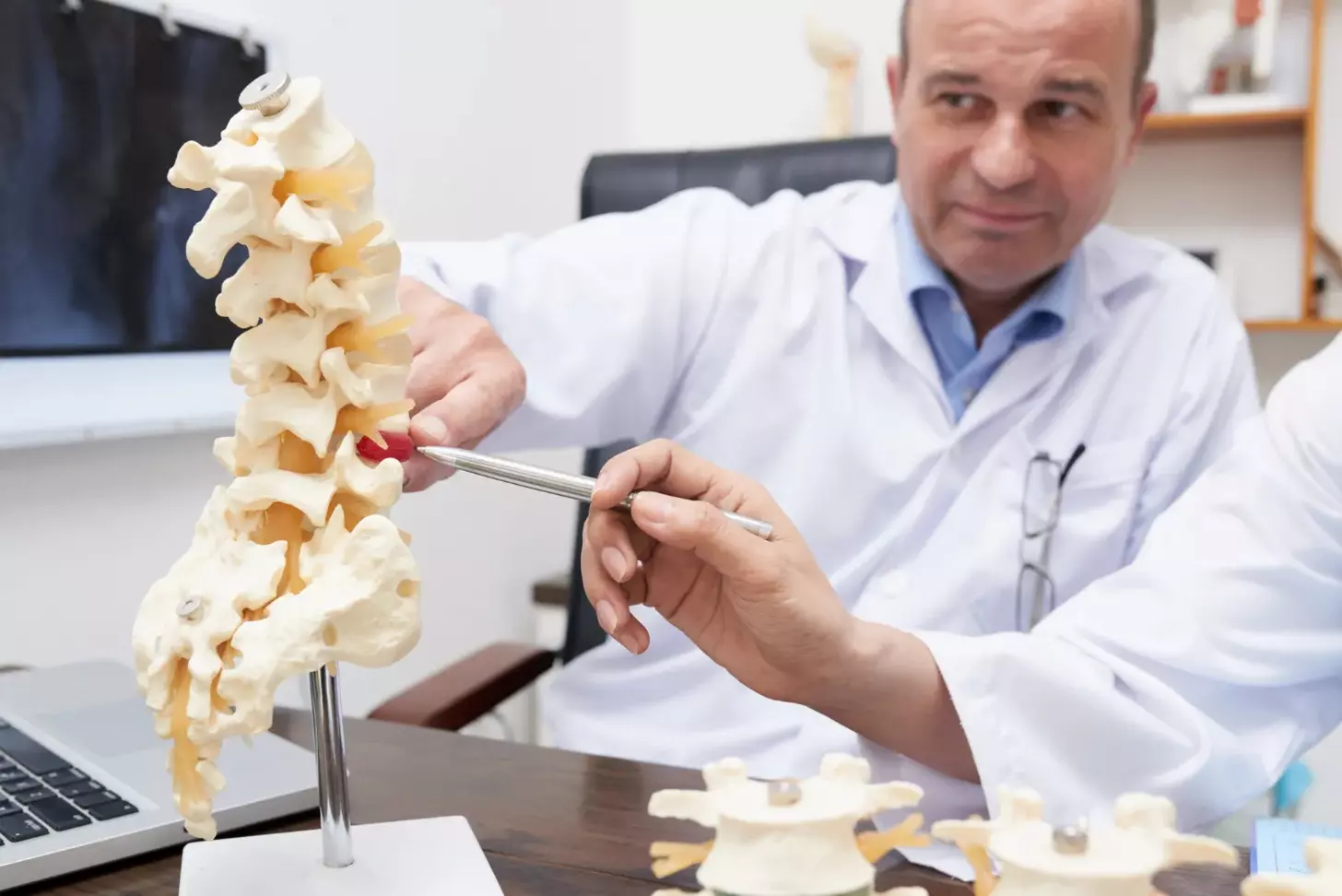
If you’re considering or have been advised to undergo a cervical spinal fusion surgery, understanding the facts can help guide your expectations and recovery.
At Liv Hospital, we are committed to excellence in spinal care, using evidence-based protocols to support every patient throughout their cervical fusion journey. The demand for 2 level cervical fusion procedures is growing, with the market valued at USD 6.78 billion in 2024.
As a leading healthcare provider, we recognize the importance of educating patients about their treatment options. Our goal is to provide comprehensive information about two level fusion cervical spine procedures, including their indications, surgical techniques, and recovery processes.
Key Takeaways
- Understanding the facts about cervical spinal fusion surgery can help guide patient expectations and recovery.
- Liv Hospital is committed to excellence in spinal care using evidence-based protocols.
- The demand for 2 level cervical fusion procedures is growing rapidly.
- Comprehensive information about two level fusion cervical spine procedures is crucial for patients.
- Education is key to empowering patients about their treatment options.
What Is Two Level Fusion Cervical Spine Surgery?
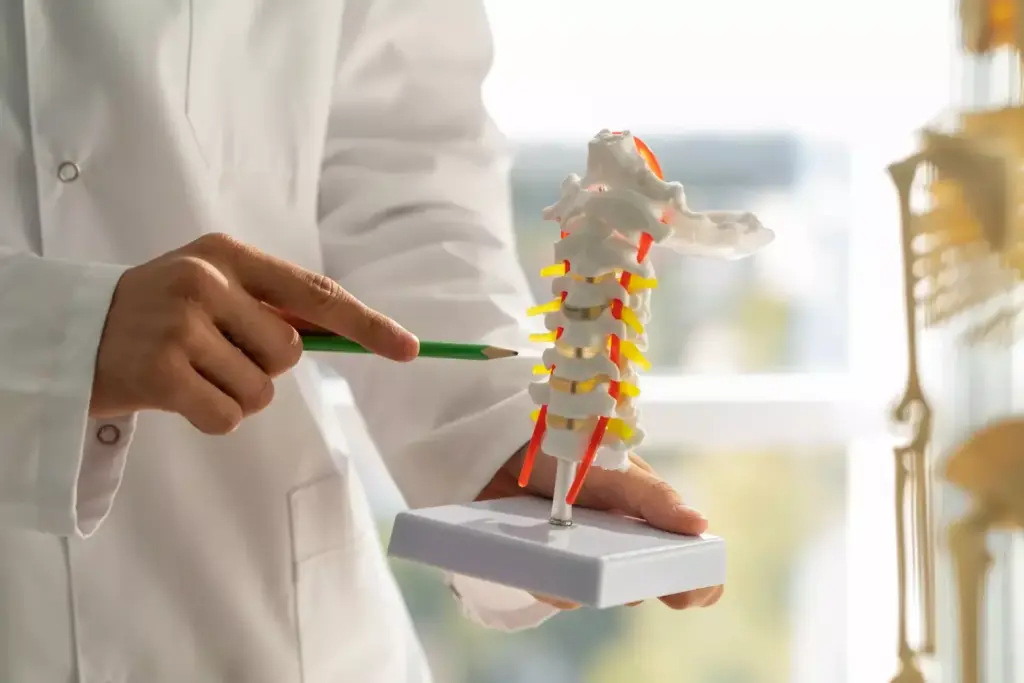
Understanding the complexities of two level fusion cervical spine surgery is crucial for patients considering this procedure. Two level fusion cervical spine surgery, often referred to as 2 level fusion or ACDF 2 level, involves the fusion of two adjacent vertebrae in the neck to stabilize the spine and alleviate pain.
Definition and Basic Cervical Spine Anatomy
The cervical spine, or neck region, is composed of seven vertebrae that are separated by intervertebral discs. These discs act as shock absorbers and allow for flexibility in the neck. In a cervical bone fusion surgery, the damaged discs are removed, and the adjacent vertebrae are fused together using bone grafts or implants to promote bone growth.
The basic anatomy of the cervical spine is crucial in understanding how fusion surgery neck procedures work. The cervical spine supports the head and enables a wide range of motion. When two levels of the cervical spine are fused, it means that two adjacent discs and the vertebrae they separate are treated.
Difference Between Single and Two Level Fusion
The primary difference between single and two level fusion lies in the number of vertebrae and discs involved. Single level fusion involves one disc and two vertebrae, whereas 2 level fusion involves two discs and three vertebrae. This difference is significant because it affects the complexity of the surgery, recovery time, and the patient’s overall outcome.
| Characteristics | Single Level Fusion | Two Level Fusion |
|---|---|---|
| Number of Discs Involved | 1 | 2 |
| Number of Vertebrae Fused | 2 | 3 |
| Surgical Complexity | Less Complex | More Complex |
| Recovery Time | Generally Shorter | Generally Longer |
Common Terminology in Cervical Fusion Surgery
Understanding the terminology used in cervical fusion surgery is essential for patients to make informed decisions. Terms like Anterior Cervical Discectomy and Fusion (ACDF) and Posterior Cervical Fusion are commonly used. ACDF is a specific type of fusion surgery neck where the surgeon accesses the spine through the front of the neck.
“The goal of cervical fusion surgery is to relieve spinal cord or nerve root pressure by removing the degenerative or herniated disc,” says a spine specialist.
Procedures like ACDF 2 level account for over 60 percent of cervical surgeries, indicating their prevalence and effectiveness in treating various cervical spine conditions.
Medical Conditions Requiring Two Level Cervical Fusion
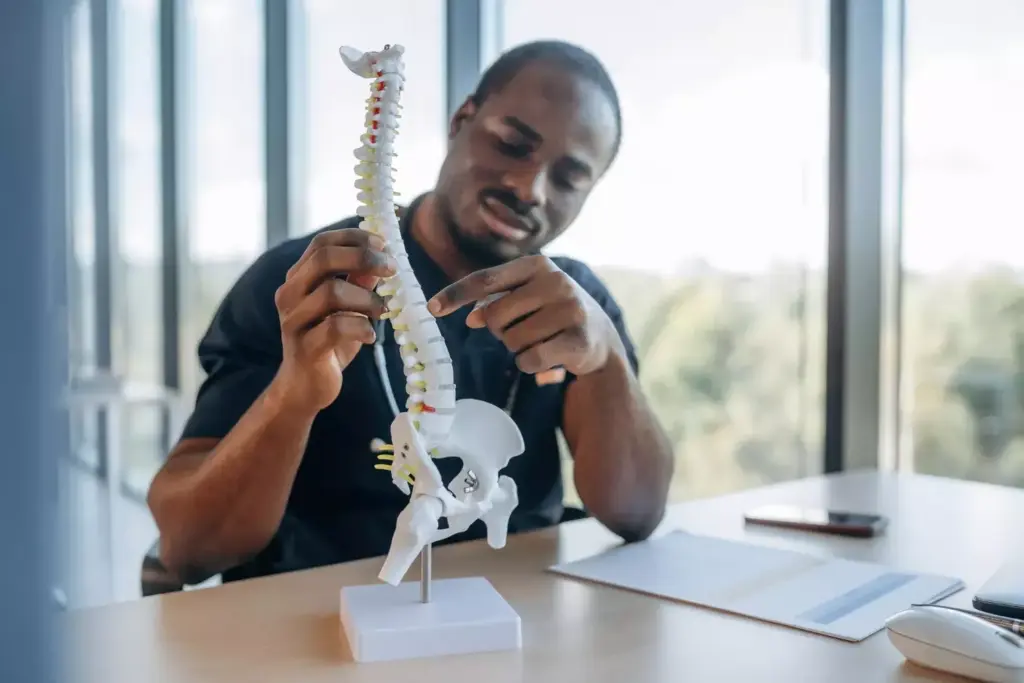
The decision to undergo two-level cervical fusion surgery is typically made when certain medical conditions are diagnosed in the cervical spine. These conditions often significantly impact the patient’s quality of life, causing pain and limiting mobility.
Several key medical conditions are commonly associated with the need for two-level cervical fusion. Understanding these conditions is crucial for patients considering this surgical option.
Degenerative Disc Disease
Degenerative disc disease is a condition where the intervertebral discs in the neck deteriorate over time. This degeneration can lead to pain, stiffness, and reduced mobility in the cervical spine. When this condition affects two adjacent levels, a two-level fusion may be recommended.
The degenerative process involves the loss of disc height, dehydration of the disc, and sometimes the formation of bone spurs. These changes can irritate nearby nerves, causing radiculopathy or nerve root pain.
Cervical Instability and Herniated Discs
Cervical instability occurs when the cervical spine’s ligaments and joints are unable to maintain normal spinal alignment and movement. This instability can cause excessive motion between vertebrae, leading to pain and potentially damaging nearby nerves.
Herniated discs are another condition that may require two-level cervical fusion. A herniated disc happens when the soft inner gel of the disc leaks out through a tear in the outer disc. This can compress or irritate nearby nerves, causing pain, numbness, or weakness in the neck, shoulders, or arms.
Trauma and Other Clinical Indications
Trauma to the cervical spine, such as that sustained in a car accident or a fall, can also necessitate a two-level cervical fusion. Traumatic injuries can cause fractures, dislocations, or ligament damage that may require surgical stabilization.
Other clinical indications for two-level cervical fusion include:
- Spondylolisthesis (slippage of vertebrae)
- Spinal deformities
- Tumors or infections affecting the cervical spine
- Pseudoarthrosis (failure of previous fusion)
Each of these conditions can significantly impact the stability and function of the cervical spine, often requiring surgical intervention to alleviate symptoms and restore spinal integrity.
Types of Two Level Cervical Fusion Procedures
When it comes to addressing cervical spine issues, two-level fusion surgery offers various approaches to alleviate pain and restore function. The choice of procedure depends on the patient’s specific condition, the location of the affected discs, and the surgeon’s professional judgment.
Anterior Cervical Discectomy and Fusion (ACDF) at Two Levels
ACDF is a common and effective procedure for treating cervical spine disorders. When performed at two levels, it involves removing two damaged discs and fusing the adjacent vertebrae to stabilize the spine. ACDF at two levels is particularly useful for patients with degenerative disc disease or herniated discs at two adjacent levels.
- Benefits of ACDF at two levels include significant pain reduction and improved spinal stability.
- The procedure involves minimal invasion, resulting in less tissue damage and quicker recovery times.
- Surgeons often use bone grafts or implants to facilitate fusion and maintain spinal alignment.
Posterior Cervical Fusion Techniques
Posterior cervical fusion involves accessing the spine from the back of the neck. This approach is often used when the pathology is more readily accessible from the posterior aspect or when additional stability is required.
Posterior cervical fusion techniques can be particularly useful in cases where there’s significant instability or when previous anterior surgery has been performed.
- The surgeon makes an incision in the back of the neck to access the affected vertebrae.
- Instrumentation such as rods and screws may be used to stabilize the spine during the fusion process.
- This approach allows for direct access to the posterior elements of the spine, facilitating decompression and fusion.
Hybrid Approaches and Modern Innovations
In some cases, surgeons may employ hybrid approaches that combine elements of both anterior and posterior techniques. This can be particularly useful in complex cases where multiple levels are affected or there’s significant instability.
Modern innovations in spinal surgery have led to the development of new techniques and technologies, such as minimally invasive surgery and advanced imaging modalities. These advancements have improved the precision and safety of two-level cervical fusion procedures.
- Hybrid approaches offer flexibility in addressing complex spinal pathology.
- Minimally invasive techniques reduce tissue damage and promote faster recovery.
- Advanced imaging helps surgeons plan and execute procedures with greater accuracy.
The Surgical Process for 2 Level ACDF Surgery
We will guide you through the surgical process for 2 level ACDF surgery, from preparation to the materials used. Understanding these steps can help alleviate concerns and prepare you for the procedure.
Preoperative Evaluation and Preparation
Before undergoing 2 level spinal fusion surgery, a thorough preoperative evaluation is conducted. This includes:
- Medical History Review: We assess your overall health, including any previous surgeries or medical conditions.
- Imaging Studies: Advanced imaging techniques such as MRI or CT scans are used to visualize the cervical spine and plan the surgery.
- Physical Examination: A thorough physical examination is performed to assess your neurological function and identify any areas of concern.
Step-by-Step Surgical Procedure
The 2 level ACDF surgery involves several key steps:
- Anesthesia and Patient Positioning: The patient is administered general anesthesia and positioned on the operating table to facilitate access to the cervical spine.
- Surgical Approach: An anterior approach is used, involving an incision in the front of the neck to access the cervical spine.
- Discectomy and Decompression: The damaged discs are removed, and any compressing elements are decompressed to relieve pressure on the spinal cord or nerves.
- Implant Placement: Spacers or cages are inserted to maintain disc height and promote fusion.
- Stabilization: Plates or rods may be used to stabilize the spine during the fusion process.
Implants and Fusion Materials Used
The success of fusion of cervical spine surgery depends on the materials used for fusion. These may include:
- Autograft Bone: Bone graft taken from the patient’s own body, often from the iliac crest.
- Allograft Bone: Donated bone tissue that is processed and sterilized for use.
- Synthetic Materials: Various synthetic materials are available to enhance fusion and provide structural support.
The general success rate for one or two level fusion of the cervical spine is approximately 90 percent. By understanding the surgical process and the materials used, you can better appreciate the complexity and the potential benefits of spinal fusion neck surgery.
Recovery Timeline After Two Level Fusion Cervical Spine Surgery
Recovering from two-level fusion cervical spine surgery involves several phases, each with its own milestones and challenges. Understanding this process can help patients prepare for what to expect and when to seek further medical attention if necessary.
Hospital Stay and First Week Post-Surgery
Most patients are hospitalized for a short period, typically ranging from a few hours to 1-2 days, depending on the complexity of the surgery and their overall health. During the first week post-surgery, patients usually experience some discomfort, swelling, and limited mobility. We recommend rest, pain management as prescribed by the doctor, and gentle neck exercises as advised by the healthcare team.
The first week is critical for setting the foundation for a smooth recovery. Patients are advised to:
- Follow a medication regimen as prescribed
- Avoid heavy lifting, bending, or strenuous activities
- Use ice packs to reduce swelling
- Gradually increase mobility with gentle exercises
Weeks 2-6: Initial Healing Phase and Activity Restrictions
During weeks 2-6, patients typically start to feel better, with a reduction in pain and an increase in mobility. However, it’s crucial to continue following activity restrictions to ensure proper healing. We advise patients to avoid:
- Lifting objects heavier than 5-10 pounds
- Engaging in contact sports or activities that involve jarring or heavy impact
- Bending or twisting the neck
Physical therapy may be recommended during this phase to help improve range of motion and strengthen the neck muscles.
Months 2-12: Long-term Recovery and Fusion Process
The long-term recovery phase can last several months, during which the bone fusion process matures. Patients can expect to gradually return to more normal activities, including work and recreational activities, under the guidance of their healthcare provider.
Here’s an overview of what to expect during the long-term recovery phase:
| Timeframe | Expected Progress | Activity Level |
|---|---|---|
| 2-3 months | Significant reduction in pain, improved mobility | Gradual return to light activities |
| 4-6 months | Continued improvement in strength and flexibility | Increased activity level, including some sports |
| 6-12 months | Full recovery, complete bone fusion | Return to most normal activities, including heavy lifting and contact sports (as advised) |
It’s essential for patients to follow their surgeon’s specific instructions and attend follow-up appointments to monitor the healing process. Most patients experience significant symptom relief after cervical fusion surgery, and with proper care and rehabilitation, they can achieve a good quality of life.
Physical Therapy and Rehabilitation Protocols
Physical therapy is an essential component of the recovery process for individuals who have undergone two-level cervical fusion. A well-structured rehabilitation program helps patients regain strength, improve mobility, and return to their daily activities safely.
Early Mobilization Techniques and Neck Bracing
Early mobilization is a critical aspect of the rehabilitation process. Gentle exercises and movements are introduced soon after surgery to prevent stiffness and promote healing. Neck bracing may be used to provide additional support during the initial healing phase.
We recommend that patients start with gentle neck stretches and mobilization exercises as guided by their physical therapist. These early movements help in reducing stiffness and improving range of motion.
Progressive Strengthening and Range of Motion Exercises
As the patient progresses in their recovery, the physical therapy program is advanced to include more challenging strengthening exercises. These exercises are designed to improve the strength and flexibility of the neck and surrounding muscles.
Progressive strengthening exercises are crucial for supporting the fused area and enhancing overall spinal stability. We also incorporate range of motion exercises to ensure that patients regain full mobility of their neck.
Return to Daily Activities, Work, and Sports
A gradual return to daily activities, work, and sports is an important part of the rehabilitation process. We work closely with patients to create a personalized plan that safely progresses their activities based on their recovery.
Returning to work and sports requires careful consideration of the patient’s job requirements and physical demands. Our rehabilitation protocols are tailored to ensure that patients can return to their activities with confidence and minimal risk of re-injury.
Success Rates and Outcomes of Cervical Spine Fusion Surgery
Understanding the success rates and outcomes of cervical spine fusion surgery can help patients make informed decisions about their treatment options. Cervical spine fusion is a surgical procedure that involves joining two or more vertebrae in the neck to stabilize the spine and alleviate pain.
Statistical Success Rates for Two Level Fusions
The general success rate for one or two level fusion of the cervical spine is approximately 90 percent. Studies have shown that patients undergoing two-level cervical fusion surgery experience significant improvements in pain reduction and functional outcomes.
- A study published in the Spine Journal found that the overall success rate for two-level ACDF was 85.7%.
- Another study in the Journal of Neurosurgery: Spine reported a success rate of 92.3% for two-level cervical fusion.
These statistics indicate that the majority of patients benefit from the surgery, experiencing reduced pain and improved quality of life.
Factors Affecting Surgical Outcomes
Several factors can influence the success of cervical spine fusion surgery. These include:
- Patient Selection: Proper patient selection is crucial for successful outcomes. Factors such as age, overall health, and the presence of other medical conditions can affect the success of the surgery.
- Surgical Technique: The choice of surgical technique, including the use of anterior or posterior approaches, can impact outcomes.
- Implant Quality: The quality of implants and fusion materials used can affect the stability and success of the fusion.
- Postoperative Care: Adequate postoperative care and rehabilitation play a significant role in achieving successful outcomes.
Long-term Prognosis and Quality of Life Improvements
Long-term studies have shown that cervical spine fusion surgery can lead to significant and sustained improvements in quality of life. Patients often experience:
- Reduced neck pain and radicular symptoms
- Improved functional ability and range of motion
- Enhanced overall well-being and quality of life
While individual results may vary, the majority of patients undergoing two-level cervical fusion surgery can expect positive outcomes and improved quality of life.
Potential Risks and Complications of Cervical Fusion
Understanding the potential risks and complications of cervical fusion surgery is crucial for informed decision-making. As with any surgical procedure, cervical fusion carries risks that can range from minor side effects to serious complications.
Common Side Effects and Temporary Complications
After cervical fusion surgery, patients may experience some common side effects and temporary complications. These can include:
- Neck pain and stiffness
- Difficulty swallowing
- Numbness or tingling in the arms or hands
- Swelling or bruising at the surgical site
Most of these side effects are temporary and resolve on their own within a few weeks. However, it’s essential to monitor them closely and report any concerns to your healthcare provider.
Serious Complications and Warning Signs
While less common, serious complications can occur after cervical fusion surgery. Some warning signs to watch for include:
- Severe pain that doesn’t improve with medication
- Increasing numbness or weakness in the arms or legs
- Difficulty controlling bowel or bladder functions
- Fever or signs of infection at the surgical site
If you experience any of these symptoms, it’s crucial to seek medical attention immediately.
Adjacent Segment Disease and Revision Surgery Rates
One potential long-term complication of cervical fusion is adjacent segment disease (ASD), where the discs adjacent to the fused segment degenerate over time. The risk of ASD varies among patients, and ongoing monitoring is necessary to detect any potential issues early.
Revision surgery rates after cervical fusion vary depending on several factors, including the initial condition being treated and the surgical technique used. According to some studies, the rate of revision surgery can range from 5% to 15% over long-term follow-up.
| Complication | Frequency | Typical Management |
|---|---|---|
| Neck pain/stiffness | Common | Pain management, physical therapy |
| Difficulty swallowing | Common | Dietary modifications, swallowing exercises |
| Infection | Rare | Antibiotics, possible surgical drainage |
| Adjacent Segment Disease | Variable | Monitoring, potential revision surgery |
Understanding these potential risks and complications can help patients make informed decisions about their treatment. It’s essential to discuss any concerns with your healthcare provider to ensure the best possible outcome.
Alternatives to Two Level Cervical Fusion
Exploring alternatives to two level cervical fusion is crucial for patients seeking the most appropriate treatment for their condition. Not all patients require surgery; some may benefit from conservative treatment or alternative surgical approaches.
Conservative Treatment Options
Before considering surgery, patients often explore conservative treatment options. These can include physical therapy, pain management through medication, and lifestyle modifications such as improving posture, losing weight, or quitting smoking. In some cases, steroid injections may be recommended to reduce inflammation and alleviate pain.
Conservative treatments are often considered first because they are less invasive and can be effective in managing symptoms. The decision to proceed with conservative treatment is typically based on the severity of symptoms, the extent of the condition, and the patient’s overall health.
Artificial Disc Replacement
For some patients, artificial disc replacement is a viable alternative to fusion surgery. This procedure involves removing the damaged disc and replacing it with an artificial one, designed to maintain or restore normal motion in the spine. Artificial disc replacement can be particularly beneficial for patients with one or two level disc disease who have not responded to conservative treatment.
The advantages of artificial disc replacement include potentially faster recovery and preservation of spinal motion. However, not all patients are candidates for this procedure, and the decision to undergo artificial disc replacement should be made after thorough consultation with a spine specialist.
When to Consider Non-Surgical Approaches
Non-surgical approaches should be considered when the condition is not severe, or when the risks associated with surgery outweigh the potential benefits. Factors influencing this decision include the patient’s age, overall health, and the presence of other medical conditions.
Patients with mild symptoms or those who are not good candidates for surgery due to health reasons may find that conservative management provides sufficient relief. Regular follow-up with a healthcare provider is essential to monitor the condition and adjust the treatment plan as necessary.
Conclusion: Making an Informed Decision About Cervical Fusion
Understanding the complexities of two-level fusion cervical spine surgery is crucial for making an informed decision about undergoing this procedure. As we have discussed, the surgery involves fusing two vertebrae in the neck to alleviate pain and stabilize the spine. The decision to undergo cervical fusion surgery should be based on a thorough understanding of the surgical process, recovery timeline, and potential risks.
Studies have shown that factors such as the O–C1 angle and narrowest pharyngeal airway space (nPAS) play a significant role in postoperative dysphagia, a common complication after cervical spine surgery. A study published in BMC Surgery highlights the importance of considering these factors when evaluating the risks associated with cervical fusion.
To make an informed decision about cervical fusion, it is essential to consult with healthcare professionals and discuss individual circumstances, including the underlying medical condition, overall health, and lifestyle. By doing so, patients can weigh the benefits and risks of the surgery and make a decision that is right for them, ultimately leading to a successful outcome and improved quality of life.
FAQ
What is two level fusion cervical spine surgery?
Two level fusion cervical spine surgery is a procedure that involves fusing two adjacent vertebrae in the neck to stabilize the spine and alleviate pain caused by various cervical spine conditions.
What conditions require two level cervical fusion?
Conditions that may require two level cervical fusion include degenerative disc disease, cervical instability, herniated discs, and trauma. These conditions can cause pain, numbness, and weakness in the neck, arms, and hands.
What is the difference between single and two level fusion?
Single level fusion involves fusing one level of the spine, whereas two level fusion involves fusing two adjacent levels. Two level fusion is typically required for more extensive spinal damage or instability.
What is ACDF surgery?
ACDF (Anterior Cervical Discectomy and Fusion) surgery is a type of cervical fusion procedure that involves removing a damaged disc from the front of the neck and fusing the adjacent vertebrae.
What is the recovery time for two level cervical fusion surgery?
The recovery time for two level cervical fusion surgery can vary, but typically takes several months. Patients usually spend a few days in the hospital and may need to wear a neck brace during the initial healing phase.
What are the potential risks and complications of cervical fusion surgery?
Potential risks and complications of cervical fusion surgery include infection, bleeding, nerve damage, and adjacent segment disease. Serious complications are rare, but patients should discuss these risks with their healthcare provider.
Are there alternatives to two level cervical fusion?
Yes, alternatives to two level cervical fusion include conservative treatment options, such as physical therapy and pain management, and artificial disc replacement. Patients should discuss these options with their healthcare provider to determine the best course of treatment.
How successful is two level cervical fusion surgery?
Two level cervical fusion surgery has a high success rate, with most patients experiencing significant pain relief and improved quality of life. However, success rates can vary depending on individual factors, such as the underlying condition and overall health.
What is the role of physical therapy in cervical fusion recovery?
Physical therapy plays a crucial role in cervical fusion recovery, helping patients regain strength, range of motion, and function. A physical therapist can create a personalized rehabilitation program to support the recovery process.
Can I return to work and sports after two level cervical fusion surgery?
Yes, most patients can return to work and sports after two level cervical fusion surgery, but the timing depends on individual factors, such as the type of work or sport and the extent of the surgery. Patients should follow their healthcare provider’s guidance on returning to activities.
What is two level fusion cervical spine surgery?
Two level fusion cervical spine surgery is a procedure that involves fusing two adjacent vertebrae in the neck to stabilize the spine and alleviate pain caused by various cervical spine conditions.
What conditions require two level cervical fusion?
Conditions that may require two level cervical fusion include degenerative disc disease, cervical instability, herniated discs, and trauma. These conditions can cause pain, numbness, and weakness in the neck, arms, and hands.
What is the difference between single and two level fusion?
Single level fusion involves fusing one level of the spine, whereas two level fusion involves fusing two adjacent levels. Two level fusion is typically required for more extensive spinal damage or instability.
What is ACDF surgery?
ACDF (Anterior Cervical Discectomy and Fusion) surgery is a type of cervical fusion procedure that involves removing a damaged disc from the front of the neck and fusing the adjacent vertebrae.
What is the recovery time for two level cervical fusion surgery?
The recovery time for two level cervical fusion surgery can vary, but typically takes several months. Patients usually spend a few days in the hospital and may need to wear a neck brace during the initial healing phase.
What are the potential risks and complications of cervical fusion surgery?
Potential risks and complications of cervical fusion surgery include infection, bleeding, nerve damage, and adjacent segment disease. Serious complications are rare, but patients should discuss these risks with their healthcare provider.
Are there alternatives to two level cervical fusion?
Yes, alternatives to two level cervical fusion include conservative treatment options, such as physical therapy and pain management, and artificial disc replacement. Patients should discuss these options with their healthcare provider to determine the best course of treatment.
How successful is two level cervical fusion surgery?
Two level cervical fusion surgery has a high success rate, with most patients experiencing significant pain relief and improved quality of life. However, success rates can vary depending on individual factors, such as the underlying condition and overall health.
What is the role of physical therapy in cervical fusion recovery?
Physical therapy plays a crucial role in cervical fusion recovery, helping patients regain strength, range of motion, and function. A physical therapist can create a personalized rehabilitation program to support the recovery process.
Can I return to work and sports after two level cervical fusion surgery?
Yes, most patients can return to work and sports after two level cervical fusion surgery, but the timing depends on individual factors, such as the type of work or sport and the extent of the surgery. Patients should follow their healthcare provider’s guidance on returning to activities.



 Departments
 Related Videos
 Our Doctors
 News
News