Last Updated on November 27, 2025 by Bilal Hasdemir
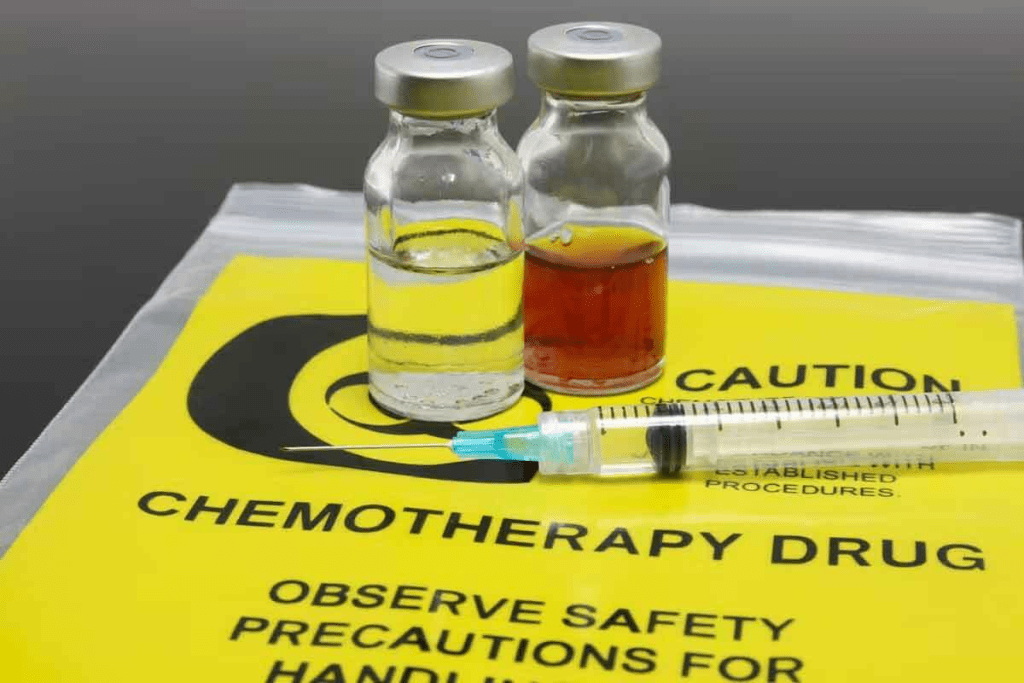
At Liv Hospital, we know that choosing cancer treatment options can feel tough. Chemotherapy is a key part of fighting cancer. Knowing about the different chemotherapy drugs is important for making good choices.
Chemotherapy drugs are sorted into six main groups. These groups are based on how they work and their chemical makeup. We’ll look at these groups and give examples, helping to understand their role in cancer treatment.
Key Takeaways
- Chemotherapy is a vital component of cancer treatment.
- There are six main categories of chemotherapy drugs.
- Understanding these categories can help patients make informed decisions.
- Chemotherapy drugs are classified based on their mechanism of action and chemical structure.
- Liv Hospital offers advanced, patient-focused cancer care.
What You Need to Know About Chemotherapy Treatment

Chemotherapy is a key part of fighting cancer. It kills cancer cells or stops them from growing. This treatment can be used alone or with surgery and radiation therapy.
The Basic Principles of Cancer Treatment
Cancer treatment involves many therapies. Chemotherapy is a big part of this, treating the disease in many parts of the body. The goal of chemotherapy depends on the cancer type, stage, and the patient’s health.
We use chemotherapy to cure, control, or ease symptoms of cancer. Sometimes, it makes tumors smaller before surgery or radiation. This makes these treatments more effective.
How Chemotherapy Targets Cancer Cells
Chemotherapy drugs target fast-growing cells, like most cancer cells. They are classified by how they work and their chemical structure. Knowing how these drugs work helps us understand their role in cancer treatment.
Chemotherapy drugs fall into categories like alkylating agents and plant alkaloids. Each targets cancer cells differently. This gives us many options for treating various cancers.
Using different chemotherapy drugs, we can make treatment plans that fit each patient. This personalized approach is key in fighting cancer, as no two cases are the same.
Understanding the Different Types of Chemotherapy and Their Mechanisms

Chemotherapy is a complex treatment that uses various drugs to fight cancer. Each drug targets cancer cells in different ways. We will look at how these drugs work, how they are given, and their classification based on their structure and function.
How Chemotherapy Drugs Attack Cancer Cells
Chemotherapy drugs target cells that grow fast, like most cancer cells. They use several methods to do this. Some drugs damage DNA, while others stop DNA from being made or cell division.
For example, some drugs directly harm cancer cells’ DNA, stopping them from copying. Others block the making of new DNA, preventing cells from dividing.
Systemic vs. Regional Administration Methods
Chemotherapy can be given in two main ways: systemic and regional. Systemic chemotherapy goes through the blood to reach cancer cells all over the body. It can be given through the veins or taken by mouth.
Regional chemotherapy, on the other hand, targets the area where cancer is found. This can be done by injecting the drug directly into an artery or into the space around organs.
Classification Based on Chemical Structure and Function
Chemotherapy drugs are grouped based on their chemical makeup and how they work. It lists the main types and their unique ways of fighting cancer.
Alkylating Agents: The DNA Disruptors
Alkylating agents attach alkyl groups to DNA, making them key in fighting cancer. They are a type of chemotherapy drug. They play a big role in treating many cancers.
Mechanism of Action in Cancer Cells
These agents add alkyl groups to cancer cells’ DNA. This damages the DNA and stops cancer cells from growing. It leads to cell death, slowing down cancer growth.
The key steps in their mechanism of action include:
- Alkylation of DNA, leading to cross-linking of DNA strands
- Abnormal base pairing, which disrupts DNA replication
- DNA strand breaks, causing cell cycle arrest and apoptosis
Common Examples: Cyclophosphamide, Cisplatin, and Carboplatin
Cyclophosphamide, cisplatin, and carboplatin are well-known alkylating agents. They are used in many chemotherapy plans to fight cancer.
Cyclophosphamide helps with lymphomas, leukemias, and some solid tumors. Cisplatin and carboplatin work well on ovarian, testicular, lung, and bladder cancers.
Cancer Types Most Responsive to Alkylating Agents
Alkylating agents are good against many cancers, including:
- Lymphomas and leukemias
- Ovarian and testicular cancers
- Lung and bladder cancers
- Certain brain tumors
They are often mixed with other drugs to work better. The right agent depends on the cancer type, stage, and the patient’s health.
Antimetabolites: Cellular Nutrient Imposters
Antimetabolites are key in chemotherapy. They act like DNA and RNA building blocks, stopping cancer cells from dividing. These drugs target fast-growing cancer cells by messing with their normal functions.
How Antimetabolites Interfere with DNA and RNA Synthesis
Antimetabolites replace the real building blocks of DNA or RNA. This stops cancer cells from making these important molecules. They can look like nucleotides, confusing enzymes that make DNA and RNA.
This confusion stops cancer cells from growing and leads to their death. It’s a powerful way to fight cancers that grow fast.
Common Examples: Methotrexate, 5-Fluorouracil, and Gemcitabine
Many antimetabolites are used in chemotherapy. Methotrexate fights leukemia and lymphoma by blocking DNA synthesis. 5-Fluorouracil (5-FU) is great for colorectal cancer, stopping DNA replication. Gemcitabine targets pancreatic, lung, and breast cancers by killing cells.
Effectiveness in Treating Various Cancers
Antimetabolites are good at fighting many cancers because they target fast-growing cells. Their success depends on the cancer type, its stage, and the drug used. For instance, methotrexate works well on some leukemias, while 5-fluorouracil is often used for colorectal cancer. Gemcitabine is effective against pancreatic cancer, which is often diagnosed late.
Antimetabolites are vital in cancer treatment. Knowing how they work and their uses helps doctors create better treatment plans. This can lead to better results for patients.
Plant Alkaloids: Natural Derivatives That Combat Cancer
Plant alkaloids are key in fighting cancer. They are natural and strong. These compounds come from plants and stop cancer cells from dividing.
Origins and Development from Plant Sources
Plant alkaloids are found in some plants. We use them to make cancer treatments. We get these compounds from plants and make them safer and more effective.
Turning plant alkaloids into cancer treatments shows the power of nature in medicine. We learn how they work on cancer cells. This helps us make treatments that are less harmful to healthy cells.
Common Examples: Vincristine, Vinblastine, and Paclitaxel
Vincristine, vinblastine, and paclitaxel are used in chemotherapy. Vincristine and vinblastine come from the Catharanthus roseus plant. They treat leukemia and lymphoma.
Paclitaxel is from the Taxus brevifolia tree. It treats ovarian, breast, and lung cancers. These drugs stop cancer cells from dividing or kill them.
Specific Cancer Treatment Applications
Plant alkaloids help treat many cancers. For example, vincristine is used for childhood leukemia. Paclitaxel helps with ovarian and breast cancers.
Plant alkaloids are very useful in cancer treatment. We keep finding new ways to use them. This helps patients get better.
Antitumor Antibiotics: Powerful Types of Chemotherapy From Microorganisms
Antitumor antibiotics are key in cancer treatment. They come from microorganisms and stop cancer cells from growing. These drugs bind to DNA, making it hard for cancer cells to divide.
Distinguishing Features from Traditional Antibiotics
Antitumor antibiotics fight cancer, not bacterial infections. They are made by Streptomyces and help treat many cancers.
These drugs work by messing with DNA. They either get in between DNA base pairs or create free radicals. This stops cancer cells from copying themselves, leading to their death.
Common Examples: Doxorubicin, Bleomycin, and Mitomycin
Some well-known antitumor antibiotics include Doxorubicin, Bleomycin, and Mitomycin. Doxorubicin treats breast cancer, lymphoma, and leukemia. Bleomycin is used for testicular, ovarian, and Hodgkin’s lymphoma. Mitomycin helps with stomach and pancreatic cancer.
- Doxorubicin: Effective against breast cancer, lymphoma, and leukemia
- Bleomycin: Used for testicular cancer, ovarian cancer, and Hodgkin’s lymphoma
- Mitomycin: Treats stomach cancer and pancreatic cancer
Treatment Efficacy and Considerations
Antitumor antibiotics are effective against cancer. But they can cause side effects. Doxorubicin can harm the heart, and bleomycin can affect the lungs.
Doctors carefully choose these drugs based on the patient’s health and cancer type. Using them with other treatments can make the treatment better and fight resistance.
Topoisomerase Inhibitors: Targeting DNA Repair Mechanisms
Topoisomerase inhibitors are key in modern chemotherapy. They stop the enzymes cancer cells use to fix their DNA. This makes these drugs essential in treating many cancers by blocking DNA repair.
The Critical Role of Topoisomerase Enzymes
Topoisomerase enzymes are vital for DNA replication and repair. They help unwind the DNA double helix, letting the replication machinery work. Cancer cells use this to grow fast. By stopping these enzymes, the drugs prevent cancer cells from fixing and copying their DNA.
Common Examples: Etoposide, Irinotecan, and Topotecan
Etoposide is used for testicular cancer, lung cancer, and lymphomas. Irinotecan treats colorectal cancer. Topotecan is for ovarian cancer and small-cell lung cancer. These drugs come in oral and intravenous forms, based on the cancer type and patient needs.
Cancer Types Most Responsive to These Inhibitors
Topoisomerase inhibitors work well on many cancers. Ovarian cancer and small-cell lung cancer respond well to topotecan. Irinotecan is good for colorectal cancer, often with other drugs. Etoposide is key in treating testicular cancer and some lymphomas.
Understanding how topoisomerase inhibitors work helps us see the complexity of chemotherapy. It shows the value of targeted therapies in fighting cancer.
Nitrosoureas: Specialized Drugs for Difficult-to-Reach Cancers
Nitrosoureas are key in fighting aggressive cancers. They are special because they can get into the brain. This helps treat brain cancers and other tumors in the central nervous system.
Unique Properties and Blood-Brain Barrier Penetration
Nitrosoureas can get past the blood-brain barrier because they are lipophilic. This is important for treating brain and central nervous system cancers. These areas are hard to reach with regular chemotherapy.
Key Features of Nitrosoureas:
- Lipophilicity allows for blood-brain barrier penetration
- Alkylating mechanism of action
- Effective against certain brain and central nervous system cancers
Common Examples: Carmustine and Lomustine
Carmustine and lomustine are well-known nitrosoureas. Carmustine is used for brain tumors like glioblastoma multiforme. Lomustine is used for brain tumors and Hodgkin’s lymphoma.
| Drug Name | Primary Uses | Notable Characteristics |
| Carmustine | Brain tumors, glioblastoma multiforme | Highly lipophilic, crosses the blood-brain barrier |
| Lomustine | Brain tumors, Hodgkin’s lymphoma | Oral administration, alkylating agent |
Brain Cancer Treatment and Other Applications
Nitrosoureas are effective against brain cancers because they can get into the brain. They are also used for lymphomas and some solid tumors.
Nitrosoureas are vital in fighting cancers that are hard to reach. Their special properties make them important in many chemotherapy plans.
Selecting the Right Chemotherapy: How Doctors Choose Treatment Protocols
Choosing the right chemotherapy is a complex task. We, as oncologists, look at many factors to tailor treatment to each patient. This ensures the treatment fits their unique needs.
Cell Cycle Specificity and Drug Selection
Chemotherapy drugs work differently based on the cell cycle. Some drugs are more effective in certain phases of the cell cycle. For example, antimetabolites like 5-fluorouracil work best during the S phase, when DNA is being made.
Knowing how drugs interact with the cell cycle helps us pick the best drugs for each cancer type. Tumors that grow fast may do better with drugs that target the cell cycle.
Combination Therapy Approaches
Using one chemotherapy drug might not be as good as using a mix of drugs. Combination therapy combines drugs with different ways of working to better fight cancer cells.
For example, mixing an alkylating agent like cyclophosphamide with an anthracycline like doxorubicin can be more effective. This method also helps fight drug resistance.
Personalized Medicine in Chemotherapy
Genetic and molecular profiling have led to personalized chemotherapy. By studying a tumor’s genetics, we can find specific mutations or biomarkers. These predict how well a patient will respond to certain drugs.
For example, patients with HER2-positive breast cancer might get targeted therapies like trastuzumab. This approach makes treatment more effective and reduces side effects.
As oncology advances, personalized medicine will play a bigger role. This will bring new hope to patients all over the world.
Conclusion: Advances and Future Directions in Chemotherapy Treatment
Chemotherapy is a key part of cancer treatment. It uses different drugs to target cancer cells. We’ve looked at the main types of chemotherapy drugs and how they work.
The field of chemotherapy is always growing.
Advances in chemotherapy research are making treatments better and more focused. Research is working on better drug delivery and reducing side effects. This will help improve how well treatments work.
Personalized medicine and combining treatments are big parts of the future.
These changes will shape how we treat cancer.
We’re dedicated to using these advances for better cancer care.
By keeping up with the latest in chemotherapy, we want to help those with cancer.
FAQ
What are the main categories of chemotherapy drugs?
Chemotherapy drugs are divided into six main categories. These are alkylating agents, antimetabolites, plant alkaloids, antitumor antibiotics, topoisomerase inhibitors, and nitrosoureas. Each type works differently to fight cancer cells.
How do chemotherapy drugs target cancer cells?
Chemotherapy drugs target cancer cells by stopping them from growing and dividing. They do this by damaging DNA or disrupting cell division. Different drugs use different ways to achieve this.
What are some common examples of alkylating agents?
Alkylating agents include cyclophosphamide, cisplatin, and carboplatin. These drugs treat various cancers like ovarian, testicular, and lung cancers.
How do antimetabolites work in cancer treatment?
Antimetabolites stop cancer cells from making DNA and RNA. This prevents them from copying themselves. Drugs like methotrexate, 5-fluorouracil, and gemcitabine treat leukemia, breast cancer, and pancreatic cancer.
What are plant alkaloids, and how are they used in chemotherapy?
Plant alkaloids come from plants and are used in chemotherapy. Vincristine, vinblastine, and paclitaxel are examples. They treat cancers like lymphoma, leukemia, and ovarian cancer.
How do topoisomerase inhibitors work?
Topoisomerase inhibitors block enzymes needed for DNA repair. This stops cancer cells from fixing their DNA. Drugs like etoposide, irinotecan, and topotecan treat lung, ovarian, and testicular cancer.
What makes nitrosoureas unique in chemotherapy?
Nitrosoureas can cross the blood-brain barrier. This makes them effective against brain cancers. Carmustine and lomustine are examples.
How are chemotherapy regimens selected for individual patients?
Chemotherapy regimens are chosen based on several factors. These include the cancer type and stage, the patient’s health, and the cancer cells’ characteristics. Doctors also consider combination therapy and personalized medicine to tailor treatments.
What is the role of combination therapy in chemotherapy?
Combination therapy uses multiple drugs together. This approach targets cancer cells more effectively. It helps overcome drug resistance and improves treatment results.
How is personalized medicine applied in chemotherapy?
Personalized medicine in chemotherapy tailors treatments to each patient’s cancer. This may include genetic testing to find specific mutations. Then, drugs are chosen that are most likely to work against those mutations.
References
- Amjad, M.T., Zulfiqar, M., Imran, M., et al. (2023). Cancer Chemotherapy – StatPearls. StatPearls Publishing. https://www.ncbi.nlm.nih.gov/books/NBK564367/