Last Updated on November 4, 2025 by mcelik
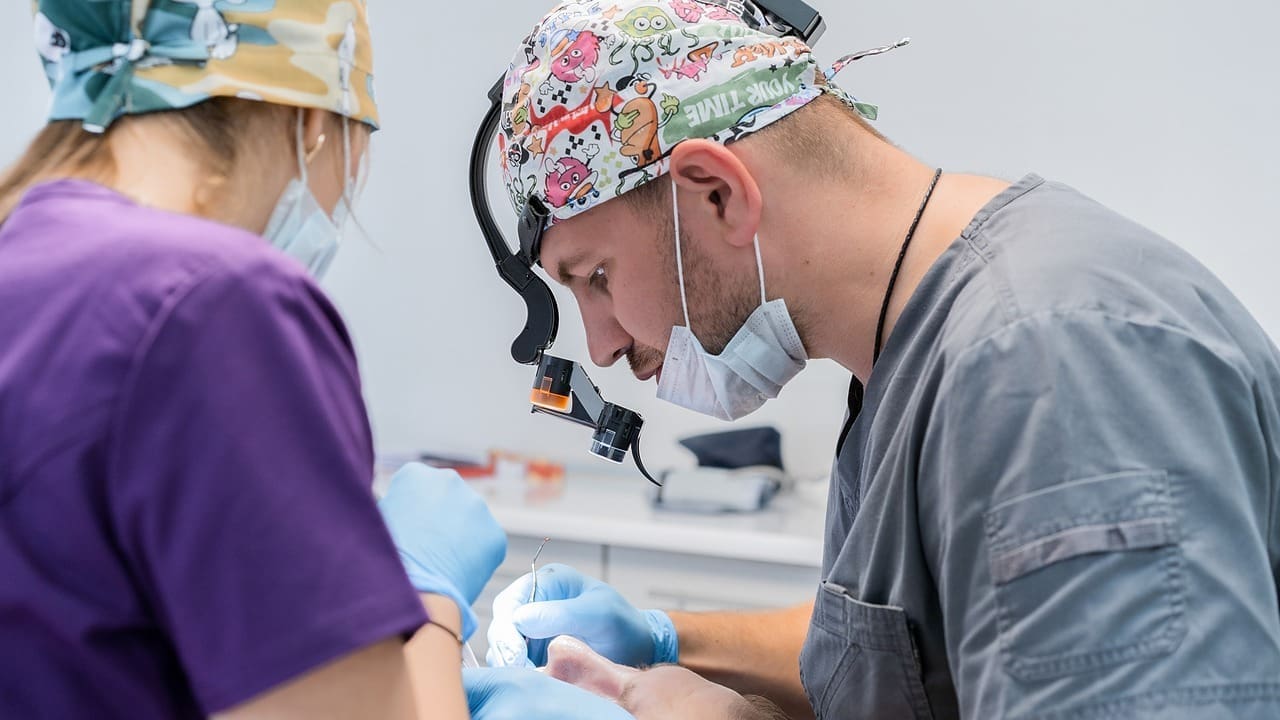
Did you know that joint dislocations affect millions of people worldwide each year? They cause a lot of pain and can lead to long-term problems. A dislocation happens when the bones in a joint move out of place. This can lead to injury and serious complications.Discover the main types of dislocations, their symptoms, and how each joint injury is treated effectively.
We will look at the different types of dislocation injuries. This will help us understand how complex these injuries can be. Knowing the joint dislocation categories is key for proper diagnosis and treatment.
Exploring dislocations shows us there are many things to think about when dealing with these injuries. Our aim is to give a detailed overview. We want to help readers understand more about dislocations.
Key Takeaways
- Dislocations are a common injury that can have significant consequences.
- Understanding the different types of dislocations is key for effective treatment.
- Joint dislocation categories are vital for diagnosis and care.
- Dislocation injuries can be complex and need thorough care.
- Knowing about dislocations helps both patients and healthcare providers.
Understanding Joint Dislocations

A joint dislocation happens when bones in a joint move out of place. This can cause long-term damage if not treated right. It can really hurt your ability to move and enjoy life. We’ll look at what it is, the parts involved, and how it happens.
Definition and Basic Anatomy
Joint dislocations mean the bones in a joint get out of their usual spot. A joint has bones, ligaments, tendons, and cartilage. These work together to keep the joint stable and let it move.
When a dislocation happens, these parts can get stretched or torn. This leads to instability and a lot of pain.
The joints most often affected are the shoulder, hip, knee, elbow, and ankle. Each has its own special features that affect the type and how bad the injury is.
How Dislocations Occur
Dislocations can happen from many things, like accidents, sports injuries, or falls. The force needed to dislocate a joint can change based on the joint’s stability and the person’s health. For example, a shoulder dislocation might happen from falling onto an outstretched hand. A hip dislocation could come from a big crash, like in a car accident.
| Causes of Dislocations | Description | Common Joints Affected |
| Trauma | High-energy impact, such as from a car accident or a fall from a height. | Hip, knee, ankle |
| Sports Injuries | Injuries sustained during sports activities, often due to direct blows or falls. | Shoulder, elbow, knee |
| Falls | Falling onto an outstretched hand or directly onto a joint. | Shoulder, wrist, ankle |
Knowing why joint dislocations happen is key to preventing and treating them. The healing process includes fixing the dislocation and then a rehab program. This helps get the joint stable and working right again.
The Main Types of Dislocations
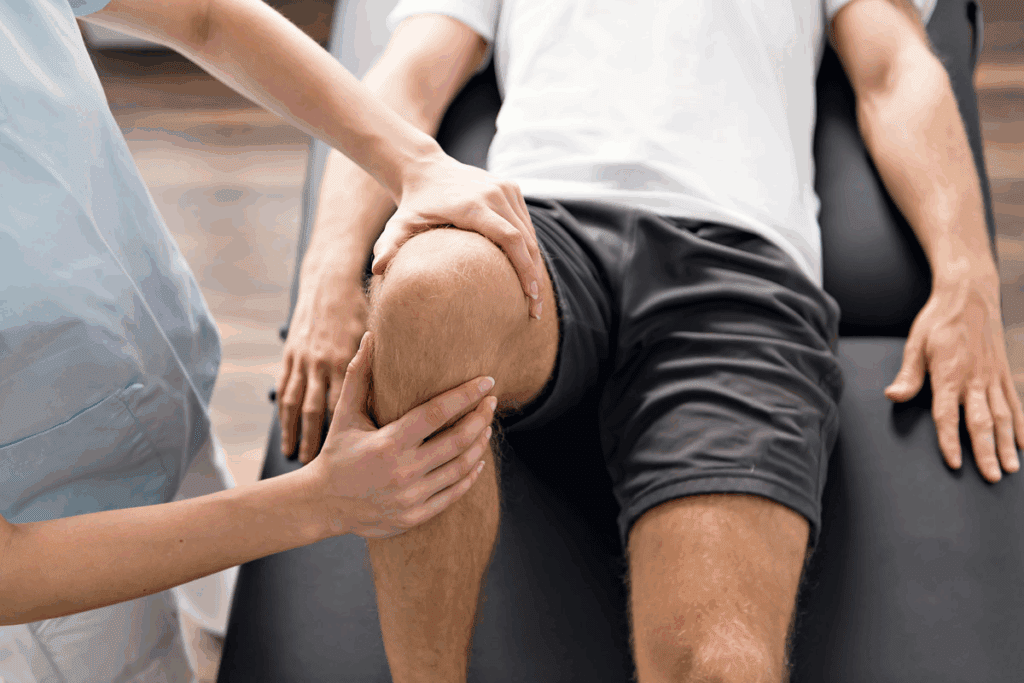
Dislocations are divided into two main types: anterior and posterior. Knowing these types helps doctors diagnose and treat dislocations better.
Anterior Dislocations
Anterior dislocations happen when a bone moves anteriorly, or in front of, the joint. This is common in shoulders and hips. For example, anterior shoulder dislocations often come from falling onto an outstretched hand or a direct hit from behind.
Symptoms include severe pain, visible deformity, and joint stiffness. Treatment usually starts with reduction to put the bone back in place. Then, the joint is immobilized to heal.
Posterior Dislocations
Posterior dislocations mean the bone moves posteriorly, or to the back of, the joint. This is less common than anterior dislocations but can happen in joints like the hip and shoulder. They often result from high-energy trauma, like a car crash.
To diagnose posterior dislocations, doctors do a detailed check and might use imaging. Treatment also starts with reduction. Sometimes, surgery is needed to keep the joint stable.
Both anterior and posterior dislocations need quick medical care to avoid problems and ensure healing. The treatment choice depends on the dislocation’s severity, the patient’s health, and the joint involved.
Complete vs. Incomplete Dislocations
Knowing the difference between complete and incomplete dislocations is key for correct diagnosis and treatment. Dislocations mean a joint is out of place. The extent of this can greatly affect the injury’s severity and treatment.
Complete Dislocations Explained
A complete dislocation means the joint is fully out of place. The bones that make up the joint are no longer touching. This is very painful and usually needs quick medical help to fix.
Complete dislocations can happen in many joints, like shoulders, hips, and knees. Treatment often involves putting the bones back in place through a procedure called reduction.
The seriousness of a complete dislocation depends on the joint and the person’s health. For example, shoulder dislocation is common and might be fixed without surgery. But, some cases need surgery, like if there are fractures or big soft tissue damage.
Subluxation: Partial Dislocations
A subluxation is when a joint is only partially out of place. The bones are almost touching, but not quite right. Subluxations can hurt a lot and might need a doctor’s check-up to figure out how to treat them.
Subluxations often come from ligament injuries. The ligaments around the joint might be stretched or torn, causing instability. Treatment can include rest, physical therapy, and sometimes surgery to fix the ligaments.
It’s important to tell the difference between complete dislocations and subluxations because their treatments are different. Both need quick medical help, but how to manage them depends on the severity and the joint involved.
Acute vs. Chronic Dislocations
It’s important to know the difference between acute and chronic dislocations. This helps in treating and managing them effectively. Dislocations can happen suddenly or over time, each with its own challenges.
Acute Dislocation Characteristics
An acute dislocation happens suddenly, usually from an injury. It’s marked by immediate loss of joint function. These injuries are very painful and may show swelling, bruising, or deformity.
They need quick medical help to fix the joint and avoid more harm.
The main signs of acute dislocations are:
- They start right away
- They hurt a lot
- They might look deformed
- They make it hard to move the joint
To treat acute dislocations, doctors first fix the joint. Then, they immobilize it and help it get strong again. The aim is to get the joint working right and stop chronic instability.
Chronic and Recurrent Dislocations
Chronic dislocations happen over time or because of repeated instability. They can cause lasting damage and symptoms. Treating them needs a careful plan to stabilize the joint and fix any instability issues.
Recurrent dislocations happen when a joint keeps dislocating. This is often because of past injuries or how the joint is built. To manage them, doctors might use therapy, braces, or surgery to strengthen the joint and stop future dislocations.
Knowing if a dislocation is acute or chronic is key to the right treatment. Healthcare providers can then focus on what the patient needs most. This improves results and lowers the chance of long-term problems.
Shoulder Dislocation Types
It’s important to know about the different shoulder dislocations to treat and recover well. The shoulder is very mobile, making it prone to various dislocations. Each type has its own treatment.
Anterior Shoulder Dislocations
Anterior dislocations happen when the humerus moves in front of the glenoid. This is the most common type. It often occurs from falling onto an outstretched hand or direct shoulder trauma. Anterior dislocations can also cause Bankart lesions, where the labrum tears from the glenoid rim.
“Most shoulder dislocations are anterior,” say orthopedic specialists. “Knowing the causes and complications helps manage these injuries better,” they add.
Posterior Shoulder Dislocations
Posterior dislocations happen when the humerus moves behind the glenoid. This type is less common but can be very disabling. They often result from seizures, electric shock, or direct shoulder force. Posterior dislocations can be hard to diagnose and might need special imaging.
Inferior and Superior Dislocations
Inferior and superior dislocations are less common but serious. Inferior dislocations, or luxatio erecta, are rare and involve the humerus moving downward. Superior dislocations are often from severe trauma and can harm the soft tissues around the shoulder.
- Inferior dislocations can lead to neurovascular injuries.
- Superior dislocations can cause a lot of harm if not treated quickly.
Knowing about these shoulder dislocation types helps doctors create better treatment plans. This improves outcomes and lowers the chance of complications.
Hip Dislocation Categories
It’s important to know about hip dislocation types for proper treatment. These dislocations happen when the femoral head moves out of place relative to the acetabulum.
Anterior Hip Dislocations
Anterior hip dislocations happen when the femoral head moves forward. This is less common than posterior dislocations. It often results from car accidents or falls.
Anterior dislocations can lead to serious complications, like nerve damage and blood vessel problems.
To treat anterior hip dislocations, doctors need to quickly put the femoral head back in place. Early action is key to avoid long-term harm. After, patients go through a recovery period to regain strength and mobility.
Posterior Hip Dislocations
Posterior hip dislocations are more common and happen when the femoral head moves backward. This usually occurs from a big trauma, like a car crash. Posterior dislocations can cause nerve damage, leading to serious issues.
Doctors must quickly fix posterior hip dislocations to prevent nerve and blood vessel problems. Quick treatment helps a lot. After fixing, patients need to be checked for other injuries, then immobilized and rehabilitated to avoid future problems.
In summary, knowing about hip dislocation types is vital for doctors to give the right care. By understanding each type’s characteristics and risks, we can better help patients.
Knee Dislocation Classifications
It’s important to know about knee dislocation types for proper treatment. These injuries can really affect how you move and live your life.
We divide knee dislocations into two main types: patellar and tibiofemoral. Each has its own reasons, signs, and ways to treat it.
Patellar Dislocations
Patellar dislocations happen when the kneecap moves out of place. This is more common in young, active people, often during sports.
Things like direct hits to the knee or sudden stops can cause these dislocations. Symptoms include a lot of pain, swelling, and trouble bending the knee.
Treatment for patellar dislocations usually starts with putting the kneecap back in place. Sometimes, surgery is needed to fix damaged tissues or align the kneecap right.
Tibiofemoral Dislocations
Tibiofemoral dislocations happen when the shin bone moves out of place compared to the thigh bone. This is less common but can be more serious because it might hurt nerves and blood vessels.
High-energy accidents or certain sports injuries often cause tibiofemoral dislocations. Symptoms include a lot of pain, swelling, and a wobbly knee.
Treating tibiofemoral dislocations means first checking for other injuries. Then, putting the bones back in place and keeping them stable while they heal. Sometimes, surgery is needed to fix damaged parts or keep the joint stable.
Both patellar and tibiofemoral dislocations need quick medical help to avoid lasting problems and to get the knee working again.
Elbow and Wrist Dislocation Types
The elbow and wrist can suffer from different dislocations. These can happen from injuries, sports accidents, or falls. Knowing about these dislocations helps in managing and recovering from them.
Common Elbow Dislocations
Elbow dislocations are categorized by the direction of the dislocation. The most common types are:
- Posterior Dislocations: These happen when the ulna moves backward compared to the humerus. They often result from falling on an outstretched hand.
- Anterior Dislocations: These are less common. They occur when the ulna moves forward, usually from a direct hit to the back of a flexed elbow.
- Medial and Lateral Dislocations: These involve the ulna moving in the medial or lateral direction. They are often linked with fractures.
Wrist Dislocation Varieties
Wrist dislocations can be complex and involve different bones. The main types are:
- Perilunate Dislocations: These happen when the lunate bone moves out of place relative to the other carpal bones. They often result from falling on an outstretched hand.
- Lunate Dislocations: These are when the lunate bone is displaced, usually downward. They can cause median nerve compression.
- Scapholunate Dissociation: This isn’t a true dislocation but a ligament issue between the scaphoid and lunate bones. It leads to instability.
Treatment for elbow and wrist dislocations depends on the type and severity. Common treatments include reduction, immobilization, and rehabilitation. Sometimes, surgery is needed to fix damaged ligaments or tendons.
Ankle and Foot Dislocation Varieties
It’s important to know about the different ankle and foot dislocations. These injuries can really affect how you move and feel. We’ll look at the types, why they happen, what symptoms to watch for, and how to treat them.
Ankle Joint Dislocations
Ankle joint dislocations are common in the lower body. They often happen from big injuries like sports accidents or car crashes. Ankle dislocation types include medial, lateral, and posterior, each with its own signs.
Symptoms include a lot of pain, swelling, and feeling unstable. Seeing a doctor right away is key. They can fix the dislocation and check for other injuries. Early treatment helps avoid serious problems like nerve damage.
Foot and Toe Dislocations
Foot and toe dislocations can happen from many causes, like direct hits or twisting. Foot dislocation can affect the midfoot, hindfoot, or forefoot. The midfoot is more likely to dislocate because of its complex structure.
Toe dislocations are less common but can hurt a lot. They usually happen when you stub or jam your toe. Treatment for toe dislocations usually means fixing the toe and then keeping it stable while it heals.
Important things to remember about foot and toe dislocations include:
- Fixing the dislocation quickly to ease pain and prevent more harm
- Keeping the area stable to help it heal
- Rehab to get strength and movement back
A medical expert says, “Quick and right treatment of foot and toe dislocations is key to getting better and avoiding long-term issues.”
“Handling ankle and foot dislocations needs a full plan, including correct diagnosis, fixing the dislocation, and good rehab.”
If you think you have an ankle or foot dislocation, get medical help fast. Quick action can make a big difference in how well you recover and avoid lasting damage.
Spinal Dislocation Types and Severity
It’s important to know about the different spinal dislocations to treat them well. These dislocations happen when vertebrae move out of place. They can affect the neck, chest, and lower back.
Cervical Spine Dislocations
Cervical spine dislocations are very serious because of the neck’s importance. They can happen from car accidents or falls. Symptoms include severe neck pain, numbness in the arms, and breathing problems.
Treatment options for these dislocations include wearing a cervical collar. Then, the vertebrae are carefully put back in place. Sometimes, surgery is needed to keep the spine stable.
Thoracic and Lumbar Dislocations
Thoracic and lumbar dislocations are less common but serious. They can happen from car crashes or falls. Symptoms include pain, deformity, and nerve problems.
Diagnostic imaging like X-rays and MRI helps figure out how bad the dislocation is. This guides how to treat it.
Treatment may include reduction techniques to fix the vertebrae. Then, the spine is immobilized and the patient goes through rehab. In serious cases, surgery is needed to support recovery.
Diagnosis of Different Dislocation Types
Diagnosing dislocations requires a mix of clinical checks and imaging methods. Getting the diagnosis right is key to picking the right treatment. This ensures the best results for patients.
Clinical Evaluation
The first step in diagnosing dislocations is a clinical check. This includes a detailed medical history and physical exam. Doctors look for signs like deformity, swelling, and joint stiffness during the exam. They also consider the patient’s symptoms and how the injury happened.
Key components of clinical evaluation include:
- Patient history to understand the mechanism of injury and symptoms
- Physical examination to assess deformity, swelling, and joint mobility
- Assessment of neurovascular status to check for any nerve or blood vessel damage
Imaging Techniques
Imaging is vital to confirm dislocation diagnosis and check for other injuries. X-rays, CT scans, and MRI are the main imaging tools used.
X-rays are often the first choice for imaging dislocations. They quickly show the joint’s condition. CT scans provide detailed images, useful in complex cases or suspected fractures. MRI is best for soft tissue injuries like ligament sprains or tendon ruptures, which can happen with dislocations.
Differential Diagnosis from Fractures
Telling apart dislocations and fractures is important because their treatments are different. Both can come from trauma and share similar symptoms. But their management plans are not the same.
Key differences between dislocations and fractures include:
- The nature of the injury: Dislocations involve joint bone displacement, while fractures are bone breaks.
- Symptoms: Both can cause pain and swelling, but dislocations often show a clear deformity.
- Imaging findings: X-rays, CT scans, and MRI can tell apart the two by showing bone breaks or joint dislocation.
Getting the diagnosis right through clinical checks and imaging is critical. It ensures proper management and avoids complications.
Treatment Approaches for Various Dislocations
Treating dislocations depends on the type and how severe it is. Knowing the different types and their treatment needs is key.
Reduction Methods
Reduction is a first step in treating many dislocations. Closed reduction means moving the joint back into place without surgery. It’s often used for recent dislocations and can be done under sedation to reduce pain.
Open reduction is a surgery when closed reduction doesn’t work. It involves making an incision to fix the joint. This method is for more serious dislocations.
Immobilization Techniques
After fixing the joint, keeping it stable is important. Casts, splints, or slings are used for this. The choice depends on the dislocation’s location and the patient’s health.
For example, a sling is often used for shoulder dislocations. But, a cast or brace might be needed for joints like the ankle or knee.
“Immobilization is a critical component of the healing process, as it helps prevent further injury and promotes stability.” – An Orthopedic Specialist
Surgical Interventions
Surgery is needed for some dislocations, like those that keep happening or are very complex. Arthroscopic surgery is a small incision method for looking at and treating the joint.
In some cases, open surgery is needed to fix damaged parts around the joint. Surgery aims to make the joint stable again, fix damaged tissues, and stop future dislocations.
Every patient is different, and the best treatment depends on many factors. These include the dislocation’s type and severity, the patient’s health, and their personal needs and wishes.
Rehabilitation Process by Dislocation Type
Knowing how to recover from different dislocations is key. The recovery path changes based on the dislocation’s type and how severe it is. It also depends on the person’s health.
Early Rehabilitation Phase
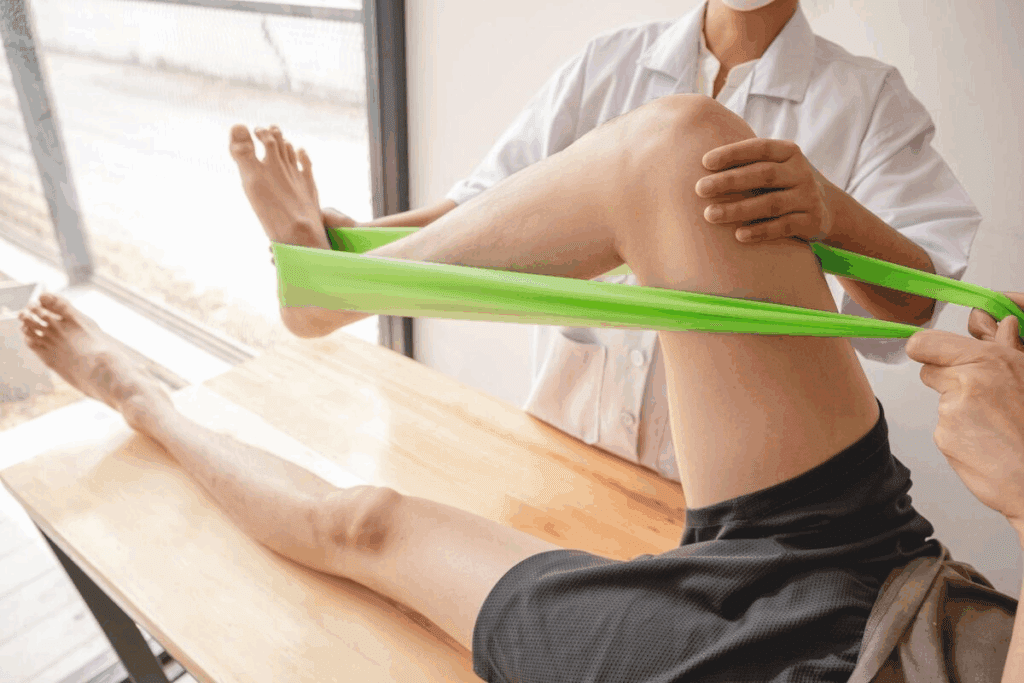
The early stage aims to lessen pain and swelling, and to get the joint moving again. Effective pain management is vital to keep the patient comfortable and on track with their recovery. We often suggest using RICE (rest, ice, compression, elevation) to control pain and swelling.
Along with RICE, gentle exercises are started to keep the joint flexible and prevent stiffness. A physical therapist guides these exercises, making sure they fit the patient’s needs and progress.
Advanced Rehabilitation and Return to Activity
In the advanced stage, the goal is to boost strength and improve muscle control. Resistance training and proprioceptive exercises are key here. They help stabilize the joint and get the patient ready to start activities again.
This stage also includes functional training that mirrors daily activities or sports. It’s essential for safely and effectively returning to normal life or sports.
Throughout the recovery, we stress the importance of patient education and following the rehabilitation plan. By understanding their role and sticking to the plan, patients can get the best results.
Prevention Strategies for Common Types of Dislocations
To prevent dislocations, a mix of sport-specific techniques and general exercises is key. Understanding how dislocations happen and using the right prevention methods can lower injury risk a lot.
Sport-Specific Prevention Techniques
Each sport has its own risks and needs. For example, sports like football and rugby can lead to shoulder and knee dislocations. Sport-specific prevention techniques focus on strengthening the muscles around joints most at risk in that sport.
For sports that involve overhead movements, like volleyball or baseball, exercises that strengthen the shoulder are helpful. Proper training and conditioning can greatly lower dislocation risk.
General Joint Stability Exercises
Along with sport-specific training, general joint stability exercises are vital. These exercises strengthen the muscles around the joint, improve flexibility, and boost proprioception (the sense of body position and movement).
- Exercises like planks and bridges strengthen core and hip muscles, key for stability.
- Resistance band exercises boost strength and stability in shoulders and knees.
- Yoga and Pilates improve flexibility and proprioception, lowering dislocation risk.
Adding these dislocation prevention techniques to your routine can enhance joint stability. This can help reduce the chance of dislocation.
Conclusion
Knowing about different dislocations is key for good treatment and prevention. We’ve looked at many types of dislocations, including their causes, signs, and how to treat them. Each type needs a special approach, from simple fixes to surgery.
How we treat dislocations depends on how bad they are and where they happen. Knowing this helps doctors give better care, leading to better results. Also, preventing dislocations is important, with special exercises for sports and keeping joints stable.
Understanding dislocations, treatments, and prevention helps keep joints healthy. This reduces the chance of dislocations and boosts overall health. Always see a doctor for the right care and treatment, for the best results.
FAQ
What is a dislocation?
A dislocation is when a joint is forced out of its normal spot. This makes the bones not line up right.
What are the main types of dislocations?
There are several types of dislocations. These include anterior, posterior, and others like shoulder, hip, knee, and wrist dislocations.
What is the difference between a complete and incomplete dislocation?
A complete dislocation means the joint is fully out of place. An incomplete dislocation, or subluxation, is when it’s only partially out.
How are dislocations diagnosed?
Doctors use a few ways to diagnose dislocations. They look at the patient’s history and do tests like X-rays and MRI scans.
What are the treatment options for dislocations?
Treatment for dislocations can include putting the joint back in place and using casts. Sometimes, surgery is needed to fix damaged tissues.
Can dislocations be prevented?
Yes, you can prevent dislocations. Doing exercises that strengthen your muscles and improve joint stability helps a lot.
What is the rehabilitation process for dislocations?
The rehab process starts with managing pain and healing. Then, it moves to exercises that help regain strength and flexibility.
What are the common complications of dislocations?
Dislocations can lead to problems like joint instability and nerve damage. They can also cause arthritis.
How long does it take to recover from a dislocation?
Recovery time varies. It depends on the injury’s severity and the joint involved. It can take weeks to months to heal.
Can dislocations occur in multiple joints?
Yes, dislocations can happen in more than one joint. Some people might be more likely to get them due to their genes or past injuries.
Are there any specific exercises to prevent shoulder dislocations?
Yes, doing exercises that strengthen the rotator cuff muscles can help prevent shoulder dislocations.
What is the difference between a dislocation and a fracture?
A dislocation is when a joint is out of place. A fracture is when a bone is broken. Both can happen together.
Can a dislocated joint heal on its own?
Sometimes, a dislocated joint can heal with rest and physical therapy. But, it’s important to get a doctor’s advice on the best treatment.
Are there any long-term effects of dislocations?
Yes, dislocations can cause long-term issues like chronic pain and joint instability. They can also increase the risk of arthritis or more dislocations.
Reference:
Kim, A. M. (2023, May 1). Anterior glenohumeral joint dislocation. StatPearls. Retrieved from https://www.ncbi.nlm.nih.gov/books/NBK557862