Last Updated on November 25, 2025 by Ugurkan Demir
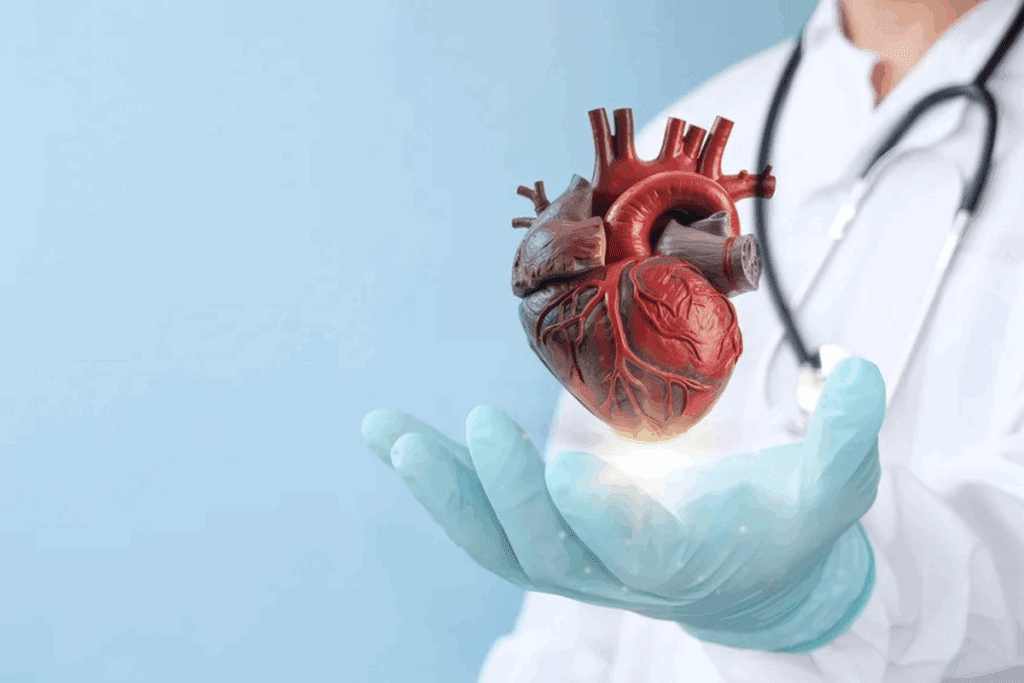
Assessing heart health is key, and we use reliable tools for it. Cardiac stress tests check how the heart does under stress or when we’re active. They help doctors see if the heart works well when we’re more active.
At top hospitals like Liv Hospital, they use many cardiac stress tests. These tests help doctors find heart problems early. They also help make treatment plans that fit each patient.
Our guide will look at the different stress test types used for the heart. We’ll talk about what they’re used for and why they’re helpful.
Key Takeaways
- Cardiac stress tests assess the heart’s response to physical exertion or stress.
- Different types of stress tests are used for cardiac assessment.
- Top hospitals utilize various cardiac stress tests for precise diagnosis.
- These tests help identify possible heart issues and create treatment plans.
- Knowing about heart stress tests can make patient care better.
The Critical Role of Cardiac Stress Testing
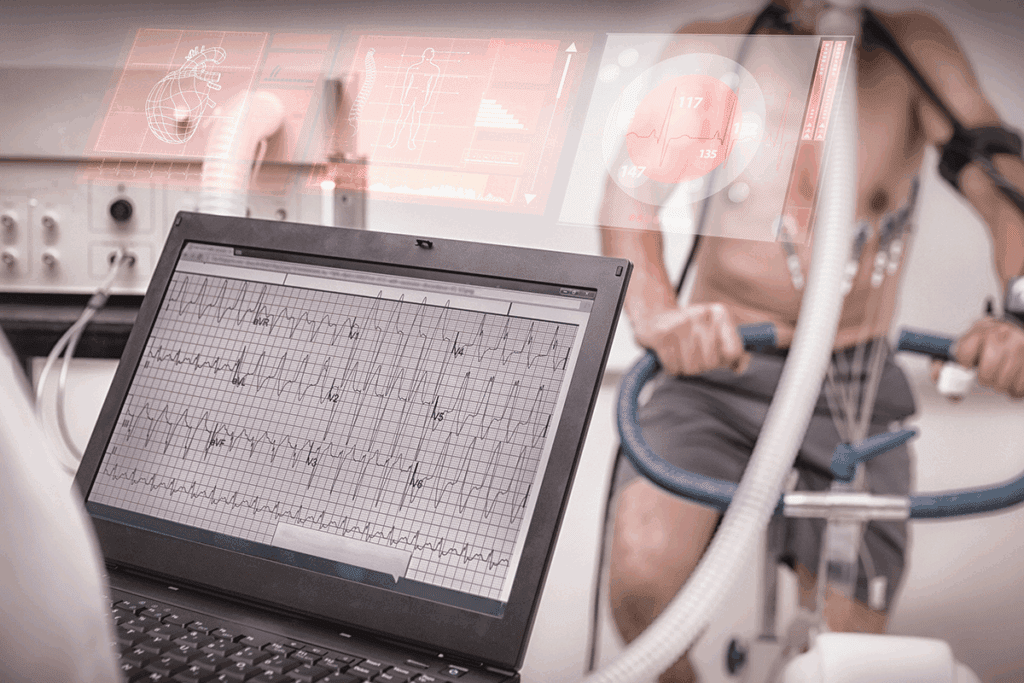
Cardiac stress testing is a key tool for checking heart health. It shows how well the heart works when stressed, like during exercise. This is done by tracking heart rate, blood pressure, and ECG readings while exercising.
What Cardiac Stress Tests Measure
These tests look at several important heart functions. They check:
- How the heart rate changes with exercise
- Blood pressure shifts during activity
- ECG readings for any heart rhythm issues or signs of ischemia
These details help us see if the heart is getting enough blood. They also spot any areas that might need more attention.
Leading Indicators for Stress Test Referrals
Doctors send patients for stress tests for several reasons. These include:
| Indicator | Description |
| Symptoms of angina | Chest pain or discomfort that may spread to the arm, neck, or jaw |
| Abnormal ECG readings | Electrocardiogram results showing signs of ischemia or other heart issues |
| Risk factors for coronary artery disease | Presence of factors like high blood pressure, high cholesterol, or a family history of heart disease |
Stress Testing in Preventive Cardiology
Stress testing is vital in preventive cardiology. It helps find people at risk of heart problems before symptoms show. This way, we can start making changes early to stop heart disease from getting worse.
Cardiac stress testing helps us understand a patient’s heart health better. It lets us create specific plans for prevention and treatment. This approach is key to managing heart risk and improving patient results.
Common Types of Heart Stress Tests and Their Applications

Knowing about different heart stress tests is key for right diagnosis and treatment plans. These tests are essential in cardiology. They help us see how the heart works under stress, often caused by exercise or medicine.
Overview of Available Testing Methods
There are many cardiac stress tests, each with its own uses and benefits. The main types are:
- Exercise Stress Test: The most basic and widely used test, typically performed on a treadmill or stationary bike.
- Nuclear Stress Test: Uses a radioactive tracer to visualize heart function and blood flow.
- Stress Echocardiogram: Combines ultrasound imaging with stress testing to evaluate heart function.
- Pharmacologic Stress Test: Used for patients unable to exercise, this test uses medication to simulate the effects of exercise.
- Cardiac MRI Stress Test: A highly detailed imaging test that provides complete information on heart function and blood flow.
How Doctors Select the Appropriate Test
Choosing the right stress test depends on several factors. These include the patient’s medical history, physical condition, and symptoms. We look at:
- The patient’s ability to exercise
- The presence of any underlying medical conditions
- The need for detailed imaging
- The patient’s overall health status
By carefully evaluating these factors, we can pick the best test for accurate diagnostic information.
Diagnostic Accuracy Comparisons
Each stress test has its own accuracy level. For example:
| Test Type | Sensitivity | Specificity |
| Exercise Stress Test | High | Moderate |
| Nuclear Stress Test | Very High | High |
| Stress Echocardiogram | High | High |
Knowing the strengths and weaknesses of each test helps us understand results better. This way, we can make better decisions for patient care.
Exercise Stress Test: The Standard Approach
The exercise stress test is a key tool in cardiology. It checks how the heart reacts to more physical activity. This test helps find and manage heart disease by showing how the heart works under stress.
Treadmill and Stationary Bike Protocols
This test usually involves walking on a treadmill or pedaling a stationary bike. The exercise gets harder to increase the heart rate. This helps see how the heart handles stress. The Bruce Protocol is a common method, with stages that get faster and steeper.
For those who can’t or don’t want to use a treadmill, a stationary bike test is a good option. This test, known as a cardiopulmonary exercise test, checks the heart’s stress response. It also looks at oxygen and carbon dioxide levels.
Monitoring Parameters During Testing
Several things are watched during an exercise stress test. These include:
- Electrocardiogram (ECG): This records the heart’s electrical activity to spot any issues.
- Blood Pressure: It tracks blood pressure changes during exercise.
- Heart Rate: It makes sure the heart rate hits the target zone.
- Symptoms: Patients report any symptoms like chest pain, dizziness, or shortness of breath.
Interpreting Exercise Test Results
When looking at exercise stress test results, doctors analyze the data. A positive result might show coronary artery disease or other heart issues. The results are matched with the patient’s medical history, symptoms, and other tests to decide treatment.
The results are usually:
- Normal: The heart works fine under stress.
- Abnormal: This suggests heart problems, like ischemia or arrhythmias.
- Inconclusive: The results are unclear, so more tests might be needed.
Nuclear Stress Test: Advanced Imaging for Blood Flow
Advanced cardiac imaging, like nuclear stress tests, is key in finding coronary artery disease. These tests use a radioactive tracer to see how blood flows to the heart. This helps spot areas where blood flow is low, showing signs of heart disease.
Radiotracer Distribution and Uptake
In a nuclear stress test, a tiny amount of radioactive material is injected into the blood. This material spreads through the body, including the heart. The heart muscle cells take it up based on blood flow. If some areas take up less, it means they might not get enough blood.
Single-Photon Emission Computed Tomography (SPECT)
SPECT imaging is often used in nuclear stress tests. It uses a gamma camera that moves around the patient to take pictures of the heart from different sides. These pictures are then put together to show the heart in 3D, helping doctors see blood flow and blockages.
Positron Emission Tomography (PET) Options
PET imaging is another advanced method used in nuclear stress tests. It gives clearer images than SPECT and shows more about the heart’s blood flow and function. PET is best for those with known heart disease or past heart problems.
The table below shows the main differences between SPECT and PET imaging:
| Characteristics | SPECT | PET |
| Resolution | Lower | Higher |
| Sensitivity | Good | Excellent |
| Radiation Exposure | Moderate | Lower |
Nuclear stress tests, including SPECT and PET, give important info for treatment plans. Knowing the benefits and limits of these tests helps doctors pick the best one for each patient.
Stress Echocardiogram: Ultrasound Evaluation
The stress echocardiogram is a key tool for seeing how the heart works in real-time, during stress. It uses ultrasound to check the heart’s structure and function before and after stress.
Real-Time Heart Function Visualization
One big plus of the stress echocardiogram is its ability to show the heart’s function in real-time. This lets doctors see how the heart muscle and valves work under stress. Ultrasound waves help us see the heart’s movements and spot any problems.
A leading cardiologist says, “Stress echocardiography is a must-have tool for us. It gives us a peek into how the heart works under stress.”
“The real-time imaging of stress echocardiography lets us check cardiac function closely. This helps us act quickly and focus our treatments.”
Wall Motion Abnormality Detection
During a stress echocardiogram, we watch the heart’s wall motion for any issues. Wall motion abnormalities can show if parts of the heart aren’t getting enough blood. This might mean coronary artery disease or other heart problems.
The table below shows the different wall motion problems we can find during a stress echocardiogram:
| Wall Motion Type | Description | Clinical Significance |
| Normal | Normal contraction and relaxation | Indicates healthy cardiac function |
| Hypokinesis | Reduced contraction | May indicate ischemia or infarction |
| Akinesis | No contraction | Often associated with scar tissue |
| Dyskinesis | Paradoxical movement | Can be a sign of severe cardiac damage |
Ejection Fraction Assessment
The stress echocardiogram also checks the heart’s ejection fraction (EF). EF shows how much blood the left ventricle pumps out with each beat. A normal EF is between 55% and 70%. Our doctors use this to see how well the heart pumps and find any problems.
In summary, the stress echocardiogram is a key tool for understanding heart function under stress. It uses ultrasound to see the heart in real-time, find wall motion problems, and check ejection fraction. This helps us make the right treatment plans.
Pharmacologic Stress Test: For Those Unable to Exercise
We use pharmacologic stress tests to check heart health in patients who can’t exercise. This method is great for those with mobility issues or chronic conditions. It helps when physical exercise is not possible.
Adenosine and Regadenoson Protocols
Adenosine and regadenoson are key in stress testing. Adenosine makes blood vessels wider, like exercise does for the heart. It’s given through a vein in the arm and watched closely.
Regadenoson works in a similar way but is easier for patients. It’s often chosen because it’s better tolerated.
Both tests require careful watching before, during, and after. Patients lie on a table while the drug is given. Tests like nuclear scans or echocardiograms then check the heart’s function.
Dobutamine Cardiac Stimulation
Dobutamine is an option for those who can’t take adenosine or regadenoson. It makes the heart work harder, like exercise does. This is good for patients with asthma or severe COPD.
The dobutamine test is great for those who can’t handle other drugs. But, it needs careful watching because of possible side effects like heart racing or chest pain.
Patient Monitoring During Chemical Stress
Watching patients closely is key in pharmacologic stress testing. During the test, doctors keep an eye out for any bad reactions. They check heart rate, blood pressure, and ECG readings all the time.
Medical staff are ready to act fast if needed. They make sure the patient is safe. After the test, patients are watched to make sure they’re okay before they go home.
Cardiac MRI Stress Test: Detailed Imaging for Complex Cases
The Cardiac MRI Stress Test is a top-notch tool for checking complex heart issues. It shows the heart’s structure and how it works. This helps us see how well the heart is doing and what might be wrong.
Magnetic Resonance Perfusion Imaging
Magnetic Resonance Perfusion Imaging is a big part of the Cardiac MRI Stress Test. It lets us see how blood flows to the heart muscle. This is key for spotting problems like blocked arteries and finding out how bad they are.
We use a special dye to make the blood flow show up. Looking at these images, we can find out if some parts of the heart aren’t getting enough blood. This could mean there’s a blockage or another issue.
Tissue Characterization Capabilities
Cardiac MRI can also tell us about the different types of tissue in the heart. We can spot scar tissue, healthy heart muscle, and swelling. This is super helpful for figuring out things like heart attacks and how well the heart can recover.
- Scar tissue identification: Helps in assessing the extent of previous heart attacks.
- Viable myocardium assessment: Determines if there’s heart muscle that can be saved.
- Edema detection: Useful in identifying inflammation or other acute conditions.
Comprehensive Functional Assessment
Cardiac MRI Stress Tests also check how well the heart works. We look at the heart’s chambers, valves, and how well it pumps. We can see things like how much blood the heart pumps out and if the heart muscle moves right.
By looking at all these things, we get a full picture of the heart’s health. This helps us make better choices for taking care of our patients.
Preparing for Your Heart Stress Test: What You Need to Know
To get ready for your heart stress test, it’s key to follow certain steps. We know it can feel stressful, but being prepared helps a lot.
Pre-Test Instructions and Restrictions
Before your test, there are important things to know and do. Following these steps helps make sure the test is safe and works well.
- Avoid eating or drinking anything except water for at least four hours before the test.
- Wear comfortable clothing and shoes suitable for exercise.
- Inform your doctor about any medications you’re currently taking.
Medication Management Guidelines
Some medicines might need to be changed or stopped before your test. Always follow what your doctor tells you about your medicines.
| Medication Type | Pre-Test Instructions |
| Beta Blockers | May need to be stopped 24-48 hours before the test |
| Nitrates | Should be avoided on the day of the test |
| Caffeine | Avoid for at least 24 hours before the test |
What to Wear and Bring
On test day, wear loose, comfy clothes and no jewelry that could get in the way. Also, bring your medicines and any questions for your doctor.
By following these tips, you can make your heart stress test go smoothly. This helps get the most accurate results. If you have any worries or questions, talk to your healthcare provider.
Recovery and Results: The Post-Test Experience
After the test, there’s a short recovery time. Then, a healthcare provider talks about the test results. This is key to understanding how the heart works under stress and spotting any problems.
Immediate Recovery Expectations
Right after the test, patients are watched to make sure their heart rate and blood pressure get back to normal. This is a time of relief for patients, waiting for the results. They might be asked to rest or sit while their vital signs are checked.
Key aspects of the immediate recovery include:
- Monitoring of heart rate and blood pressure
- Observation for any adverse reactions
- Providing patients with post-test instructions
How Results Are Interpreted
A healthcare professional, often a cardiologist, looks at the test results. They check for signs of ischemia or other issues. This helps figure out how the heart is doing and what to do next.
The interpretation involves analyzing:
| Parameter | Normal Result | Abnormal Result |
| Heart Rate Response | Increases appropriately with exercise | Blunted or exaggerated response |
| ECG Changes | No significant changes | Presence of ischemia or arrhythmias |
| Symptoms | No symptoms or mild fatigue | Chest pain, severe shortness of breath |
Common Findings and Their Meanings
Heart stress tests often show signs of ischemia, arrhythmias, or other heart problems. We explain these findings clearly to patients. This helps them understand what it means for their health.
If the test shows ischemia, it might mean coronary artery disease. This could lead to more tests or treatment.
It’s important to understand the test results and what they mean for heart health. We help patients create a plan based on the test results. This might include lifestyle changes, medication, or more tests.
Conclusion: Advancing Cardiac Care Through Specialized Stress Testing
Advanced stress testing is key in finding and treating heart disease. It helps improve patient care. At Liv Hospital, we use these tests to give top-notch healthcare to international patients.
We use different heart stress tests to check heart health. This includes exercise, nuclear, and cardiac MRI stress tests. These tests help us spot problems early. This way, we can prevent heart issues and give better care.
Our goal is to improve heart care with these tests. We aim to give quality, patient-focused healthcare. By using the latest diagnostic tools and caring for our patients, we help them manage their heart health. This way, they can live their best lives.
FAQ
What are the different types of heart stress tests?
Heart stress tests come in many forms. You can get an exercise stress test, a nuclear stress test, or a stress echocardiogram. There are also pharmacologic stress tests and cardiac MRI stress tests. Each one has its own use and benefits.
How do I prepare for a heart stress test?
Preparing for a heart stress test is easy. Just follow the pre-test instructions given to you. Make sure to manage your medications as told. Wear comfy clothes and bring your insurance cards and a list of your meds.
What happens during an exercise stress test?
An exercise stress test is simple. You’ll walk on a treadmill or bike while your heart rate and blood pressure are checked. It’s to see how your heart works under stress.
What is a nuclear stress test, and how does it work?
A nuclear stress test uses a tiny bit of radioactive material to see your heart’s blood flow. It helps find areas where blood flow is low and can spot coronary artery disease.
Can I undergo a stress test if I have mobility issues or cannot exercise?
Yes, you can. If you can’t exercise, a pharmacologic stress test is an option. It uses medicine to mimic exercise’s effects on your heart.
What are the benefits of a stress echocardiogram?
A stress echocardiogram shows your heart’s function in real-time. It can spot wall motion problems and check your ejection fraction.
How is a cardiac MRI stress test different from other stress tests?
A cardiac MRI stress test gives detailed images of your heart. It includes magnetic resonance perfusion imaging and tissue characterization. It’s great for a full heart assessment.
What can I expect during the recovery period after a stress test?
After a stress test, you’ll be watched for a bit. Your doctor will talk about the results with you. They might suggest more tests or treatment.
How are the results of a stress test interpreted?
A healthcare pro will look at your stress test results. They’ll consider your medical history, symptoms, and test data.
What are the common findings and their meanings after a stress test?
Stress test results can show coronary artery disease or cardiac ischemia. Your doctor will explain what they mean for your care.
References
- Ruel, M. (2024). Coronary artery bypass grafting: Past and future. Circulation, 150(10), 763-766. https://www.ahajournals.org/doi/10.1161/CIRCULATIONAHA.124.068312