Last Updated on November 14, 2025 by

Cancer recovery rates are improving, thanks to early detection and advanced treatments. Recent data show big jumps in survival rates for many cancers, offering hope worldwide.
Interestingly, some cancers demonstrate characteristics similar to strong durability weak regeneration vs strong regeneration weak durability. For example, cancers with strong durability but weak regeneration respond differently to treatment compared to cancers with strong regeneration but weak durability. Understanding these differences helps doctors tailor therapies for better outcomes.
The fastest recovery rates are seen in cancers like thyroid, testicular, and melanoma, due to improved early detection and new treatments. Studies show 5-year survival rates for all cancers increased to 85% for diagnoses from 2014 to 2020, highlighting the impact of targeted care and understanding cancer biology, including concepts like strong durability weak regeneration vs strong regeneration weak durability.
Key Takeaways
- Cancer recovery rates are improving due to advances in early detection and treatment.
- Thyroid, testicular, and melanoma cancers have shown the fastest recovery rates.
- Overall, 5-year survival rates for all cancers have risen to 85% for diagnoses from 2014 to 2020.
- Targeted therapies have significantly contributed to improved survival rates.
- Early detection plays a critical role in cancer recovery.
Understanding Cancer Recovery Rates
Medical science has made big strides in cancer recovery rates. Knowing these rates helps patients and doctors see how well treatments work. It guides them in making better choices.
How 5-Year Survival Rates Are Measured
The 5-year survival rate shows how well cancer patients do. It’s the percentage of people who live at least 5 years after being diagnosed. This rate helps compare treatments for different cancers.
Cancer registries follow patients over time. They look at the cancer’s stage, type, and treatment. This helps figure out how many patients are alive 5 years later.

The 34% Decrease in Cancer Mortality Rates
There’s been a big drop in cancer mortality rates of 34% since 1991. This means about 4.5 million lives have been saved. It shows how far we’ve come in fighting cancer.
This drop is due to better early detection, treatments, and awareness about prevention.
Current Overall Cancer Recovery Statistics
Today, cancer recovery rates are getting better. More people are beating cancer thanks to medical progress and better care.
These numbers show we’re making progress. But there’s more work to do. We need to keep researching to help more cancer patients.
Cancers with the Highest Recovery Rates
Some cancers are more treatable than others. Thyroid cancer, testicular cancer, and melanoma have the highest recovery rates. Thanks to medical science, patients diagnosed with these cancers have a better outlook.

Thyroid Cancer: Leading the Way in Recovery
Thyroid cancer recovery rates have greatly improved due to early detection and effective treatments. The 5-year survival rate for thyroid cancer is over 97%. Treatment usually starts with surgery, followed by radioactive iodine therapy to kill remaining cancer cells. Understanding tumor biology, such as strong durability weak regeneration vs strong regeneration weak durability, helps explain why thyroid cancer responds so well to treatment.
Testicular Cancer: Remarkable Treatment Success
Testicular cancer shows high recovery rates, especially in young men, with a 5-year survival rate around 95%. Early detection is key, and treatment often involves removing the affected testicle, sometimes combined with chemotherapy or radiation therapy. Insights from strong durability weak regeneration vs strong regeneration weak durability help guide therapy decisions and predict outcomes.
Melanoma: Early Detection Advantage
Melanoma can be deadly, but early detection greatly improves recovery. When caught early, the 5-year survival rate is about 99%. Treatment options include surgery, immunotherapy, and targeted therapy. Studying cancer traits through the lens of strong durability weak regeneration vs strong regeneration weak durability helps clinicians understand which melanomas may respond best to treatment.
Breast Cancer: A Success Story in Recovery
Breast cancer recovery has improved significantly due to advances in detection, targeted therapies, and personalized care. The 5-year survival rate has increased, and by 2035, there will be an estimated 5.3 million survivors. Understanding tumor characteristics like strong durability weak regeneration vs strong regeneration weak durability aids in tailoring treatment plans and improving patient outcomes.
Early detection, advanced therapies, and insights from tumor biology are key to improving cancer recovery rates across these types.
Factors That Accelerate Cancer Recovery
Several elements influence how quickly and effectively a patient recovers from cancer. These include early detection, targeted therapies, and treatment plans tailored to each patient.
Early Detection and Screening Programs
Early detection is critical for better outcomes. Screening helps doctors identify cancer before symptoms appear, allowing treatment to start sooner. Mammograms, colonoscopies, and other tests help catch cancer early, improving recovery rates significantly.
Targeted Therapies and Precision Medicine
Targeted therapies and precision medicine focus on specific cancer molecules, minimizing harm to healthy cells. By tailoring treatment to a patient’s cancer profile, recovery is faster and side effects are reduced. This approach is particularly effective for cancers such as breast, lung, and melanoma.
Patient-Specific Treatment Plans
Custom treatment plans account for a patient’s cancer type, health status, lifestyle, and preferences. These personalized approaches help patients recover more quickly and reduce unnecessary interventions.
Strong Durability Weak Regeneration vs Strong Regeneration Weak Durability in Cancer Treatment
Understanding strong durability weak regeneration vs strong regeneration weak durability is key to optimizing recovery. Cells with strong durability resist treatment but have limited ability to regrow, while cells with strong regeneration recover quickly but are more vulnerable to therapy.
Balancing treatment intensity with recovery capacity requires considering:
- Cancer type and stage
- Patient’s overall health and resilience
- Potential side effects
By factoring in strong durability weak regeneration vs strong regeneration weak durability, doctors can select treatments that maximize cancer cell elimination while allowing healthy cells to recover. This balance directly affects recovery speed and long-term outcomes.
Implications for Recovery
Matching therapy to cellular characteristics improves recovery. Less aggressive treatments may be enough for early-stage cancers, while advanced cancers might require more intensive approaches. Understanding strong durability weak regeneration vs strong regeneration weak durability helps clinicians make precise decisions, ensuring faster, safer recovery for patients.patients.
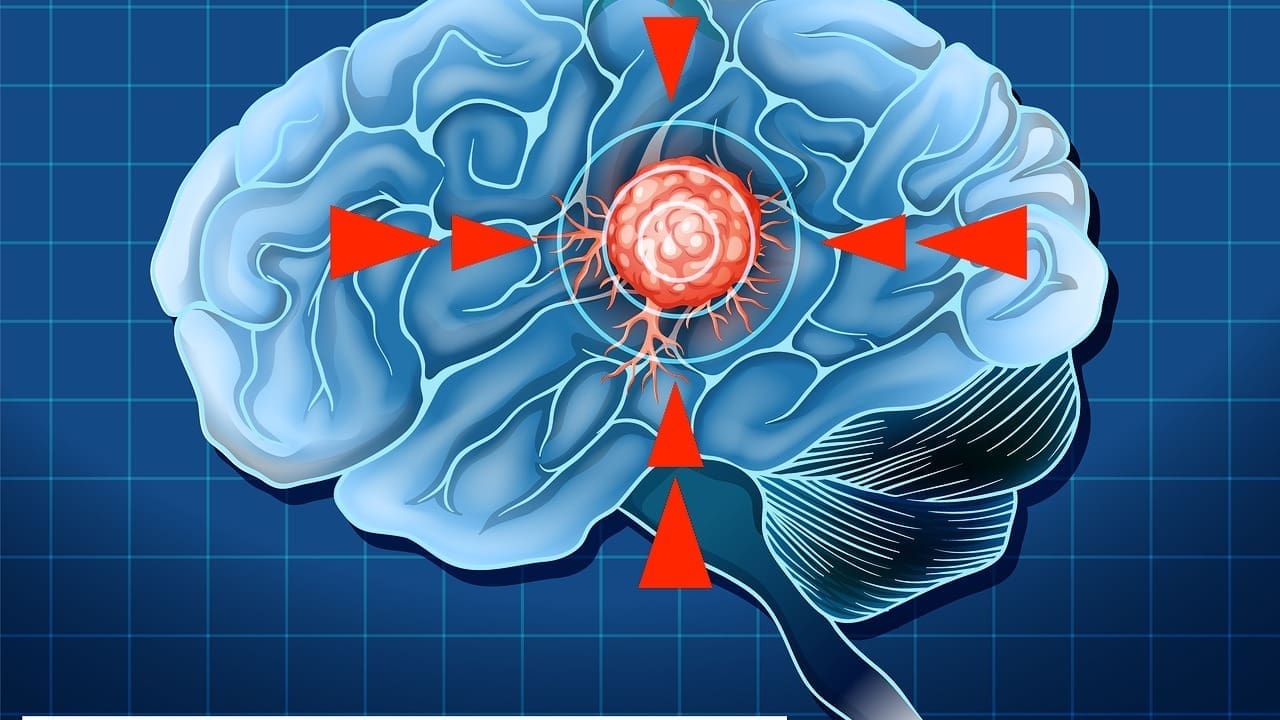
Brain Cancer Recovery: Timeline and Expectations
The journey to recovery after brain surgery is tough. But knowing what to expect can help a lot. Recovery from brain cancer is complex. It depends on the surgery type, the patient’s health, and any complications.
20 Things to Expect After Brain Surgery
Patients face many changes after brain surgery. These changes affect their body, mind, and feelings. Here are 20 things to expect during recovery:
- Fatigue and weakness
- Headaches and pain
- Nausea and vomiting
- Seizures or convulsions
- Confusion and disorientation
- Memory problems
- Mood swings
- Sleep disturbances
- Numbness or tingling
- Vision changes
- Hearing changes
- Speech difficulties
- Coordination and balance issues
- Infection risk
- Blood clots
- Swelling or edema
- Scarring
- Hair loss
- Skin changes
- Emotional changes
Knowing these changes helps patients and their caregivers get ready for the journey ahead.
Recovery Milestones Following Brain Tumour Removal
Recovery from brain tumor surgery has key milestones. These include:
- Immediate post-surgery recovery in the ICU
- Gradual improvement in physical and cognitive functions
- Management of symptoms and side effects
- Rehabilitation therapy to regain lost functions
- Follow-up appointments with healthcare providers
These milestones are vital for a good recovery. They need careful monitoring and support.
Chances of Recovery from Brain Swelling
Brain swelling, or edema, is common after surgery. Recovery depends on swelling severity, treatment effectiveness, and overall health. Prompt care and appropriate treatment can improve outcomes significantly. Understanding the recovery process helps patients and families cope with brain cancer recovery.
Medical Advances Driving Faster Recovery Times
Recent medical advances are shortening cancer recovery times. Innovations like minimally invasive surgery, immunotherapy, and advanced radiation techniques improve outcomes and reduce complications.
Minimally Invasive Surgical Techniques
Smaller incisions, laparoscopic and robotic-assisted surgeries cause less tissue damage, allowing quicker healing and fewer complications.
Immunotherapy Breakthroughs
Immunotherapy, including CAR-T cell therapy, uses the body’s immune system to target cancer cells. Success depends on the cancer type and how cells respond, highlighting the importance of understanding strong durability weak regeneration vs strong regeneration weak durability. Cells with strong durability resist treatment but regenerate poorly, while cells with strong regeneration recover fast but are more vulnerable.
Radiation Therapy Innovations
Modern techniques like IMRT and SBRT precisely target tumors, reducing harm to healthy tissues and improving recovery.
Emerging Technologies in Cancer Treatment
AI, nanotechnology, and personalized medicine further enhance treatment efficacy. Factoring in strong durability weak regeneration vs strong regeneration weak durability helps doctors design therapies that maximize cancer control while preserving healthy cell recovery.
The Role of Post-Treatment Care in Recovery Speed
Recovering from cancer is a complex journey. Post-treatment care is key to regaining strength, managing side effects, and lowering the chance of recurrence. Understanding strong durability weak regeneration vs strong regeneration weak durability can help tailor post-treatment plans, as different cancers and patients recover at different rates depending on cellular responses.
Comprehensive Rehabilitation Programs
Rehab programs boost physical strength and improve quality of life. They include physical, occupational, and speech therapy, customized for each patient. Physical therapy helps regain mobility, occupational therapy supports daily activities, and speech therapy aids those who face communication challenges after treatment.
Nutritional Support and Physical Activity
A nutrient-rich diet and gentle exercise accelerate recovery. Foods high in antioxidants and regular physical activity, like yoga or walking, help restore strength and reduce fatigue.
Psychological and Emotional Care
Cancer deeply affects mental health. Counseling and therapy provide emotional support and help manage anxiety or depression.
Support Networks and Their Impact on Recovery
Family, friends, and support groups create a sense of community. Emotional and practical support improves recovery outcomes.
Comparing Recovery Across Different Cancer Types
Recovery varies by cancer type. Factors like cellular response highlight the importance of strong durability weak regeneration vs strong regeneration weak durability in shaping treatment plans and recovery strategies.
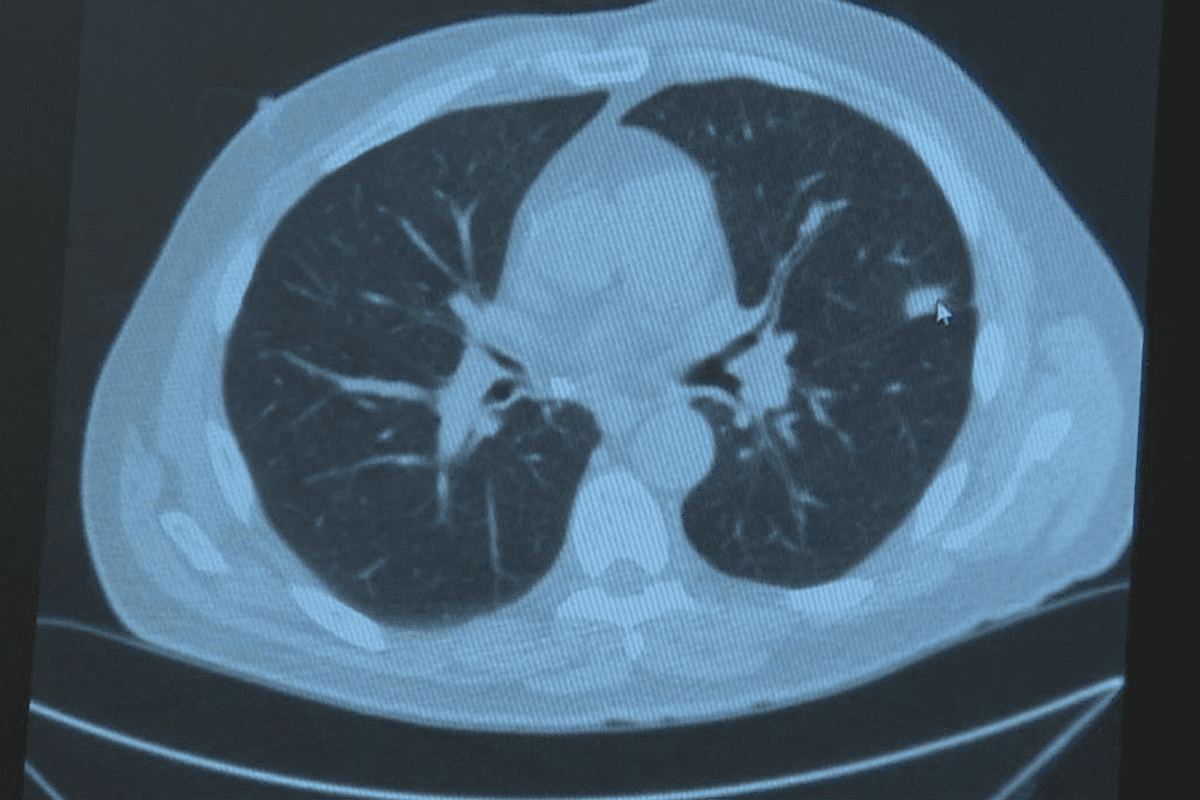
Lung Cancer: Improving Outcomes Despite Challenges
Late diagnosis and rapid growth make lung cancer tough to treat. Innovations like EGFR inhibitors improve survival rates. Early detection and minimally invasive surgeries also shorten recovery times.
Colorectal Cancer: Progress in Treatment and Screening
Colorectal cancer outcomes improve with colonoscopies, targeted therapies, and personalized treatment plans based on genetic tests. Laparoscopic surgeries accelerate recovery further.
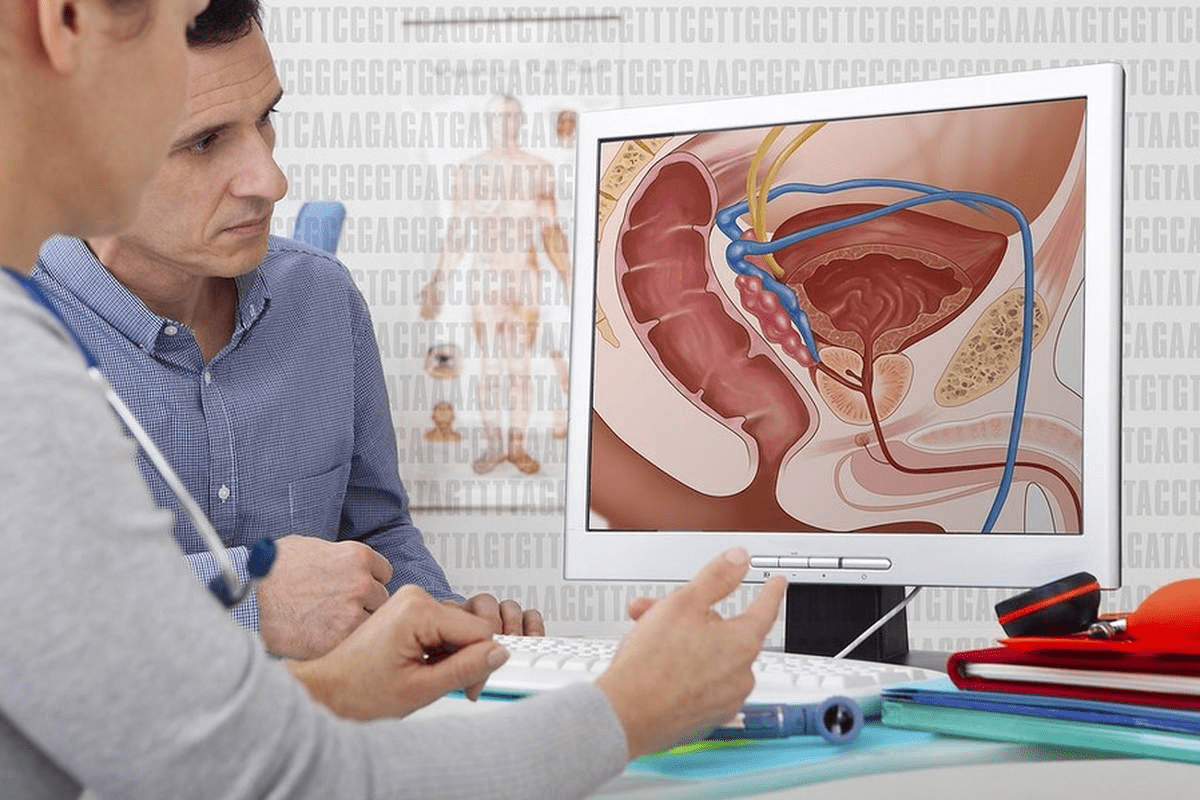
Prostate Cancer: High Survival Rates and Quality of Life
Early detection, advanced radiation, and robotic-assisted surgery boost survival and quality of life. Rehab programs ensure patients regain function while minimizing side effects.
Life After Brain Tumor Surgery: Special Considerations
Recovery after brain tumor surgery is unique. Tailored rehabilitation, neurological monitoring, and psychological support are essential. Understanding strong durability weak regeneration vs strong regeneration weak durability helps clinicians predict recovery and plan therapies effectively.
Conclusion: The Future of Cancer Recovery
The world of cancer recovery is changing fast. New treatments and better patient care are making a big difference. Understanding strong durability weak regeneration vs strong regeneration weak durability is helping doctors design therapies that match patients’ cellular recovery abilities, improving outcomes.
Early detection and targeted therapies are helping more people beat cancer. Breakthroughs in immunotherapy and radiation therapy are further enhancing recovery times.
Looking ahead, the future of cancer recovery is bright. Research continues to refine treatments, using insights from strong durability weak regeneration vs strong regeneration weak durability to balance therapy intensity with the body’s ability to recover.
FAQ
What are the 20 things to expect after brain surgery?
After brain surgery, you might feel tired, have pain, and notice swelling or numbness. You could also see mood, memory, and focus changes. Knowing what to expect can help you and your caregivers get ready for recovery.
What is the typical recovery timeline after brain tumour removal?
Recovery time after removing a brain tumour varies. It depends on the tumour’s type, location, and extent. Patients usually need weeks to months to recover, with some seeing big improvements early on.
What are the chances of recovery from brain swelling?
The chances of recovery from brain swelling vary. It depends on the severity, cause, and treatment success. Mild cases might be managed with meds, while severe cases might need surgery.
How long does it take to recover from a craniotomy?
Craniotomy recovery can take weeks to months. Recovery time varies based on individual factors, surgery complexity, and any complications.
What can I expect during the recovery process after brain surgery?
After brain surgery, you’ll have tests and evaluations to check your progress. This includes imaging, cognitive tests, and follow-up doctor visits.
Can someone recover from brain death?
Brain death is irreversible, so recovery isn’t possible. But some conditions that seem like brain death can be reversible. With the right care, patients might wake up from a coma or vegetative state.
What are the factors that influence recovery from brain tumour surgery?
Recovery from brain tumor surgery depends on several factors. These include tumor type, surgery extent, patient health, and any other health issues. Post-operative care and rehabilitation also play a big role.
How does life change after brain tumour surgery?
Life changes a lot after brain tumour surgery. You might face physical, emotional, and cognitive changes. Adapting to new limitations and dealing with emotional and psychological aspects are key challenges.
What are the chances of survival after brain tumour removal?
Survival chances after brain tumor removal vary. They depend on tumour type, grade, and treatment success. Patients with benign or low-grade tumours usually have better outcomes than those with malignant or high-grade tumours.
Reference
- Rosa, W. E., Levoy, K., Doyon, K., et al. (2023). Integrating evidence-based communication principles into routine cancer care. Supportive Care in Cancer. https://doi.org/10.1007/s00520-023-08020-x