

Uterine fibroids are a common issue for many women. They cause discomfort and symptoms like bloating and a swollen belly, known as “fibroid belly.”
It’s estimated that up to 80% of women may develop uterine fibroids by the age of 50. These non-cancerous growths can greatly affect a woman’s quality of life. Many women consider treatments like myomectomy surgery or UFE (Uterine Fibroid Embolization).
The question is, can removing these fibroids help flatten the stomach? It’s important for women to understand how fibroid removal affects their belly’s appearance when choosing a treatment.
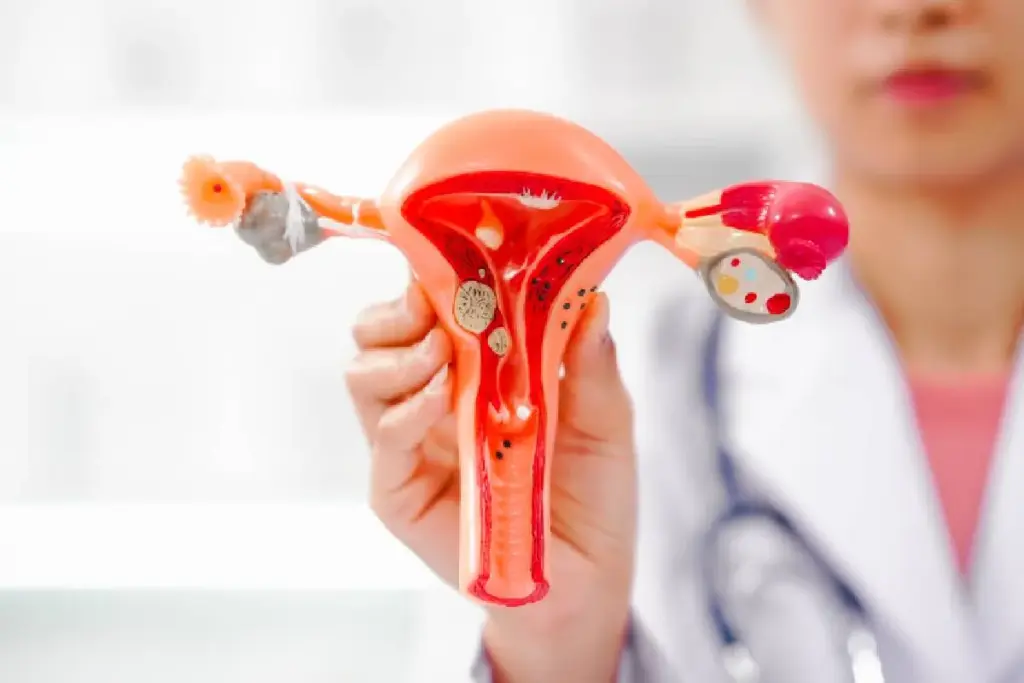
Uterine fibroids are growths that can develop in or around the uterus. They can affect how the abdomen looks. These non-cancerous tumors vary in size, number, and location. This variation can change how women feel and look in their abdomen.
Uterine fibroids, also known as leiomyomas, are benign tumors that develop from the muscle tissue of the uterus. They are very common, affecting many women during their reproductive years. The exact cause of fibroids is not fully understood, but genetics, hormones, and environmental influences are believed to play a role in their development.
Key characteristics of uterine fibroids include:
Fibroids start as small growths that can grow over time. Their growth is often influenced by hormones, like estrogen. During the reproductive years, fibroids tend to grow or stay the same size. They often shrink after menopause when hormone levels decrease.
The growth pattern of fibroids can vary:
Fibroids can develop in various locations within or around the uterus. Their position can significantly impact symptoms and abdominal appearance. Common locations include within the uterine wall (intramural), on the outer surface (subserosal), or inside the uterine cavity (submucosal).
The location and size of fibroids can influence abdominal appearance in different ways:
|
Fibroid Location |
Potential Impact on Abdominal Appearance |
|---|---|
|
Intramural |
Can cause the uterus to enlarge, potentially leading to a more prominent abdomen |
|
Subserosal |
May grow outward from the uterus, potentially causing asymmetry or a visible bulge |
|
Submucosal |
Less likely to directly affect abdominal appearance, but can cause heavy bleeding and other symptoms |
Understanding uterine fibroids, their development, and common locations is key. This knowledge helps us understand their impact on abdominal appearance. It’s important for exploring symptoms and treatment options related to fibroids.
The “fibroid belly bulge” is a term for the swelling in the belly caused by uterine fibroids. It can make women feel uncomfortable and self-conscious. This happens when fibroids grow big enough to stick out from the pelvis, making the belly look swollen or like it’s pregnant.
The size and where fibroids are located matter a lot for belly swelling. Larger fibroids or those in the front of the uterus can make the belly look bigger. Where the fibroids are can also change how the belly looks, with some women noticing a bigger “belly bulge.”
Fibroids can make the belly look like a woman is pregnant, even if she’s not. This is because the growing fibroids push against the belly wall, creating a bulge. This can be worrying for women who are not expecting, as it can cause confusion or concern about their health.
While fibroids are a common reason for belly swelling, other things can also make the belly look big. It’s important to figure out if the swelling is from fibroids or something else, like weight gain or digestive problems. A doctor can help find out what’s causing the swelling by doing a thorough check-up and tests.
Fibroids can cause various symptoms that affect daily life. Women with uterine fibroids often feel uncomfortable. These symptoms can lower their quality of life.
Bloating and abdominal distension are common symptoms. When fibroids grow large, the abdomen can look like it’s pregnant. This can make it hard to fit into clothes.
Many women with fibroids experience weight gain. This weight gain is often due to the fibroids themselves. Hormonal changes or other factors might also play a role.
Fibroids can cause pressure and discomfort in the abdomen. This discomfort can be mild or severe. It can also change based on the size and location of the fibroids.
Fibroids can change how clothes fit, affecting body image. Women may need to change their wardrobe. This is because their usual clothes no longer fit comfortably.
|
Symptom |
Description |
Impact on Daily Life |
|---|---|---|
|
Bloating and Distension |
Protrusion of the abdomen due to large fibroids |
Difficulty fitting into clothing, discomfort |
|
Weight Gain |
Increase in body weight associated with fibroid growth |
Changes in body image, health concerns |
|
Pressure and Discomfort |
Feeling of pressure or discomfort in the abdomen |
Physical discomfort, emotional distress |
It’s important to know how your stomach might look after fibroid removal. The surgery can change your stomach’s look right away and over time.
Right after surgery, your stomach might look swollen. This is because your body is healing. Following your doctor’s instructions closely is key to healing well.
Many things can affect how your stomach looks right after surgery. These include:
Over time, your stomach can look very different after fibroid removal. Many women notice their stomach gets smaller and flatter. But, how much it changes depends on the fibroids’ size and number.
Other things, like weight changes, can also affect your stomach’s look.
Several things can affect your stomach’s look after surgery. These include:
Talking to your doctor about what to expect is very important. Knowing what might happen can help you get ready for recovery and body changes.
Being informed and ready can help you have a better experience. Remember, everyone’s body is different, so results can vary.
When thinking about myomectomy, it’s key to know the different surgical methods. These methods affect how your stomach looks and how you recover.
There are several ways to do a myomectomy, each with its own benefits and things to consider. The choice depends on the size and number of fibroids, and the patient’s health and wishes.
The time it takes for your belly to look normal again varies with the surgery type. Here’s what you can expect:
After myomectomy, you might notice changes in your body, like how your belly looks. These changes depend on the surgery and your own body.
Some common changes include:
Scarring is a part of any surgery. The look and size of scars after myomectomy depend on the surgery type.
To handle scarring:
Knowing about myomectomy surgery and its effects on your belly can help you choose the best treatment for you.
Many women wonder if Uterine Fibroid Embolization (UFE) can make their stomach flatter. UFE is a minimally invasive treatment for fibroids. It’s known for reducing fibroid size and easing symptoms.
UFE stops blood flow to fibroids, causing them to shrink. It uses embolic material to block the arteries that feed the fibroids. This leads to fibroid degeneration and size reduction, which can make the stomach appear flatter.
Recovery from UFE varies among women. Most experience discomfort, cramping, and fatigue after the procedure. The recovery process typically includes:
Research shows UFE effectively reduces fibroid size and symptoms in most patients. The success rate for abdominal size reduction varies. Yet, many women see a noticeable stomach appearance improvement post-procedure.
Most patients report positive outcomes with UFE, including reduced abdominal size and improved quality of life. Key points from patient experiences include:
In conclusion, UFE is a promising option for women looking to reduce fibroid size and improve their stomach appearance. While results can vary, the procedure has shown significant success in alleviating symptoms and improving quality of life.
It’s important for women to understand how hysterectomy affects body shape and the belly area. A hysterectomy removes the uterus and is considered when fibroids are severe. This surgery is for women who have tried other treatments without success.
A hysterectomy is suggested for women with fibroids that haven’t responded to other treatments. It’s a big decision based on symptoms, fibroid size and location, and the woman’s health and reproductive plans.
After a hysterectomy, some women see changes in their body shape. The surgery can make the belly flatter by removing large fibroids. But, how much it changes depends on the fibroid size, other health issues, and body type.
“The removal of large fibroids can significantly reduce abdominal distension, but the final abdominal appearance depends on several factors including skin elasticity and muscle tone.”
While a hysterectomy can help with fibroid symptoms, a completely flat stomach is not guaranteed. The surgery can make the belly smaller by removing fibroids. But, fat, muscle, and skin elasticity also affect the belly’s look.
Managing belly appearance after a hysterectomy means living a healthy lifestyle. This includes eating well and exercising. Some women use belly support clothes during recovery. It’s key to have realistic hopes and know it may take time and effort to get a flat stomach.
Following post-op instructions is vital for healing and avoiding problems. Talking to a healthcare provider about your hopes and worries can help manage body changes after a hysterectomy.
Women thinking about fibroid removal surgery often wonder about the changes in their belly. Real-life examples and patient stories give us a peek into what happens after surgery.
After surgery, many patients see big changes in their belly. These changes depend on the size and where the fibroids were.
Common visual changes include:
The stomach can look very different before and after surgery. Patients often notice less bloating and a flatter belly.
|
Characteristics |
Before Fibroid Removal |
After Fibroid Removal |
|---|---|---|
|
Abdominal Size |
Enlarged due to fibroids |
Reduced, potentially returning to pre-fibroid size |
|
Bloating |
Frequent and pronounced |
Decreased or eliminated |
|
Body Contour |
Distorted by fibroid growth |
Improved, with a more natural shape |
The size and location of fibroids affect the surgery’s outcome. Larger or surface-level fibroids can lead to more noticeable changes.
Changes after surgery take time to show. They depend on the fibroid size and the surgery type.
Typically, patients see big improvements in 3 to 6 months after surgery.
It’s important to know how fibroids and weight gain are linked. Many women gain weight because of fibroids. Removing them might help them lose weight.
Fibroids can make you gain weight in several ways:
These factors can lead to noticeable weight gain. It’s not just about fat.
Women often see different weight changes after removing fibroids. Here are some common ones:
The amount of weight lost varies. It depends on health, lifestyle, and the size and number of fibroids removed.
Yes, many women can lose weight after removing fibroids. The procedure can reduce bloating and discomfort. This makes it easier to stay healthy.
Key factors influencing weight loss include:
Several factors can affect weight loss after fibroid removal, including:
|
Factor |
Impact on Weight Loss |
|---|---|
|
Lifestyle Changes |
Healthy diet and regular exercise can enhance weight loss |
|
Hormonal Changes |
Normalization of hormonal balances can aid in weight loss |
|
Recovery Process |
A smoother recovery can lead to earlier resumption of normal activities, supporting weight loss |
Understanding these factors helps women manage their expectations. They can work towards a healthier lifestyle after the procedure.
Getting a flatter stomach after fibroid treatment means knowing the right exercises and diet. Sometimes, wearing abdominal support garments helps too. Women recovering from fibroid removal or treatment can greatly improve their health and confidence by taking a holistic approach.
During recovery, gentle exercises are key. Low-impact activities like walking, yoga, or Pilates improve circulation and help healing. Always talk to a healthcare provider before starting any exercise to make sure it’s safe for you.
Some good exercises include:
Eating right is important for reducing bloating and getting a flatter stomach. Eating more fiber from fruits, vegetables, and whole grains helps with bowel movements and bloating. Drinking plenty of water is also key.
Here are some diet tips:
Abdominal support garments offer extra support during recovery. They help reduce discomfort and aid in a smoother recovery. These garments can also help with swelling and provide comfort.
As one patient said,
“Using an abdominal support garment after my fibroid removal surgery made a big difference. It gave me the support and comfort I needed, helping me focus on healing.”
Recovery needs patience and realistic goals. The body heals slowly, and getting a flatter stomach takes time. Setting achievable goals and celebrating small wins keeps you motivated and positive.
Remember, everyone’s body heals differently, and recovery times vary. By doing safe exercises, eating right, and sometimes using abdominal support garments, women can work towards a flatter stomach after fibroid treatment.
Fibroids can really affect how a woman sees her body, causing emotional pain. They change not just how we look but also our mental health and happiness.
Dealing with fibroid-related body changes is tough. Women might feel insecure or ashamed about how they look. It’s key to recognize these feelings and look for help.
Support groups and counseling offer a safe place to talk about feelings. Hearing from others who face similar issues can be very helpful.
It’s important to set realistic expectations about how you’ll look after treatment. Everyone recovers differently, and it takes time to see the full results.
Knowing that your immediate appearance after treatment isn’t the final look helps manage hopes. Swelling and scars are common, and it may take months for your body to fully heal and show the final look.
Building a positive body image during recovery means focusing on health and happiness, not just looks. Doing things that make you feel good about yourself is key.
Having the right support can greatly improve emotional health during and after treatment. This includes professional help, support groups, and online resources.
Online communities and forums are great for connecting with others who face similar issues. They offer advice, support, and a sense of belonging.
By focusing on emotional health and using available support, women can overcome fibroid challenges. This helps build a more positive body image.
Fibroid removal can change how your stomach looks, but results vary. This depends on the size and where the fibroids are. Knowing this helps manage what you expect from treatment and how it affects your body image.
The link between removing fibroids and stomach appearance is complex. Some people might see their stomach look flatter after treatment. But, others might not notice a big difference. The size and location of fibroids, the treatment type, and your health all play a role in the outcome.
It’s important to look at all treatment options, like myomectomy and uterine fibroid embolization (UFE). These can affect your stomach’s look. Talking to a healthcare provider about what to expect helps make informed choices about your care.
Getting a positive body image after fibroid treatment is about setting realistic goals. Choosing the right treatment and taking care of yourself after it are key. This way, you can improve your health and feel better overall.
Uterine fibroids are non-cancerous growths in or around the uterus. They can make the stomach look bigger or bloated.
Yes, big fibroids can make the belly look like it’s pregnant. This is called a “fibroid belly bulge.”
Removing fibroids might make your stomach flatter. But it depends on the fibroids’ size, location, and your body.
Myomectomy removes fibroids but keeps the uterus. Hysterectomy removes the uterus. The choice depends on symptoms and reproductive plans.
Recovery time for myomectomy surgery varies. It depends on the procedure type and individual factors. It can take weeks to months to fully recover.
Uterine Fibroid Embolization (UFE) shrinks fibroids by cutting off their blood supply. It can make the stomach smaller and flatter over time.
Hysterectomy can help with fibroid symptoms. But, it might not make your stomach flat. It depends on remaining fibroids, skin, and body composition.
Fibroids can make it hard to lose weight. Removing them might help with weight loss. But, it depends on diet, exercise, and metabolism.
Eat healthy, exercise regularly, and use abdominal support. Patience is key as the body recovers and adjusts.
Manage expectations, build a positive body image, and seek support. Healthcare providers, support groups, and counseling can help.
Eat fruits, vegetables, and whole grains to reduce bloating. Avoid bloating foods and stay hydrated.
UFE can reduce fibroid size and symptoms like bloating. Success rates vary based on individual factors and healthcare provider expertise.
National Center for Biotechnology Information. Uterine fibroids: Learn More – Surgery for fibroids. Retrieved from https://www.ncbi.nlm.nih.gov/books/NBK279531/
