Last Updated on November 26, 2025 by Bilal Hasdemir
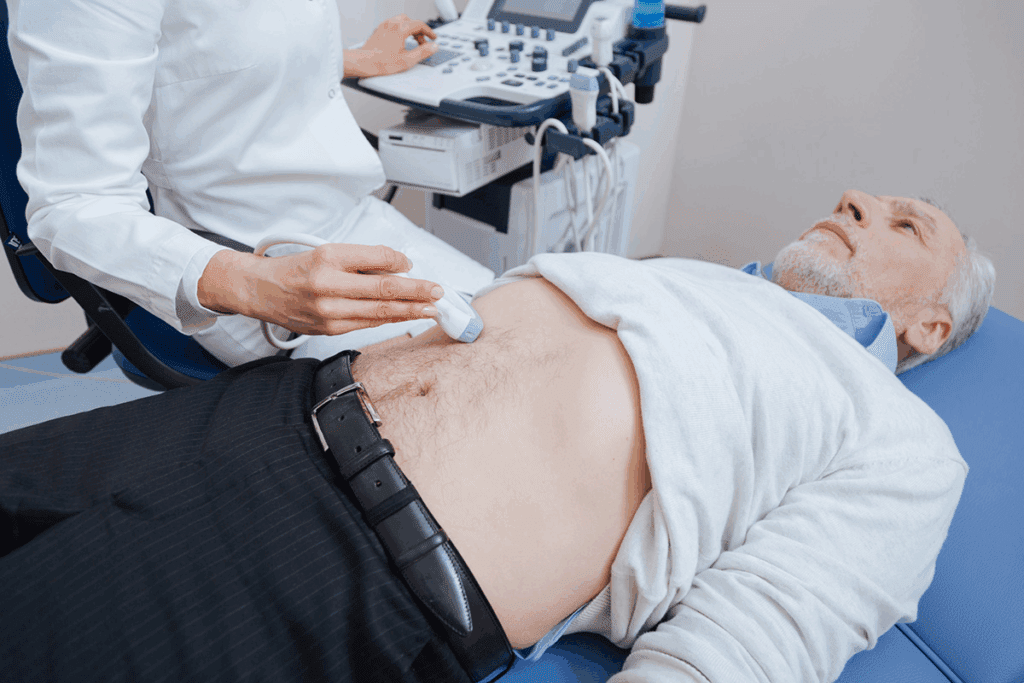
An abdominal ultrasound is a non-invasive way to see inside your body. It uses sound waves to create real-time images of your internal organs.
Studies show that an ultrasound of gallbladder can spot gallstones over 95 percent of the time. This makes it a key tool for doctors.
Liv Hospital is here to help you get ready for your gallbladder ultrasound. They want to make sure you get the best results.
Key Takeaways
- Understand the importance of preparation for a gallbladder ultrasound.
- Learn the essential steps to prepare for an abdominal ultrasound.
- Discover how Liv Hospital can support you throughout the process.
- Recognize the benefits of ultrasound imaging for gallbladder diagnosis.
- Gain insights into the diagnostic accuracy of gallbladder ultrasound.
The Complete Guide to Ultrasound of Gallbladder
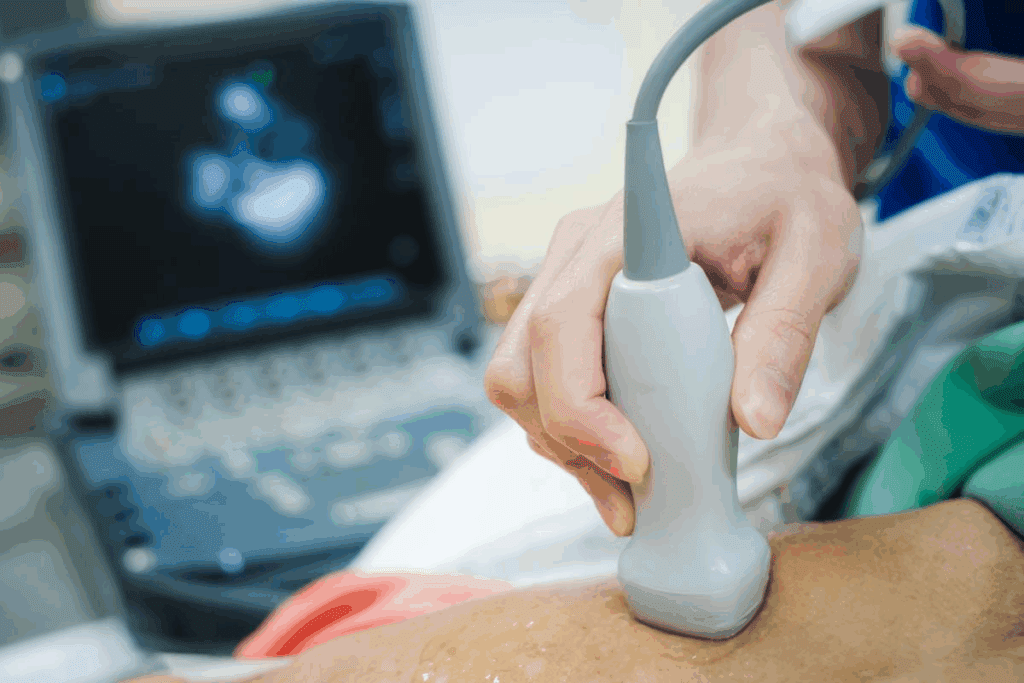
Ultrasound of the gallbladder is a key tool for checking gallbladder health. It lets doctors see the gallbladder and find problems.
This test is non-invasive and key for diagnosing gallbladder diseases. It’s great for spotting gallstones, polyps, and inflammation.
What Gallbladder Ultrasound Can Detect
Ultrasound can spot many issues, like gallstones, cholecystitis, and polyps. It also finds wall thickening and bile duct blockages.
Gallstones are common and ultrasound can find them. These stones can block and cause inflammation.
95% Sensitivity for Gallstone Detection
Ultrasound is very good at finding gallstones, with up to 95% accuracy. This makes it a top choice for diagnosing gallstone disease.
| Diagnostic Tool | Sensitivity for Gallstone Detection |
| Ultrasound | 95% |
| CT Scan | 80% |
| MRI | 85% |
Visualization of Polyps, Wall Thickening, and Bile Flow
Ultrasound also shows polyps, wall thickening, and bile flow issues. This is key for diagnosing cholecystitis and gallbladder cancer.
Getting ready for a gallbladder ultrasound is important. You need to fast for 6-12 hours before to get clear results.
Knowing what a gallbladder ultrasound can do helps patients prepare and understand their diagnosis.
What to Expect During Your Gallbladder Sonogram
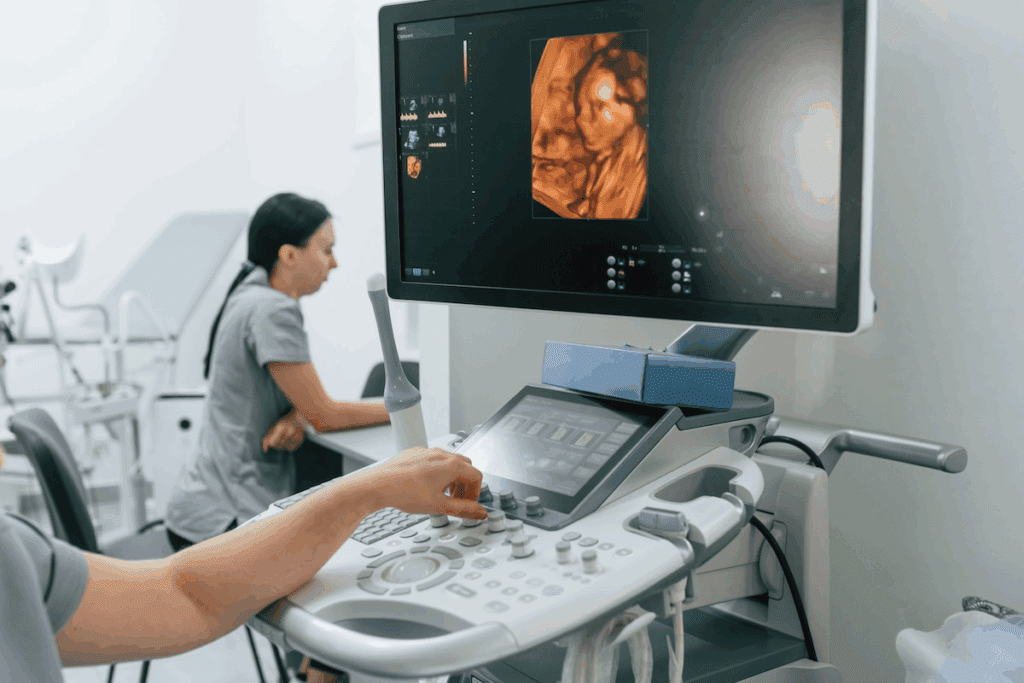
The gallbladder sonogram is a simple test that checks for gallbladder problems. It’s key for finding gallstones, polyps, and other issues.
The Non-Invasive Imaging Process
A gallbladder ultrasound uses a small device called a transducer. It sends high-frequency sound waves. These waves bounce off your gallbladder, creating images on a screen.
Key aspects of the non-invasive imaging process include:
- Use of a transducer to emit sound waves
- Capture of detailed images of the gallbladder
- No insertion of instruments into the body
- Minimal discomfort during the procedure
Duration and Comfort During the Procedure
The gallbladder sonogram usually takes 15 to 30 minutes. It’s a non-invasive test, so you might feel a bit of discomfort.
Factors that may influence the duration include:
- Patient preparation and adherence to fasting requirements
- Body habitus and the ease of accessing the gallbladder
- The skill and experience of the ultrasound technician
How Ultrasound Technicians Capture Gallbladder Images
Ultrasound technicians are key in getting clear gallbladder images. They apply gentle pressure and move the transducer to get images from different angles.
| Technician’s Action | Purpose |
| Applying gentle pressure | To bring the gallbladder into focus |
| Moving the transducer | To capture images from multiple angles |
| Adjusting settings | To optimize image quality |
Knowing what to expect during your gallbladder sonogram helps you prepare. This ensures the test goes smoothly and effectively.
Essential Prep Step 1: Fasting Requirements
To get accurate results from your gallbladder ultrasound, knowing the fasting rules is key. Fasting is a big part of getting ready, affecting how clear the images will be.
Why 6-12 Hours of Fasting Is Critical
Fasting for 6-12 hours before your ultrasound is important. It stops the gallbladder from contracting. When you eat, your gallbladder contracts to release bile, making it hard to see clearly during the ultrasound. A 6-12 hour fast lets the gallbladder relax, giving clearer images and better diagnoses.
Fasting also cuts down on bowel gas and stomach stuff that can hide organs like the liver and pancreas. With less in the way, the ultrasound tech can get more detailed pictures, making the test more useful.
How Food Affects Gallbladder Contraction
Eating food makes the gallbladder contract. This can mess with the ultrasound images. Fatty foods make the gallbladder contract even more, which can make the ultrasound less accurate. So, it’s important to avoid eating for the recommended time before the test.
Morning vs. Afternoon Appointment Considerations
The time of your ultrasound can affect your fasting. For morning tests, fasting all night is easier. For afternoon tests, you might have a light meal in the morning and then fast. Always follow your healthcare provider’s fasting instructions for the best results.
Knowing and following the fasting rules is a big part of getting ready for your gallbladder ultrasound. It helps make sure your test is accurate and reliable.
Essential Prep Step 2: Medication Management
To get accurate results from your gallbladder ultrasound, it’s important to think about your medications. Managing your medications is key to getting good results from your test.
Understanding Medication Impact
Some medicines can change how your gallbladder works or affect the ultrasound. Knowing which medicines to keep taking and which to stop is important.
Medications to Continue Taking
Most medicines are okay to keep taking before your ultrasound. But, tell your doctor about all your medicines. Medicines for long-term conditions like high blood pressure or diabetes are usually okay unless your doctor says not to.
Medications That May Require Temporary Discontinuation
Some medicines might mess with the ultrasound or how your gallbladder works. For example, medicines that make your gallbladder contract or change bile production might need to be stopped for a bit. Your doctor will tell you if you need to make any changes.
Talking about your medicines with your doctor is very important. They will check if any medicines could affect your ultrasound and give you advice that’s just right for you.
Discussing Your Medication List With Your Provider
Before your ultrasound, make an appointment with your doctor to talk about your medicines. This will help figure out the best way to handle your medicines before the test.
| Medication Type | Action | Reason |
| Chronic Condition Medications | Continue as usual | Essential for managing chronic conditions |
| Gallbladder Stimulants | Temporarily discontinue | May affect gallbladder function or ultrasound accuracy |
| Bile Production Affecting Medications | Temporarily discontinue | Potential impact on bile production or ultrasound imaging |
By managing your medicines carefully and following your doctor’s advice, you can make sure your ultrasound is accurate and helpful.
Essential Prep Step 3: Dietary Restrictions
Getting ready for a gallbladder ultrasound is more than just showing up. You need to pay attention to what you eat. Some foods can make you feel uncomfortable or even affect the quality of the ultrasound images.
Foods to Avoid 48 Hours Before
For 48 hours before your ultrasound, stay away from foods that can make you feel bloated or are hard to digest. Here are some examples:
- Beans and legumes, which are known to cause gas
- Carbonated drinks, such as soda and sparkling water
- Fried foods and high-fat foods, which can be hard on the digestive system
- Raw vegetables like broccoli and cabbage, which can cause discomfort
Low-Fat Diet Recommendations
Eating a low-fat diet before your ultrasound is a good idea. It helps your gallbladder look its best for the scan. Choose foods that are:
- Lean proteins like chicken and fish
- Low-fat dairy products to reduce fat intake
- Cooked vegetables, which are easier to digest than raw ones
Managing Dietary Restrictions for Accurate Results
It’s important to manage your diet well to get accurate results from your ultrasound. It’s not just about avoiding certain foods. It’s also about being mindful of your overall diet. Staying hydrated by drinking plenty of water is also key. It helps with digestion and can make you feel more comfortable during the test.
By following these dietary guidelines, you can help make sure your ultrasound gives clear and accurate images. This can help doctors diagnose and treat any gallbladder problems you might have.
Essential Prep Step 4: Hydration Guidelines
Keeping well-hydrated is vital for a successful gallbladder ultrasound. Drinking enough water ensures clear ultrasound images. This is key for making accurate diagnoses.
Water Intake Before and After Fasting
Drink clear water before and after fasting for your ultrasound. Water intake helps maintain patient comfort and improves ultrasound image quality. It’s best to drink water until fasting starts.
After fasting ends, you can drink water again. Staying hydrated is good for your health. It also helps reduce fasting discomfort.
Beverages to Avoid
While water is good, some drinks are best avoided before your ultrasound. Caffeine-containing drinks, like coffee and tea, can affect your gallbladder. They might change your ultrasound results.
Also, avoid carbonated drinks and those with lots of sugar. They can cause discomfort and affect ultrasound accuracy.
Balancing Hydration With Fasting Requirements
It’s important to balance hydration with fasting for a good ultrasound. Drink water until fasting starts and drink again after the ultrasound.
Following your healthcare provider’s hydration and fasting advice is key. This ensures the best ultrasound results.
Essential Prep Step 5: Proper Clothing and Comfort
Wearing the right clothes can greatly improve your comfort during a gallbladder ultrasound. It’s best to wear loose, comfortable clothing. This makes it easier for the technician to access your abdomen.
Recommended Attire for Easy Access
Opt for clothes that can be easily lifted or removed. Loose-fitting shirts or dresses are perfect for this. They give the needed access without being uncomfortable. Stay away from tight or complicated clothes that might get in the way.
Jewelry and Metal Objects Considerations
It’s wise to not wear jewelry or clothes with metal. These can sometimes mess up the ultrasound images. Take off any extra jewelry or metal items before the test. This ensures clear and accurate pictures.
Comfort Measures During the Procedure
To make you more comfortable, you might get a blanket or be asked to change positions. Tell the technician if you’re uncomfortable. They can adjust things to keep you comfortable the whole time.
Dressing right and being careful with jewelry and metal can make your gallbladder ultrasound go smoothly.
Essential Prep Steps 6-7: Documentation and Positioning
A successful gallbladder ultrasound relies on a few key factors. These include accurate documentation and the right patient position. Getting these right can greatly improve the quality of the ultrasound images.
Medical Records and Prior Imaging Results
Patients should bring their medical records and any past imaging results to the ultrasound. This information helps doctors make better diagnoses and track changes over time.
Having these results can also show any changes in the gallbladder. This is important for monitoring issues like gallstones or polyps.
Insurance Authorization and Referral Requirements
Before a gallbladder ultrasound, patients need to check their insurance authorization and meet any referral needs. This is important to avoid unexpected medical costs and ensure coverage.
Patients should confirm their insurance and get any needed referrals from their doctor. This makes the process smoother.
Optimal Patient Positioning for Image Quality
Patient positioning is key for getting good ultrasound images. The technician will help the patient find the best position. This might mean lying on their back or side and holding their breath.
Getting the position right helps the technician take clear images of the gallbladder. This improves the accuracy of the ultrasound results.
Conclusion: Ensuring Optimal Results for Your Gallbladder Ultrasound
Getting ready right is key for good gallbladder ultrasound results. Follow the 7 important steps in this guide to get the best results for your gallbladder sonogram.
Good preparation for a gallbladder ultrasound means fasting, managing meds, eating certain foods, staying hydrated, wearing the right clothes, and bringing documents. By following these tips, you help your doctor get clear images and make accurate diagnoses.
To make the most of your ultrasound, being prepared is essential. Talk to your doctor about any questions or worries. Make sure you know all the steps for a great gallbladder sonogram preparation.
By being proactive in your preparation, you help make the procedure go smoothly. This leads to better health outcomes for you.
FAQ
What is the purpose of a gallbladder ultrasound?
A gallbladder ultrasound helps find and track problems like gallstones, inflammation, or other issues. It’s a key tool for diagnosing gallbladder conditions.
How do I prepare for a gallbladder sonogram?
To get ready, fast for 6-12 hours and manage your meds. Follow dietary rules and stay hydrated as your doctor advises.
What can a gallbladder ultrasound detect?
It can spot gallstones, polyps, and wall thickening. It also checks bile flow, with a 95% success rate for finding gallstones.
How long does a gallbladder ultrasound take?
It usually lasts 15 to 30 minutes. This depends on the exam’s complexity and the technician’s skill.
What should I wear to a gallbladder ultrasound?
Wear loose, comfy clothes for easy access. Avoid metal jewelry or clothes to prevent image interference.
Can I drink water before a gallbladder ultrasound?
Drinking water is okay before and after fasting. Just follow your doctor’s hydration advice.
Are there any dietary restrictions before a gallbladder ultrasound?
Yes, avoid fatty foods 48 hours before. Stick to a low-fat diet for accurate results.
Do I need to stop taking my medications before a gallbladder ultrasound?
Some meds might need to stop before the test. Talk to your doctor about your meds.
How is a gallbladder ultrasound performed?
An ultrasound tech uses a transducer to get images. You’ll likely be in a supine or left lateral decubitus position.
Is a gallbladder ultrasound a painful procedure?
No, it’s non-invasive and painless. You might feel some pressure or discomfort from staying very quiet.
What are the benefits of a gallbladder ultrasound?
It’s non-invasive, highly sensitive for gallstones, and shows various gallbladder issues. It’s a valuable diagnostic tool.
References
Jones, M. W., & Small, K. (2024). Gallstones (Cholelithiasis). In StatPearls. StatPearls Publishing. https://www.ncbi.nlm.nih.gov/books/NBK459370/