Last Updated on December 3, 2025 by mcelik
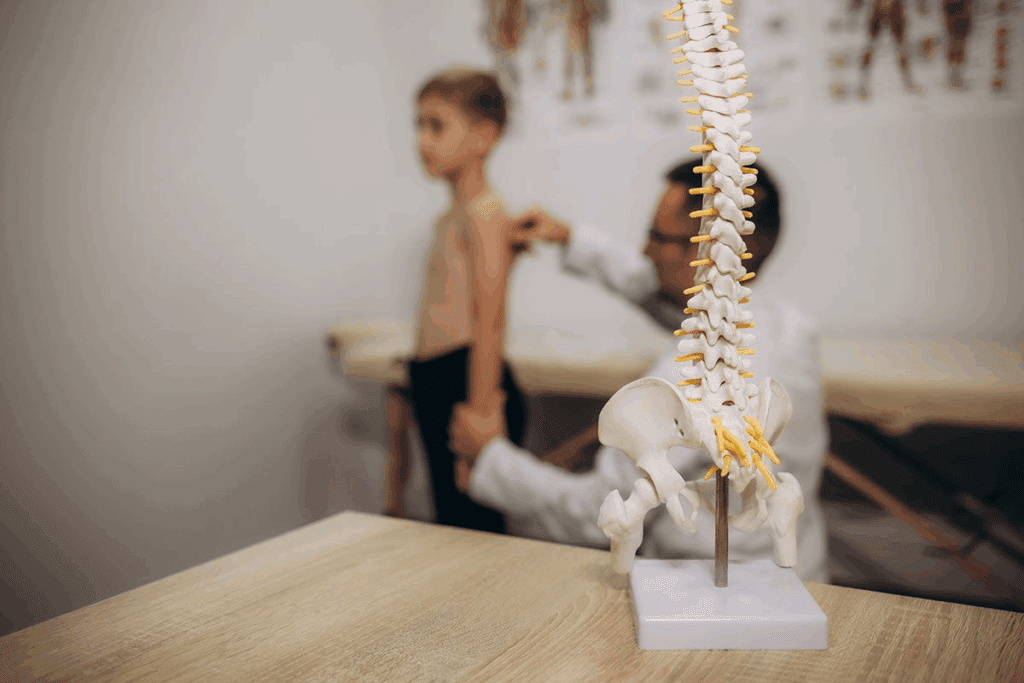
Scoliosis surgery risks are an important part of understanding spinal deformity correction. Studies show that nearly 1 in 5 patients experience some form of complication after scoliosis surgery. While the procedure can greatly improve posture and quality of life, it also carries potential side effects.
As medical experts, we focus on minimizing these scoliosis surgery risks through advanced surgical techniques and careful post-operative care. It’s essential for patients to know about possible complications so they can make informed decisions and prepare for recovery.
Key Takeaways
- Significant risk of complications after scoliosis surgery
- Potential for surgical complications and side effects
- Importance of understanding risks before undergoing spinal deformity correction
- Need for careful consideration and planning to minimize risks
- Role of medical professionals in ensuring patient safety
Understanding Scoliosis and Surgical Intervention

Scoliosis is a condition where the spine curves abnormally to one side. It may need surgery in severe cases. This condition can affect people of all ages, but it’s most common in teens.
What is scoliosis and when is surgery recommended?
Scoliosis is diagnosed when the spine curves more than 10 degrees. If the curve is over 45-50 degrees, surgery is often needed. This helps prevent breathing problems and severe deformity.
Surgery is typically considered for big curves or when bracing doesn’t work. The decision to have surgery depends on the patient’s health, curve severity, and the surgery’s risks and benefits.
Types of scoliosis surgical procedures
There are several surgeries for scoliosis, aiming to fix the spine and keep it stable.
- Spinal Fusion: The most common surgery, where vertebrae are fused with rods and screws.
- Anterior Spinal Fusion: Accesses the spine from the front.
- Posterior Spinal Fusion: The most common back approach.
- Vertebral Column Resection: A complex procedure for severe deformity.
General statistics on scoliosis surgery outcomes
Research shows scoliosis surgery improves many patients’ lives. Results depend on age, health, and curve severity.
Most patients see big improvements in their spinal shape after surgery. But, like any big surgery, there are risks and possible complications.
- Spinal fusion success rates are high, with big curve improvements.
- Complications like infection, nerve damage, and hardware failure are rare.
- Recovery times vary, but most return to normal in a few months.
Scoliosis Surgery Risks: An Overview
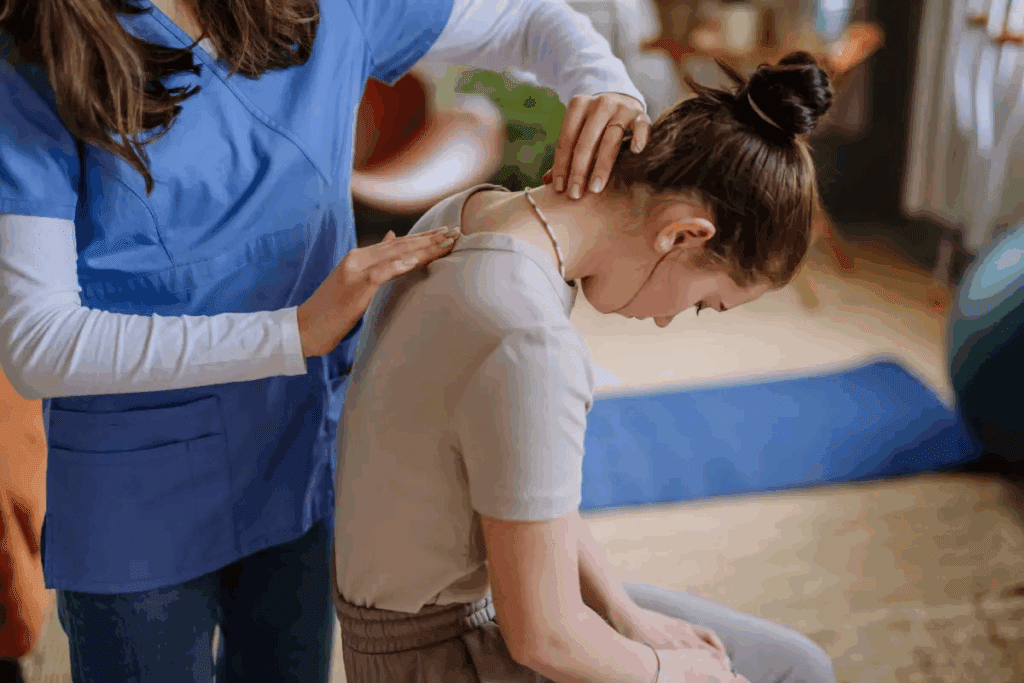
Scoliosis surgery, like spinal fusion, comes with risks. It’s key to know the common problems, what increases these risks, and how patient health affects results.
Common Complications Associated with Spinal Fusion
Spinal fusion joins vertebrae together using bone grafts, rods, and screws. While it works well, it can lead to infection, nerve damage, and hardware failure. These issues can affect how well a patient recovers and their long-term health.
A study in a medical journal showed that infection is a big problem after spinal fusion.
“Complications after spinal fusion are a major concern, with infection rates ranging from 1% to 5% and neurological complications occurring in up to 5% of cases.”
| Complication | Frequency | Impact |
| Infection | 1-5% | Significant morbidity, possible need for more surgery |
| Nerve Damage | Up to 5% | Can lead to long-term disability |
| Hardware Failure | Variable | May need more surgery, affects spinal stability |
Risk Factors that Increase Surgical Complications
Some factors can make scoliosis surgery riskier. These include pre-existing medical conditions, age, and how severe the scoliosis is. People with health problems or older patients are more likely to face complications.
- Pre-existing medical conditions (e.g., diabetes, heart disease)
- Advanced age
- Severe scoliotic curvature
- Poor nutritional status
How Age and Health Status Affect Surgical Outcomes
Age and health are very important for scoliosis surgery results. Older or sicker patients might face more risks, longer recovery times, and less than ideal results. Younger, healthier patients usually do better.
Knowing these factors helps doctors talk to patients about surgery risks and benefits. This leads to better decisions and care for patients.
Immediate Surgical Complications
It’s important to know the risks of scoliosis surgery. The purpose of this surgery is to correct spinal deformities. Knowing the risks helps patients and doctors make better choices.
Anesthesia-related Risks
Anesthesia is key for scoliosis surgery, making it painless. But, it has risks. Anesthesia-related complications can be mild or severe. They include allergic reactions, breathing problems, and anaphylaxis, a serious condition.
“The risk of anesthesia-related complications during scoliosis surgery, though low, needs careful patient evaluation and monitoring.” –
Expert Opinion
To lower these risks, anesthesiologists do detailed checks before surgery. They also watch patients closely during the surgery. New anesthesia methods help reduce problems.
Excessive Blood Loss During Surgery
Blood loss is a big risk in scoliosis surgery. The surgery’s complexity can cause a lot of blood loss. Hemorrhage control is very important.
| Risk Factor | Description | Mitigation Strategy |
| Complex Spinal Deformity | More complex deformities can lead to more blood loss. | Pre-operative planning and advanced surgical techniques. |
| Surgical Technique | The surgery method can affect blood loss. | Using methods that reduce blood loss, like controlled hypotension. |
Doctors and anesthesiologists work together to reduce blood loss. They use cell salvage and watch the patient’s blood pressure closely.
Infection Risks and Prevention Strategies
Infection is a risk with scoliosis surgery, like any surgery. Many things can affect this risk, like the patient’s health and the surgery’s complexity.
- Pre-operative antibiotics: Antibiotics before surgery to lower infection risk.
- Sterile surgical technique: The surgical team must follow strict clean techniques.
- Post-operative wound care: Watch the wound for signs of infection and care for it properly.
Understanding these risks and using prevention strategies can help. This way, doctors can make scoliosis surgery safer for patients.
Neurological Risks and Complications
Understanding the neurological risks associated with scoliosis surgery is crucial. The purpose of this surgery is to correct spinal deformities. But, it can lead to several neurological problems.
Spinal Cord Injury
Spinal cord injury is a big risk. The spinal cord is key to our nervous system. Damage can cause permanent loss of movement and feeling.
Nerve Root Damage and Symptoms
Nerve root damage is another issue. It can cause pain, numbness, and weakness in the limbs. The severity depends on the damage.
- Pain or numbness in the arms or legs
- Muscle weakness
- Loss of reflexes
Risk of Paralysis
Paralysis is a rare but serious risk. It can happen from severe spinal cord injury or nerve damage. Though rare, it shows the importance of careful surgery planning.
Talking to your doctor about these risks is key. They can explain the specific risks of your surgery and how to reduce them.
Hardware-Related Complications
Hardware in scoliosis surgery helps but comes with risks. These include rod breakage and screw loosening. These issues can affect the surgery’s success and the patient’s life quality.
Rod Breakage and Screw Loosening
Rod breakage and screw loosening are common after scoliosis surgery. Rod breakage happens when rods used to stabilize the spine fracture. Screw loosening occurs when screws detach from the vertebrae. Both can lead to a loss of spinal correction and might need more surgery.
Studies show rod breakage affects 5% to 15% of patients. Factors include the rod material, spinal correction, and patient health.
Implant Rejection and Allergic Reactions
Implant rejection and allergic reactions are rare but possible. Implant rejection happens when the body reacts against the hardware. Allergic reactions can occur due to metal materials.
Though rare, knowing these risks is important. Patients with metal allergies should talk to their surgeon.
Long-term Hardware Failure Rates
Long-term hardware failure is a concern after scoliosis surgery. It can be caused by wear, corrosion, or stress. The failure rate depends on the hardware type, surgery method, and patient factors.
Research shows failure rates can be 10% to 20% or more over 5 to 10 years. Regular check-ups with the surgical team are key to monitor hardware and address issues early.
Post-Operative Complications
The time after scoliosis surgery is very important. Patients can face several complications that affect their recovery. We will talk about blood clots, pulmonary embolism, respiratory issues, and stomach problems.
Blood Clots and Pulmonary Embolism
Blood clots are a big risk after surgery. They can form in the legs and move to the lungs. Preventive measures include medicines, compression stockings, and moving around early.
- Anticoagulant medications to prevent clot formation
- Compression stockings to improve blood flow
- Early mobilization to reduce prolonged bed rest
Respiratory Problems Following Surgery
Respiratory issues can happen because of anesthesia, pain, and the surgery. Patients might get atelectasis or pneumonia. Effective pain management and respiratory therapy are key to avoiding these problems.
- Effective pain management to encourage deep breathing
- Respiratory therapy to improve lung function
- Monitoring for signs of respiratory distress
Gastrointestinal Complications
Stomach problems like nausea, vomiting, and constipation can happen after surgery. These are often because of anesthesia, pain meds, and not moving much. Supportive care, like antiemetic meds and bowel management, can help.
It’s important to know about these possible complications to manage risks and help with recovery. By taking steps to prevent them and giving the right care, we can reduce these issues and better outcomes for patients.
Long-Term Complications of Scoliosis Surgery
Scoliosis surgery can lead to long-term issues that need careful management. While it often fixes spinal deformities, it’s key to know the possible long-term risks.
Adjacent Segment Disease
Adjacent segment disease (ASD) is a major long-term issue. It happens when the spinal segments near the fused area get stressed, leading to problems. Symptoms include pain, numbness, or weakness in the back or limbs, affecting a patient’s life quality.
Chronic Pain Development
Chronic pain is another long-term risk after scoliosis surgery. It can stem from hardware failure, incomplete fusion, or degenerative changes. Effective pain management strategies are key to reducing this issue and improving patient results.
Scar Tissue Formation and Its Effects
Scar tissue forms after surgery, including scoliosis surgery. While some is normal, too much can cause nerve compression or chronic pain. Knowing how scar tissue affects recovery can help manage its impact.
Mobility Limitations Following Spinal Fusion
Scoliosis surgery, like spinal fusion, can limit spinal mobility. The degree of limitation depends on the fused vertebrae and the surgery method. Physical therapy is essential in helping patients adjust and maintain function.
In summary, while scoliosis surgery is life-changing, it comes with long-term complications. Knowing these risks helps patients and doctors take steps to lessen them and improve results.
Different Surgical Approaches and Their Risk Profiles
There are various surgical methods for scoliosis, each with its own risks. The type of surgery chosen can greatly affect the outcome. It influences how well the spine is corrected and the chance of complications.
Traditional Posterior Approach Risks
The traditional posterior approach is the most common method. It involves making a cut along the back to reach the spine. This method is effective but comes with risks, including:
- Muscle damage: The posterior approach requires a lot of muscle cutting. This can cause muscle weakness and longer recovery times.
- Infection: As with any surgery, there’s a chance of infection with this approach.
- Blood loss: A lot of blood can be lost during surgery, which might need transfusions.
Anterior Approach Specific Complications
The anterior approach accesses the spine through the front of the body. It has its benefits but also risks, including:
- Pulmonary complications: This approach can cause breathing problems due to its closeness to the lungs and diaphragm.
- Vascular and visceral injuries: There’s a risk of harming major blood vessels and organs near the spine.
Minimally Invasive Techniques and Their Safety Profile
Minimally invasive surgery is becoming more popular. It aims for quicker recovery and less tissue damage. But, it also has its own risks:
- Limited visibility: Surgeons might have a harder time seeing the area, which could increase the risk of problems.
- Technical challenges: These procedures are complex and need special training and tools.
In conclusion, each surgical method for scoliosis correction has its own set of risks. It’s important for both doctors and patients to understand these risks. This helps in making the best choice for surgery.
Minimizing Risks Before and After Surgery
To get the best results from scoliosis surgery, knowing how to reduce risks is key. Scoliosis surgery is very effective in fixing spinal problems. But, it can have risks that can be lowered with the right steps before and after surgery.
Pre-operative Preparation to Reduce Complications
Getting ready for surgery is very important. It helps lower the risks of scoliosis surgery. This means checking your health before surgery and being in good shape.
- Get blood tests and imaging to make sure you’re healthy enough for surgery.
- Tell your doctor about all the medicines you take to avoid problems with anesthesia.
- Eat well and exercise to stay strong and healthy.
Surgeon Experience and Hospital Volume Considerations
The skill of the surgeon and the hospital’s experience with scoliosis surgery matter a lot. Studies show that:
- Doctors who focus on scoliosis and do many surgeries have better results.
- Hospitals that do a lot of scoliosis surgeries have better care and fewer problems.
Post-operative Care to Prevent Complications
Good care after surgery is key to avoiding problems and healing well. This includes:
- Watching for signs of infection or other issues right after surgery.
- Following a special plan for getting better that fits your needs.
- Going to check-ups with your doctor to see how you’re healing.
Physical Therapy’s Role in Successful Outcomes
Physical therapy is a big part of getting better after scoliosis surgery. It helps by:
- Improving how well you can move and strengthening your muscles.
- Lowering the chance of problems like blood clots and breathing issues.
- Helping your spine heal and work right, which is important for the surgery’s success.
By getting ready for surgery well, choosing a skilled surgeon and a hospital that does a lot of these surgeries, following your care plan, and doing physical therapy, you can greatly reduce risks. This way, you can have a good outcome from your surgery.
Conclusion: Making Informed Decisions About Scoliosis Surgery
It’s important to know the risks and complications of scoliosis surgery. We’ve talked about the immediate and long-term problems, like hardware issues and post-operative care. This knowledge helps you make better choices about your treatment.
Learning about scoliosis surgery is key to managing your expectations and reducing risks. Knowing what complications might happen can help you prepare. It’s also good to think about problems that might show up years later.
Talking to your healthcare provider is a good step. They can give you advice tailored to your situation. This way, you can understand the pros and cons of surgery. Being well-informed helps you move through treatment with confidence and hope for the best results.
FAQ
What are the most common complications associated with scoliosis surgery?
Common issues include infection, blood loss, and nerve damage. Spinal cord injury and hardware failure are also risks. Anesthesia problems, blood clots, and breathing issues are other concerns.
How does age affect the outcome of scoliosis surgery?
Older patients face higher risks. But, with the right care before and after surgery, many can have successful outcomes.
What is the risk of paralysis during scoliosis surgery?
Paralysis is a serious risk, but rare. We take careful steps to avoid it, like monitoring closely and using advanced techniques.
What are the risks associated with spinal fusion surgery?
Risks include hardware failure, infection, and nerve damage. It can also cause disease in other spinal segments and limit mobility.
How can I minimize the risks associated with scoliosis surgery?
To reduce risks, get a thorough check-up before surgery. Choose an experienced surgeon and follow their care instructions. Physical therapy is also key for a good outcome.
What are the long-term complications of scoliosis surgery?
Long-term issues include disease in other spinal segments, chronic pain, scar tissue, and mobility problems. Regular check-ups with your doctor can help manage these.
How do different surgical approaches affect the risk profile of scoliosis surgery?
Different methods, like traditional and minimally invasive, have their own risks and benefits. Your surgeon will choose the best one for you.
What is the success rate of scoliosis surgery?
Success rates vary by case and technique. Generally, surgery can correct deformity and improve life quality.
Can scoliosis surgery lead to chronic pain?
Surgery can improve life, but some may face chronic pain. This can stem from hardware failure, nerve damage, or disease in other segments.
Reference
- National Institute of Arthritis and Musculoskeletal and Skin Diseases (NIAMS): https://www.niams.nih.gov/health-topics/scoliosis