Last Updated on November 27, 2025 by ibrahim
Positron Emission Tomography (PET) scans are key in modern medicine. They help find and manage many health issues. Millions of PET scans are done every year worldwide. Knowing what to expect can make patients feel less anxious.
Getting a PET scan can be scary, even more so for those from other countries. Our goal is to offer clarity and support as you go through your tests.
A PET scan usually means lying on a table that moves into a big scanner. The scan time can change, but most take just a few hours. We’ll walk you through what happens, from getting ready to finishing the scan.
Key Takeaways
- PET scans are a vital diagnostic tool for various health conditions.
- The duration of a PET scan can vary but typically takes a few hours.
- Understanding the PET scan process can help reduce patient anxiety.
- Preparation and guidance are key to a smooth PET scan experience.
- Our team is committed to providing support throughout your diagnostic journey.
What is a PET Scan?
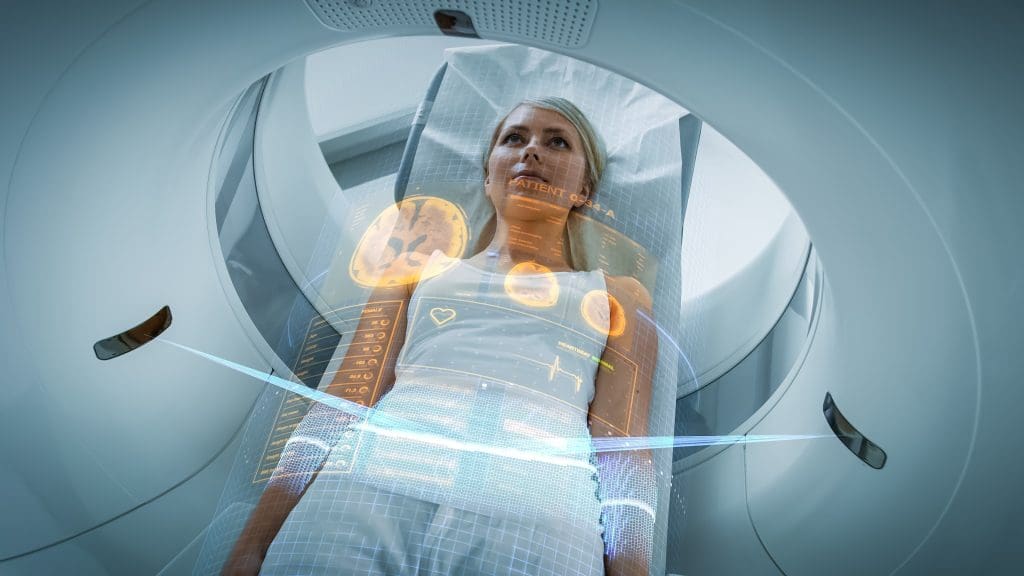
A PET scan is a high-tech way to see how the body works. It helps doctors find and treat diseases like cancer, brain problems, and heart issues. This scan shows how active different parts of the body are.
Definition and Basic Principles
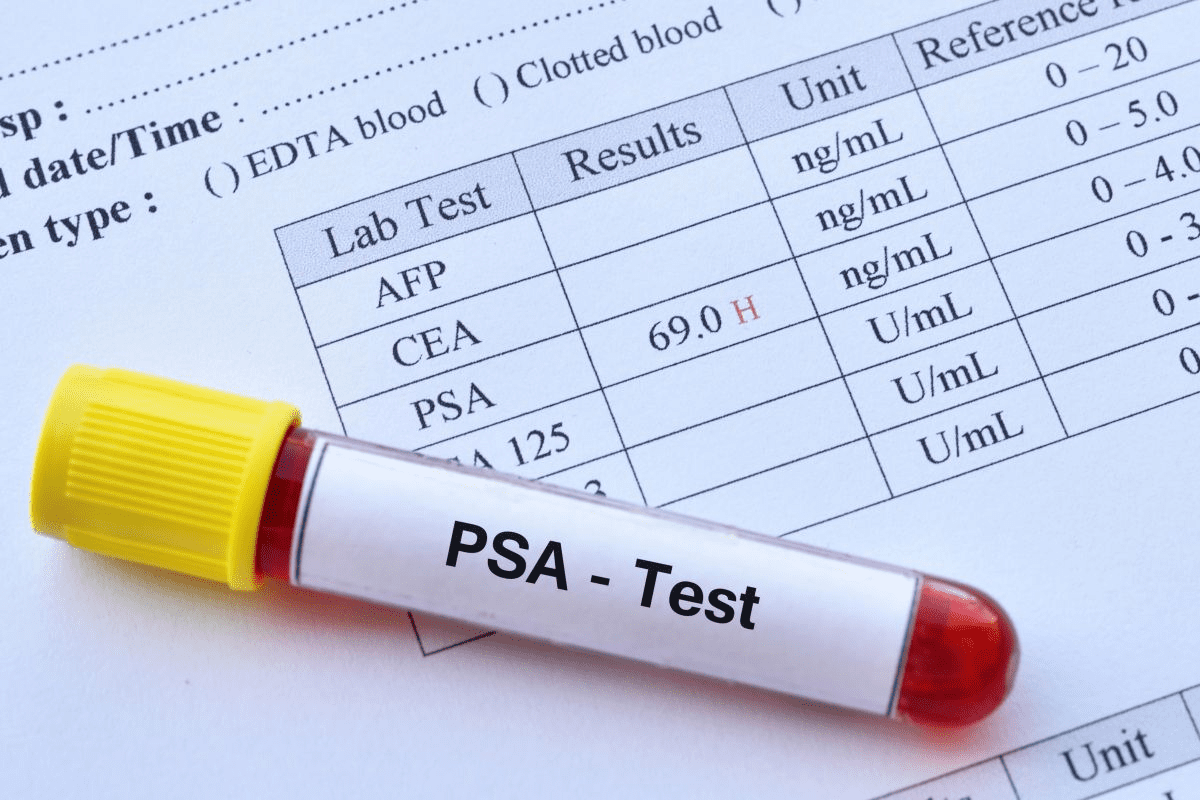
A PET scan uses a special kind of imaging called nuclear medicine. It uses a radioactive tracer to see inside the body. This tracer is a sugar molecule with a radioactive tag, like Fluorodeoxyglucose (FDG).
When injected, the tracer goes to areas that are very active, like growing tumors. The PET scan machine picks up this radiation to make detailed images. These images help doctors understand what’s going on inside the body.
How PET Imaging Works
First, the patient gets the radioactive tracer. Then, they wait a bit before getting scanned. The scanner makes images of the body’s activity based on the radiation from the tracer.
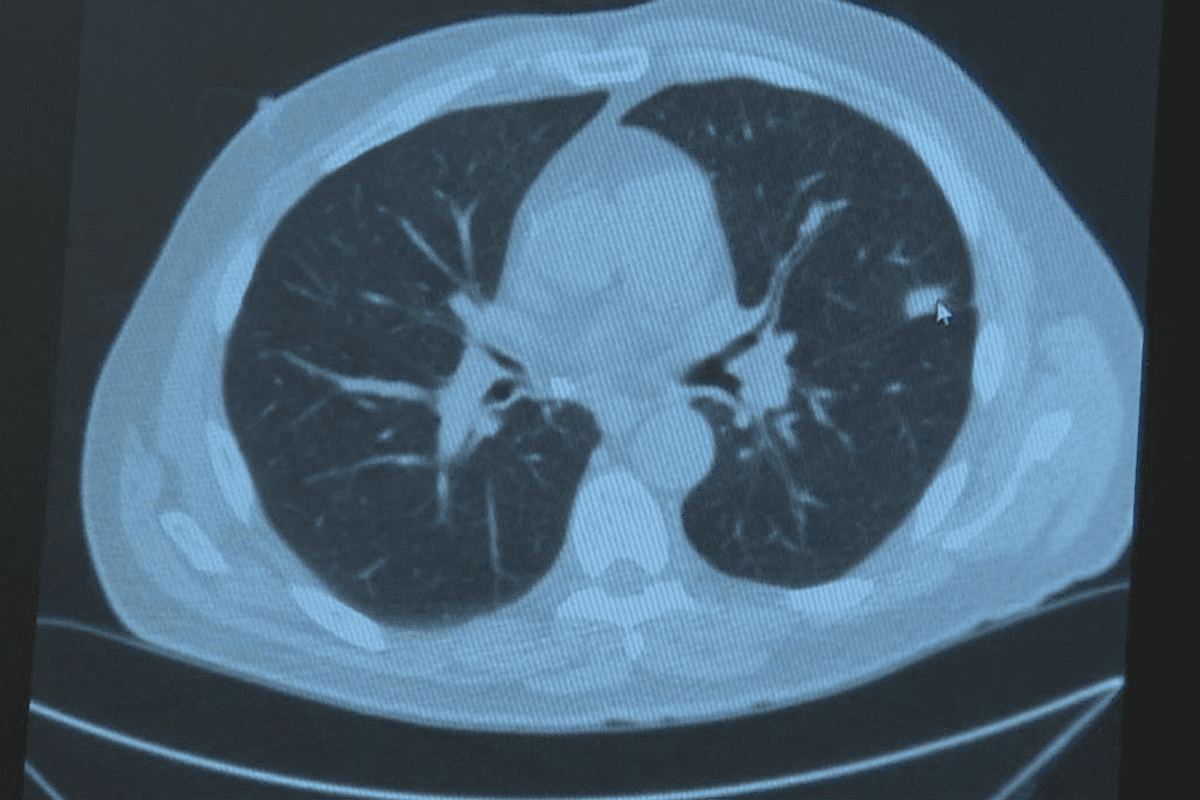
A radiologist looks at these images to find out what’s happening in the body. This helps doctors make accurate diagnoses and track how treatments are working.
Types of PET Scans Available
There are many kinds of PET scans, each for different uses. Here are a few:
| Type of PET Scan | Primary Use | Tracer Used |
| FDG PET Scan | Cancer detection, staging, and monitoring treatment response | Fluorodeoxyglucose (FDG) |
| Cardiac PET Scan | Assessing heart function and viability | Rubidium-82 or Nitrogen-13 Ammonia |
| Brain PET Scan | Diagnosing neurological disorders, such as Alzheimer’s disease | FDG or other specialized tracers |
Knowing about these different PET scans helps doctors pick the best one for each patient. This ensures the most accurate diagnosis and treatment plan.
Why Doctors Order PET Scans
PET scans are key for doctors with tough medical cases. They give vital info for diagnosing and managing health issues.
Common Medical Conditions Diagnosed
Doctors use PET scans for many health problems. These include cancers, brain disorders, and heart diseases. Their wide use makes them essential in healthcare.
PET scans are great for detailed body function checks. This is why they’re used so much in medicine.
Cancer Detection and Staging
PET scans for cancer detection are very helpful. They show where and how much cancer is in the body. This info is key for planning treatment.
For cancer detection, PET scans use a special tracer. This tracer goes to cancer cells. The scan then shows where and how big the cancer is.
| Cancer Type | Use of PET Scan | Benefits |
| Lymphoma | Staging and monitoring response to treatment | Accurate assessment of disease extent and treatment efficacy |
| Lung Cancer | Diagnosis, staging, and assessing recurrence | Helps in planning surgery or radiation therapy |
| Breast Cancer | Assessing spread and monitoring treatment response | Provides detailed information for treatment planning |
Neurological and Cardiac Applications
PET scans help with brain and heart issues too. They can spot Alzheimer’s, epilepsy, and more by checking brain function.
In heart care, PET scans check heart work and tissue health. This is key for deciding on treatments like surgery or medicine.
Knowing how PET scans work helps doctors make better choices. This leads to better treatment results for patients.
How Long Does a PET Scan Take: Complete Timeline
A PET scan takes more than just the scanning time. Knowing the whole process helps plan the day better.
Average Duration of the Actual Scanning Procedure
The scanning itself takes 30 to 60 minutes. This can change based on the scan type and body area. For example, a brain scan is quicker, while a full-body scan takes longer.
During the scan, you lie on a table that moves into the scanner. The machine captures signals from the tracer in your body, making detailed images.
Total Time Commitment Including Preparation
The actual scan time is 30 to 60 minutes. But, the whole process takes longer. Getting ready, changing clothes, and getting the tracer can add 30 to 60 minutes.
There’s also a time after the injection when the body absorbs the tracer. This can be 30 minutes to an hour, depending on the scan type and doctor’s instructions.
| Procedure Component | Average Duration |
| Registration and Preparation | 30-60 minutes |
| Tracer Uptake Period | 30-60 minutes |
| Actual Scanning Procedure | 30-60 minutes |
| Total Time Commitment | 1.5 to 3 hours |
Factors That Affect Scan Duration
Many things can change how long a PET scan takes. These include the scan type, body area, patient health, and facility protocols.
For instance, some medical conditions or trouble staying calm might need extra time. The facility’s efficiency and staff experience also play a role.
Knowing these factors helps prepare for a PET scan. It makes the experience less scary and more manageable.
Preparing for Your PET Scan
A successful PET scan starts with good preparation. This includes following dietary guidelines and considering your medications. We know preparing for a PET scan can seem tough. But with the right help, you can make it smooth and successful.
Pre-scan Instructions and Restrictions
Before your PET scan, you need to follow certain steps. Avoid strenuous exercise for at least 24 hours before. You might also need to fast for a while before the scan. Make sure to follow the diet advice given by your healthcare provider.
Experts say, “Proper preparation is key to getting high-quality PET scan images.”
“The quality of the PET scan images depends significantly on the patient’s preparation. Following the pre-scan instructions carefully is essential for accurate diagnosis and treatment planning.”
Dietary Guidelines Before the Procedure
Your diet is important for PET scan prep. You might need to stick to a specific diet before the scan. This could mean avoiding certain foods or drinks. Your healthcare provider will give you all the details you need.
A common diet rule is to avoid sugary foods and drinks for 24 hours before. Drinking plenty of water is also recommended to stay hydrated.
Medication Considerations
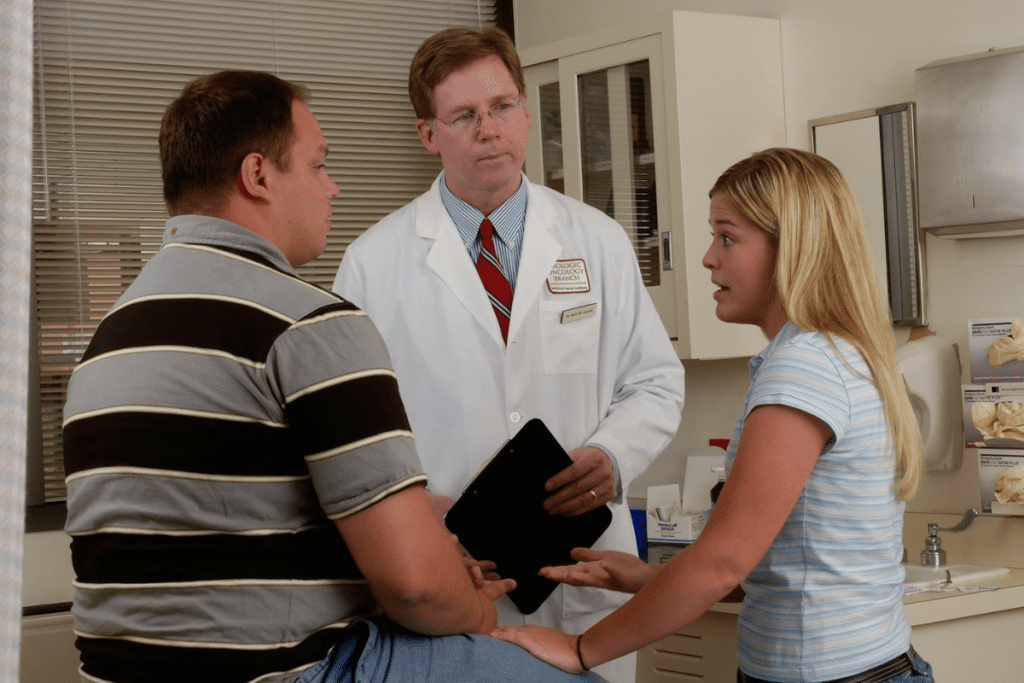
Some medications can impact your PET scan results. Tell your healthcare provider about all medications you’re taking, including supplements and vitamins. They will tell you if you should keep taking them or stop before the scan.
It’s also important to share any allergies or sensitivities to medications or contrast agents. This helps your healthcare team make sure you’re safe during the procedure.
By following these steps and working with your healthcare provider, you can have a successful PET scan. And you’ll get accurate results.
The Day of Your PET Scan: Step-by-Step Process
Knowing what to expect during a PET scan can reduce anxiety. We’ll walk you through each step to prepare you for your visit.
Arrival and Check-in Procedures
When you arrive, you’ll check in at the reception desk. Try to get there 15-30 minutes early to fill out paperwork. “Arriving early ensures your PET scan goes smoothly,” says a top nuclear medicine expert.
At check-in, you’ll need to show your ID, insurance, and medical records. Then, you’ll wait in the waiting area until it’s your turn.
Initial Preparation Time
Next, you’ll go to a prep room. Here, you’ll change into a gown, remove metal items, and get on the scanning table.
Our team will make sure you’re comfortable and safe before the scan. We aim to make this experience as easy as possible for you.
What to Bring and Wear
Wear loose, comfy clothes and leave valuables and metal items at home. Bring your ID, insurance, and any medical records or scans you’ve had before.
- Comfortable clothing without metal fasteners
- Identification and insurance cards
- Relevant medical records or previous imaging results
Being prepared helps us do your PET scan efficiently and well.
The Tracer Injection Process
The PET scan starts with a special tracer injection. This tracer highlights areas of high chemical activity in the body. It’s key for spotting concerns during the scan.
What is FDG and How it Works
Fluorodeoxyglucose (FDG) is a common tracer used in PET scans. It’s a glucose molecule with a radioactive tag. FDG PET scans rely on the fact that cancer cells and active cells take up more glucose than normal cells.
When FDG is injected, it goes into these cells. It’s not broken down like glucose, so it stays in the cells. This makes it easy to see where the activity is.
The Injection Procedure and Duration
The tracer injection goes through a vein in the arm. It’s quick, taking less than a minute. But getting ready and waiting for the tracer to work takes about an hour and a half.
Patients might feel a pinch or stinging when the needle goes in. After the tracer is in, the needle comes out, and a bandage is put on.
Possible Sensations During Injection
Patients might feel a cold sensation or some discomfort at the injection site. These feelings are usually short-lived and go away quickly after the injection.
| Sensation | Duration | Frequency |
| Cold feeling | Temporary | Common |
| Discomfort at injection site | Short-term | Occasional |
| Pinch or stinging | Brief | Common |
The tracer injection is a key part of the PET scan. Knowing what to expect can make it less scary for patients.
“The use of FDG in PET scans has revolutionized the field of oncology, allowing for early detection and monitoring of cancer.” An Oncologist
The Uptake Period Explained
After the tracer is injected, patients wait in the uptake period. This is key for getting clear images. The tracer moves through the body and gets absorbed by cells, based on how active they are.
Why Waiting is Necessary After Injection
The uptake period is important. It lets the tracer reach and build up in the target areas. This waiting time is essential for the PET scan to show the body’s metabolic processes accurately.
The waiting period is very important. It’s when the tracer, like FDG, gets taken up by cells based on their glucose use. This is what makes PET scans work, showing where the body is most active, which can mean disease.
Duration of the Uptake Period
The length of the uptake period changes based on the tracer and scan needs. For FDG PET scans, it’s usually 30 to 60 minutes.
| Tracer Type | Typical Uptake Duration |
| FDG (Fluorodeoxyglucose) | 30-60 minutes |
| Other tracers | Varies (check specific guidelines) |
What Patients Can Do During This Time
Patients need to rest in a warm, comfy spot during the uptake period. This helps the tracer spread evenly. It’s important to stay calm and not move too much.
“Patients should remain calm and comfortable during the uptake period to ensure the tracer spreads evenly throughout the body.”
Medical Guidelines for PET Scans
Some places let patients read, listen to music, or use devices during this time. But, always listen to what the medical staff says.
Knowing about the uptake period helps patients get ready for the PET scan. It makes the whole process smoother.
Inside the PET Scanner: The Actual Procedure
When it’s time for the PET scan, you’ll be placed on a comfy table. It will move into the PET scanner. We know it might seem scary, but knowing what to expect can make it easier.
Positioning in the Machine
As you lie on the table, you’ll be positioned to get the right images. Our skilled technicians will help you get into the right spot. They’ll make sure you’re comfortable and safe.
The table will then slide into the PET scanner. This machine surrounds you with detectors that catch the signals from the tracer. It’s important to stay very quiet and not move to get clear images.
What Happens During the Scan
During the scan, the PET scanner will move around you, taking images from different angles. This process is usually quiet. You might hear some soft sounds from the machine.
Here are some key things about the scanning process:
- The scan is painless and doesn’t hurt.
- You might need to hold your breath for a bit to get clearer images.
- Our team will watch over you from another room, making sure you’re safe and the scan goes well.
Managing Claustrophobia and Comfort
We know being in the PET scanner can be tough for people with claustrophobia. To help, we have a few strategies:
- Open-design scanners: Some of our scanners are more open, which can help you feel less trapped.
- Relaxation techniques: We can teach you ways to relax, like deep breathing or imagining a calm place.
- Support: Our staff will be with you before and during the scan. They’ll check in to make sure you’re okay.
By understanding the PET scanning process and working together, we can make this experience as comfortable as possible for you.
PET/CT Combination Scans: Additional Considerations
PET/CT scans are a big step forward in medical imaging. They combine Positron Emission Tomography (PET) and Computed Tomography (CT) into one scan. This makes them a more detailed tool for doctors.
We’ll look at how these scans are different from PET scans alone. We’ll also talk about their benefits and what patients can expect during the scan.
Differences in Combined Scans
PET/CT scans give both functional and anatomical info in one go. PET scans show how tissues work, while CT scans show their structure. This is different from PET scans alone.
Key differences include:
- Comprehensive diagnostic information
- Improved accuracy in detecting and staging diseases
- Enhanced ability to guide treatment decisions
Benefits of Integrated Imaging
Combining PET and CT scans has many benefits. It makes diagnosis more accurate and convenient for patients.
| Benefit | Description |
| Comprehensive Diagnosis | Combining functional and anatomical imaging provides a more complete understanding of the patient’s condition. |
| Improved Accuracy | The fusion of PET and CT images enhances the accuracy of disease detection and staging. |
| Enhanced Convenience | Undergoing a single PET/CT scan reduces the need for multiple imaging procedures, making the diagnostic process more efficient for patients. |
What to Expect During a Combined Scan
During a PET/CT scan, the process is similar to a PET scan alone. But, there’s an extra step for the CT scan.
We’ll help patients through the whole process. We want them to feel comfortable and understand what’s happening. The scan includes:
- Initial preparation, including the administration of a PET tracer
- A waiting period to allow the tracer to distribute
- The PET/CT scanning procedure, during which the patient lies on a table that moves through the scanner
Knowing what to expect can help patients feel less anxious. It prepares them for the procedure.
Factors That May Extend Your PET Scan Time
Knowing what can make a PET scan longer is important for patients. The scan itself is usually simple. But, many things can affect how long it takes.
Patient-Specific Variables
Things about you can change how long a PET scan takes. These include:
- Body size and composition: Bigger bodies might need more time for clear images.
- Medical history: Some health issues might need extra care or steps.
- Ability to remain staying stil: Trouble staying calm can make the scan longer.
Technical and Equipment Factors
The tech and gear used in a PET scan also matter. Important points are:
- Scanner type and age: New scanners are often quicker than old ones.
- Software and image processing: New software might take longer to process.
- Maintenance and calibration: Keeping the scanner in good shape is key, and updates can slow things down.
Medical Complications and Adjustments
Medical issues or changes during the scan can also add time. These might include:
- Allergic reactions: If you react to the tracer, more time is needed to handle it.
- Image quality issues: Poor images might mean the scan needs to be redone or adjusted.
- Unexpected findings: Finding something unexpected might lead to more tests or talks with doctors.
Understanding these points can help you get ready for your PET scan. It will make you know what to expect.
Post-Scan Procedures and Recovery
The time after your PET scan is just as important as the scan itself. We’ll guide you through what to expect. After your PET scan, we’ll give you detailed after-care instructions. This will help you recover smoothly and comfortably.
Immediate After-Care Instructions
Our team will help you with the immediate after-care steps after your PET scan. It’s key to follow these steps carefully to avoid any side effects from the tracer. Drinking plenty of water is recommended to flush out the tracer.
You might also need to avoid close contact with pregnant women and young children for a few hours. This is just a precaution.
How Long Before You Can Leave the Facility
The time you’ll stay at the facility after your PET scan varies. Usually, it’s at least 30 minutes to an hour. This lets our team check on you and make sure you’re okay to go.
We’ll also give you detailed after-care instructions and answer any questions you have during this time.
Returning to Normal Activities
Most people can go back to their normal activities right after leaving the facility. The PET scan procedure usually doesn’t need recovery time. But, it’s important to follow the specific advice from your healthcare team.
| Activity | Guideline |
| Driving | You can usually drive yourself home unless you’ve been given specific instructions. |
| Eating and Drinking | Resume your normal diet unless your healthcare provider advises differently. |
| Work and Daily Activities | You can usually return to work and your daily routine right away. |
By following these guidelines and your healthcare team’s specific instructions, you can have a smooth recovery. This will help you get the best results from your PET scan.
How Long Does It Take to Get PET Scan Results?
After a PET scan, patients often wonder when they’ll get their results. The time it takes can change based on the scan’s complexity and the facility’s workload.
Typical Timeframes for Result Analysis
PET scan results usually come a few days after the scan. It can take from 24 to 72 hours, sometimes longer.
We know waiting for results can be tough. Our team works hard to get them to you quickly and right.
Factors Affecting Result Delivery
Several things can affect when you get your PET scan results. These include:
- The complexity of the scan
- The workload of the radiology department
- The need for additional imaging or consultations
- The specific protocols of the healthcare facility
Knowing these factors can help you understand when to expect your results.
| Factor | Impact on Result Delivery |
| Scan Complexity | More complex scans may require longer analysis times |
| Radiology Workload | Higher volumes can delay result processing |
| Additional Imaging | Need for additional scans or consultations can extend the timeframe |
Understanding Your Results
When your PET scan results are ready, your doctor will talk about them with you. It’s important to remember that PET scan results are just part of your overall diagnosis.
Your doctor will look at your results with your medical history, symptoms, and other tests. They will explain what the results mean for your treatment and what to do next.
Key aspects to discuss with your doctor include:
- The findings of the PET scan
- How the results impact your diagnosis or treatment plan
- Any additional tests or procedures that may be needed
Getting and understanding your PET scan results is a big part of your care. We’re here to support you every step of the way.
PET Scan Side Effects and Safety Considerations
PET scans are usually safe, but it’s good to know about possible side effects. Knowing what to expect can make things easier and less scary.
Common Side Effects and Their Duration
Most people do fine with PET scans, but some might feel a bit of discomfort. This can be from the injection or the scan itself. Common issues are usually mild and go away quickly, like:
- Discomfort or pain at the injection site
- Mild allergic reactions to the tracer
- Claustrophobia or anxiety during the scan
These issues usually get better right after the scan. But, tell your doctor if you’re feeling worse or if something doesn’t feel right.
Radiation Exposure Concerns
PET scans use a tiny bit of radiation because of the tracer. Even though the dose is small, it’s something to think about, mainly for those who need more scans.
We do a lot to keep radiation low:
- Using the least amount of tracer needed
- Adjusting the scan for each person
- Checking if the scan’s benefits are worth the risk
Even with some radiation, the scan’s benefits for serious health issues are usually worth it.
When to Contact Your Doctor
Keep an eye on how you feel after the PET scan. Call your doctor if you notice anything odd or if your symptoms get worse. You should reach out if you experience:
- Severe allergic reactions
- Significant pain or swelling at the injection site
- Any symptoms that concern you or seem unusual
Your healthcare team is ready to help with any questions or worries. Don’t be afraid to ask for support during your diagnostic process.
Special Types of PET Scans and Their Duration
PET scans come in many forms, each for different medical needs. They help us get accurate diagnoses and plan treatments well. Each type is used for specific conditions, ensuring we get the right information.
Brain PET Scans
Brain PET scans are key for diagnosing neurological issues. They check how the brain works and find any problems. These scans usually take 30 to 60 minutes, depending on what we need to see.
Cardiac PET Scans
Cardiac PET scans look at the heart’s function and find heart disease. They show how blood flows to the heart. The scan itself takes 30 minutes to an hour. But getting ready and after-care can add 2 to 3 hours.
Full-Body PET Scans
Full-body PET scans help in cancer staging and tracking treatment. They show the body’s metabolic activity all over. The time for a full-body scan varies, from 30 minutes to over an hour, based on the body area and scan details.
PSMA PET Scans for Prostate Cancer
PSMA PET scans are for finding prostate cancer that has come back. They are very good at spotting cancer cells. Like other PET scans, a PSMA scan usually takes 30 to 60 minutes.
To understand the differences and times of these PET scans, here’s a table:
| Type of PET Scan | Typical Duration | Primary Use |
| Brain PET Scan | 30-60 minutes | Neurological conditions |
| Cardiac PET Scan | 30 minutes to 1 hour | Heart function and disease |
| Full-Body PET Scan | 30 minutes to over 1 hour | Cancer staging and monitoring |
| PSMA PET Scan | 30-60 minutes | Prostate cancer detection |
Knowing about the different PET scans and their times helps patients prepare. We aim to guide and support you every step of the way.
Conclusion: Planning Your Day Around a PET Scan
A PET scan is a detailed medical imaging test that needs careful planning. When you’re getting ready for your PET scan, it’s key to know all the steps. This includes getting ready before the scan and what happens after.
We’ve covered everything from getting ready to the actual scan and what happens next. Knowing what to expect helps you plan your day better. This way, you can avoid any problems.
To have a great experience, arrive early and follow the instructions for getting ready. Also, don’t hesitate to ask your healthcare provider any questions. Being prepared makes your PET scan go smoothly.
FAQ
How long does a PET scan typically take?
A PET scan itself takes about 30 to 60 minutes. But, getting ready and waiting can take 2 to 4 hours.
What is a PET scan used for?
PET scans help find and track diseases like cancer, brain disorders, and heart issues. They show how active tissues and organs are.
How do I prepare for a PET scan?
You might need to eat less, avoid hard exercise, and tell your doctor about your meds. Your doctor will give you all the details.
What happens during the tracer injection process?
A tiny bit of radioactive material, like FDG, is injected into a vein. You might feel a pinch or sting.
What is the uptake period, and how long does it last?
The uptake period is when your body absorbs the tracer. It lasts 30 to 90 minutes, depending on the scan type.
How long does it take to get PET scan results?
Results can take a few hours to a few days. It depends on the scan’s complexity and the radiology team’s workload.
Are there any side effects from a PET scan?
Most people don’t feel bad after a PET scan. But, you might feel a bit uncomfortable during the injection or feel claustrophobic. The radiation risk is low.
Can I eat or drink before a PET scan?
You might need to fast for 4 to 6 hours before the scan. You can drink water, but check with your doctor first.
How long do I need to stay at the facility after a PET scan?
You can usually leave right after the scan, unless your doctor says to stay longer. The tracer will leave your body over time.
Are PET scans safe?
PET scans are safe when done right. The radiation is low, and the scan’s benefits are high. Talk to your doctor about any worries.
What should I wear during a PET scan?
Wear comfy, loose clothes without metal. You might need to change into a hospital gown.
Can I bring someone with me during the PET scan?
It depends on the facility. Some let you bring someone during waiting times, but not during the scan.
How is a PET scan different from a CT or MRI scan?
PET scans show how tissues work, while CT and MRI scans show body structure. PET scans often go with CT or MRI for a full view.
What are the benefits of a PET/CT combination scan?
A PET/CT scan combines function and anatomy in one scan. This can make diagnosis and treatment planning better.
Are there any special considerations for a brain PET scan?
Brain PET scans have special rules and might need extra prep. The scan time and focus on brain activity are similar to other PET scans.