
Iron deficiency is a common nutritional disorder that affects millions, mostly women. While fatigue and pale skin are known signs, many surprising indicators, or unusual symptoms iron deficiency anemia, often go unnoticed. Recognizing these unusual symptoms is crucial for complete care and early intervention to prevent complications.

It’s important to recognize these unusual symptoms of iron deficiency anemia for complete care. Studies reveal that nearly 40% of women aged 12 to 21 have iron deficiency. Symptoms include restless legs syndrome, cravings for non-food items like ice or dirt, and changes in the tongue and ears such as soreness or tinnitus. Being aware of these signs can help with early diagnosis and effective treatment to prevent complications.
We are dedicated to providing top-notch care by spotting and treating these subtle yet important health signs.
Key Takeaways
- Iron deficiency affects a significant portion of the global population, mainly women.
- Recognizing unusual signs is key to complete care.
- Restless legs and cravings for non-food items are among the surprising indicators.
- Changes in the tongue and ears can also be signs of low iron levels.
- Early detection is vital for effective treatment and care.
Understanding Iron Deficiency and Its Impact on the Body
Iron is a key mineral in our bodies. Not having enough can cause health problems. It helps make hemoglobin, a protein in red blood cells that carries oxygen.
The Essential Role of Iron in Bodily Functions
Iron is important for making red blood cells and keeping muscles strong. It also helps our immune system work properly. Our bodies always need iron, so we must keep enough in our system. When iron levels drop, it can lead to unusual symptoms of iron deficiency anemia, such as restless legs syndrome, cravings for non-food items like ice or dirt (pica), changes in the tongue like soreness, and ringing in the ears. Recognizing these symptoms is crucial for timely diagnosis and effective treatment.
erroneous image
How Deficiency Develops and Progresses
Iron deficiency happens when we don’t get enough iron from food or lose too much. It can sneak up on us. As it gets worse, it can turn into anemia, where we have fewer red blood cells or less hemoglobin. This progression is marked by stages, starting with depleted iron stores and ending with iron deficiency anemia, which presents with unusual symptoms of iron deficiency anemia such as fatigue, weakness, pale skin, and more severe signs like shortness of breath and chest pain. Recognizing these symptoms early can help in timely treatment and prevent complications.
There are different levels of anemia, from mild to severe. Knowing about these levels helps us catch and treat it early.
Common vs. Unusual Symptoms of Iron Deficiency Anemia
Iron deficiency anemia symptoms vary widely. They range from common signs like fatigue to less common signs. This variety can lead to confusion and wrong diagnoses. It shows the importance of knowing all about this condition.
Iron deficiency anemia has many symptoms, some well-known and others not so much. Fatigue, pale skin, and shortness of breath are common signs. These happen because iron is key to making hemoglobin, which carries oxygen in red blood cells.
Well-Known Signs of Low Iron Levels
The most common symptoms of iron deficiency anemia include:
- Fatigue and weakness
- Pale skin and mucous membranes
- Shortness of breath and dizziness
- Cold hands and feet
These symptoms happen because the blood can’t carry as much oxygen. This leads to less energy and weaker physical performance.
Why Unusual Symptoms Often Go Unrecognized
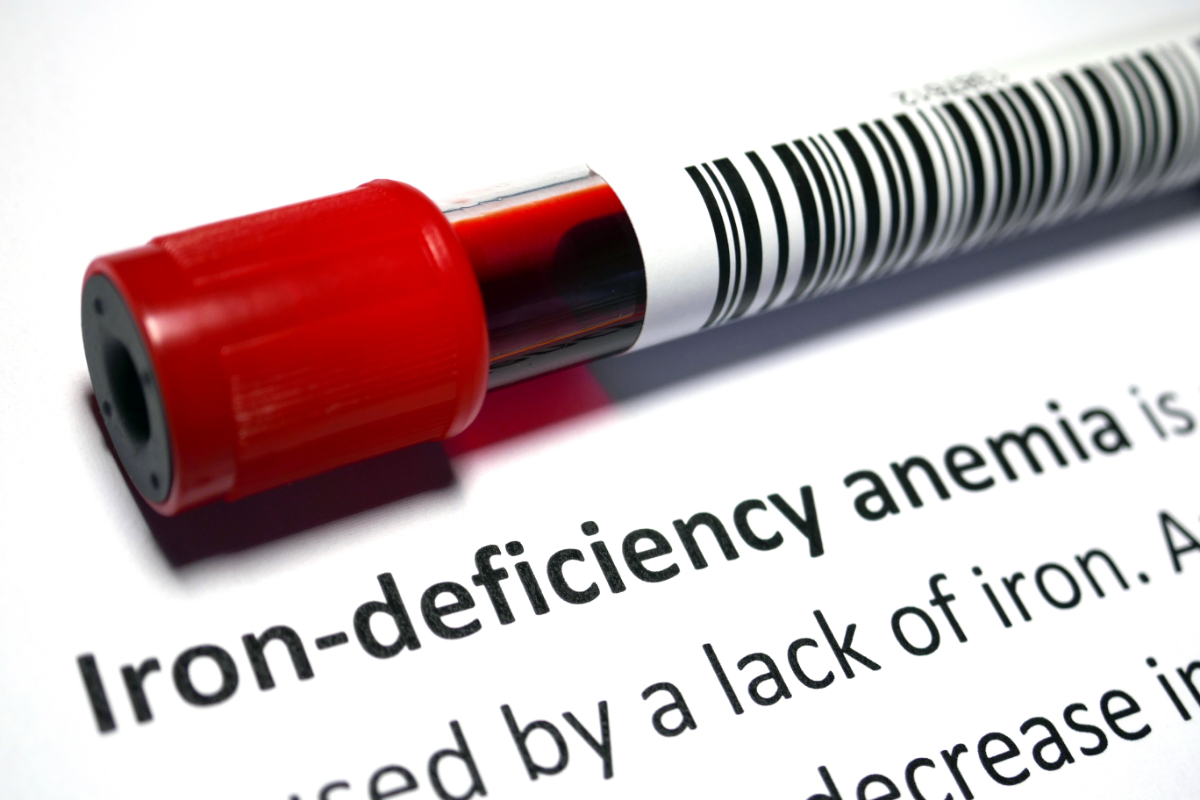
While common symptoms are well-known, unusual symptoms of iron deficiency anemia are often missed. Conditions like restless legs syndrome, pica, and glossitis can be linked to iron deficiency but are often misdiagnosed.
Restless legs syndrome makes you feel like you must move your legs, often with uncomfortable feelings. Pica is when you crave non-food items, like dirt or chalk. Glossitis makes your tongue swell and hurt. These symptoms can be confusing and not linked to iron deficiency anemia right away.
It’s key to know all symptoms of iron deficiency anemia, both common and unusual. Healthcare providers need to be aware of these symptoms to give the right care.
Restless Legs Syndrome: An Overlooked Iron Deficiency Signal
Restless Legs Syndrome (RLS) can cause more than just discomfort. It might also point to a lack of iron. RLS makes you feel like you must move your legs, often with feelings of tingling, burning, or itching.
We will look into how RLS and iron deficiency are connected. This link is often missed but is key to managing RLS well.
The Connection
Studies show that people with RLS often have low iron. Iron is important for making dopamine, which helps control movement. Without enough iron, dopamine levels drop, causing RLS symptoms.
Low iron levels can make RLS symptoms worse. So, treating any iron deficiency is vital. Iron supplements can help ease RLS symptoms in those with low iron.
Managing Nighttime Discomfort
Dealing with RLS discomfort at night can be tough. But there are ways to make it better. Starting a calming bedtime routine and making your sleep area comfy are good first steps.
- Keep a regular sleep schedule
- Stay away from caffeine and screens before bed
- Try relaxing activities like reading or meditation
Changing your lifestyle is important. But, iron supplements might also be suggested for those with iron deficiency. Always talk to a doctor about the right treatment.
Pica: The Strange Urge to Eat Non-Food Items
Iron deficiency can show up in strange ways, like pica. This is when people crave things they shouldn’t eat. It’s more common than you might think, affecting up to 50% of those with iron deficiency. People with pica might want to eat clay, dirt, chalk, or ice.
Cravings for Clay, Dirt, or Chalk: Understanding the Phenomenon
Craving clay, dirt, or chalk is a part of pica. Up to 50% of those with iron deficiency feel this urge. It’s not clear why, but it might be because the body is missing certain nutrients.
Some might eat dirt or clay because they think it has minerals. But it can harm their health. It’s important to see a doctor if you have these cravings to find out why.
Pagophagia: The Ice-Craving Phenomenon
Pagophagia is when you really want to eat ice. It’s often linked to iron deficiency anemia. Eating ice might be the body’s way of trying to get more iron, but scientists are not sure why.
If you always want to eat ice, talk to your doctor. It could mean you’re not getting enough iron. Expert says pica and pagophagia are signs you need to see a doctor.
To stop pica and pagophagia, you need to fix the iron deficiency. This might mean eating more iron-rich foods or taking supplements. Fixing the deficiency can help you stop craving non-food items and get healthier.
Oral Manifestations of Iron Deficiency
Iron deficiency can affect our oral health in many ways. It can cause uncomfortable symptoms in the mouth. The mouth shows how well our body is doing, and iron deficiency is no different.
Glossitis: When Your Tongue Becomes Swollen and Painful
Glossitis is a common sign of iron deficiency. It makes the tongue swell, become smooth, and hurt. This makes eating, speaking, and swallowing hard.
The tongue’s health reflects our body’s health. Without enough iron, it can’t heal properly. This leads to discomfort and affects how we taste food.
Recurring Mouth Ulcers and Angular Cheilitis
Recurring mouth ulcers and angular cheilitis are also signs of iron deficiency. Mouth ulcers are small, painful sores inside the mouth. Angular cheilitis makes the corners of the mouth crack and hurt.
These conditions make daily activities like eating and speaking painful. Seeing a doctor is important to find out why they happen.
“The presence of oral manifestations such as glossitis and mouth ulcers should prompt healthcare providers to consider the possibility of underlying iron deficiency.”-Experts highlight
Fixing iron deficiency helps with these mouth problems. Treatment includes iron pills and eating more iron-rich foods. Good mouth care is also key to preventing more issues.
Dermatological Signs: What Your Skin and Nails Reveal
Iron deficiency can show up in different ways, like changes in our skin, hair, and nails. These signs can be upsetting and, if ignored, might get worse.
Iron-Related Hair Loss and Brittle Hair
Hair loss, or alopecia, is a common sign of iron deficiency. Iron is key for healthy hair follicles. Without enough iron, hair falls out more easily and becomes brittle.
People with iron deficiency often lose hair because their bodies lack iron for hair growth. It’s important to get enough iron to keep hair healthy.
Koilonychia: The Development of Spoon-Shaped Nails in 30% of Cases
Koilonychia is when nails turn spoon-shaped due to iron deficiency. This condition is quite distinctive, with nails becoming thin, brittle, and concave. About 30% of people with iron deficiency get koilonychia.
Koilonychia is a big sign of iron deficiency. Treating the deficiency can help fix this condition and make nails healthy again.
In conclusion, signs like hair loss, brittle hair, and koilonychia show iron deficiency. Spotting these symptoms early helps get treatment sooner, preventing lasting harm.
Sensory Disturbances Among Unusual Symptoms: Iron Deficiency Anemia
Sensory disturbances are not well-known symptoms of iron deficiency anemia. They can affect people in many ways. It’s important to recognize and treat these symptoms quickly.
Pulsatile Tinnitus: The “Whooshing” Sound in Your Ears
Pulsatile tinnitus is a “whooshing” or ringing sound in the ears. It’s linked to iron deficiency anemia. The body tries to make up for fewer red blood cells by increasing blood flow to the ears. Research shows people with anemia are more likely to have tinnitus.
This symptom can be very upsetting. It makes it hard to focus and relax. Doctors should think about iron deficiency when they diagnose tinnitus.
Pale Inner Eyelids: A Visual Clue to Anemia
The inner eyelids’ colour can also show if you have anemia. Normally, they are red or pink. But if they’re pale or white, it might mean you have fewer red blood cells or less hemoglobin.
Checking the inner eyelids is a simple way to suspect anemia. While it’s not a sure sign, it can lead to more tests and checking iron levels.
It’s key to get a full medical check-up if you notice these signs. Finding and treating iron deficiency anemia early can greatly improve your health and lower the risk of serious problems.
Diagnosing and Treating Iron Deficiency Based on Unusual Symptoms
When symptoms hint at iron deficiency, a detailed check is needed. Iron deficiency anemia shows up in many ways. It’s key to look at both usual and rare signs to understand a patient’s health.
Medical Tests to Confirm Suspected Iron Deficiency
To find iron deficiency, doctors use history, physical checks, and lab tests. Ferritin and serum iron tests are key. Ferritin shows iron stores, and serum iron checks the iron in the blood. These tests help doctors know how bad the deficiency is and what to do next.
They might also do a complete blood count (CBC) to see how bad the anemia is. Sometimes, more tests are needed to find out why there’s an iron deficiency.
Treatment Approaches for Different Severity Levels
Treatment for iron deficiency anemia varies with the severity and cause. For mild cases, oral iron supplements are usually the first step. They help build up iron levels and ease symptoms. Patients also get advice on how to eat more iron.
For severe cases or if supplements don’t work, intravenous iron infusions might be suggested. This method puts iron straight into the blood, speeding up iron levels. It’s also important to fix the reason for iron deficiency, like menstrual issues or bleeding in the gut.
- Monitoring iron levels through follow-up blood tests
- Adjusting treatment as necessary based on patient response
- Educating patients on dietary sources of iron and vitamin C to enhance absorption
By customizing treatment to each person’s needs, doctors can manage iron deficiency well. This helps improve health outcomes for patients.
Conclusion: Taking Action When You Notice Weird Iron Deficiency Signs
Spotting unusual signs of iron deficiency is key to early treatment. We’ve looked at symptoms like restless legs and skin issues that might mean you’re low on iron.
If you’re seeing signs of anemia or other odd symptoms, don’t wait. It’s important to see a doctor. They can help you feel better and live a healthier life.
Our hospital network is dedicated to top-notch healthcare for everyone, including international patients. Knowing about iron deficiency symptoms is the first step to getting the help you need.
FAQ’s:
What are the unusual symptoms of iron deficiency?
How does iron deficiency cause restless legs syndrome?
What is pica, and how is it related to iron deficiency?
What oral manifestations can occur due to iron deficiency?
How does iron deficiency affect the skin and nails?
What sensory disturbances can occur due to iron deficiency anemia?
How is iron deficiency diagnosed?
What are the treatment approaches for iron deficiency?
Can iron deficiency be treated at home?
How can I prevent iron deficiency?
References
- Gul, A., & colleagues. (2025). Restless legs syndrome secondary to iron deficiency. PMC. Retrieved from https://pmc.ncbi.nlm.nih.gov/articles/PMC11870775/



 Departments
 Related Videos
 Our Doctors
 News
News