Last Updated on December 2, 2025 by Bilal Hasdemir

It’s important to know that antibiotics can’t fix urethral stricture. This condition makes the urethra narrower because of scarring. It causes many urinary issues.
Tests like urine tests and urethral ultrasound help find the problem. Even though antibiotics fight infections, they can’t fix the scarring that causes stricture.
We’ll look at the best ways to treat urethral stricture. We’ll share the latest research and treatments that work well over time.
Key Takeaways
- Urethral stricture involves scarring that narrows the urethra.
- Antibiotics cannot cure urethral stricture.
- Diagnostic tests include urine tests and urethral ultrasound.
- Effective treatment options are available for urethral stricture.
- Latest research provides insights into long-term successful interventions.
Understanding Urethral Strictures
The urethra is key to the male urinary system. Strictures here can be serious. A urethral stricture is when the urethra narrows due to scarring. This can block urine flow.
What is a urethral stricture?
A urethral stricture is scarring in the urethra that narrows it. This can lead to weak urine flow, trouble urinating, and infections. The stricture can happen in different parts of the urethra, like the membranous urethra.
These symptoms can really affect a person’s life. It’s important to know about urethral strictures and why they happen.
Common causes of urethral strictures
Urethral strictures can come from many things, including:
- Injury to the urethra or pelvis
- Infections, like those spread through sex
- Inflammation from conditions like lichen sclerosus
- Damage from medical tools, like catheters or surgery
These causes can create scar tissue in the urethra, narrowing it. Knowing why strictures happen helps in preventing and treating them.
image is to be corrected’
Healthcare providers can help by treating urethral strictures. This can improve urine flow and quality of life.
Why Antibiotics Cannot Cure Urethral Stricture
Antibiotics can’t fix urethral stricture because it’s not caused by a bacterial infection. This condition is about the urethra getting narrower due to scarring or fibrosis.
The Nature of Urethral Stricture
The structural nature of urethral strictures
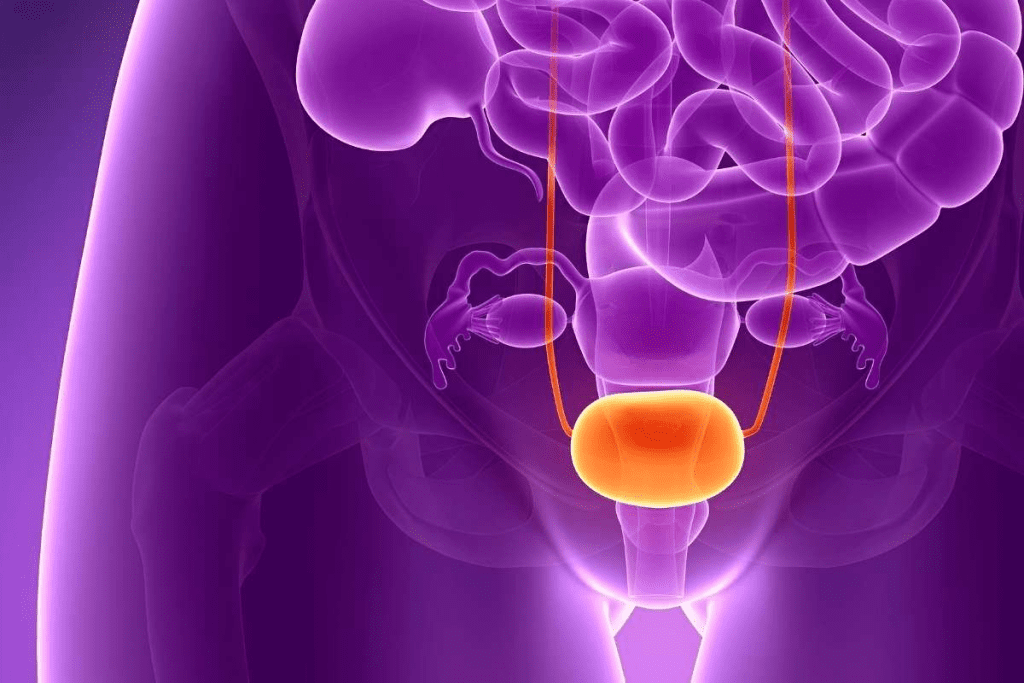
Urethral stricture affects the urethra, the tube that carries urine out of the body. It happens when injury, instrumentation, or infection cause scarring. This scarring makes the urethra narrow, blocking urine flow.
- The scarring in urethral stricture is not from an infection.
- Antibiotics fight bacterial infections but can’t fix scarring.
- Urethral stricture needs treatments that directly fix the narrowing.
Misconceptions about antibiotics and strictures
Many think antibiotics can cure urethral stricture because they fight infections. But antibiotics can’t fix the scarring that causes urethral stricture.
“The use of antibiotics in treating urethral stricture is often misguided, as the condition is not caused by an active infection that these medications can resolve.”,some healthcare experts say.
It’s key to know antibiotics treat infections, not urethral stricture itself. Antibiotics might be used for infections that can cause or worsen urethral stricture. But they don’t fix the narrowing.
Effective management of urethral stricture needs a detailed plan. This might include surgery or other procedures to open up the urethra.
Effective Treatment Options for Urethral Stricture
Understanding the treatment options for urethral stricture is key. We’ll look at urethral dilation, Direct Vision Internal Urethrotomy (DVIU), and urethroplasty. We’ll discuss their benefits and what they can’t do.
Urethral Dilation Procedures
Urethral dilation stretches the narrowed urethra with special tools. It might help symptoms but often needs to be done again. It’s not a lasting fix and not best for complex cases.
Direct Vision Internal Urethrotomy (DVIU)
DVIU uses a special endoscope to cut the stricture. It works well for short, simple strictures. But, it’s not as good for longer or recurring ones. Choosing DVIU depends on the stricture and the patient.
Urethroplasty: The Gold Standard Treatment
Urethroplasty is a surgery to fix or replace the damaged part of the urethra. It’s the top choice because it works well over time, with success rates over 85%. It’s a lasting fix for complex cases. The right technique depends on the stricture and the patient’s health.
In summary, urethroplasty is the best long-term fix for urethral stricture. Patients should talk to a doctor to find the right treatment for their case.
Emerging Technologies in Stricture Management
Treatment for urethral strictures is getting better with new technologies. We’re finding new ways to handle this condition. Several new methods are showing great promise.
Drug-coated balloon (DCB) technology is a big deal. It uses a balloon with medicine that’s inflated in the stricture area. The drug stops the urethra from narrowing again, a big problem with old treatments.
Drug-Coated Balloon Technology
Studies on DCB technology are showing good results. The medicine on the balloon stops scar tissue from growing. This is great for people with strictures that keep coming back.
A recent study found that DCB technology works for 67% of patients at three years. This is a big step up from some older treatments. It gives hope to those with urethral strictures.
Success Rates of New Treatment Approaches
New technologies like DCB are showing promise. But, each patient’s situation is different. Things like the stricture’s length and location, and the patient’s health, matter a lot.
As we go on, we’ll see more progress in treating urethral strictures. Even things like penis xray for diagnosis are getting better. This helps doctors plan treatments more accurately.
We’re dedicated to keeping up with these new developments. We want our patients to have the best and newest treatments.
When Antibiotics Are Actually Used in Stricture Cases
Antibiotics are used in urethral stricture cases only in certain situations. It’s important to know when they are used to manage the condition effectively. We explain when antibiotics are used in urethral stricture, making sure readers understand their role.
Prophylactic Use During Procedures
Antibiotics are often given before invasive procedures for urethral stricture. This includes urethral dilation or direct vision internal urethrotomy (DVIU). It’s to prevent infections from these procedures.
The female urethra is shorter than the male urethra. But, the need for prophylactic antibiotics is the same for both genders.
Using antibiotics before these procedures can greatly lower the chance of infections after. This follows general surgical rules to avoid complications.
Treating Concurrent Infections
Antibiotics are also used to treat infections that happen with urethral stricture. Knowing about the urethra definition and its role helps us see how infections can make urethral stricture worse.
If a patient with urethral stricture gets a urinary tract infection (UTI) or another infection, antibiotics are key. They aim to clear the infection. This can help manage symptoms and prevent more problems with the stricture.
It’s important to remember that antibiotics treat infections but not the stricture itself. So, they are used along with other treatments for the stricture.
Conclusion
Urethral stricture is a complex condition that needs proper medical care. We talked about how antibiotics help with infections but can’t fix strictures because they are structural issues.
There are effective treatments, like urethroplasty, which works well for many. This surgery is a more lasting fix than other methods like dilation or DVIU.
Knowing the causes and treatments for urethral stricture is key for those looking to improve their life. The right treatment can make a big difference in one’s quality of life.
We stress the importance of talking to healthcare experts to find the best treatment for urethral stricture. This ensures patients get the care they need for their specific situation.
FAQ
What is a urethral stricture?
A urethral stricture is when the urethra gets narrower because of scar tissue. This can make it hard to pee. We’re here to help you understand what it is and how to treat it.
What are the common causes of urethral strictures?
Urethral strictures often come from injuries, infections, or other things that cause scar tissue. Knowing what causes it helps us find the best treatment.
Why can’t antibiotics cure a urethral stricture?
Antibiotics fight bacterial infections, but they can’t fix urethral strictures. That’s because strictures are caused by scar tissue, not bacteria. We have other effective treatments.
What is urethroplasty, and is it effective?
Urethroplasty is surgery to remove scar tissue and fix the urethra. It’s the top treatment for strictures and works well most of the time. Talk to a doctor to see if it’s for you.
Are there any emerging technologies for treating urethral strictures?
Yes, new tech like drug-coated balloons is being used to treat strictures. We keep up with new treatments to give you the best care.
When are antibiotics used in cases of urethral stricture?
Antibiotics are used before surgery or to treat infections. We use them carefully and only when needed.
What is the role of urethral dilation in treating urethral stricture?
Urethral dilation uses a balloon to stretch the urethra. It helps for a while but isn’t a lasting fix. Talk to a doctor about its pros and cons.
What is the difference between the male and female urethra?
The male urethra is longer and goes through the prostate and penis. Knowing the urethra’s anatomy helps us treat strictures better.
What is the membranous urethra?
The membranous urethra is part of the male urethra that goes through the urethral sphincter. Understanding the urethra’s anatomy is key to treating strictures.
What is urethral syndrome?
Urethral syndrome is when you have pain or discomfort while peeing, but no infection. We aim to fully understand your condition and its treatment options.
References
- Grimes, M. D., Meier, K., McAninch, J. W., & Morey, A. F. (2019). Histopathology of anterior urethral strictures. The Journal of Urology, 201(4), 793-801. AUAA Journals
- Simsek, A., King, C. R., & Thomas, D. F. (2018). Overcoming scarring in the urethra: Challenges for tissue engineers. International Journal of Molecular Sciences, 19(11), Article 3556. PMC
- Luo, H., et al. (2024). Pharmacotherapy of urethral stricture. Asian Journal of Andrology. Lippincott Journals
- Cahill, E. M., et al. (2025). Antibiotic Prophylaxis After Urethroplasty: A Review of the Evidence. Journal of Clinical Medicine, 14(11), 3915. MDPI
- Hoover, W., Deitrick, J., Furr, J., et al. (2024). Long-term perioperative antibiotic prophylaxis after urethral reconstruction: effects on outcomes and resistance. Scientific Reports. American Urological Association+1