Last Updated on November 25, 2025 by Ugurkan Demir

Knowing your bladder cancer prognosis is key to choosing the right treatment. Bladder cancer can be treated well or can be serious, depending on its stage and your health. The good news is that the 5-year survival rate is 78%, showing big improvements in diagnosis and treatment. What is the urinary cancer survival rate and overall prognosis? Get the key statistics and facts about bladder cancer survival.
At Liv Hospital, we focus on you, using the latest treatments and care. The American Cancer Society says there will be about 84,870 new bladder cancer cases in the U.S. in 2025.
The 5-year survival rate for bladder cancer changes a lot based on when it’s found. We’ll look at the different stages and their survival rates. This will give you a clear idea of what to expect.
Key Takeaways
- The overall 5-year relative survival rate for all stages of bladder cancer is approximately 78%.
- Bladder cancer survival rates vary significantly based on the stage at diagnosis.
- Liv Hospital offers a patient-centered approach with evidence-based protocols and compassionate care.
- The American Cancer Society estimates about 84,870 new bladder cancer cases in the U.S. in 2025.
- Understanding your bladder cancer prognosis is key for making informed treatment decisions.
Understanding Bladder Cancer
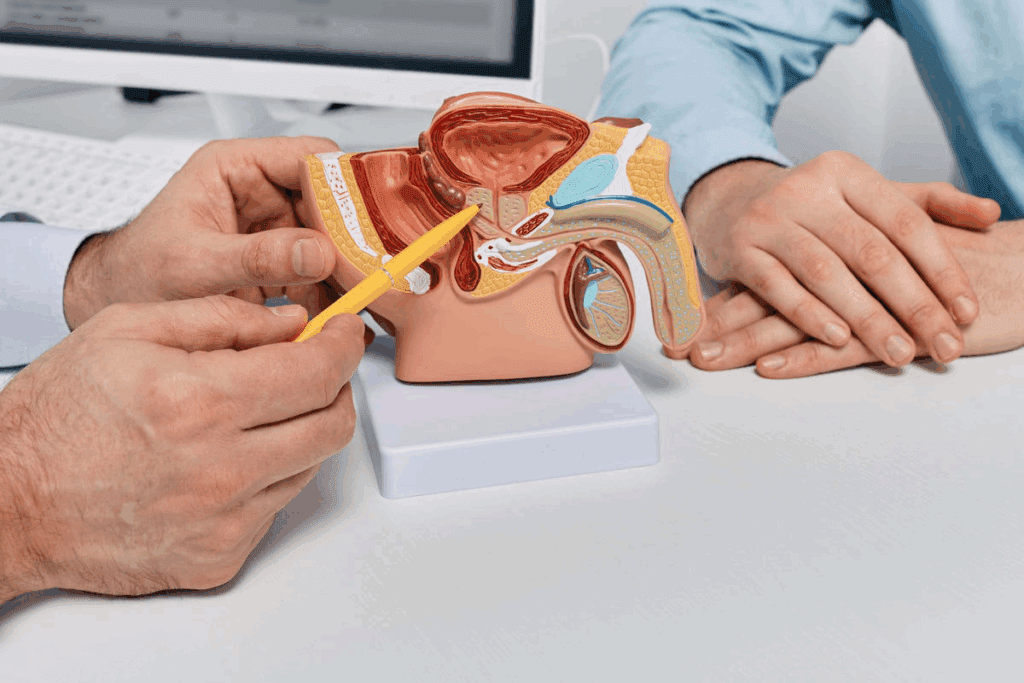
To understand bladder cancer survival rates, we must first know about the disease. This includes its types and stages.
Types of Bladder Cancer
Bladder cancer is divided into types based on where it starts. The most common is transitional cell carcinoma, or urothelial carcinoma. It begins in the urothelial cells lining the bladder.
Other types are less common:
- Squamous cell carcinoma: This type is linked to chronic irritation and infection. It’s often seen with bladder stones or parasites.
- Adenocarcinoma: This rare form starts in glandular cells. It can be aggressive.
Stages of Bladder Cancer
The stage of bladder cancer is key to understanding prognosis and treatment. Stages range from stage 0 (non-invasive) to stage IV (metastatic).
| Stage | Description |
| Stage 0 | Cancer cells are found only in the lining of the bladder. |
| Stage I | Cancer has grown into the layer below the lining but hasn’t reached the bladder muscle. |
| Stage II | Cancer has invaded the bladder muscle. |
| Stage III | Cancer has spread beyond the bladder to nearby tissues. |
| Stage IV | Cancer has spread to distant parts of the body, such as lymph nodes or other organs. |
Common Symptoms and Warning Signs
Early detection of bladder cancer symptoms can greatly improve treatment outcomes. Common symptoms include:
- Hematuria: Blood in the urine, which can be visible or detected through tests.
- Frequent urination: Needing to urinate more often than usual.
- Painful urination: Experiencing pain or burning while urinating.
- Pelvic or back pain: Discomfort or pain in the pelvic area or back.
Seeing a healthcare provider is important if these symptoms last or get worse.
Overall Urinary Cancer Survival Rate Statistics
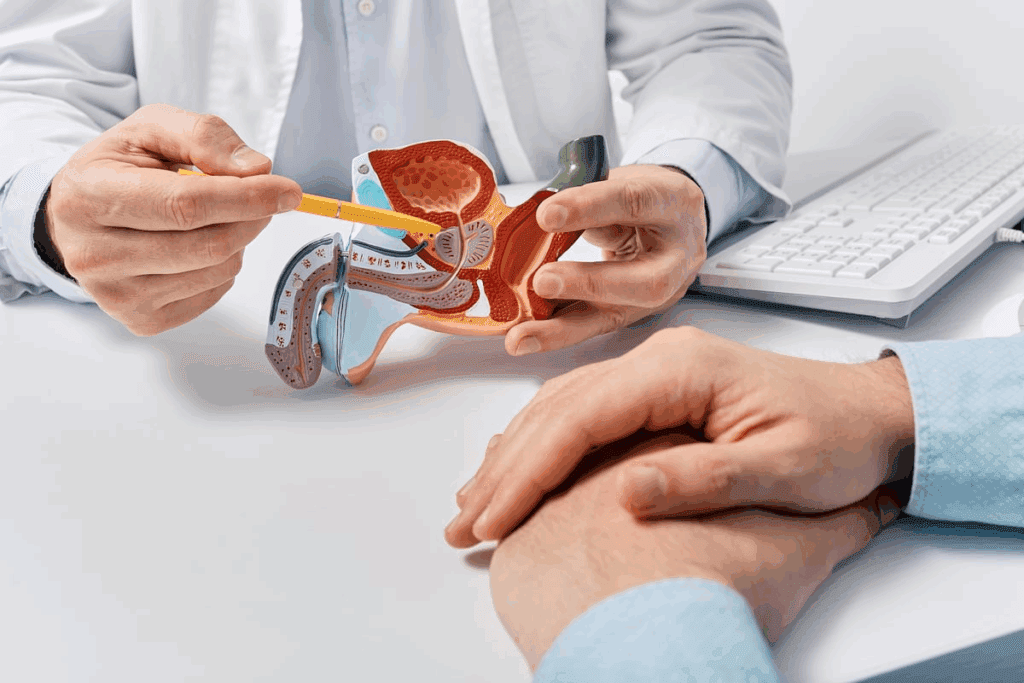
The overall urinary cancer survival rate is key to understanding prognosis and treatment success. It helps both patients and healthcare providers make better choices about care and treatment.
5-Year Relative Survival Rate
The 5-year relative survival rate shows how likely cancer patients are to survive. For bladder cancer, the overall 5-year relative survival rate is about 77-78%. This means patients with bladder cancer have a 77-78% chance of living at least 5 years after diagnosis.
Comparison to Other Cancer Types
Bladder cancer survival rates are better than some other cancers. For example, bladder cancer’s 5-year survival rate is higher than pancreatic and lung cancer. But it’s lower than breast and prostate cancer. This shows progress in treating bladder cancer.
Historical Trends in Survival Rates
Bladder cancer survival rates have improved a lot over the years. Better surgery, chemotherapy, immunotherapy, and radiation therapy have helped. As we learn more about the disease, survival rates have gone up. This is thanks to cancer research and healthcare professionals’ hard work.
Survival Rates by Stage
Knowing bladder cancer survival rates by stage is key for patients and their families. The stage at diagnosis greatly affects the prognosis and treatment choices. We’ll look at survival rates for different stages, giving insights into the prognosis and helping patients make informed decisions.
Non-Invasive/Early-Stage Bladder Cancer
Patients with non-invasive or early-stage bladder cancer have a 96-97% 5-year survival rate. This high rate is thanks to effective treatments for early disease. Early detection is critical for these good outcomes. Early-stage cancer can be treated with intravesical therapy or transurethral resection.
Localized Bladder Cancer
Localized bladder cancer, where cancer hasn’t spread, has a 71% 5-year survival rate. Treatment for localized cancer often includes surgery or chemotherapy and radiation. The prognosis depends on the cancer’s grade and the patient’s health.
Regional Spread
Bladder cancer that has spread to nearby tissues or lymph nodes has a 39% 5-year survival rate. At this stage, treatments aim to control the spread and manage symptoms. Multidisciplinary care is key for the best outcomes.
Metastatic Bladder Cancer
Metastatic bladder cancer, where cancer has spread to distant parts of the body, has an 8% 5-year survival rate. While this stage is challenging, there are treatments to manage the disease and improve quality of life. Palliative care is vital for symptom relief and supportive care.
A bladder cancer diagnosis can be overwhelming. But knowing survival rates by stage helps patients understand their treatment options. It’s important to talk about individual prognosis and treatment plans with a healthcare provider.
Is Bladder Cancer Fatal? Understanding Mortality Risk
Whether bladder cancer is fatal depends on several things. These include the stage at diagnosis and the patient’s health. While it can be serious, knowing the risk and what affects it helps clarify things.
Mortality Statistics
Bladder cancer is a big health issue, with a high mortality rate. Recent stats show it causes many cancer deaths worldwide. But, catching it early and treating it can greatly improve survival chances. We’ll look at the mortality stats to grasp the issue better.
Factors That Influence Fatality Risk
Several factors affect bladder cancer’s fatality risk. These include:
- Stage at Diagnosis: The stage at diagnosis greatly impacts survival. Early detection means a better chance of survival than late detection.
- Overall Health: A patient’s overall health and any existing health issues can affect treatment response and survival.
- Type and Grade of Cancer: The type and grade of bladder cancer also play a big role in determining the prognosis.
Comparing Bladder Cancer Mortality to Other Cancers
It’s important to compare bladder cancer mortality to other cancers. This helps understand the relative survival rates and mortality statistics. Bladder cancer has its own risk factors and survival rates compared to other cancers. This knowledge helps patients and healthcare providers make better decisions.
Early detection is key to improving bladder cancer prognosis. By understanding the mortality risk and what influences it, we can tackle the complexities of bladder cancer. This way, we can work towards better survival rates.
Factors Affecting Bladder Cancer Prognosis
Several factors affect bladder cancer prognosis. These include age, overall health, and cancer type and grade. Knowing these elements helps patients and doctors make better treatment choices.
Age and Overall Health
A patient’s age and health are key in bladder cancer prognosis. Older adults might face more challenges due to health issues. We consider these when choosing the best treatment.
For example, younger patients with fewer health problems might handle aggressive treatments better. This doesn’t mean older patients can’t get good treatment. But their health is a big factor in how well they’ll do.
Cancer Grade and Type
The cancer’s grade and type also matter a lot. High-grade tumors grow and spread faster than low-grade ones. The most common bladder cancer is urothelial carcinoma, but there are others like squamous cell and adenocarcinoma.
| Cancer Type | Characteristics | Prognosis |
| Urothelial Carcinoma | Most common type, can be low or high grade | Varies based on grade and stage |
| Squamous Cell Carcinoma | Less common, often associated with chronic irritation | Generally poorer prognosis |
| Adenocarcinoma | Rare, originates from glandular cells | Prognosis varies, often diagnosed at advanced stage |
Response to Treatment
How well a patient responds to treatment is very important. Treatments include surgery, chemotherapy, and radiation. A good response to treatment means a better outlook.
For example, patients with non-muscle invasive bladder cancer who do well with intravesical therapy have a better chance. Those with muscle-invasive cancer who respond well to chemotherapy also have a better outlook.
Genetic and Molecular Markers
Genetic and molecular research has found markers that affect bladder cancer prognosis. These markers help predict how likely the cancer is to come back or spread. This allows for more personalized treatment plans.
Certain genetic changes can mean a higher risk of cancer coming back or spreading. Knowing these markers helps us tailor treatment and follow-up plans to each patient’s risk.
Gender Differences in Bladder Cancer Outcomes
Bladder cancer affects men and women differently. Men get bladder cancer more often, but women face unique challenges in diagnosis and treatment.
Incidence Rates Between Men and Women
Men are three to four times more likely to get bladder cancer than women. This is because men are more exposed to harmful substances at work and smoke more.
Key statistics on incidence rates include:
- Men are more likely to be diagnosed with bladder cancer at an advanced stage.
- Women often experience delays in diagnosis due to non-specific symptoms.
- The male-to-female ratio for bladder cancer incidence varies globally.
Bladder Cancer Prognosis in Men
Men get bladder cancer more often, but their chances of recovery depend on several factors. These include their age, health, and how well they respond to treatment. Men diagnosed early have a better chance of recovery.
Factors influencing prognosis in men include:
- The stage and grade of cancer at diagnosis.
- The presence of comorbidities.
- The effectiveness of the chosen treatment modality.
Unique Challenges for Women with Bladder Cancer
Women with bladder cancer face unique challenges. These include delays in diagnosis and potentially more aggressive disease. These challenges can affect their prognosis and treatment outcomes.
Some of the challenges women face include:
- Higher risk of misdiagnosis due to symptoms being attributed to other conditions.
- Differences in tumor biology.
- Potential underrepresentation in clinical trials.
Understanding these gender differences is key to improving outcomes for both men and women with bladder cancer.
Can Bladder Cancer Be Cured? Treatment Success Rates
It’s important for bladder cancer patients to know if they can be cured. The chance of a cure depends on the cancer’s stage and type. We’ll look at cure rates for different stages, helping patients and their families understand their situation.
Cure Rates for Non-Muscle Invasive Bladder Cancer
Non-muscle invasive bladder cancer (NMIBC) has a good cure rate. Early-stage non-invasive cases have a survival rate of 96-97%. This is because the cancer is only in the bladder lining, not the muscle.
Cure Rates for Muscle Invasive Bladder Cancer
Muscle invasive bladder cancer (MIBC) is more serious and has a lower cure rate than NMIBC. The cure rate for MIBC depends on muscle invasion and the patient’s health.
Cure Rates for Advanced Bladder Cancer
Advanced bladder cancer, which has spread, has a lower cure rate. But, treatments can help manage the disease and improve life quality.
To give a clear view, here’s a table showing cure rates for different bladder cancer stages:
| Stage of Bladder Cancer | Cure Rate |
| Non-Muscle Invasive | 96-97% |
| Muscle Invasive | Varies, generally lower than NMIBC |
| Advanced | Lower, managed with treatment |
Being diagnosed with bladder cancer can feel overwhelming. But knowing cure rates for different stages can offer hope and help in choosing treatments.
Treatment Options and Their Impact on Survival
Bladder cancer treatment has many options, each affecting survival rates. The right treatment depends on the cancer’s stage and type, and the patient’s health.
Treatments include surgery, chemotherapy, immunotherapy, and radiation therapy. Each has its own benefits and outcomes.
Surgery and Survival Outcomes
Surgery is key for bladder cancer, mainly for early stages. The surgery type varies based on cancer stage and grade.
For non-muscle invasive bladder cancer, transurethral resection of the bladder tumor (TURBT) is common. It removes the tumor from the bladder wall.
For muscle-invasive bladder cancer, radical cystectomy is needed. This surgery removes the bladder, lymph nodes, and sometimes other organs.
| Type of Surgery | Survival Rate | Description |
| TURBT | High | Removes tumor from bladder wall |
| Radical Cystectomy | Varies | Removes bladder and potentially surrounding organs |
Chemotherapy Effectiveness
Chemotherapy treats bladder cancer, before or after surgery. Its success depends on the cancer’s stage and type.
For some, chemotherapy greatly improves survival chances.
Immunotherapy Breakthroughs
Immunotherapy is a new hope for bladder cancer, mainly for advanced cases. It boosts the immune system to fight cancer.
BCG (Bacillus Calmette-Guérin) therapy is a common immunotherapy for non-muscle invasive bladder cancer. It involves putting a BCG solution in the bladder to boost immunity.
Radiation Therapy Results
Radiation therapy is another option for bladder cancer, often used with other treatments. It kills or slows cancer cells.
Radiation therapy’s success varies by cancer stage and type. For some, it helps treat cancer without harming the bladder.
Knowing about these treatments and their survival impacts helps patients choose their care wisely.
Living with Bladder Cancer: Recurrence and Follow-up Care
Living with bladder cancer means more than just treatment. It’s about managing risks and keeping quality of life high. Patients need to know about recurrence risks and the importance of follow-up care.
Recurrence Rates and Risk Factors
Bladder cancer can come back, and knowing the risks is key. The chance of recurrence depends on the cancer’s stage and type. We’ll talk about the main factors that affect recurrence.
- Stage at Diagnosis: Early-stage cancers have a lower risk of coming back.
- Cancer Grade: High-grade tumors are more likely to recur.
- Previous Recurrences: If cancer has come back before, it’s more likely to happen again.
Surveillance Protocols
Good surveillance is key to catching recurrence early. We suggest regular cystoscopies, imaging, and urine tests as part of follow-up care.
Quality of Life After Treatment
Keeping quality of life after treatment is important. We’ll discuss ways to handle physical and emotional challenges.
Support groups and counseling can help with the emotional side of diagnosis and treatment.
Long-term Monitoring Strategies
Long-term monitoring is essential for managing bladder cancer. We’ll talk about the importance of regular check-ups, education, and lifestyle changes to lower recurrence risks.
By working with their healthcare team, patients can create a follow-up plan that meets their needs and risk factors.
Conclusion
Knowing about bladder cancer survival rates is very important. We’ve seen how finding cancer early is key to better chances of survival. This is because the stage of cancer at diagnosis greatly affects survival rates.
Survival rates for bladder cancer vary a lot. For non-invasive cases, the rates are around 96-97%. But for cases where cancer has spread, the rate drops to 8%. Other factors like age, health, and how well treatment works also matter a lot.
To wrap it up, bladder cancer’s outcome depends a lot on when it’s found and how well treatment works. While there are challenges, new treatments bring hope for better results. Understanding these points helps patients make smart choices about their care and deal with bladder cancer’s complexities.
FAQ
What is the survival rate for bladder cancer?
The survival rate for bladder cancer changes a lot based on when it’s found. For cancers caught early, the 5-year survival rate is about 96-97%. But for cancers that have spread, it drops to around 8%.
Is bladder cancer fatal?
Bladder cancer can be very serious and even life-threatening. But, how likely it is to be fatal depends on several things. These include the cancer’s stage and type, the patient’s age, and their overall health.
What is the prognosis for bladder cancer?
The outlook for bladder cancer depends on many factors. These include the cancer’s stage, the patient’s age, their overall health, and how well they respond to treatment. Knowing these can help patients and their families understand what to expect.
Can bladder cancer be cured?
Whether bladder cancer can be cured depends on several things. For cancers that haven’t spread, the cure rate is usually high. But for more advanced cancers, the cure rate is lower.
What are the treatment options for bladder cancer?
There are many ways to treat bladder cancer. These include surgery, chemotherapy, immunotherapy, and radiation therapy. How well these treatments work can vary based on the cancer’s stage and type.
How does age affect bladder cancer prognosis?
Age is a big factor in bladder cancer’s outlook. Older patients often face more challenges because of other health issues.
Are there gender differences in bladder cancer outcomes?
Yes, there are differences in bladder cancer between men and women. Men get bladder cancer more often, but women might face delays in diagnosis and unique treatment challenges.
What is the recurrence rate for bladder cancer?
The chance of bladder cancer coming back depends on several things. These include the cancer’s stage and type, and how well treatment worked. Regular check-ups and long-term monitoring are key to managing this risk.
How does the stage of bladder cancer affect survival rates?
The cancer’s stage at diagnosis is very important. Early stages have better survival rates, with a 5-year survival rate of about 96-97% for non-invasive or early-stage cancers.
What is the 5-year relative survival rate for bladder cancer?
The 5-year relative survival rate is a way to measure bladder cancer survival chances. It changes based on the cancer’s stage. For early-stage cancers, it’s about 96-97%. But for cancers that have spread, it’s around 8%.
How does overall health affect bladder cancer prognosis?
A patient’s overall health is a big factor in bladder cancer’s outlook. Those with other health issues may face more challenges in treatment.
References
Government Health Resource. (2025). What Is the Bladder Cancer Survival Rate and. Retrieved from https://www.cancer.org/cancer/types/bladder-cancer/about/key-statistics.html