Last Updated on November 25, 2025 by

Male voiding dysfunction is a common issue, affecting up to 30% of men over 50. Voiding is the process of urinating. When this process is disrupted, it can greatly impact a man’s quality of life. Understanding urinary hesitancy, a medical term for difficulty starting or maintaining urination, is key. This symptom often results from conditions like an enlarged prostate, nerve damage, infections, or certain medications. Fortunately, several treatment options are available, including lifestyle modifications, medications, and surgical interventions. Treating male voiding dysfunction effectively can greatly improve both quality of life and long-term health outcomes. By exploring the available treatments, men can find relief from the symptoms associated with this condition.
Key Takeaways
- Male voiding dysfunction is common among men over 50.
- Voiding refers to the process of urination.
- Treatment options include lifestyle changes, medication, and surgery.
- Effective treatment can improve quality of life and health outcomes.
- Understanding the condition is key to managing its symptoms.
Understanding Male Voiding Dysfunction and Its Impact
It’s important to understand male voiding dysfunction to manage its effects on men’s health. This condition makes it hard for men to urinate fully. It can cause uncomfortable and serious health problems.
Definition and Prevalence in Men Over 50
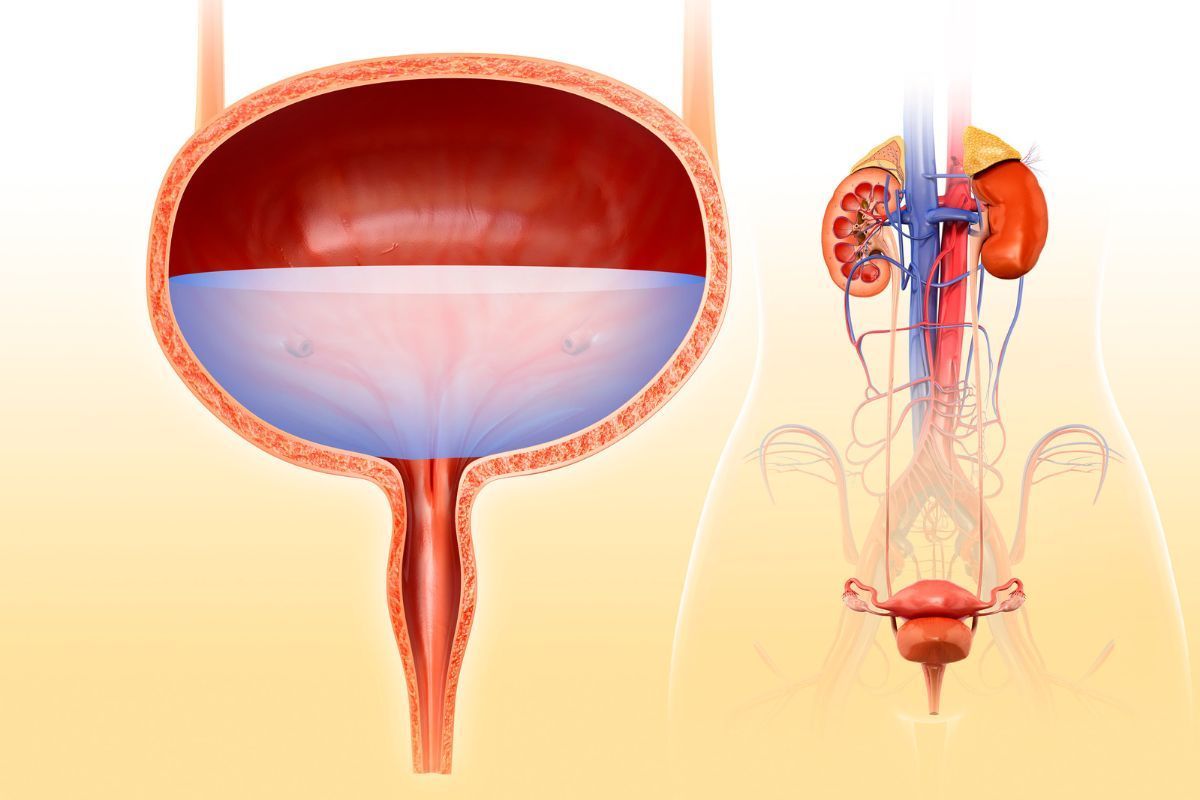
Male voiding dysfunction means men can’t fully empty their bladder when they pee. It’s also known as incomplete bladder emptying. Many men over 50 face this issue, with up to 40% affected.
Common Symptoms and Warning Signs
Men with voiding dysfunction might notice weak urine flow or have to strain to pee. They might also pee too often or feel like their bladder isn’t empty. These symptoms, including urinary hesitancy, can really affect a man’s daily life and sleep.
Relationship to Benign Prostatic Hyperplasia (BPH)
Benign Prostatic Hyperplasia (BPH) is a big reason for voiding dysfunction. It happens when the prostate gland gets too big, blocking urine flow. This enlargement often leads to urinary hesitancy. BPH is common in older men and can make voiding problems worse.
Knowing how BPH and voiding dysfunction”especially urinary hesitancy”are linked is key to managing them. Treating BPH can help ease symptoms like urinary hesitancy, which can greatly improve a man’s quality of life.
In summary, male voiding dysfunction is a big health issue for many men, mainly those over 50. It’s vital to understand its causes, symptoms, and link to urinary hesitancy and BPH to manage it well.
First-Line Treatments: Lifestyle Modifications
For men with voiding dysfunction, especially those experiencing urinary hesitancy, the first step is often changing their lifestyle. These changes can really help and make life better. Simple daily habits can make a big difference.
Fluid Management Strategies
Controlling how much fluid you drink is key. Drinking less in the evening can cut down on nighttime trips to the bathroom. Drinking fluids evenly throughout the day is also good. These adjustments can help ease urinary hesitancy, especially at night. Avoiding caffeine and alcohol is important to not make things worse.
Bladder Training Techniques
Bladder training means gradually increasing the time between bathroom visits. This helps improve bladder capacity and control. For men dealing with urinary hesitancy, bladder training can reduce frequency and make urination more complete.
Double Voiding and Scheduled Voiding
Double voiding”urinating twice in a row”can help men fully empty their bladder. Scheduled voiding, where men urinate at set intervals, is another helpful technique for those experiencing urinary hesitancy. Both approaches reduce residual urine and promote better flow.
Pelvic Floor Exercises for Men
Kegel exercises strengthen the pelvic floor muscles and can improve bladder control. For men with urinary hesitancy, these exercises can be particularly effective in reducing straining and improving flow.
By making these lifestyle changes, men can better manage symptoms like urinary hesitancy. As one study found, “Lifestyle changes can make a big difference in managing urinary symptoms.”
“Lifestyle changes can significantly impact the management of lower urinary tract symptoms such as urinary hesitancy.”

By making these lifestyle changes, men can better manage their symptoms. As one study found, “Lifestyle changes can make a big difference in managing urinary symptoms.”
“Lifestyle changes can significantly impact the management of lower urinary tract symptoms.”
Medication Options for Managing Urinary Hesitancy
Urinary hesitancy is a common issue in men. It can be treated with different medicines. These drugs help manage symptoms like slow urine flow and trouble voiding.
Alpha-Blockers for Immediate Symptom Relief
Alpha-blockers help men with urinary hesitancy right away. They relax muscles in the prostate and the bladder neck. This makes it easier to pee. Examples include tamsulosin and alfuzosin, often used for BPH.
5-Alpha Reductase Inhibitors for Prostate Reduction
5-alpha reductase inhibitors treat male voiding issues by shrinking the prostate. This reduces urine flow blockage. Finasteride and dutasteride are examples, taking months to fully work.
Antimuscarinic Medications for Overactive Bladder
Antimuscarinic drugs help men with an overactive bladder. They calm the bladder muscle, reducing frequent and urgent urination. Oxybutynin and tolterodine are common choices, but they may cause dry mouth.
Combination Therapy Approaches
Combining medicines can be more effective than one drug alone. Mixing an alpha-blocker with a 5-alpha reductase inhibitor offers quick relief and long-term prostate shrinkage.
“Combination therapy can offer a more complete approach to managing male voiding dysfunction.”
Advanced Interventions for Severe Voiding Dysfunction
Advanced treatments, like surgery and digital tools, bring new hope for men with severe voiding issues. When simple treatments don’t work, these options can greatly improve life quality.
Surgical Treatment Options
Surgery is often considered for men with severe voiding problems, often linked to Benign Prostatic Hyperplasia (BPH). Procedures like transurethral resection of the prostate (TURP) and laser surgery aim to shrink the prostate. This helps improve urine flow and lessen symptoms.
- TURP: A common procedure that removes parts of the prostate.
- Laser Surgery: A less invasive method that uses lasers to remove prostate tissue.
Catheterization for Acute Urinary Retention
When urine can’t flow, catheterization is needed. This involves putting a catheter in the bladder to drain urine. Some men use intermittent catheterization, while others need a permanent catheter.
Catheterization offers quick relief and is often used until other treatments start working.
Digital Therapeutics and Self-Management Tools
Digital tools, like mobile apps and online platforms, are becoming key in managing voiding issues. These tools help track symptoms, remind users to take medication or use catheters, and offer lifestyle tips.
By using these digital tools, men with severe voiding issues can manage their condition better. This can lead to better outcomes and a higher quality of life.
Advanced treatments offer various options for men with severe voiding issues. Understanding these treatments helps individuals make informed decisions. They can work closely with healthcare providers to find the best treatment plan.
Conclusion: Creating a Personalized Treatment Plan
Managing male voiding dysfunction well needs a full approach. This includes lifestyle changes, medicines, and advanced treatments. Healthcare providers can help patients create a plan that fits their needs.
A plan made just for you considers your unique situation. It might include managing fluids, bladder training, and certain medicines. These can be alpha-blockers or 5-alpha reductase inhibitors.
Working with healthcare providers helps patients make smart choices about their care. A plan made just for you can make symptoms better, lower risks, and improve your overall health.
FAQ
What is voiding dysfunction?
Voiding dysfunction is when you have trouble urinating. This can include a weak stream, trouble starting, or not feeling like you’ve emptied your bladder fully.
What are the common symptoms of male voiding dysfunction?
Symptoms include a weak stream, slow urination, and trouble starting. You might also urinate too often or feel like you haven’t emptied your bladder.
How is male voiding dysfunction related to benign prostatic hyperplasia (BPH)?
BPH can cause male voiding dysfunction. An enlarged prostate can block urine flow. This leads to symptoms like a weak stream and not feeling like you’ve emptied your bladder.
What is double voiding, and how can it help?
Double voiding means urinating, waiting a bit, and then urinating again. It helps make sure your bladder is fully emptied. This can help with symptoms of not emptying your bladder fully.
What are alpha-blockers, and how do they help with urinary hesitancy?
Alpha-blockers relax muscles in the prostate and bladder neck. This makes it easier to urinate. They can quickly help with symptoms like hesitancy and a weak stream.
What is the role of 5-alpha reductase inhibitors in treating male voiding dysfunction?
5-alpha reductase inhibitors shrink an enlarged prostate over time. This improves urine flow and helps with symptoms of male voiding dysfunction.
When is surgical intervention considered for male voiding dysfunction?
Surgery is considered for severe cases where other treatments haven’t worked. It’s also considered for complications like acute urinary retention.
What is catheterization used for in the context of male voiding dysfunction?
Catheterization is used for acute urinary retention. It involves inserting a catheter to drain the bladder. It provides quick relief when other treatments fail.
Can lifestyle modifications really make a difference in managing male voiding dysfunction?
Yes, changes like managing fluids, bladder training, double voiding, and pelvic floor exercises can help. They can alleviate symptoms and improve your quality of life.
What are digital therapeutics, and how can they help in managing voiding dysfunction?
Digital therapeutics are digital tools that help manage conditions. They offer self-management strategies, symptom tracking, and personalized advice. They can help patients manage their condition more effectively.
References
- Royal Australian College of General Practitioners. (2017, August 21). Adult male stress and urge urinary incontinence – A review of pathophysiology and treatment strategies.