Last Updated on November 25, 2025 by Ugurkan Demir
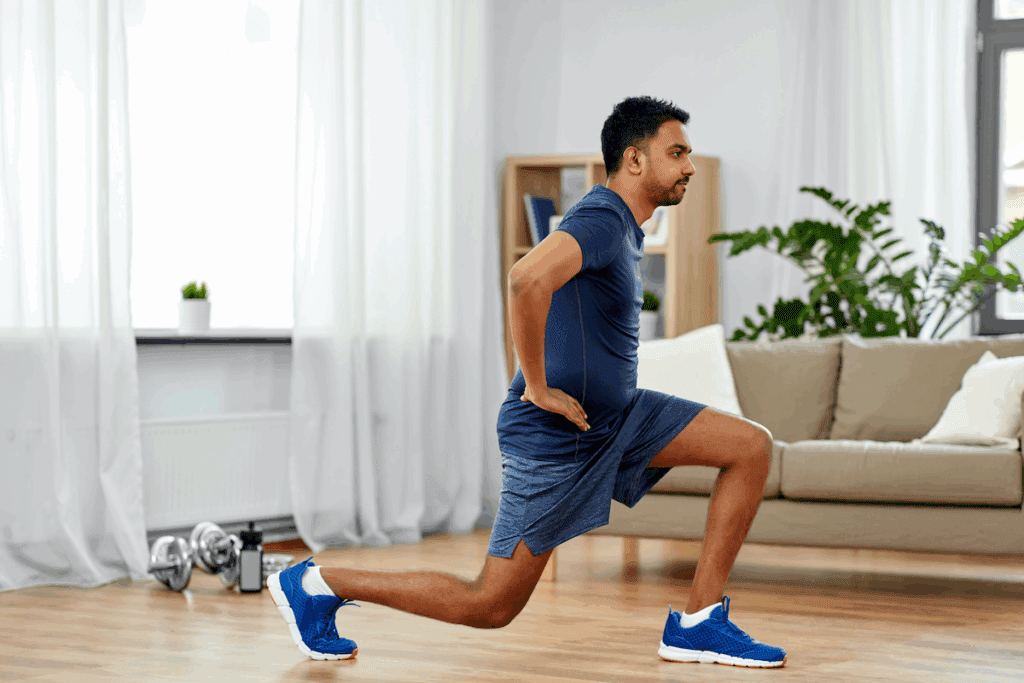
Millions of people worldwide deal with bladder leakage every day. It affects their quality of life. Recent studies show that exercise programs can help a lot.Learn how urinary incontinence and exercise can work together. Discover the best exercises to strengthen your pelvic floor and stop leakage.
Research shows that low-impact exercise classes can cut down incontinence episodes by more than half in 12 weeks. This is as good as some medicines, but it’s safer and easier to get.
We will look into how pelvic floor strengthening and gentle movements can help with urinary incontinence. They can bring back confidence and improve life quality.
Key Takeaways
- Targeted exercise programs can reduce urinary incontinence symptoms by up to 60% in 12 weeks.
- Low-impact exercise classes are effective in managing bladder leakage.
- Pelvic floor strengthening exercises are key for regaining bladder control.
- Exercise-based interventions offer a safe alternative to medication.
- Improving bladder control can significantly enhance quality of life.
Understanding Urinary Incontinence and Its Impact

Urinary incontinence is a common problem that affects millions worldwide. It makes life harder for those who have it. This issue affects not just the person but also society and the economy.
What Causes Urinary Incontinence
Many things can cause urinary incontinence. Weakened pelvic floor muscles are a big reason, often from childbirth or aging. Neurological problems like Parkinson’s disease can also play a part.
Being overweight, smoking, and some medicines can also lead to incontinence. Knowing what causes it helps in finding ways to prevent and manage it.
Types of Urinary Incontinence
There are different types of urinary incontinence. Stress incontinence happens when movement or pressure on the bladder leads to leakage. Urge incontinence is when you suddenly need to pee and can’t hold it.
Mixed incontinence is a mix of stress and urge incontinence. Other types include overflow and functional incontinence, each needing its own approach.
Prevalence Across Age Groups
Urinary incontinence affects people of all ages, but it’s more common with age. Over half of middle-aged women deal with it, and up to 80% of those over 80 are affected. Knowing this helps healthcare providers give better care.
As the world’s population gets older, urinary incontinence will become more common. It’s important to find ways to manage it, like exercises for the pelvic floor, to improve life for those affected.
The Relationship Between Urinary Incontinence and Exercise
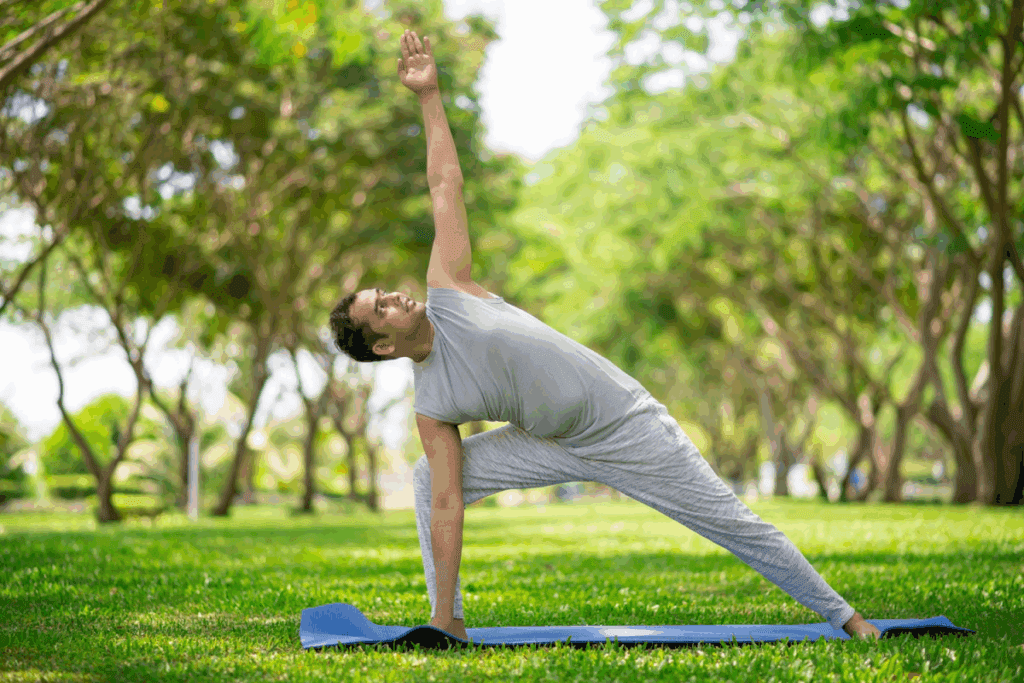
Exercise is key in helping people with urinary incontinence control their bladders better. Different exercises can really help with bladder control.
How Exercise Affects Bladder Control
Working out, like exercises for the pelvic floor, makes these muscles stronger. Pelvic floor muscle training, or Kegel exercises, is known to help with bladder control. Doing these exercises often can make bladder control better and cut down on incontinence.
Also, low-impact aerobics and other exercises that keep you fit can help your bladder too. They help you stay at a healthy weight, improve blood flow, and keep muscles toned. All these things can help your bladder work better.
Research on Exercise Effectiveness
Many studies have looked into how exercise helps with urinary incontinence. They show that exercise can be just as good as medicine in some cases. For example, a study found that women who did pelvic floor exercises got a lot better at controlling their bladders.
- Custom exercise programs can really cut down on urinary incontinence symptoms.
- Adding exercise to other lifestyle changes can make treatment even better.
- Regular exercise can also make life better for people with urinary incontinence.
Exercise vs. Pharmaceutical Treatments
It’s important to look at the good and bad of exercise versus medicine for urinary incontinence. Medicine can help, but it can have side effects and doesn’t fix the root cause. Exercise, by contrast, strengthens muscles and boosts health without the risk of bad side effects.
Recent studies show that exercise is very effective in managing urinary incontinence. By adding specific exercises to their daily routine, people can see big improvements in bladder control and overall health.
Pelvic Floor Muscle Training: The Foundation for Bladder Control
Pelvic floor exercises are key in treating urinary incontinence. They are a first-line treatment for stress, urgency, and mixed incontinence. Strengthening these muscles helps control the bladder better.
Identifying Your Pelvic Floor Muscles
The first step is to find the right muscles. Stop urine flow midstream to locate them. But, avoid doing this often to prevent incomplete emptying.
Another way is to insert a finger into the vagina and squeeze. For men, squeezing around the anus works too.
Basic Kegel Exercise Technique
After finding the muscles, start Kegel exercises. Squeeze as if stopping urine, hold for five seconds, then release for five. Make sure to relax fully during release.
Start with three sets of 10 reps a day. Breathe naturally and avoid tensing other muscles.
Progressive Pelvic Floor Training Schedule
For better results, follow a progressive schedule. Increase reps by five each week until you do 20 per set.
- Week 1-2: 3 sets of 10 repetitions
- Week 3-4: 3 sets of 15 repetitions
- Week 5 and beyond: 3 sets of 20 repetitions
As you get stronger, hold the squeeze for 10 seconds. This builds muscle strength and endurance.
By sticking to this training, you can manage incontinence and enhance your life quality.
Core-Strengthening Exercises for Incontinence Management
A strong core is key for supporting your pelvic floor and better bladder control. The core muscles, like the abdominals and back, help keep your body stable. They also support the pelvic organs.
The Connection Between Core and Pelvic Floor
The core and pelvic floor muscles work together for stability and support. A strong core reduces strain on the pelvic floor, helping with bladder control. Research shows core exercises can lessen urinary incontinence symptoms.
Studies show people doing core exercises have fewer incontinence episodes. Adding these exercises to your daily routine can improve bladder control. It also lowers the risk of leakage.
Effective Core Exercises for Bladder Support
Several core exercises support the pelvic floor and improve bladder control. Some top exercises include:
- Planks: Strengthens the entire core, including the abdominals and back muscles.
- Bridges: Targets the glutes and lower back, helping to stabilize the pelvic floor.
- Pelvic tilts: Helps to engage the transverse abdominis muscle, which supports the pelvic floor.
These exercises can be adjusted for different fitness levels. This ensures everyone can benefit from them.
Modifications for Different Fitness Levels
Whether you’re starting out or advanced, there are ways to modify exercises. For beginners, start planks at 20 seconds and increase time as you get stronger.
Advanced exercisers can add leg lifts or arm raises to make exercises more challenging. Yoga is also great for improving flexibility and strength without high impact.
By adding core-strengthening exercises to your routine and adjusting them as needed, you can manage urinary incontinence. This improves your overall health.
Yoga Poses That Reduce Bladder Leakage
Yoga is great for both body and mind, helping with urinary incontinence. It strengthens the pelvic floor muscles and improves bladder control. Adding yoga poses to your daily routine can make a big difference.
Strengthening Pelvic Floor Muscles Through Yoga
Yoga targets the pelvic floor muscles, which support the bladder. Certain poses strengthen these muscles, helping to control urine better. Regular yoga can greatly improve bladder control, reducing leaks.
“Yoga is more than just physical exercise,” says a yoga therapist. “It’s a complete health approach that can really change your life. Focusing on poses that strengthen the core and pelvic floor can lead to better bladder control.”
Effective Yoga Poses for Beginners
Beginners can find many helpful poses. Here are a few:
- Downward-Facing Dog: Strengthens the core and pelvic floor muscles.
- Warrior Pose: Improves balance and stability, helping with bladder control.
- Tree Pose: Enhances focus and balance, supporting pelvic floor strength.
These poses are easy for beginners and build a strong foundation for more advanced practices.
Creating a Daily Yoga Routine
Consistency is key for yoga’s benefits against urinary incontinence. We suggest a 20-minute daily routine. It should include strengthening poses, breathing exercises, and relaxation.
A 20-minute routine might look like this:
- 5 minutes of pelvic tilts and bridges to warm up the pelvic floor.
- 5 minutes of downward-facing dog and warrior poses to strengthen the core and pelvic floor.
- 5 minutes of tree pose and other balancing poses to enhance stability.
- 5 minutes of deep breathing and relaxation to reduce stress.
Just 20 minutes a day of yoga can help manage urinary incontinence and boost overall well-being.
Low-Impact Aerobic Exercises for Urinary Incontinence
Low-impact aerobic exercises can greatly help with bladder control and reduce leaks. These exercises are good for your heart and don’t hurt your joints. They’re great for people with incontinence because they improve health without making things worse.
Walking and Swimming Benefits
Walking is easy to do anywhere and is good for your heart and muscles. Swimming works your whole body but is easy on your joints. The water helps your pelvic muscles without the risk of leaks.
Both walking and swimming can cut down on leaks. Studies show they can really help with bladder control.
Stationary Cycling and Elliptical Training
Stationary cycling and elliptical training are also good for incontinence. They’re low-impact and work your heart and legs. You can adjust them to fit your fitness level.
These exercises are not just good for your heart. They also help your bladder by making your pelvic muscles stronger.
Exercise Modifications to Prevent Leakage During Activity
To avoid leaks during exercise, try some changes. Avoid big movements or sudden turns. Wear protective clothes and do Kegels before and after.
Start slow and get more intense over time. This helps your pelvic muscles get stronger and less likely to leak.
| Exercise | Benefits | Precautions |
| Walking | Improves cardiovascular health, strengthens pelvic floor muscles | Wear supportive garments, practice Kegels |
| Swimming | Full-body workout, reduces strain on joints | Use water aerobics to minimize leakage risk |
| Stationary Cycling | Improves cardiovascular fitness, strengthens legs | Adjust resistance to comfortable levels |
| Elliptical Training | Full-body workout, easy on joints | Start with low resistance, increase gradually |
Adding these exercises to your routine can really help with bladder control. They can even cut down on leaks by more than half. This makes them a great option for those dealing with incontinence.
Creating Your 12-Week Exercise Plan for Bladder Control
A 12-week exercise plan can really help with bladder control issues. It’s designed to get better over time. We’ll help you make a plan that fits your needs.
Week 1-4: Building Foundation
The first four weeks are all about starting strong. You’ll do pelvic floor muscle training through Kegel exercises. Do these exercises 10-15 times, three times a day. As you get stronger, do more.
Week 5-8: Progressive Intensity
Weeks 5-8 add core-strengthening exercises to your routine. Try planks, bridges, and gentle twists to boost your core. Also, make your Kegel exercises harder by holding them longer.
Week 9-12: Maintenance and Advanced Techniques
The last weeks focus on keeping up the good work. Keep up with the core and pelvic floor exercises. Add in low-impact activities like brisk walking or swimming to help your bladder control.
Tracking Progress and Measuring Success
It’s key to track your progress. Use a bladder diary to note your symptoms, exercises, and any changes. This way, you can see how far you’ve come and what you need to work on.
Stick to this 12-week plan and watch your bladder control improve. You’ll feel better overall.
When to Seek Professional Help for Urinary Incontinence
If you can’t stop leaking urine, it’s time to get help. Exercises and lifestyle changes can help many people. But, some might need more help.
Working With Physical Therapists
Physical therapists can create special exercise plans for you. They focus on strengthening your pelvic floor muscles. They’re great for those who struggle with Kegel exercises or need extra help.
They might also use biofeedback. This helps you learn to control your pelvic muscles better.
Medical Evaluations and Interventions
Getting a medical check-up is key to finding out why you leak. Doctors might do tests like urodynamic tests. Based on what they find, they might prescribe medicine, use devices, or even surgery.
Some medicines can help with overactive bladder. Devices like pessaries can also help by supporting your bladder.
Combining Exercise With Other Treatments
Using exercises with other treatments can work better. For example, you might do pelvic floor physical therapy with medicine. Or, you might use a combination of treatments.
A good plan might include lifestyle changes, exercises, and medical treatments. It’s important to work with your healthcare team to find the right mix for you.
Getting professional help is a big step towards controlling your leaks. With the right plan, you can improve your life a lot.
Conclusion: Reclaiming Control Through Consistent Exercise
Regular exercise can greatly reduce urinary incontinence symptoms. This improves life quality. Exercises for bladder control strengthen pelvic floor muscles and cut down on bladder leaks.
We’ve looked at exercises like pelvic floor training, core strengthening, and yoga. These can help manage urinary incontinence. A regular exercise routine helps regain bladder control and boosts overall health.
Research shows that regular exercise improves urinary continence. A 12-week exercise plan can lead to big improvements. Incontinence exercises for women can also help.
We urge everyone to start exercising today. It’s the first step to a life without urinary incontinence. With hard work and dedication, you can stop urinary incontinence through exercise and get healthier.
FAQ
What exercises can help manage urinary incontinence?
Kegel exercises, pelvic floor muscle training, and core-strengthening exercises are helpful. Yoga and low-impact aerobic exercises like walking and swimming also work well.
How do Kegel exercises help with urinary incontinence?
Kegel exercises strengthen the pelvic floor muscles. These muscles support the bladder and help control urine leakage. This reduces symptoms of urinary incontinence.
Can yoga really help with bladder leakage?
Yes, yoga can improve urinary control. It strengthens the pelvic floor muscles and supports the bladder better.
How can I modify exercises to prevent leakage during activity?
To prevent leakage, strengthen your pelvic floor muscles. Avoid high-impact activities. Modify exercises to reduce bladder pressure, like swimming or cycling instead of high-impact aerobics.
How long does it take to see improvements in urinary incontinence with exercise?
You might see improvements in 4-6 weeks with regular exercise. But, it could take up to 12 weeks or more for significant results.
When should I seek professional help for urinary incontinence?
Seek professional help if symptoms don’t improve with exercise. If you experience pain or discomfort, or if you’re unsure about exercises for your condition.
Can core-strengthening exercises really help with incontinence management?
Yes, core-strengthening exercises support the pelvic floor. They improve bladder control, helping manage incontinence.
Are there any low-impact aerobic exercises that are beneficial for urinary incontinence?
Yes, low-impact aerobic exercises like walking, swimming, and cycling are good. They improve heart health without straining the bladder too much.
How can I track my progress with an exercise plan for bladder control?
Track your progress with a symptom journal. Monitor your exercise routine and note any changes in symptoms over time.
Can exercise alone cure urinary incontinence?
Exercise can greatly improve symptoms of urinary incontinence. But, it might not cure it in all cases. Combining exercise with other treatments may be needed for the best results.