Last Updated on November 25, 2025 by Ugurkan Demir

Millions of people worldwide deal with urinary incontinence. This is when you can’t control when you pee. It can make life hard, causing discomfort and embarrassment. Over 30 million Americans have overactive bladder, showing we need good treatments. Discover the 7 best urinary medications used for bladder control. Find out which drugs are most effective for treating incontinence.
Finding the right bladder control medication is key. It helps manage symptoms and boosts confidence. There are many urinary medications out there, each one designed for different needs.
Key Takeaways
- Urinary incontinence affects millions globally, impacting quality of life.
- Over 30 million Americans experience bothersome overactive bladder symptoms.
- Effective urinary incontinence medicine can dramatically reduce symptoms.
- Various bladder control medications are available, giving tailored treatment options.
- Evidence-based urinary medications can restore confidence and improve daily life.
Understanding Urinary Incontinence and Its Impact
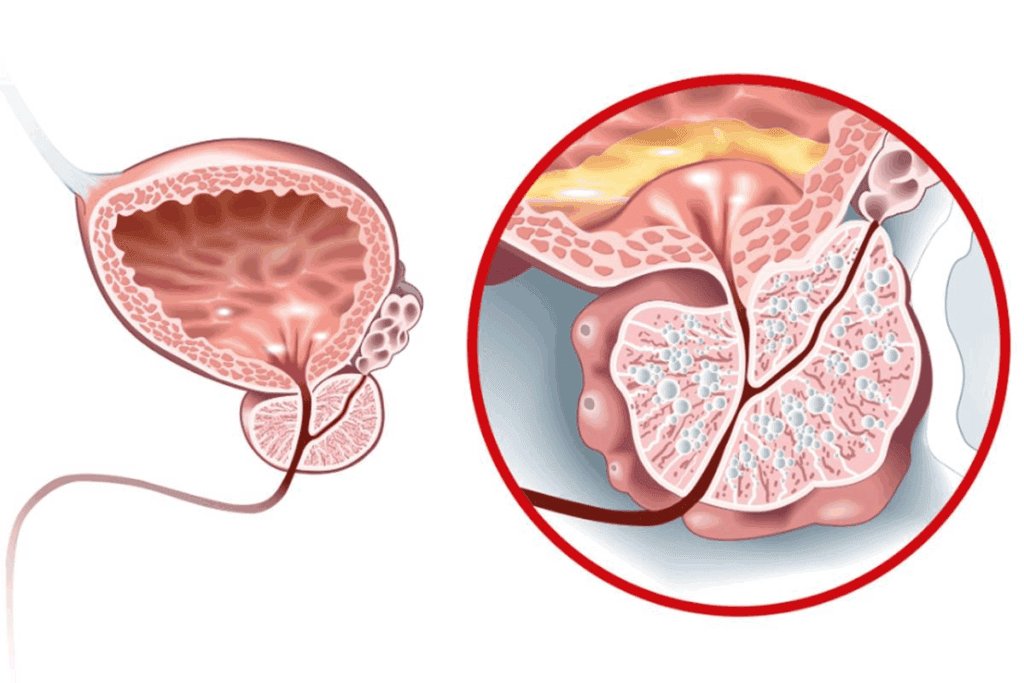
Urinary incontinence is a big problem, affecting many people. It’s important to know about its types and how it affects life. This condition means you can’t control when you pee, which really changes how you live.
Types of Urinary Incontinence
There are different kinds of urinary incontinence, each with its own reasons and effects. The main types are:
- Stress Incontinence: This happens when moving or pressure on the bladder makes you pee. Things like coughing, sneezing, or lifting can trigger it.
- Urge Incontinence: It’s when you really need to pee and can’t hold it. This is often linked to an overactive bladder.
- Mixed Incontinence: This is when you have symptoms of both stress and urge incontinence.
Knowing these types helps find the best way to treat it.
Prevalence and Quality of Life Impact
Urinary incontinence is a big problem worldwide, getting worse with age. Women often face stress incontinence, while men deal with urge incontinence. It really messes up daily life, causing sadness, feeling left out, and lowering happiness.
| Type of Incontinence | Prevalence | Quality of Life Impact |
| Stress Incontinence | More common in women | Emotional distress, social isolation |
| Urge Incontinence | More common in men | Disruption of daily activities, sleep disturbances |
| Mixed Incontinence | Affects both men and women | Combination of impacts from stress and urge incontinence |
Managing urinary incontinence well means knowing its types, how common it is, and its life impact. By understanding each type’s unique traits and effects, doctors can create better treatment plans. This helps improve how patients feel and live.
How Urinary Medications Work to Improve Bladder Control

Urinary medications are key in managing bladder control issues. They target the main causes of urinary incontinence. These drugs help improve life quality for those dealing with incontinence.
Mechanism of Action
These medications affect the bladder muscles and the nerves that control them. For example, anticholinergic medications cut down on bladder contractions. They do this by blocking acetylcholine, a neurotransmitter that makes the bladder muscles contract.
Beta-3 adrenergic agonists relax the bladder muscle when it’s not needed to contract. This increases the bladder’s capacity.
Different Classes of Medications
There are many types of medications for urinary incontinence. Each works in its own way and has its own benefits. Here are a few:
- Anticholinergics: They help reduce how often you need to urinate and how urgent it is.
- Beta-3 adrenergic agonists: These relax the bladder muscle, making the bladder hold more.
Knowing about these different medications and how they work is important. It helps choose the best treatment for urinary incontinence.
Oxybutynin (Oxytrol): The Only OTC Urinary Medication
Oxybutynin, also known as Oxytrol, is a big step forward for treating urinary incontinence without a prescription. It relaxes the bladder muscles. This helps reduce how often you need to go and how urgent it feels.
Overview
Oxybutynin comes as a transdermal patch, called Oxytrol. You apply it to your skin. This way, it avoids the side effects of taking pills.
The patch slowly releases oxybutynin into your blood. It keeps the symptoms of urinary incontinence under control.
Pros
Oxybutynin is easy to get because it’s over-the-counter. Its patch form also cuts down on stomach problems that pills can cause.
- Convenient OTC availability
- Reduced gastrointestinal side effects due to transdermal delivery
- Effective in reducing urinary frequency and urgency
Cons
Oxybutynin is usually safe, but it can cause dry mouth, constipation, and skin irritation. Some people might also notice cognitive side effects, but this is rare with the patch.
- Potential for anticholinergic side effects
- Skin irritation at the patch site
- May not be suitable for everyone, particular those with certain medical conditions
Features
The Oxytrol patch lasts up to 4 days. It keeps giving relief from urinary incontinence symptoms. Its design ensures oxybutynin is released steadily into your body.
- Long-lasting relief with up to 4-day wear
- Transdermal delivery for consistent drug levels
- Easy to apply and discreet
Mirabegron (Myrbetriq): Leading Beta-3 Adrenergic Agonist
Mirabegron (Myrbetriq) is a game-changer for treating overactive bladder. We’ll look into how it works and its benefits for those with overactive bladder symptoms.
Overview
Mirabegron is a prescription drug that relaxes the bladder muscle. This increases the bladder’s capacity. It’s made to treat overactive bladder symptoms like urgency, frequency, and urge incontinence.
“Mirabegron is a big step forward in treating overactive bladder,” says a top urologist. “It offers a new way to manage symptoms, different from traditional treatments.”
Pros
Mirabegron’s main benefit is its ability to relax the bladder muscle without causing many side effects. This makes it a good choice for those who can’t handle the side effects of other treatments.
- Increased bladder capacity: Mirabegron makes the bladder hold more, reducing how often you need to go.
- Fewer side effects: Compared to other treatments, Mirabegron has a gentler side effect profile, making it easier to take.
Cons
While Mirabegron is generally safe, it can cause side effects in some people. Common issues include high blood pressure, urinary tract infections, and headaches.
- Potential for increased blood pressure: People with high blood pressure should watch their levels while taking Mirabegron.
- Not suitable for everyone: Mirabegron might not be right for those with certain health conditions or taking certain medications.
Features
Mirabegron comes in various strengths, allowing for personalized treatment plans. Its once-daily dosage makes it easier for patients to stick to their treatment.
- Flexible dosing: Mirabegron’s different strengths let doctors tailor the dose to each patient’s needs.
- Once-daily administration: Taking Mirabegron once a day makes it simpler for patients to follow their treatment plan.
Vibegron (Gemtesa): Newest FDA-Approved Treatment
Vibegron, known as Gemtesa, is a big step forward in treating overactive bladder. It works by relaxing the bladder muscle. This makes the bladder hold more and cuts down on leaks.
Overview
Vibegron is a new drug approved by the FDA for overactive bladder. It helps with leaks, urgency, and needing to pee a lot. It does this by relaxing the bladder muscle and making it hold more.
“The approval of Vibegron marks an important milestone in our efforts to provide more effective treatment options for patients with overactive bladder,” the FDA said. This shows how big a deal Vibegron is for those with OAB.
Pros
Vibegron is great at cutting down on leaks. Studies show it works better than a placebo. This is good news for those with OAB.
- Increased bladder capacity: Vibegron relaxes the bladder muscle, making it hold more.
- Reduced frequency of incontinence: Studies show it cuts down on leaks a lot.
- Minimal side effects: It has fewer side effects than some other treatments.
Cons
While Vibegron has many benefits, it’s not perfect. Some people might get side effects like headaches or infections.
- Potential side effects: Be aware of side effects like headaches and infections.
- Cost: It might be pricier than other treatments for OAB.
Features
Vibegron is easy to take because you only need to take it once a day. It works well without causing many side effects.
| Feature | Description |
| Dosage | Once daily |
| Mechanism of Action | Beta-3 adrenergic agonist |
| Primary Benefit | Reduction in urinary incontinence episodes |
In conclusion, Vibegron (Gemtesa) is a great option for overactive bladder. Its unique way of working and fewer side effects make it a good choice for those looking for relief from leaks.
Solifenacin (VESIcare) and Tolterodine (Detrol): Established Anticholinergic Urinary Medications
Two medications, Solifenacin (VESIcare) and Tolterodine (Detrol), are key in treating overactive bladder. They help control urine flow and improve bladder health.
Solifenacin (VESIcare)
Solifenacin, or VESIcare, relaxes the bladder muscles. This action reduces the need to urinate often, urgency, and incontinence.
Key Benefits:
- Reduces symptoms of overactive bladder
- Comes in various doses for different needs
- Improves life quality for those with urinary issues
But, Solifenacin can cause side effects. These include dry mouth, constipation, and blurred vision. It’s important to talk to a doctor before starting this medication.
Tolterodine (Detrol)
Tolterodine, or Detrol, is another well-known treatment for overactive bladder. It blocks acetylcholine, a neurotransmitter that can make the bladder muscles contract.
Notable Features:
- Available in immediate and extended-release forms
- Helps reduce frequent and urgent urination
- Good for those who haven’t responded to other treatments
Tolterodine can also have side effects like dry mouth, headaches, and dizziness. Patients should talk to their doctor about the benefits and risks.
In summary, Solifenacin (VESIcare) and Tolterodine (Detrol) are effective treatments for overactive bladder. Understanding how they work, their benefits, and side effects helps patients and doctors make the best choices.
Fesoterodine (Toviaz) and Trospium (Sanctura): Alternative Options for Bladder Control
Fesoterodine and trospium are key options for treating overactive bladder. These medicines relax the bladder muscles. This helps reduce how often you need to go and how urgent it feels.
Fesoterodine (Toviaz)
Fesoterodine, known as Toviaz, is a prescription for overactive bladder. It blocks acetylcholine at muscarinic receptors in the bladder. This action decreases bladder contractions, improving control.
Key Benefits: Fesoterodine is effective in reducing urgency and frequency. It comes in different doses for tailored treatment plans.
Side effects include dry mouth, constipation, and blurred vision. It’s important to talk to your doctor about your health history to avoid risks.
Trospium Chloride (Sanctura)
Trospium chloride, or Sanctura, is another anticholinergic for overactive bladder. It relaxes the bladder muscle, helping with urination control.
Notable Features: Trospium has less effect on the brain, which may lower the risk of brain-related side effects. This makes it good for those worried about brain side effects.
| Medication | Mechanism of Action | Key Benefits | Common Side Effects |
| Fesoterodine (Toviaz) | Anticholinergic | Reduces urgency and frequency, personalized dosing | Dry mouth, constipation, blurred vision |
| Trospium Chloride (Sanctura) | Anticholinergic | Minimal CNS side effects, improves bladder control | Dry mouth, constipation, possible urinary retention |
Fesoterodine and trospium are good choices for overactive bladder. Talk to your doctor to find the best treatment for you.
Emerging Treatments: TAS-303 and Future Directions in Stress Incontinence Therapy
New treatments like TAS-303 are giving hope to those with stress urinary incontinence. As we look into new treatments, it’s clear that better options are coming.
Promising Clinical Trial Results for TAS-303
TAS-303 is showing great promise in treating stress urinary incontinence. It’s part of a new wave of treatments aiming to tackle incontinence’s root causes.
Studies show TAS-303 can greatly reduce incontinence episodes. Its effectiveness and safety make it a promising new treatment.
“The results from our clinical trials with TAS-303 are encouraging, indicating a new treatment option for stress urinary incontinence.”
Other Medications in Development
Other treatments for urinary incontinence are also being developed. These include:
- Novel anticholinergic agents with improved safety profiles
- Beta-3 adrenergic agonists with enhanced efficacy
- Serotonin and norepinephrine reuptake inhibitors (SNRIs) for stress incontinence
Comparing these new treatments is key to understanding their benefits and drawbacks.
| Medication | Mechanism of Action | Current Development Stage |
| TAS-303 | Noradrenaline reuptake inhibitor | Phase III clinical trials |
| Novel Anticholinergic Agent | Muscarinic receptor antagonist | Phase II clinical trials |
| SNRI | Serotonin and norepinephrine reuptake inhibition | Preclinical studies |
When to Consider Experimental Treatments
Those who haven’t found relief with current treatments might look into TAS-303 trials. It’s vital to talk about the pros and cons with your doctor.
When thinking about new treatments, consider the trial stage, possible side effects, and success chances.
Conclusion
We’ve looked at many urinary medications for bladder control issues. Each one works differently and has its own benefits. Oxybutynin, Mirabegron, and Vibegron are some examples that can help with urinary incontinence.
It’s important to talk to a healthcare professional before starting any medication. They can help find the best treatment for you. This includes options like Solifenacin, Tolterodine, Fesoterodine, and Trospium.
Knowing about different urinary medications can help you make better choices. With the right treatment, you can manage bladder control. We encourage those dealing with this issue to get professional advice to enhance their life quality.
FAQ
What are the most common types of urinary incontinence?
The main types are stress incontinence, urge incontinence, and mixed incontinence. Stress incontinence happens when movement or pressure on the bladder causes leaks. Urge incontinence is when you suddenly feel a strong need to urinate.
How do urinary medications work to improve bladder control?
Medications target the causes of incontinence, like overactive or weak bladder muscles. Different types, like anticholinergics and beta-3 adrenergic agonists, relax the bladder. They reduce spasms or improve contractions.
What is oxybutynin, and how is it used to treat urinary incontinence?
Oxybutynin is an anticholinergic found in a transdermal patch. It relaxes the bladder muscle to control spasms and improve control. It treats overactive bladder symptoms like frequent urination and urgency.
What are the possible side effects of mirabegron?
Mirabegron may cause side effects like high blood pressure, urinary tract infections, and headaches. Always talk to a doctor about the risks and benefits.
How does vibegron work to treat urinary incontinence?
Vibegron relaxes the bladder muscle to increase capacity and reduce overactive bladder symptoms. It’s a prescription FDA-approved for incontinence treatment.
What is the difference between solifenacin and tolterodine?
Solifenacin and tolterodine are anticholinergic medications for overactive bladder. They work the same way but have different dosages and side effects. A doctor can help choose the best one for you.
Are there any alternative options for bladder control beside oxybutynin and mirabegron?
Yes, options include fesoterodine, trospium, solifenacin, and tolterodine. They work differently and may be recommended based on your needs and history.
What are emerging treatments for urinary incontinence?
New treatments include TAS-303, a norepinephrine reuptake inhibitor, and other drugs in development. They aim to help those who haven’t found relief with current treatments.
How do I determine the best treatment option for my urinary incontinence?
Talk to a healthcare professional to find the right treatment. They’ll consider your needs, history, and symptoms to suggest a plan.
Can I take bladder control medications with other prescription medications?
Always check with a doctor before mixing medications. They’ll ensure your treatment is safe and effective.
Are there any lifestyle changes that can help manage urinary incontinence?
Yes, maintaining a healthy weight, doing pelvic floor exercises, and managing fluid intake can help. Discuss these with a healthcare professional for a complete plan.
References
World Health Organization. (2025). 7 Best Urinary Medications for Bladder Control Millions. Retrieved from https://www.who.int/news-room/fact-sheets/detail/urinary-incontinence-in-older-adults