Last Updated on November 25, 2025 by
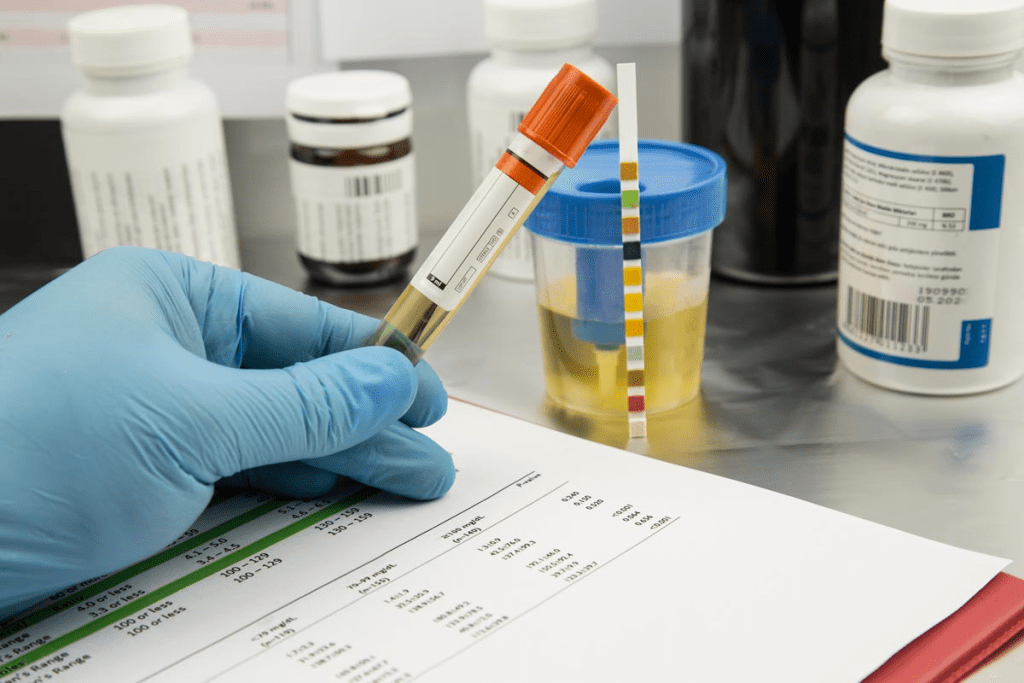
Ovarian cysts are fluid-filled sacs in the ovary. They are a common concern for women. Accurate diagnosis is key for the right treatment. While a urine test cannot directly diagnose a complex ovarian cyst, it can rule out other urinary issues that may be causing similar pelvic pain.
Diagnosing ovarian cysts usually involves imaging such as an ultrasound. This method shows the cyst’s size and details. It helps doctors decide the best treatment. But, can a simple urine test find an ovarian cyst?
Right now, a urine test can’t reliably find ovarian cysts. But, medical science is always improving. They’re looking into urine biomarkers for diagnosing health issues.
Key Takeaways
- Ovarian cysts are common and often benign.
- Ultrasound is a primary diagnostic tool for ovarian cysts.
- Urine tests are not typically used to diagnose ovarian cysts.
- Advancements in diagnostic techniques are ongoing.
- Understanding your diagnosis is key for effective care.
1. What Are Ovarian Cysts and Why They Matter
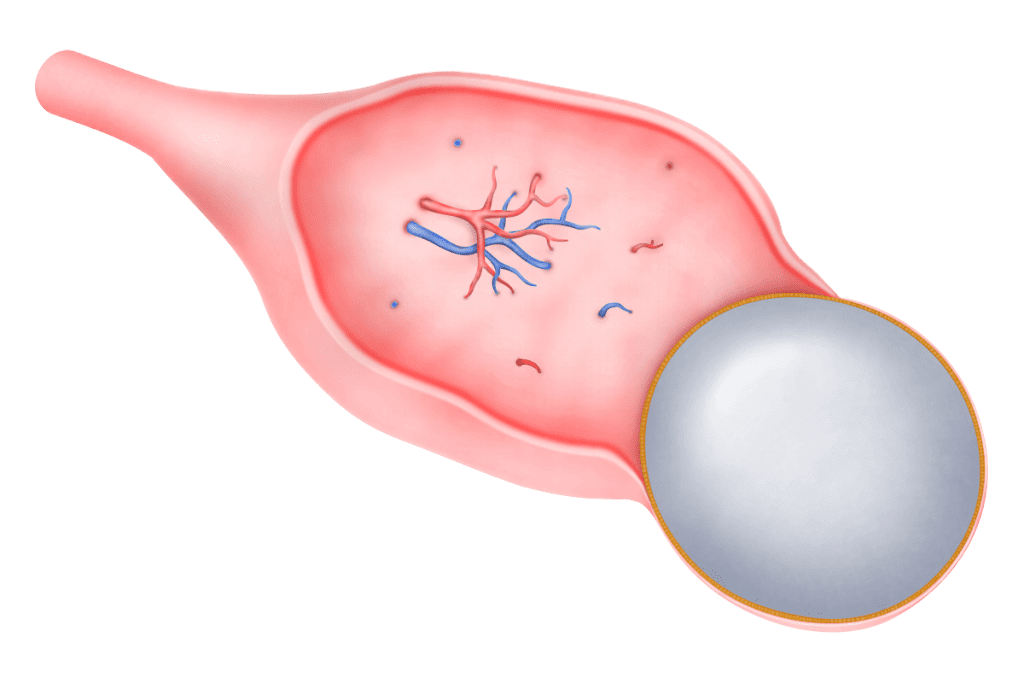
Ovarian cysts are fluid-filled sacs on the ovaries. Knowing about their types and symptoms is key for women’s health. We’ll look at the different types and their symptoms.
Common Types of Ovarian Cysts
There are many types of ovarian cysts, each unique. Follicular cysts are common and usually harmless. They happen when an egg isn’t released during ovulation.
Dermoid cysts, or teratomas, can have hair, skin, or teeth inside. Other types include cystadenomas and endometriomas. These can be filled with thick fluid or linked to endometriosis.
Recognizing Symptoms of Ovarian Cysts
Ovarian cysts might not show symptoms or can cause various issues. Common signs are abdominal ache or pain, swelling or bloating, and pain during intercourse. They can also lead to pelvic pain or irregular menstrual cycles.
If a cyst ruptures or twists, it can cause severe pain. This can be very dangerous.
Women should watch for these symptoms and see a doctor if they notice anything unusual. Early detection and treatment are very important.
2. The Truth About Urine Tests and Ovarian Cyst Detection
Ovarian cyst diagnosis doesn’t usually use urine tests. This is because urine tests are not very good at finding ovarian cysts. They are used for many other health issues, but not for this one.
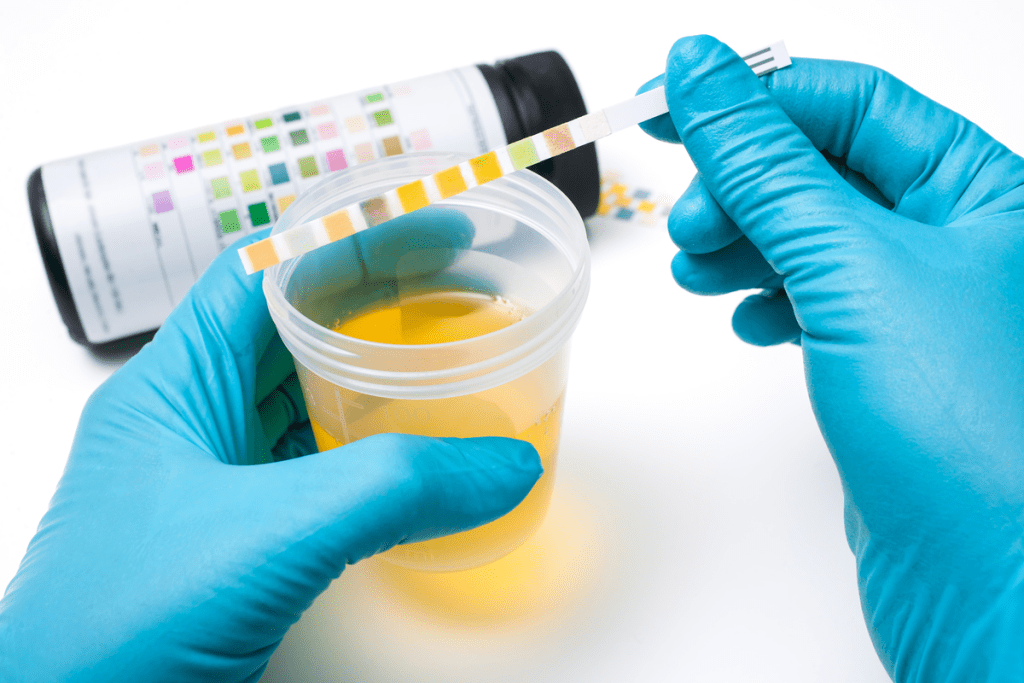
Limitations of Standard Urinalysis
Standard urinalysis can’t find ovarian cysts. It looks for signs of infection, kidney disease, and other urinary tract problems. It can spot blood in the urine or too much protein, but it can’t tell if you have an ovarian cyst.
Research shows that urine tests might help find ovarian cancer, but they’re not good for benign cysts. Most ovarian cysts are not cancerous.
Why Urine Tests Aren’t Currently Reliable Diagnostic Tools
Ovarian cysts are complex and need better tests to diagnose. Urine tests are not detailed enough to find these cysts accurately.
A urine test might not tell the difference between a harmless cyst and a serious problem. This shows we need better ways to diagnose.
We use physical exams, imaging, and blood tests to find ovarian cysts. These methods give us a clear picture of the cyst. They help doctors decide the best treatment.
3. Understanding Complex Ovarian Cysts: Characteristics and Concerns
It’s important to understand complex ovarian cysts well. This helps doctors diagnose and treat them better. These cysts are bigger and more complex, which means they might be riskier.
Simple vs. Complex Ovarian Cysts
Ovarian cysts are divided into simple and complex types. Simple ovarian cysts are usually fluid-filled and not harmful. They might even go away on their own. On the other hand, complex ovarian cysts have solid parts or septations. This makes them harder to diagnose and treat.
Knowing if a cyst is simple or complex is key. Simple cysts might just need regular check-ups. But complex cysts could need more serious treatment because they might be cancerous.
Size Considerations: When 5 cm and Larger Matters
The size of an ovarian cyst is very important. Cysts 5 cm or larger are more serious. They are at higher risk of rupturing or twisting, which can cause severe pain and serious health issues.
- Cysts bigger than 5 cm might need more attention or surgery.
- The bigger the cyst, the higher the risk of twisting, making quick diagnosis and treatment vital.
Septated and Chocolate Cysts: Special Considerations
Some complex ovarian cysts, like septated ovarian cysts and chocolate cysts, need extra care. Septated cysts have internal divisions, making diagnosis and treatment tricky. Chocolate cysts, or endometriomas, are linked to endometriosis. They can cause a lot of pain and fertility problems.
Chocolate cysts are hard to spot with regular imaging. Ultrasound is often used to find them. They look like a “ground-glass” appearance, which is a sign of an endometrioma.
“Accurate diagnosis of complex ovarian cysts, including septated and chocolate cysts, is key for good management and treatment planning.”
Expert Opinion
4. Primary Diagnostic Methods for Ovarian Cysts
Diagnosing ovarian cysts involves several steps. These include a physical exam, blood tests, and imaging. Accurate diagnosis is key to the right treatment.
Physical Examination: First Step in Diagnosis
A physical exam is the first step. A healthcare provider may do a pelvic exam. They look for masses or tenderness in the pelvic area. This helps decide if more tests are needed.
Blood Tests and Tumor Markers
Blood tests are important in diagnosing ovarian cysts. They check for tumor markers like CA125. High CA125 levels might mean an ovarian cyst or other issues. But, blood tests alone can’t confirm a diagnosis.
Doctors say using CA125 with imaging studies improves accuracy. We use these tools together to care for patients.
When to Seek Immediate Medical Attention
Knowing when to seek urgent care is vital. Severe pain, vomiting, fever, or bleeding signs mean you need emergency help. If you have these symptoms, get help right away.
Guidelines say quick evaluation is key for acute symptoms. We stress the need for fast medical action.
5. Imaging Techniques: The Gold Standard for Cyst Visualization
Imaging techniques are key in diagnosing ovarian cysts. They give a detailed look at the cysts. These methods are vital in modern gynecology, helping doctors diagnose and manage cysts well.
Ultrasound: Identifying Anechoic and Complex Cysts
Ultrasound is the main tool for checking ovarian cysts. It’s safe and shows cysts clearly. Ultrasound can tell if a cyst is simple or complex, which helps decide treatment.
Simple cysts look dark on ultrasound, meaning they’re likely not cancerous. Complex cysts, with their detailed look, might show cancer risk.
CT Scans and MRIs: When Advanced Imaging Is Needed
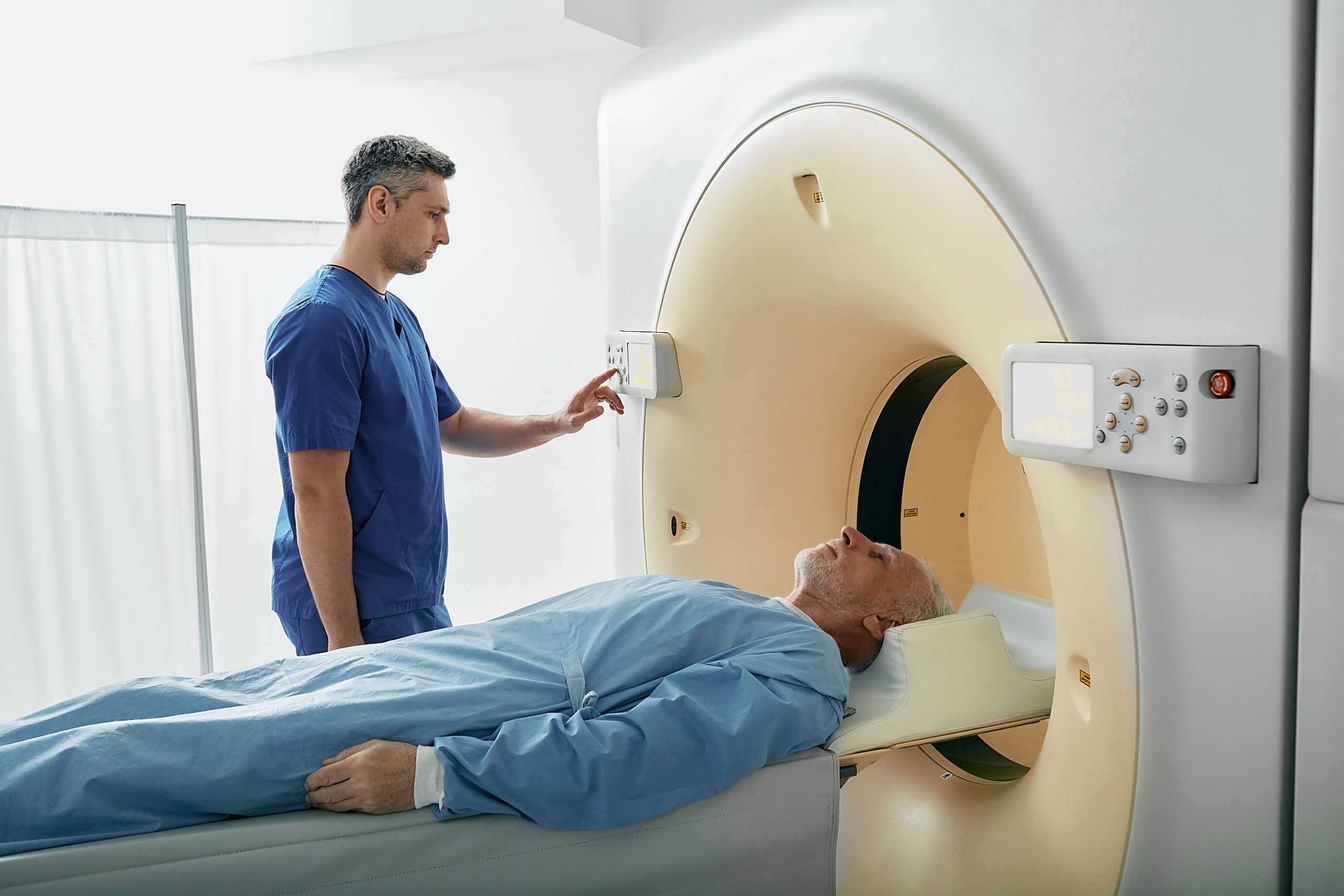
Ultrasound is first, but CT scans and MRIs are used for more details. These scans give more info on cysts and their surroundings. They help spot cancer signs, too.
CT scans show how cysts relate to nearby organs and if they’ve spread. MRIs are better at showing soft tissues, helping identify cyst types and other issues.
What to Expect During Imaging Procedures
Ultrasound uses gel and a transducer to see the ovaries. It’s painless and takes about 30 minutes.
CT scans and MRIs need you to stay very quiet in the scanner. You might lie on a table that slides into a big machine. These tests might use contrast agents for better images.
“Imaging techniques have revolutionized the way we diagnose and manage ovarian cysts, providing a clear and detailed visualization of these complex structures.”
Gynecologist
In summary, imaging, led by ultrasound, is critical in diagnosing ovarian cysts. Knowing about these methods and what happens during them helps patients prepare for their tests.
6. Emerging Research: Future of Urine Testing
New studies are showing how urine tests could change how we find ovarian cancer. They aim to find reliable biomarkers in urine. This could change how we diagnose diseases.
CA125 and HE4 Urinary Biomarkers: Current Research
Researchers are looking closely at CA125 and HE4. These biomarkers are usually found in blood. But, new studies are checking if they work in urine too.
- CA125 is a known biomarker for ovarian cancer, used in doctor’s offices.
- HE4 is another marker, good for telling if a tumor is cancerous or not.
- Early studies say urine tests with these biomarkers could be a new way to diagnose without invasive tests.
Even though the results look good, we’re just starting to understand urine biomarkers. More studies are needed to make sure these tests work well.
Experimental Technologies: Nanopore Sensing and Beyond
Researchers are also looking into new tech to find cancer earlier. One tech is nanopore sensing. It can spot tiny amounts of biomarkers.
Nanopore sensing works by looking at how molecules change an electrical signal. This tech might help find cancer early, which could lead to better treatments.
- Nanopore sensing is being used for many medical tests, including finding cancer.
- It’s very sensitive, which could help find cancer early, improving treatment chances.
As research keeps going, we might see urine tests and new tech like nanopore sensing work together. This could lead to early, accurate, and non-invasive cancer detection. We’re getting closer to a future where finding cancer early is easier.
7. From Diagnosis to Treatment: Next Steps
Getting a diagnosis for ovarian cysts can be tough. But knowing what comes next can help ease worries. The type of cyst and its health impact are key factors.
Monitoring Options for Different Cyst Types
For many, the first step is to watch and wait. Simple cysts are usually fluid-filled and small. They might just need regular check-ups.
Wait-and-watch is often the plan. We use ultrasounds to keep an eye on the cyst’s size and shape.
Complex cysts are different. They might have solid parts or a thicker wall. These cysts need more attention because they can cause problems.
We might suggest more ultrasounds or other tests to watch them closely.
Medical Interventions Based on Diagnostic Results
When watching isn’t enough, we need to act. Hormonal treatments can help manage symptoms or shrink cysts. Birth control pills, for example, can help by controlling hormones.
If there’s a chance of cancer or symptoms are bad, we talk about surgery. The decision to have surgery depends on the cyst, your health, and if you want to have kids.
Surgical Approaches and When They’re Recommended
Surgery is an option for big, complex cysts or bad symptoms. Laparoscopic surgery is a small cut method. It heals faster.
Laparotomy is a bigger cut surgery. It’s used for very big cysts or if cancer is suspected.
We choose the surgery based on your needs and health. We work with you to find the best option.
Our goal is to care for you fully, from diagnosis to treatment. Dealing with ovarian cysts is tough. We’re here to support you every step of the way.
8. Conclusion: The Current Reality and Future of Ovarian Cyst Detection
We’ve looked into how to find ovarian cysts, from knowing the types and symptoms to today’s ways to spot them. Right now, urine tests aren’t good for finding ovarian cysts. But, research on urine markers like CA125 and HE4 might lead to better ways to diagnose them in the future.
Today, doctors use imaging like ultrasound, CT scans, and MRIs to see ovarian cysts. They also use blood tests and check the patient’s health to make a diagnosis. As research grows, we might get better and easier ways to find ovarian cysts.
The future of finding ovarian cysts will mix old methods with new tech. By keeping up with medical progress, we can better find and treat ovarian cysts. This will help patients live better lives.
FAQ
Can a urine test detect an ovarian cyst?
No, urine tests can’t reliably find ovarian cysts. Researchers are looking into new urine tests. But, regular urine tests aren’t used to diagnose ovarian cysts.
What are the common types of ovarian cysts?
There are several types, like simple and complex cysts. Also, septated and chocolate cysts exist. Each type needs a different way to be diagnosed and treated.
How are ovarian cysts diagnosed?
Doctors use a few methods to find ovarian cysts. They do a physical check, blood tests, and imaging like ultrasound. The choice depends on the cyst’s type and size.
What is the role of ultrasound in diagnosing ovarian cysts?
Ultrasound is key for finding ovarian cysts. It shows if a cyst is simple or complex. It also checks the cyst’s size and where it is.
What are the characteristics of complex ovarian cysts?
Complex cysts have features like septations and solid parts. They might be at higher risk for cancer. Cysts over 5 cm need extra attention.
How are complex ovarian cysts treated?
Treatment varies based on the cyst’s details and the patient’s health. It can range from watching it with ultrasounds to surgery.
Can ovarian cysts be monitored instead of being treated right away?
Yes, simple cysts can be watched with ultrasounds. The choice to monitor or treat depends on the cyst and the patient’s health.
What are the emerging trends in ovarian cyst detection?
Scientists are exploring new urine tests and technologies. These might change how we find ovarian cysts in the future.
When should I seek immediate medical attention for an ovarian cyst?
Get help right away if you have severe pain, vomiting, fever, or shock. These signs could mean a serious problem like a ruptured cyst.
Are there any specific considerations for septated or chocolate cysts?
Yes, septated and chocolate cysts need special care. Septated cysts need close watch due to their complexity. Chocolate cysts are linked to endometriosis and might need different treatment.
How do CT scans and MRIs contribute to ovarian cyst diagnosis?
CT scans and MRIs give more details. They’re used when an ultrasound isn’t clear. They help see how the cyst affects nearby areas and check for cancer.
References
- Owens, G. L., Barr, C. E., White, H., Njoku, K., & Crosbie, E. J. (2022). Urinary biomarkers for the detection of ovarian cancer: a systematic review. Carcinogenesis, 43(4), 311“320. https://www.ncbi.nlm.nih.gov/pmc/articles/PMC9118979/