Last Updated on November 25, 2025 by
Getting a uroflow test can be worrying for many. At our place, we aim to make you feel at ease and treated with respect.
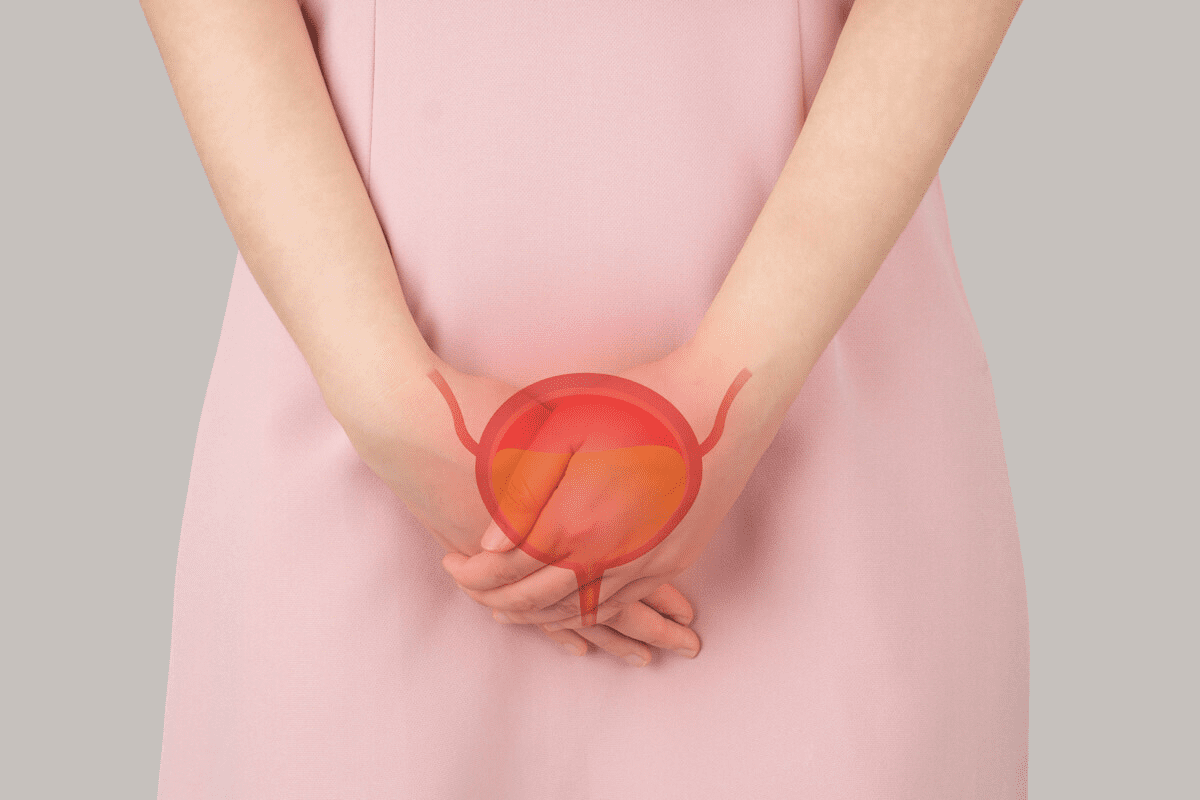
A uroflow test checks how well urine flows from your bladder. It usually takes 30 to 60 seconds for adults. This test helps find many urinary problems.
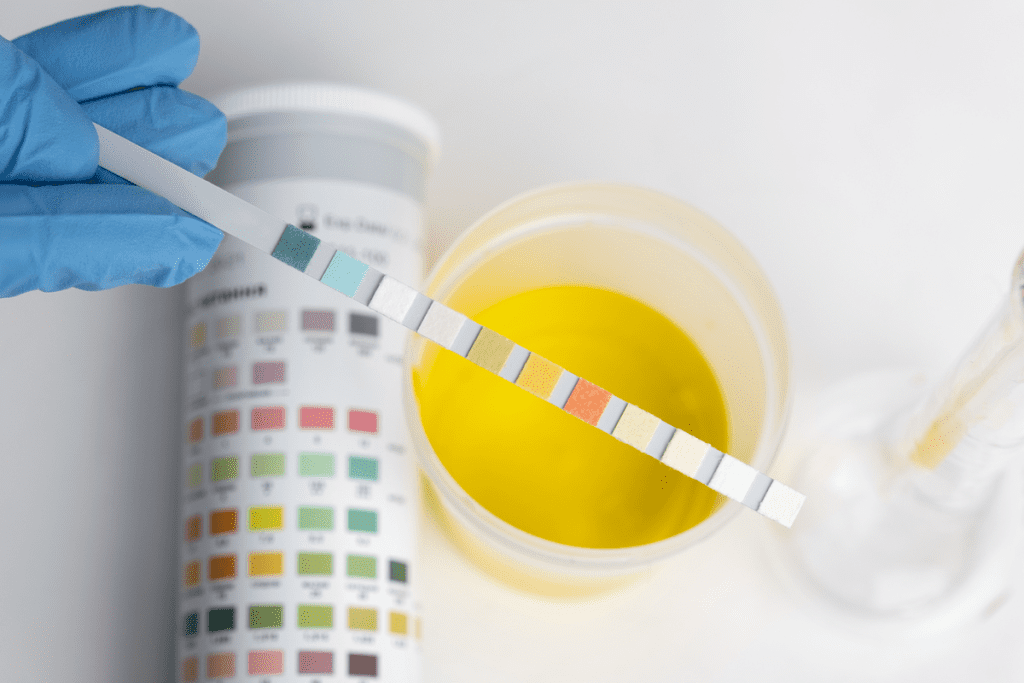
The test looks at how much urine your bladder holds and releases. It helps doctors figure out your flow rate over time. Knowing what’s normal is key for a correct diagnosis.
Key Takeaways
- Uroflow test duration is typically between 30 to 60 seconds.
- The test measures urine flow rate and volume.
- It’s a key tool for finding urinary issues.
- Our place offers a comfortable setting for the test.
- Knowing normal urine output is important for diagnosis.
What Is a Uroflow Test and Why It’s Performed
A uroflow test is a simple, non-invasive way to check how well your bladder works. It helps us see if there are any problems with your urine flow.
Definition and Basic Procedure
Uroflowmetry is a test that looks at how fast and much urine you produce. You’ll pee into a special toilet or device. It records how fast and how much urine you make.
This test is quick, usually taking less than a minute for most people. It helps us find issues like overactive bladder or problems with emptying your bladder.
image is to be replaced’
Medical Conditions That Require Uroflow Testing
Many health issues might need a uroflow test. These include:
- Overactive bladder
- Voiding dysfunction
- Bladder neck dysfunction
- Benign prostatic hyperplasia (BPH)
- Neurogenic bladder
Knowing how much urine you make is key to diagnosing these problems. A normal urine amount per hour is usually 30-60 mL/hour for adults. But, it can change based on how much you drink and other factors.
Looking at your uroflow test results helps us understand your urine health. Then, we can plan the right treatment for you.
5 Key Facts About Uroflow Test Duration
A uroflow test is a quick procedure. Several factors can affect its length. Knowing these can help patients prepare and understand what to expect.
Standard Test Takes 30-60 Seconds for Most Adults
The uroflow test is short, lasting 30 to 60 seconds for most adults. Patients urinate into a device that measures flow and volume. This makes the test easy and non-invasive.
Patients with Normal Function Complete Tests in Under 1 Minute
Those with normal urinary function finish the test in under 1 minute. This shows healthy function. Our team at Liv Hospital checks the results for urinary health.

Extended Duration May Indicate Underlying Issues
If the test takes longer, it might mean there’s a problem. For example, slow flow could mean a blockage or enlarged prostate. We look at peak flow rate (Qmax), average flow rate (Qave), and voiding volume to spot issues.
Total Appointment Time vs. Actual Test Time
The test itself is quick, but the whole visit is longer. This includes getting ready, talking to doctors, and maybe more tests. Patients should expect a longer visit.
Knowing about uroflow test duration can ease worries. It helps patients get ready for their test. By looking at the results, we learn a lot about urinary health and what steps to take next.
Step-by-Step Uroflow Testing Process
Our team will guide you through the uroflow testing process. We want you to feel comfortable and understand what’s happening. Medical tests can seem scary, but we’re here to help.
Preparation Guidelines
Make sure to arrive with a full bladder. Don’t urinate for a few hours before the test. This fills your bladder enough for the test. We’ll give you clear instructions on how to prepare.
It’s a good idea to stay hydrated before your test. But don’t drink too much water right before. It might make you uncomfortable.
What Happens in the Testing Room
In the test room, you’ll urinate into a special device. This device measures your urine flow. It helps us understand your urinary health. Our team will make sure you’re comfortable and private.
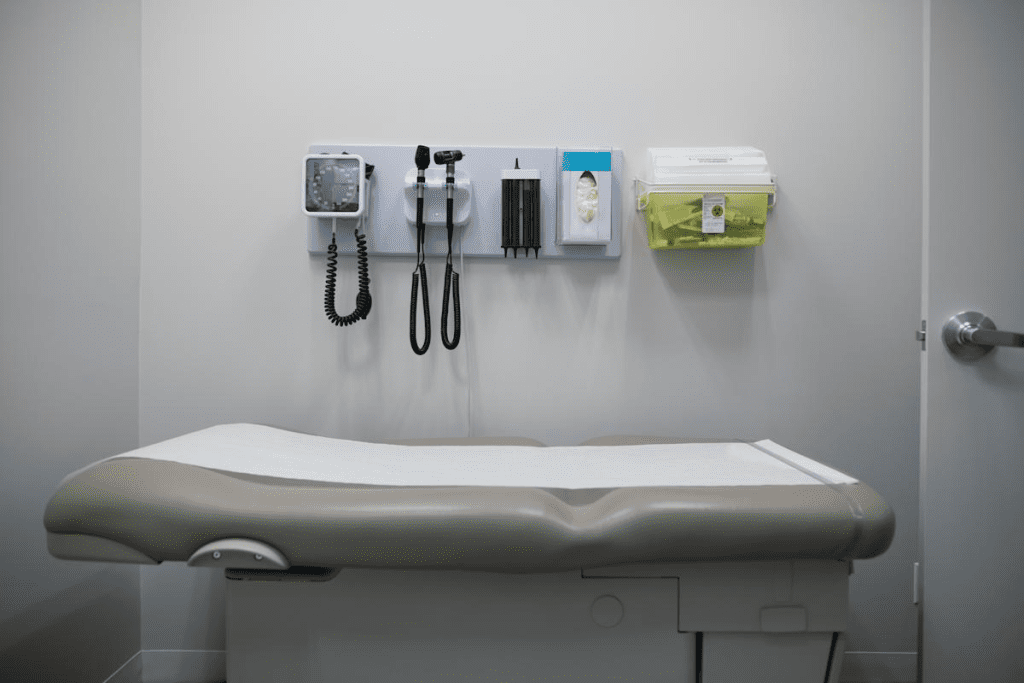
The test is quick, usually taking 30-60 seconds for adults. But the whole appointment might take longer. We need time to prepare you and go over the results.
Immediate Next Steps
Right after the test, we’ll talk about the results with you. We’ll look at the data and discuss your urinary health. If needed, we might suggest more tests or treatment.
We’ll also tell you what to expect next and answer any questions. Our goal is to make sure you’re informed and comfortable with your care.
Normal Urine Output in One Hour and Flow Measurements
Urine output and flow measurements tell us a lot about bladder health. We use the uroflow test to understand how well your urinary system works.
Standard Urinary Volume Production
How much urine you make each day can vary. But usually, a healthy adult makes between 800 and 2,000 milliliters. This means about 50-120 milliliters per hour. But, this can change based on how much you drink, how active you are, and your health.
In a uroflow test, we check how much urine you make. This helps us see if your bladder is working right.
Flow Rate Parameters Measured During Testing
Flow rate is key in the uroflow test. It’s measured in milliliters per second (mL/s). Here’s what’s normal for different people:
- Men should have a flow rate of 10-20 mL/s.
- Women should have a flow rate of 15-25 mL/s.
This tells us how strong and efficient your urine stream is.
Correlation Between Test Results and Daily Urinary Function
Your uroflow test results tell us a lot about your daily urine function. If your flow rate or urine output is off, it might mean you have a problem. This could be something like an obstruction, weak bladder muscles, or a problem with your nerves that controls your bladder.
Looking at these results helps us find any issues. Then, we can make a plan just for you. This ensures you get the best care for your urinary health.
4 Factors That Affect Uroflow Test Duration and Results
Several key factors can affect how long a uroflow test takes and its results. These factors are important for the test’s accuracy and diagnosis. Knowing these elements helps us create a treatment plan that fits your needs.
Patient Age and Gender
Age and gender play a big role in uroflow test results. As people get older, their urinary function can change. This can affect the test results. For example, older adults might have a slower urine flow rate.
Gender also matters because the urinary system is different in men and women. This can impact the test results.
Bladder Volume at Time of Testing
The volume of urine in the bladder at testing time is key. Patients should have a full bladder for accurate results. If the bladder is too empty, the test might not be reliable.
We help our patients prepare for the test to ensure the bladder is full enough.
Psychological Factors and Testing Environment
Psychological factors and the testing environment also matter. Stress or discomfort during the test can skew results. We aim to make the environment as comfortable as possible.
This helps reduce any stress that might affect the test outcome.
Existing Medical Conditions
Pre-existing medical conditions can greatly impact test results. Issues like urinary tract infections or neurological disorders can affect urine flow. We consider these conditions when interpreting results.
This ensures we get an accurate diagnosis and the right treatment plan for you.
By understanding these four factors, we can make sure our diagnosis is precise. This allows us to tailor treatment plans that meet your unique needs. It helps us provide better care for your urinary health.
Conclusion: What to Expect After Your Uroflow Test
After your uroflow test, our team at Liv Hospital will go over the results with you. We’ll talk about your pee system, like a weak pee stream or floating urine. This is important for your health.
We’ll tell you what to do next and answer any questions. Our goal is to support you fully during your treatment. We aim to give you the best care for your urinary health.
With our help, you can feel confident. We’re dedicated to giving you personalized care and advice. We’re here for you every step of the way.
FAQ
What is a uroflow test, and why is it performed?
A uroflow test measures your urine flow and volume. It helps us check how well your bladder works. This test is used to find and treat urinary problems.
How long does a uroflow test take?
A uroflow test usually takes 30 to 60 seconds for adults. But, the whole visit might take longer. We’ll talk about the results with you then.
What happens during a uroflow test?
During the test, you’ll pee into a special device. It tracks your urine flow and volume. Our team will help you and keep your privacy.
What factors can influence uroflow test results?
Many things can change your test results. These include your age, gender, and bladder size. Also, your health and feelings can play a part. Our team knows how to look at these factors.
What is considered a normal urine output in one hour?
Most adults pee about 400-600 mL per hour. But, this can change based on how much you drink and your health. We measure this during the test to check your urine health.
What do the results of a uroflow test indicate?
The test results show important info about your urine health. We look at your peak flow rate and volume. This helps us find issues like a weak stream or other problems.
How do I prepare for a uroflow test?
We’ll tell you how to prepare before the test. You should come with a full bladder. We’ll give you any other specific instructions you need.
What happens after the uroflow test?
After the test, we’ll go over the results with you. We’ll talk about what we found, answer your questions, and plan your next steps. Our goal is to help you understand your condition and treatment.
Can I pass a urine test by drinking water?
Drinking water can help with hydration. But, it’s not a good way to change urine test results. We’re trained to spot any attempts to cheat and advise against it.
What is a urinary analysis?
A urinary analysis, or urinalysis, checks your urine’s physical, chemical, and microscopic properties. It helps find health issues like infections or kidney disease.
How do I know if I’m peeing normally or if there’s an issue?
Look out for signs like a weak stream or trouble starting or stopping. Pain while peeing is also a red flag. If you notice these, talk to our team. We’ll check your condition and guide you.
References
- Dhingra, S., et al. (2021). Urodynamics and uroflowmetry in children. Indian Journal of Urology, 37(3), 187-194. https://pubmed.ncbi.nlm.nih.gov/34399844/