Last Updated on November 25, 2025 by
At LIV Hospital, we stress the need for the right time for uroflowmetry. This test is key for checking lower urinary tract symptoms. It measures how fast urine flows to spot urinary problems, while also helping doctors compare results with the normal per hour urine output.
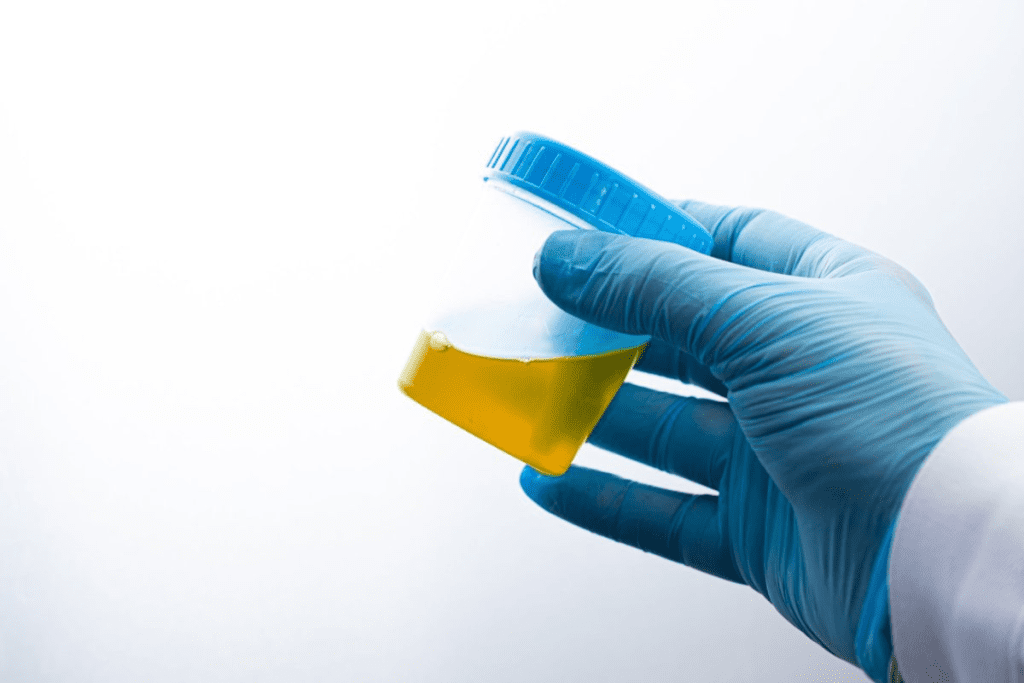
Knowing when to do a uroflow test is vital for good results. We help our patients find the best time and way to do it. This gives us clear views of their urinary health and better care for them.
Key Takeaways
- Uroflowmetry measures the flow rate of urine to diagnose lower urinary tract symptoms.
- Optimal timing for uroflowmetry is key for reliable data.
- LIV Hospital focuses on quality service and academic standards.
- Understanding uroflow test results helps in assessing urinary health.
- Accurate uroflowmetry results lead to better patient outcomes.
What is Uroflowmetry and Why It’s Performed
Uroflowmetry is a test that helps check the health of the urinary tract. It measures how well urine flows through the bladder and urethra. This test is non-invasive and helps find problems like lower urinary tract symptoms (LUTS) and benign prostatic hyperplasia (BPH).
Definition and Purpose of Uroflow Testing
Uroflowmetry, or uroflow testing, is a simple test. It records how fast and much urine flows over time. This test helps doctors check if the bladder is working right and find any flow problems. It’s a key tool for diagnosing and tracking lower urinary tract issues.
Diagnosing Lower Urinary Tract Symptoms (LUTS)
LUTS can really affect a person’s life, causing weak urine flow, needing to pee a lot, or trouble starting to pee. Uroflowmetry is a main tool for finding these symptoms. Doctors use it to figure out what’s causing LUTS and plan the best treatment.
Common Conditions Requiring Uroflowmetry
Many conditions need uroflowmetry for diagnosis or tracking. These include BPH, urinary tract blockages, and neurogenic bladder. Uroflowmetry is most accurate when the bladder naturally wants to empty at a volume of 350“550 mL. Knowing how uroflowmetry helps diagnose these issues shows its vital role in healthcare.
5 Optimal Conditions for Taking a Uroflow Test
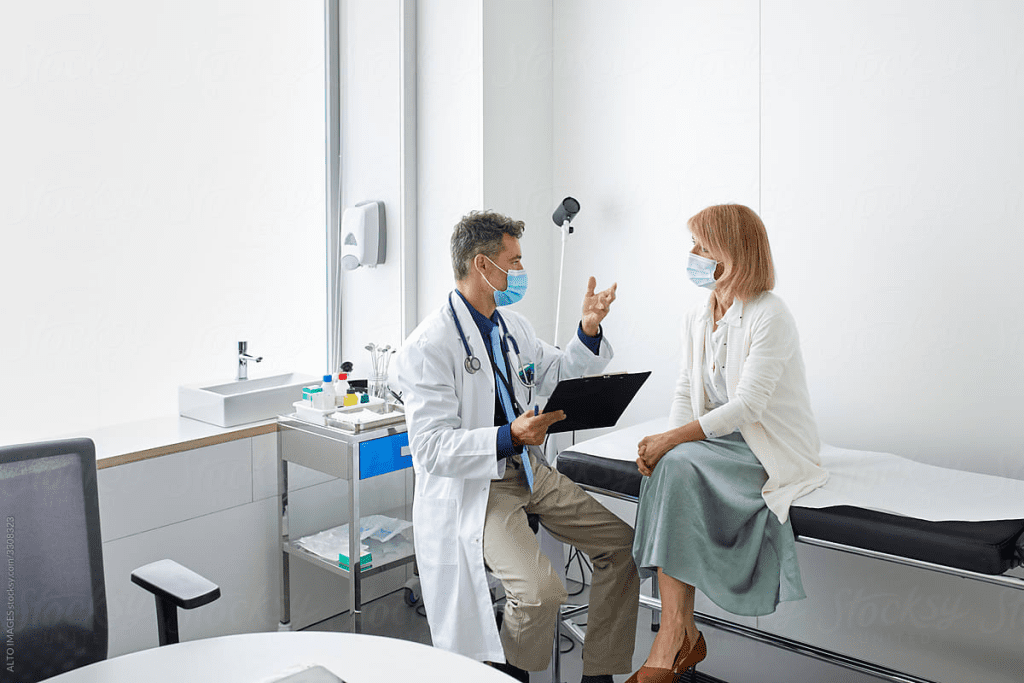
To get the most from a uroflow test, certain conditions must be met. Patients should prepare by following these guidelines. This ensures accurate and reliable results.
When You Have a Natural Urge to Void
It’s important to take the test when you really need to go. This shows your normal urination patterns. Avoid scheduling the test when you’re not feeling the need to urinate.
With Proper Bladder Volume (350-550 mL)
The International Consultation on Incontinence suggests a bladder volume of 350“550 mL. This range is key for accurate results. This range helps in obtaining a true representation of your urinary flow.
In a Comfortable, Private Environment
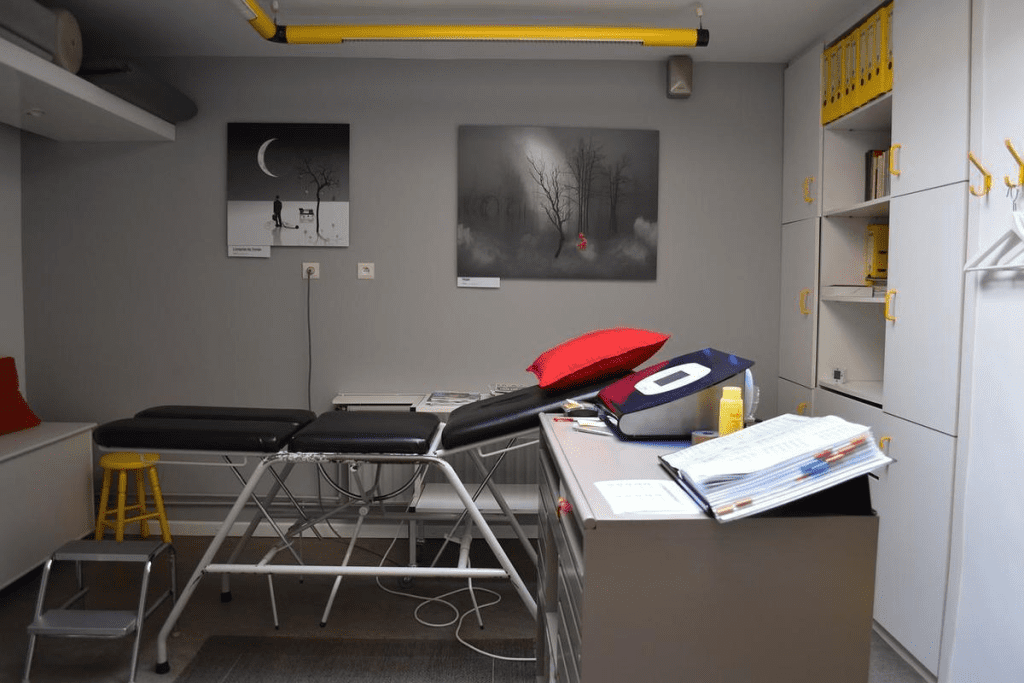
A comfortable and private setting is vital for the test’s accuracy. Anxiety or discomfort can skew results. We advise patients to relax and be in a setting that feels natural and comfortable.
Without Forcing or Straining
Forcing or straining during the test can give false results. It’s important to relax and let your body function naturally. Relaxing and letting your body function naturally is key to obtaining reliable data.
By following these guidelines, patients can ensure their test reflects their urinary health. Understanding and following these conditions can lead to accurate diagnoses and effective treatments. For example, knowing the normal urine output per hour helps assess urinary health. Being aware of slow urine flow in males aids in diagnosing issues.
- Arrive with a comfortably full bladder.
- Relax in a private setting.
- Avoid straining or forcing urine flow.
- Follow the healthcare provider’s instructions.
Optimizing the conditions for a uroflow test helps gather valuable data. This data is key to better patient outcomes.
Understanding Normal Per Hour Urine Output and Flow Rates
Understanding uroflowmetry results starts with knowing normal urine production and flow rates. This test measures urine flow and helps diagnose lower urinary tract symptoms (LUTS). Knowing what’s normal is key to interpreting these results.
Standard Urine Production in Adults
Adults usually make 1.5 to 2 liters of urine daily. The flow rate is a key sign of urinary health. For men, a normal flow rate is over 15 mL/s, and for women, it’s over 12 mL/s.
Age, sex, and health can change urine production and flow. For example, older adults might have slower urine flow due to age-related changes.
Expected Uroflow Measurements
A uroflowmetry test measures several things, like the maximum flow rate (Qmax) and average flow rate (Qave). Qmax is the most important because it shows the fastest urine flow. For men, a Qmax over 20 mL/s is normal, and for women, it’s over 15 mL/s.
- Qmax: Maximum flow rate, indicating the highest rate of urine flow.
- Qave: Average flow rate, showing the average speed of urine flow throughout the test.
- Voided Volume: The total amount of urine voided during the test.
These measurements give insights into the lower urinary tract’s function.
Differences Between Routine and Urgent Voiding Patterns
It’s important to know the difference between routine and urgent voiding. Studies show that urgent voiding can lead to higher flow rates (Qmax). This can cause false results, mainly in patients with LUTS.
Understanding these differences helps doctors better interpret test results and care for patients.
Image is to be replaced’
Knowing about normal urine output and flow rates helps us understand uroflowmetry data. This knowledge is vital for both patients and healthcare providers to manage urinary health effectively.
Factors That Can Affect Your Uroflowmetry Results
It’s important to know what can change uroflowmetry results. This test helps find urinary problems. Things like how you feel, how urgent you need to pee, and where you are can change the results.
Impact of Anxiety on Test Accuracy
Anxiety can really mess with uroflowmetry results. If you’re stressed or anxious, your urine flow might not be normal. A calm place is key for getting right measurements. Lowering anxiety helps show what your pee flow is usually like.
How Urgency Changes Flow Measurements
Feeling like you really need to pee can also change your results. People who feel very urgent might pee differently than those who don’t. It’s important to think about this when looking at your test results. Urgency can cause changes in how your pee flows, which might not show what’s normal for you.
Benefits of Home-Based Uroflowmetry
Studies show that doing the test at home can be more accurate. It’s because you’re in a place you know and feel comfortable. This can help you relax and get better measurements of your urine flow.
When Repeated Measurements Are Necessary
Sometimes, you might need to do the test more than once. This is true if your pee flow changes a lot. Doing more tests helps doctors understand your pee better, including if it’s weak.
Knowing what can change uroflowmetry results helps us get better at diagnosing and treating pee problems. This makes sure patients get the right help they need.
Conclusion: Getting the Most Accurate Uroflow Assessment
Getting accurate results from a uroflowmetry test is key for treating urinary health issues. Our personnel at Liv Hospital emphasizes the need to know how to prepare for this test. This ensures you get the best results.
The time it takes for uroflowmetry results can vary. It’s usually quick and easy. People often ask, “How long does it take for uro to work?” The answer depends on when the test is done and how full your bladder is.
By following the tips in this article, you can make sure your uroflowmetry test is accurate.LIV Hospital’s faculty is dedicated to top-notch care. We help guide you through every step of your diagnostic journey.
We aim to offer full support. This way, you get the right diagnosis and treatment plan.
FAQ
What is uroflowmetry?
Uroflowmetry is a test that checks how fast urine flows. It helps doctors see if the bladder is working right and find any problems.
Why is uroflowmetry performed?
It’s great for finding issues with the lower urinary tract. This includes problems like an enlarged prostate.
What is the ideal bladder volume for uroflowmetry?
The best bladder size for this test is between 350-550 mL. This is what experts say.
How can anxiety affect uroflowmetry results?
Anxiety can mess up the test’s accuracy. But, studies show home tests might be better because they’re less stressful.
What is considered normal urine output per hour?
Knowing how much urine is normal is key. It changes from person to person. But, for adults, it’s usually 50-100 mL per hour.
How long does it take for uroflowmetry to provide results?
The test itself is quick. You’ll get your results right after it’s done.
What is a uroflow test, and how is it performed?
A uroflow test, or uroflowmetry, measures urine flow. You pee into a special device that tracks the flow and amount.
Can a weak stream when urinating be diagnosed with uroflowmetry?
Yes, it can. Uroflowmetry can spot issues with a weak stream. This might mean you have something like BPH.
Is uroflowmetry a painful test?
No, it’s not painful. It’s a non-invasive and painless test.
Can I perform uroflowmetry at home?
Yes, you can. Home tests might be more accurate. They help because they’re less stressful than clinical settings.
References
“Normal and Abnormal Urine Output and Interpretation. (n.d.). NCBI Bookshelf. https://www.ncbi.nlm.nih.gov/books/NBK606132/