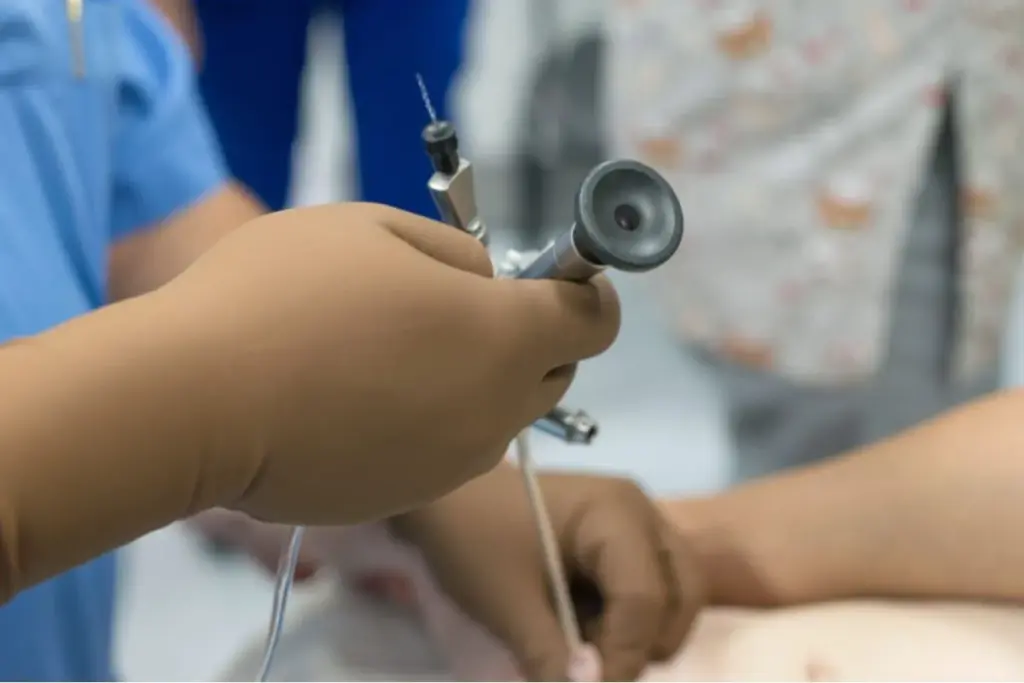
Did you know over 1 million cystoscopy procedures happen every year in the U.S.? A cystoscopy is a medical test. It uses a cystoscope, a thin, flexible or rigid tube with a camera and light. This tube is inserted into the urethra to see inside the bladder and urethra urologist.
This tool helps us look directly at the bladder and urethra. It lets us find problems like bladder stones, tumors, or inflammation. Then, we can plan the best treatment.
Key Takeaways
- Cystoscopy is a procedure used to visually examine the bladder and urethra.
- It involves inserting a cystoscope into the urethra.
- The procedure helps diagnose and sometimes treat urinary tract conditions.
- Cystoscopy is a valuable tool in urology for examining the bladder and urethra.
- It can identify issues such as bladder stones, tumors, or inflammation.
Understanding Cystoscopy Procedures
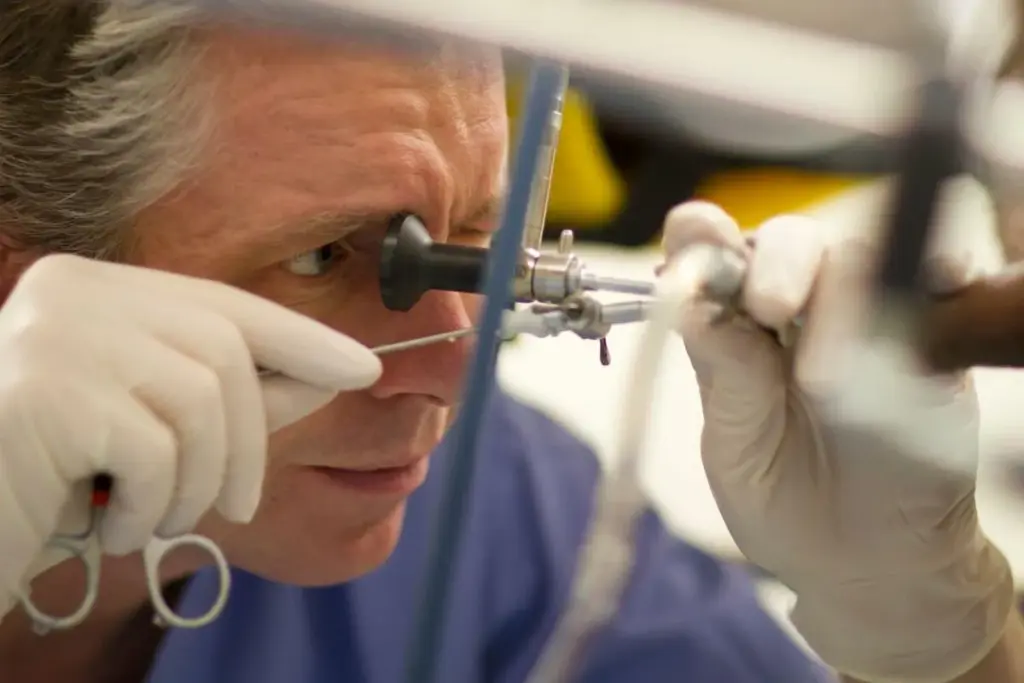
The cystoscopy procedure is a key tool for urologists to check the urinary tract. It uses a thin, flexible or rigid tube with a camera and light. This helps them see inside the bladder and urethra.
Definition of Cystoscopy
Cystoscopy lets a urologist look inside the bladder and urethra. They use a cystoscope, a thin tube with a camera and light. This helps them find and diagnose urinary tract problems.
Cystoscopy can be either flexible or rigid. Flexible cystoscopy is more comfortable for some patients. Rigid cystoscopy is used for more complex procedures or when more instruments are needed.
Purpose of the Procedure
The main purpose of cystoscopy is to find and sometimes treat problems in the bladder and urethra. It helps with symptoms like urinary incontinence, blood in the urine, or trouble urinating.
During the procedure, the urologist can visually inspect the bladder and urethra. They look for things like stones, tumors, or inflammation. They can also take tissue samples (biopsies) if needed.
Who Performs Cystoscopy?
Cystoscopy is done by a urologist. Urologists are doctors who focus on the urinary tract and male reproductive system. They are trained to do cystoscopy and understand the results.
Knowing who does cystoscopy and their role helps patients see its importance. It’s key for keeping their urological health in check.
Why a Urologist is Involved

A urologist does more than just cystoscopy; they manage urinary health. Their skill is key for the procedure and diagnosis. They also help with treatment after.
Role of a Urologist in Diagnosis
Urologists focus on the urinary tract and male reproductive system. They are experts in reading cystoscopy results. This helps them spot problems like bladder stones, tumors, or infections.
“Knowing the urinary tract well is key for correct diagnosis,” a top urologist notes.
Conditions Treated by Urologists
Urologists handle many issues, like urinary tract infections, kidney stones, bladder problems, and prostate issues. They create treatment plans that fit each patient’s needs.
- Urinary tract infections
- Kidney stones
- Bladder issues
- Prostate problems
Importance of Choosing a Specialist
It’s important to pick a skilled urologist for cystoscopy. They make sure the procedure goes right. They also guide on care and follow-up treatments.
“Choosing a good urologist can greatly affect your treatment’s success,” doctors say.
Preparing for Your Cystoscopy
To make your cystoscopy go smoothly, follow your healthcare provider’s pre-procedure guidelines. Preparing for a medical procedure can seem scary. But with the right info, you’ll feel more ready and confident.
Pre-Procedure Instructions
Your urologist will give you specific instructions before your cystoscopy. You might need to arrive at the hospital early, bring someone with you, and follow a diet or fasting plan.
- Arriving at the hospital or clinic a certain amount of time before the procedure.
- Having someone accompany you to the procedure and drive you home afterward.
- Following a specific diet or fasting schedule.
It’s important to follow these instructions to stay safe and ensure the procedure’s success.
Medications to Avoid
Some medications can raise the risk of problems during your cystoscopy. We’ll tell you which ones to avoid and when to stop taking them. This includes blood thinners and certain anti-inflammatory drugs.
- Blood thinners, such as warfarin or aspirin.
- Certain anti-inflammatory medications.
Always talk to your urologist before stopping any medication.
What to Expect During Preparation
On the day of your cystoscopy, you’ll check in, fill out paperwork, and change into a hospital gown. Then, you’ll go to the procedure room where your urologist will explain what will happen.
- Check in at the designated time and fill out any necessary paperwork.
- Change into a hospital gown.
- Be escorted to the procedure room where your urologist will explain the steps of the cystoscopy.
We aim to make this process as comfortable and stress-free as possible.
The Cystoscopy Process Explained
Learning about the cystoscopy process can make you feel less anxious. We’re here to walk you through it, making sure you know what to expect. We want you to feel informed and supported every step of the way.
Step-by-Step Overview
The cystoscopy process has several key steps:
- Preparation: You’ll sit on an examination table. The area around the urethral opening will be cleaned and prepared.
- Anesthesia Administration: You might get local or general anesthesia to help with discomfort, depending on the procedure and your comfort level.
- Cystoscope Insertion: A thin, flexible or rigid tube with a camera is inserted into the urethra and guided into the bladder.
- Examination: The urologist will look at the bladder and urethra for any issues or abnormalities.
- Biopsy or Treatment: If needed, a biopsy might be taken, or treatment could be given during the procedure.
As one patient noted,
“I was surprised by how quickly the procedure was over. The explanation beforehand really helped calm my nerves.”
Duration of the Procedure
The cystoscopy procedure usually takes less than 30 minutes. But, you’ll spend more time at the medical facility because of preparation and recovery. The exact time can change based on the procedure’s complexity and any additional treatments.
|
Procedure Type |
Typical Duration |
|---|---|
|
Diagnostic Cystoscopy |
15-30 minutes |
|
Operative Cystoscopy |
30-60 minutes |
Use of Local vs. General Anesthesia
The choice between local and general anesthesia depends on several factors. These include your health, the procedure’s complexity, and your preference. Local anesthesia numbs the urethral area, while general anesthesia makes you unconscious.
Local anesthesia is often used for simpler procedures, letting you stay awake and recover quickly. General anesthesia might be suggested for more complex procedures or if you’re very anxious.
We’ll talk about the best anesthesia option with you before the procedure. We want to make sure you’re comfortable and ready for your cystoscopy.
Post-Procedure Care and Considerations
After a cystoscopy, you need to follow some important steps to heal well and feel less pain. We know this time can be worrying, and we’re here to help you through it.
Immediate Aftercare
Right after your cystoscopy, you might feel some pain or a burning feeling when you pee. This usually goes away quickly and can be eased with over-the-counter pain meds. Drinking lots of water helps clear your system. Try to avoid doing too much for the rest of the day to let your body heal.
Key aftercare tips include:
- Watch your pee for signs of infection, like blood or a bad smell
- Don’t lift heavy things or do hard activities
- Try a warm bath to ease any discomfort
Possible Side Effects
Even though cystoscopy is usually safe, some people might have side effects. Common ones are:
- Needing to pee a lot
- A mild burning feeling when you pee
- Light bleeding or spotting
These side effects are usually mild and go away in a few days. But if they don’t get better or get worse, you should talk to your urologist.
When to Contact Your Urologist
If you see any of these symptoms, call your urologist:
- Severe pain or trouble peeing
- Heavy bleeding or clots in your pee
- Fever or chills
- Signs of infection, like a strong smell or cloudy pee
Your urologist is ready to help with any worries and give more advice for your recovery. By following these steps, you can make your recovery smooth and comfortable.
Risks and Complications of Cystoscopy
Cystoscopy, like any medical procedure, comes with risks and complications. It’s a safe and effective way to diagnose issues, but knowing about these can prepare patients better.
Common Risks
Some common risks of cystoscopy include:
- Infection: There’s a chance of infection with any invasive procedure.
- Bleeding: Some bleeding might happen during or after the procedure.
- Discomfort: Mild pain or discomfort is possible during or after the procedure.
These risks are usually managed with proper medical care and post-procedure instructions.
Rare but Serious Complications
While rare, serious complications can happen, such as:
- Perforation of the bladder or urethra: This is a serious issue that might need surgery.
- Severe infection: Rarely, a severe infection can occur, needing immediate medical attention.
It’s important for patients to know about these risks and seek help if they have severe symptoms.
Importance of Follow-Up Care
Follow-up care is key after a cystoscopy. It helps monitor for complications and addresses any concerns or symptoms. Following your urologist’s post-procedure instructions is vital to minimize risks and ensure a smooth recovery.
By understanding the risks and taking precautions, patients can feel confident about undergoing cystoscopy. It’s a step towards diagnosing and treating their urological condition.
Conditions Diagnosed via Cystoscopy
Cystoscopy lets us see inside the bladder and urethra. It helps us find several conditions. This tool is key for diagnosing urinary tract issues and planning treatments.
Bladder Issues
Many patients worry about bladder problems. Cystoscopy can spot several issues, like:
- Bladder cancer: It finds tumors and checks their size and location.
- Bladder stones: These are hard mineral masses in the bladder.
- Interstitial cystitis: It causes bladder pressure, pain, and sometimes pelvic pain.
By looking at the bladder, we can find these problems and plan the right treatment.
Urethral Disorders
Urethral issues can also be found with cystoscopy. Some common ones are:
- Urethral strictures: Narrowing due to scar tissue.
- Urethral diverticula: Pouches or pockets in the urethra’s wall.
- Urethral caruncles: Small, benign growths at the urethral opening.
Cystoscopy lets us closely examine the urethra. This helps us accurately diagnose these conditions.
Kidney Problems
Even though cystoscopy looks at the bladder and urethra, it can hint at kidney issues. For example:
- Kidney stones: We can tell if there are stones by looking at the ureters and bladder.
- Upper urinary tract issues: We might take samples for analysis to check for problems.
Our urologists use cystoscopy findings to suggest more tests if they think there might be kidney problems.
|
Condition |
Description |
Diagnostic Capability of Cystoscopy |
|---|---|---|
|
Bladder Cancer |
Malignant tumors in the bladder |
Direct visualization of tumors |
|
Urethral Strictures |
Narrowing of the urethra due to scar tissue |
Direct visualization of the stricture |
|
Kidney Stones |
Hard mineral deposits in the kidneys |
Indirect indication through ureteral or bladder examination |
Monitoring Your Health After Cystoscopy
It’s important to watch your health after a cystoscopy. Regular visits to a urologist help keep your urinary system healthy. They can also handle any problems that come up.
Regular Checkups with Your Urologist
Your urologist will want to see you after a cystoscopy. Make sure to go to these appointments. They help your doctor keep an eye on your health and catch any problems early.
At these visits, your doctor might do more tests. They can check if you’re healing right. They might also talk about changes you can make to help your urinary health.
Early Signs of Complications
Even though cystoscopy complications are rare, knowing the signs is key. Severe pain, heavy bleeding, or trouble urinating could mean a problem. If you notice these, call your urologist right away.
Other signs include fever, chills, or a strong need to pee. Watching for these can help catch and fix any issues quickly.
Lifestyle Changes for Better Urological Health
Some lifestyle changes can really help your urological health after a cystoscopy. Drinking lots of water is a simple but effective way to keep your urinary system working well.
|
Lifestyle Change |
Benefit |
|---|---|
|
Staying Hydrated |
Helps flush out bacteria and reduce the risk of infection |
|
Avoiding Irritants |
Reduces discomfort and promotes healing |
|
Maintaining a Healthy Diet |
Supports overall urological health |
Adding these changes to your daily life can help your recovery. It also keeps your urological health in good shape for the future.
Alternatives to Cystoscopy
Cystoscopy isn’t the only way to check your urological health. There are other methods that can give you important insights. These options are great for those who don’t fit well with cystoscopy or prefer less invasive methods.
Non-Invasive Diagnostic Methods
There are non-invasive ways to check your urinary tract. Tests like ultrasound and CT scans can show what’s going on inside. Ultrasound uses sound waves to create images of your bladder and kidneys. It can spot problems like stones or tumors.
Urodynamic testing is another non-invasive method. It checks how your lower urinary tract works. This test can find issues like incontinence or blockages by measuring urine flow and pressure.
When Alternatives are Recommended
Doctors might suggest alternatives to cystoscopy for certain reasons. For example, if you have a severe urethral stricture or an acute urinary tract infection, these methods might be safer. Also, if you’re nervous about cystoscopy or have had bad reactions before, there are other ways to go.
A leading urologist says, “The right diagnostic method depends on your condition and medical history. Alternatives can give a full picture of your urological health.”
“Choosing an alternative diagnostic method is based on your health and the condition being diagnosed.”
Comparison of Methods
When looking at cystoscopy and its alternatives, several things matter. Cystoscopy lets doctors see inside your bladder and urethra directly. It can find problems like polyps or tumors. But, it’s an invasive procedure with some risks.
Other methods, like imaging tests, are less invasive. They can show detailed images of your urinary tract without a cystoscope. The choice between cystoscopy and alternatives depends on what you need and should be discussed with a doctor.
|
Diagnostic Method |
Invasiveness |
Diagnostic Accuracy |
|---|---|---|
|
Cystoscopy |
Invasive |
High |
|
Ultrasound |
Non-Invasive |
Moderate to High |
|
CT Scan |
Non-Invasive |
High |
|
Urodynamic Testing |
Minimally Invasive |
Moderate |
Finding a Qualified Urologist
Finding the right urologist is key for good care, like during a cystoscopy. Look at a few important things to make sure you get the right doctor.
Key Considerations
When looking for a urologist, check if they have experience with cystoscopy. Also, see if they have the right qualifications. Reading patient reviews can tell you a lot about a doctor’s skills and how they treat patients.
Preparing for Your Consultation
Get ready for your first meeting with your urologist. Make a list of questions. Ask about their cystoscopy experience, the risks, and what recovery is like.
The Role of Patient Feedback
What others say can help you choose a urologist. Look for reviews and ask for recommendations. This way, you can see how well a doctor does with similar cases.
By looking at these points, you can pick a skilled urologist. They will give you the best care possible.
FAQ
What is a cystoscopy?
Cystoscopy is a procedure where a doctor looks inside your bladder and urethra. They use a thin, flexible tube with a camera and light.
Why is cystoscopy performed?
Doctors use cystoscopy to find and treat problems in the urinary tract. This includes bladder stones, tumors, and bleeding.
Who performs cystoscopy?
A urologist, who specializes in urinary tract issues, does the procedure.
How do I prepare for a cystoscopy?
Your urologist will tell you how to prepare. This might include stopping certain medicines, fasting, and getting a ride home.
What happens during a cystoscopy?
The doctor puts a cystoscope into your urethra. They guide it into your bladder to look at your urinary tract.
How long does a cystoscopy take?
It usually takes 15 to 60 minutes. This depends on how complex the procedure is.
What type of anesthesia is used for cystoscopy?
Anesthesia varies by person and procedure. It can be local, general, or sedation.
What are the possible side effects of cystoscopy?
You might feel discomfort, bleed a bit, or get a urinary tract infection. These effects are usually mild and short-lived.
When should I contact my urologist after a cystoscopy?
Call your urologist if you have severe symptoms. This includes heavy bleeding, severe pain, or trouble urinating.
What conditions can be diagnosed via cystoscopy?
Cystoscopy can find many urinary tract problems. This includes bladder issues, urethral disorders, and kidney problems.
Are there alternatives to cystoscopy?
Yes, there are non-invasive tests like imaging. Your doctor might suggest these depending on your situation.
How do I choose a qualified urologist?
Look for a urologist with good experience and patient reviews. Ask questions during your visit to make sure you’re getting the best care.
What lifestyle changes can I make for better urological health?
To keep your urinary system healthy, stay hydrated and practice good hygiene. Also, manage any underlying health conditions.
How often should I have checkups with my urologist after a cystoscopy?
How often you need checkups depends on your condition and what your doctor recommends.
References
National Institutes of Health. Evidence-Based Medical Insight. Retrieved from https://www.niddk.nih.gov/health-information/diagnostic-tests/cystoscopy-ureteroscopy[8