


Many women feel persistent tiredness after uterine fibroid embolization (UFE). Research shows that lots of patients feel very tired or have less energy during recovery.
This post-procedure fatigue comes from how the body reacts to the treatment. It also stems from the physical and emotional stress of getting better. Knowing why and what to expect can ease worries and help with a smoother recovery.
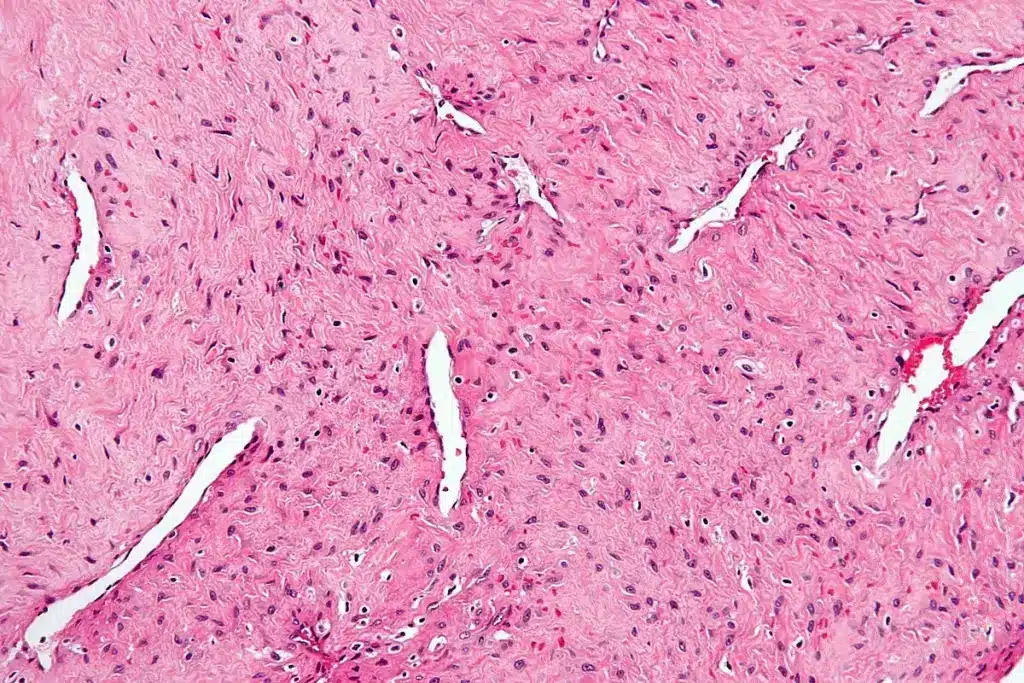
UFE, or Uterine Fibroid Embolization, is a new way to treat uterine fibroids. It’s a non-surgical method that has caught a lot of attention. This approach can help reduce symptoms without the need for big surgeries.
Uterine Fibroid Embolization is done by an interventional radiologist. They inject small particles into the arteries that feed the fibroids. This stops the blood flow, causing the fibroids to shrink and symptoms to lessen.
The procedure is done under local anesthesia and sedation. A small catheter is inserted through an artery in the wrist or groin. It’s then guided to the uterine arteries using X-ray. Once there, embolic agents block the blood flow to the fibroids.
UFE is less invasive than traditional surgeries like hysterectomy or myomectomy. This means less recovery time. Most women can go back to their normal activities in a week or two. Plus, UFE keeps the uterus, which helps with fertility, but pregnancy should be planned with a doctor.
Other benefits include:
While UFE is generally safe, some side effects can occur. These include pelvic pain, mild fever, and nausea. These are usually managed with pain medication and other care. Recovery time varies, but most women see big improvements in a few months.
It’s important for patients to follow their post-procedure instructions and attend follow-up appointments. This helps monitor recovery and treatment success.
The body reacts to fibroid embolization in many ways. It involves inflammation, tissue death, and the immune system’s activation. Understanding this complex response helps us see why fatigue happens after the treatment.
After fibroid embolization, the body starts an inflammatory response. This is part of healing. It brings more blood to the area, causing swelling and discomfort. This response is key for recovery, as it helps immune cells start healing.
Key aspects of the inflammatory response include:
After the treatment, the fibroids die because they don’t get blood. The body then starts to break down and absorb the dead tissue. This process can take weeks to months. It helps the fibroids shrink and symptoms get better.
|
Process |
Description |
Timeline |
|---|---|---|
|
Tissue Necrosis |
Death of fibroid tissue due to lack of blood supply |
Immediate to days after procedure |
|
Tissue Reabsorption |
Gradual breakdown and absorption of dead fibroid tissue |
Weeks to months after procedure |
The immune system is very important in the body’s response to fibroid embolization. As the body heals, the immune system works to remove dead tissue and help with healing. This can make you feel tired, as the body uses energy for recovery.
The activation of the immune system is a critical component of the healing process, ensuring that the body recovers efficiently from the procedure.
Post-embolization syndrome (PES) is a common issue after UFE. It’s important for patients to know about it. PES includes a range of symptoms that people might face after the procedure.
PES is marked by symptoms like pain, fever, nausea, and tiredness. These signs are how the body reacts to the embolization.
Common symptoms of PES include:
A doctor says, “Knowing about PES symptoms is key. It helps manage what patients expect and how to care for them during recovery.”
Fatigue is a big part of PES, affecting how well patients feel during recovery. The body’s reaction to the procedure, like inflammation and healing, makes people feel very tired.
How long and how bad PES is can differ for everyone. It depends on things like the size and number of fibroids, the patient’s health, and any other health issues.
|
Factor |
Influence on PES |
|---|---|
|
Size and Number of Fibroids |
Larger or multiple fibroids may lead to more severe PES symptoms |
|
Overall Health |
Patients with better overall health may experience less severe PES |
|
Comorbid Conditions |
Presence of other health conditions can affect the duration and severity of PES |
Knowing these factors helps doctors give better care. This can lessen the effects of PES on patients.
Fatigue after UFE comes from physical, hormonal, and pain factors. Knowing these can help patients get ready for recovery.
The body’s reaction to UFE is a main reason for fatigue. The procedure makes fibroids shrink, causing inflammation. This inflammation uses energy, making patients tired.
Inflammation and Healing: Healing after UFE means inflammation, which takes a lot of energy. As the body heals, it focuses on the affected areas. This can make patients feel very tired.
Hormonal changes also affect fatigue after UFE. The procedure can change hormone levels, like estrogen. This can affect energy levels.
Hormonal Adjustments: Hormonal changes can make energy levels go up and down. These changes can last a while and affect how patients feel during recovery.
Pain and discomfort after UFE are common and can make patients feel tired. It’s important to manage pain well to keep energy levels up.
Pain Management: Good pain management can help reduce discomfort. This can also help reduce fatigue in patients.
Uterine fibroid embolization starts a healing process in the body. It changes how energy is used for recovery. These changes can affect a person’s energy levels.
After UFE, the body focuses on healing. It uses more energy for repair than usual. This can make people feel tired because they don’t have as much energy for daily tasks.
Recovery after UFE brings metabolic changes. These changes can make the body use energy differently. This might make people feel more tired.
|
Metabolic Change |
Impact on Energy |
|---|---|
|
Increased inflammation |
Can lead to fatigue and discomfort |
|
Shift in hormonal balance |
May cause fluctuations in energy levels |
|
Enhanced immune response |
Requires additional energy for immune system activation |
Fibroids shrinking after UFE is an energy-using process. The body absorbs the dead tissue, which can make people feel tired. The size of the fibroids affects how tired someone feels.
Factors that influence fatigue after UFE include fibroid size, healing response, and metabolic changes. Knowing these can help people prepare for recovery and manage their energy better.
Knowing the recovery timeline after Uterine Fibroid Embolization is key. This journey includes physical and emotional changes in different stages.
The first week is the acute recovery phase. Patients often feel tired, crampy, and uncomfortable. Resting and avoiding hard activities is important.
One patient said, “The first week was tough, but knowing what to expect helped a lot.” Many agree, showing how important preparation and support are.
Weeks 2-4 see some improvement, but energy levels can change. Days of feeling normal are followed by tired days.
|
Week |
Common Symptoms |
Recommended Activities |
|---|---|---|
|
2 |
Fatigue, mild cramping |
Light walking, stretching |
|
3 |
Gradual energy increase |
Short walks, gentle yoga |
|
4 |
Continued improvement |
Increased activity, avoiding heavy lifting |
As healing progresses, well-being improves. Yet, it’s vital to keep following your healthcare provider’s advice.
“The key to a smooth recovery is patience and listening to your body. It’s a process that requires time and understanding.”
By months 1-3, energy levels usually return. The body heals more, and fibroid symptoms lessen.
Key milestones during this period include:
In the long term, patients see ongoing improvement. Full recovery takes months, as the body adjusts and heals.
Regular check-ups with your healthcare provider are key. They help monitor progress and address any issues.
After UFE, it’s key to know the difference between normal tiredness and signs of trouble. Fatigue is common after the procedure. But knowing when it’s a problem is important for a good recovery.
Fatigue after UFE can be different for everyone. Most people feel the most tired in the first week. As time goes on, energy levels usually get better, but some might stay tired for a month or more.
Typical Recovery Timeline:
|
Timeframe |
Expected Fatigue Level |
|---|---|
|
First Week |
High |
|
Weeks 2-4 |
Moderate to Improving |
|
Months 1-3 |
Gradually Returning to Normal |
While some tiredness is okay, there are signs it might not be normal. These include:
If you see any of these signs, you should talk to your healthcare provider.
You should call your healthcare provider if you notice unusual symptoms or if your tiredness:
Knowing how your body reacts to UFE and when to ask for help is important. Always be cautious and talk to your healthcare provider if you’re not sure about your symptoms.
It’s important to know how anesthesia and medications affect the body after UFE. These can greatly impact how a patient feels after the procedure.
The sedation used during UFE can affect the body for a while. Procedural sedation helps patients relax during the procedure. But, it can make them feel tired or disoriented afterward.
The body’s recovery from sedation can vary. Age, health, and the sedative drugs used play a role in how fast recovery happens.
Managing pain is key after UFE. But, pain medications can make patients feel more tired. Drugs like opioids can cause drowsiness, nausea, and constipation, adding to fatigue.
Talking to a healthcare provider about pain management is vital. They can help find the right medication to reduce side effects and fatigue.
Other drugs used during or after UFE can also cause fatigue. For example, anti-nausea medications and antibiotics can make patients feel tired. Taking many medications at once can make fatigue worse.
Keeping a list of all medications is important. This helps patients and their healthcare providers find out which drugs might be causing too much tiredness.
Recovering from fibroid embolization can be tough, both physically and mentally. Anxiety, depression, and sleep issues are big reasons for feeling tired.
Many patients feel anxious and stressed after UFE. These feelings can really lower energy levels, making it harder to get better. The body’s stress response, or “fight or flight,” takes energy away from healing.
Depression can also affect energy levels during recovery. Mood swings after UFE can be mild or severe. It’s important to notice these changes and get help.
Poor sleep is a big reason for feeling tired during recovery. Discomfort, pain, or anxiety can make it hard to sleep well.
It’s vital to tackle these mental health issues to boost energy and recovery after fibroid embolization. By managing anxiety, depression, and sleep, patients can live better during this time.
After fibroid embolization, what you eat and drink matters a lot. A balanced diet helps your body fix tissues, fight off infections, and get stronger.
Your diet affects your energy. Eating foods rich in complex carbohydrates like whole grains, fruits, and veggies gives you lasting energy. Also, include lean protein sources like chicken, fish, and legumes for tissue repair.
Stay away from highly processed foods and sugary ones to avoid energy drops. Choose foods packed with vitamins, minerals, and antioxidants instead.
|
Nutrient |
Food Sources |
Benefits During Recovery |
|---|---|---|
|
Protein |
Chicken, fish, legumes, eggs |
Tissue repair and muscle strength |
|
Complex Carbohydrates |
Whole grains, fruits, vegetables |
Sustained energy and fiber for digestion |
|
Healthy Fats |
Nuts, seeds, avocados, olive oil |
Anti-inflammatory effects and nutrient absorption |
Some nutrients are key for healing. Vitamin C in citrus fruits and leafy greens helps with collagen and immune function. Zinc in meat, shellfish, and legumes aids in wound healing and immune response.
Iron is also vital to prevent anemia and fatigue. Find it in red meat, spinach, and fortified cereals.
Drinking enough water is as important as eating right. Water carries nutrients, removes waste, and keeps your body cool. Even a little dehydration can make you tired, give you headaches, and lower your productivity.
Drink at least eight glasses of water a day. Drink more if you have a fever or it’s hot outside.
By focusing on nutrition and hydration, you can help your body heal faster, feel less tired, and have a better recovery after fibroid embolization.
Recovering from fibroid embolization means finding the right mix of rest and activity. This balance helps your body heal well and keeps you healthy. It also lowers the chance of problems.
Rest is key in the first days after the procedure. It lets your body focus on healing. But, too much rest can cause stiffness and slow healing.
Moving a little can help blood flow better, prevent muscle loss, and boost your mood.
Key considerations for balancing rest and movement include:
Start slowly when returning to physical activity. This helps avoid overdoing it and lets your body adjust. Begin with short walks, gentle stretches, or light yoga.
Gradually increase the intensity and length of your activities based on how you feel.
“The key to a successful recovery is not to rush back into your normal routine but to pace yourself, allowing your body the time it needs to heal.”
Some exercises can help with recovery. They improve blood flow, strengthen muscles, and increase flexibility without making you too tired. Examples include:
Always talk to a healthcare provider before starting any new exercise after fibroid embolization. They can make sure the activities are right for your recovery stage.
Recovery after fibroid embolization often includes changes in sleep. Patients may find their sleep patterns altered due to the procedure and recovery. This can affect how well they rest.
Discomfort and pain after UFE can disrupt sleep. Post-Embolization Syndrome brings symptoms like pain, fever, and nausea. These can make it hard to sleep well. Inflammation from the procedure also impacts sleep quality.
To better sleep during recovery, create a good sleep environment. Keep your bedroom cool, quiet, and comfortable. Relaxation techniques like deep breathing or meditation can also help.
Some patients might need extra help to sleep better. Healthcare providers might suggest sleep aids or medications. Cognitive Behavioral Therapy for Insomnia (CBT-I) can also help develop good sleep habits.
Talk to your healthcare provider about sleep aids or techniques. This ensures they’re safe and right for your recovery. Improving sleep can greatly enhance recovery after UFE.
Fatigue is common after fibroid embolization. But, there are ways to manage it. Understanding how to save energy, plan your recovery, and use support systems is key.
It’s important to save energy after fibroid embolization. Simple steps can help a lot:
These strategies help manage energy levels. They make daily activities easier during recovery.
Planning ahead is key for a smooth recovery. This includes:
A good recovery plan helps manage expectations and reduces stress. This saves energy.
A strong support system is essential during recovery. This can include:
|
Support Type |
Description |
Benefits |
|---|---|---|
|
Family and Friends |
Emotional support, help with chores |
Reduces stress, conserves energy |
|
Professional Caregivers |
Assistance with daily tasks, medical care |
Provides expert care, reduces burden on family |
|
Support Groups |
Community of individuals with similar experiences |
Offers emotional support, shares recovery tips |
Don’t be afraid to ask for help. Whether it’s a family member, friend, or professional caregiver, support greatly impacts your recovery.
Complementary methods like supplements, mind-body techniques, and alternative therapies can help after fibroid embolization. They can work with standard care to boost energy and reduce fatigue.
Some supplements can help fight fatigue and boost energy. Always talk to your doctor before trying new supplements.
|
Supplement |
Potential Benefits |
Precautions |
|---|---|---|
|
Iron |
Corrects anemia, improves energy |
Consult doctor before taking, as excessive iron can be harmful |
|
Vitamin B12 |
Boosts energy production |
Generally safe; consult doctor for appropriate dosage |
|
Magnesium |
Supports energy metabolism, muscle function |
Can cause gastrointestinal side effects if taken in high doses |
|
CoQ10 |
Antioxidant properties, energy generation |
May interact with certain medications; consult healthcare provider |
Mind-body practices can greatly improve energy and recovery. Techniques like meditation, deep breathing, and guided imagery can reduce stress and promote relaxation.
These practices can be part of your daily routine to boost energy and well-being. For example, starting with a short meditation can set a positive tone for the day.
Several alternative therapies have shown promise in improving energy and supporting recovery after UFE. These include:
Talking to your healthcare provider is key to finding the right and safe choices for your recovery.
After fibroid embolization, it’s important to know the difference between normal tiredness and serious issues. Some tiredness is okay, but there are times when you need to see a doctor.
Some symptoms with fatigue mean you should get medical help right away. These include:
Going to follow-up appointments with your doctor is key to checking on your recovery. Talk about:
Talking about these things helps your doctor see how you’re doing and fix any problems early.
Some rare problems can make you very tired after fibroid embolization. These include:
Knowing about these problems can help you tell if your tiredness is more than just normal recovery.
By knowing when to get medical help and talking openly with your doctor, you can have a safer and better recovery from fibroid embolization.
Fibroid embolization is a top choice for treating uterine fibroids. Yet, it can make patients feel very tired and drained. It’s key to understand why this happens to manage expectations and ensure a smooth recovery.
The body’s reaction to the procedure plays a big role in feeling tired. This includes inflammation, tissue death, and changes in hormones. By eating well, drinking plenty of water, and not overdoing it physically, patients can feel better.
This summary shows how important it is to tackle post-procedure fatigue in a full way. With the right mix of medical advice and self-care, people can get through the recovery period. They can then get back to their usual activities with more energy.
UFE is a procedure that stops blood flow to fibroids, making them shrink. It can make you feel tired because your body reacts to the treatment. This includes inflammation, tissue death, and healing.
Feeling tired can last weeks after UFE. It usually gets better in 2-4 weeks. But, it depends on your fibroids, health, and if you have post-embolization syndrome.
Post-embolization syndrome happens after UFE. It includes pain, fever, and tiredness. Fatigue is a big part of it, caused by your body’s reaction and the death and removal of fibroid tissue.
Yes, hormonal shifts after UFE can make you feel tired. Changes in estrogen levels can also cause mood swings and sleep problems.
To fight fatigue after UFE, rest, eat well, and drink water. Get enough sleep, eat a balanced diet, and stay hydrated. Slowly getting back to activities and managing stress can also help.
Iron and vitamin B12 supplements might help with tiredness. Mind-body practices like meditation and yoga can also be helpful. Acupuncture is another option. But, talk to a doctor before trying new supplements or therapies.
If tiredness doesn’t go away or gets worse, or if you have heavy bleeding, severe pain, or fever, see a doctor. Severe tiredness that stops you from doing daily things or signs of infection need immediate care.
Yes, pain meds, like opioids, can make you feel tired. Talk to your doctor about managing pain to avoid tiredness and other side effects.
Start with gentle exercises like stretching and short walks as you get back to activity. Resting and avoiding hard activities helps manage tiredness and aids in healing.
Yes, sleep problems like insomnia or fragmented sleep can lower your energy. Create a good sleep environment, use relaxation techniques, and avoid activities that keep you awake before bed to improve sleep.
Eating a balanced diet with protein, complex carbs, and healthy fats supports healing and fights tiredness. Drinking enough water is also key for energy.
National Center for Biotechnology Information. Evidence-Based Medical Insight. Retrieved from https://pubmed.ncbi.nlm.nih.gov/19458095/
