

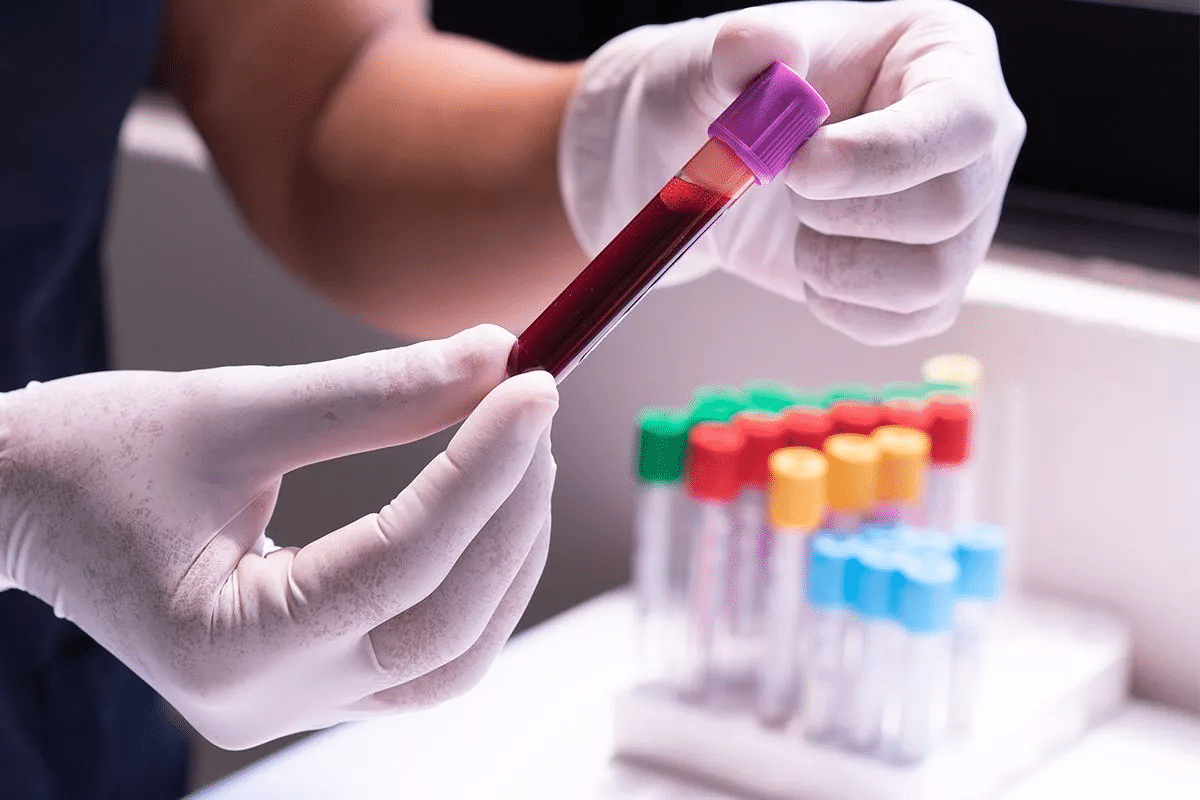
Diagnosing lupus can be tough because its symptoms can look like other diseases. At Liv Hospital, we get how hard it is to figure out lupus. That’s why we use detailed blood tests.what blood test detects lupusBlood Test for Autoimmune Disease: Signs & Results
The antinuclear antibody (ANA) test is the main tool for finding lupus. It catches the disease in about 95% of people with it. But, we also need more tests to make sure it’s lupus.
We stick to the latest medical standards to give you the right diagnosis. We use advanced lupus testing panels to make sure you get the correct answer.
Lupus is a complex autoimmune disease that needs a detailed diagnosis. Blood tests are key in this process. Systemic Lupus Erythematosus (SLE) is the most common type, affecting many parts of the body. The complexity of lupus lies in its varied symptoms, which can mimic other conditions, making diagnosis challenging.
Systemic Lupus Erythematosus (SLE) is a chronic autoimmune disease. It can affect the skin, joints, kidneys, brain, and other organs. Symptoms can range from mild to severe. “Lupus is often referred to as ‘the great imitator’ because its symptoms can mimic those of many other diseases.”
Blood tests are vital for diagnosing lupus. They help identify specific antibodies linked to the disease. The most common tests include the Antinuclear Antibody (ANA) test and the anti-dsDNA test. These tests are critical in determining if someone has lupus and distinguishing it from other conditions. Medical professionals say, “bloodwork for lupus is a critical diagnostic tool that helps in the early detection and management of the disease.”
Diagnosing lupus can be tough because of its varied and often nonspecific symptoms. The disease can show up differently in different people. This makes it hard to diagnose based on symptoms alone.
“The diagnosis of lupus is often a process of exclusion, requiring a combination of clinical evaluation, medical history, and laboratory tests to confirm the presence of the disease.”
Blood tests are key in supporting the diagnosis and ruling out other conditions.
Understanding lupus and the importance of blood testing helps healthcare providers make accurate diagnoses. This leads to effective treatment plans. A thorough approach ensures patients get the care they need to manage their condition well.
The ANA test is key in finding antinuclear antibodies linked to lupus. It’s the first step in diagnosing lupus. It finds these antibodies in about 98% of people with lupus.
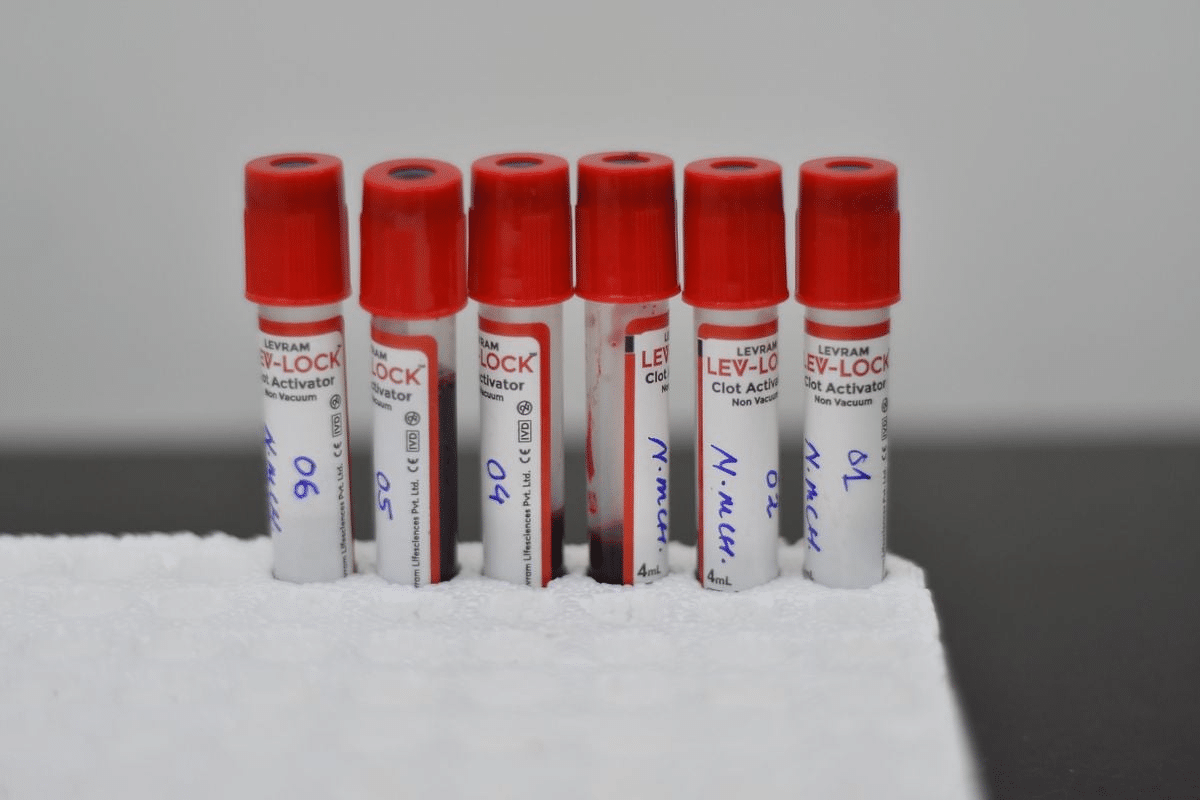
The ANA test checks for antinuclear antibodies in the blood. These antibodies attack the cell nucleus. A blood sample is taken and analyzed in a lab. The results show how many antibodies are present.
Understanding ANA test results is important. A positive test means antibodies are found but doesn’t confirm lupus. The level of antibodies can give more clues, with higher levels suggesting lupus or other diseases.
Here’s a table to help understand titer levels:
|
Titer Level |
Interpretation |
|---|---|
|
1:80 or lower |
Generally considered negative or low titer |
|
1:80 to 1:320 |
Moderate titer; may indicate an autoimmune disorder |
|
1:320 or higher |
High titer; often associated with lupus or other autoimmune diseases |
The ANA test is useful but has its limits. A positive result doesn’t always mean lupus. Antibodies can be present in other conditions and healthy people too. A negative test makes lupus less likely but doesn’t rule it out completely.
We must keep these limits in mind when looking at test results. We should use them along with other diagnostic tools.
In diagnosing lupus, a detailed ANA panel is key. It finds specific antibodies linked to the disease. This panel is essential for a deeper look into a patient’s health.
An ANA panel tests for different antibodies found in lupus and other autoimmune diseases. It’s more detailed than the initial ANA test. It shows which antibodies are present, giving a clearer picture of the patient’s health.
The ANA panel checks for important antibodies in lupus diagnosis. These include:
By looking at these specific antibodies, doctors can better understand a patient’s condition. They can then create more tailored treatment plans. The ANA panel is a key tool in diagnosing and managing lupus. It helps in providing more personalized and effective care.
Diagnosing lupus involves specific blood tests. Lupus, or Systemic Lupus Erythematosus (SLE), is a complex autoimmune disease. It can be hard to diagnose because of its varied symptoms. But, specific blood tests help diagnose it accurately.
The anti-double-stranded DNA (anti-dsDNA) test is very specific for lupus. It looks for antibodies against double-stranded DNA, which are specific to SLE. Anti-dsDNA antibodies are found in about 30% of people with lupus and are linked to kidney problems, a common lupus complication. These antibodies are key in diagnosing lupus and tracking its activity.
The anti-Smith (anti-Sm) antibody test is also very specific for lupus. Anti-Sm antibodies are found in about 20% of people with lupus and are specific to SLE. These antibodies target specific nuclear proteins and are a hallmark of SLE. While not as common as anti-dsDNA antibodies, they are important in confirming a lupus diagnosis.
Anti-dsDNA and anti-Sm antibodies are very specific for lupus. But, they are not present in all patients. Combining these tests with other diagnostic findings improves diagnostic accuracy. A complete diagnostic approach includes clinical evaluation, medical history, and various laboratory tests. This way, healthcare providers can make a more accurate diagnosis and create an effective treatment plan.
In conclusion, the anti-dsDNA and anti-Smith antibody tests are key in diagnosing lupus because of their high specificity. By understanding the role of these tests and combining them with other diagnostic tools, we can improve lupus diagnosis accuracy. This leads to better care for patients.
Lupus assessment includes various blood tests. These tests check inflammation, organ function, and specific antibodies. They help doctors understand the disease’s activity and any organ damage. This information is key to creating a good treatment plan.
A Complete Blood Count (CBC) checks different parts of the blood. It looks at red and white blood cells and platelets. In people with lupus, a CBC can show signs like anemia or low blood cell counts.
The Comprehensive Metabolic Panel tests organ function, mainly the kidneys and liver. It measures electrolytes, BUN, creatinine, and liver enzymes. These tests help find any damage to organs from lupus.
Erythrocyte Sedimentation Rate (ESR) and C-Reactive Protein (CRP) measure body inflammation. High levels of ESR and CRP mean inflammation is active, a sign of lupus. Watching these markers helps doctors see how the disease is doing and adjust treatments.
Complement levels, like C3 and C4, are important in lupus tests. Low levels mean the disease is active, as complement proteins are used up in inflammation. Checking these levels helps doctors see how well treatments are working.
Getting ready for lupus blood tests is important. It helps get accurate results and makes the process easier. Knowing what to expect can reduce stress and make you feel more in charge.
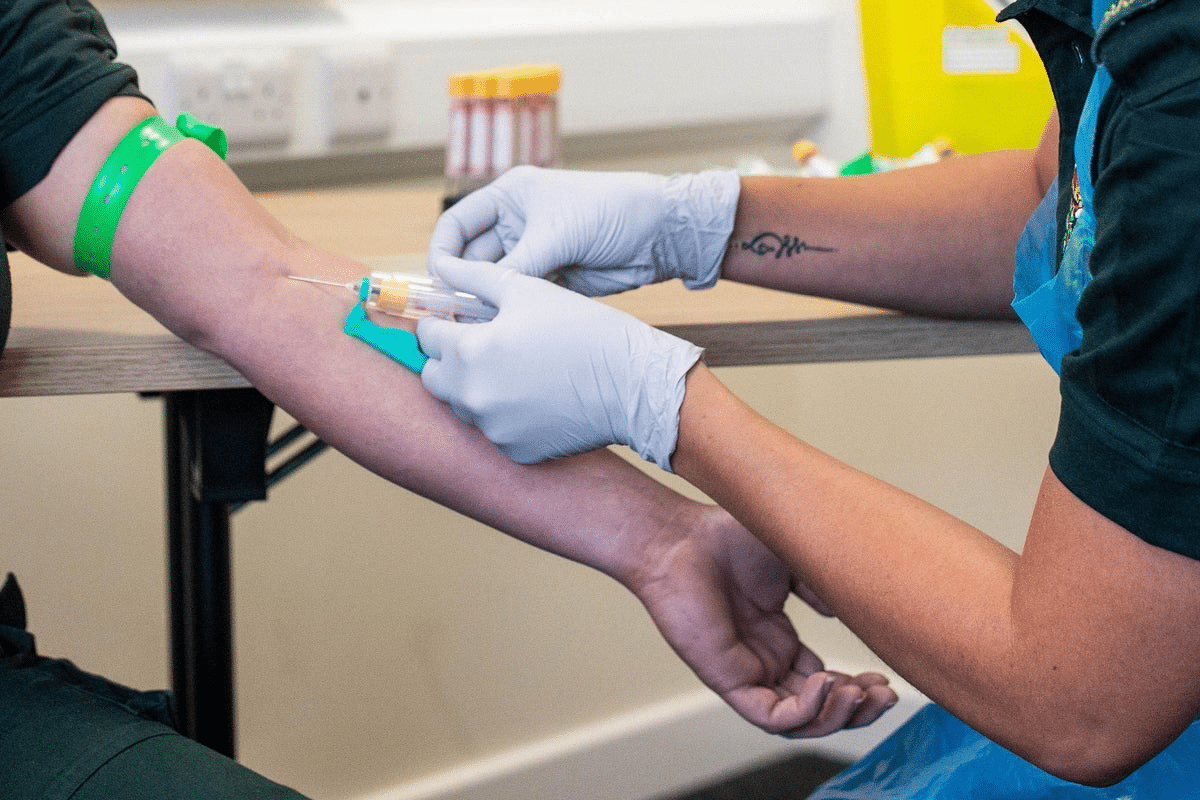
When you get to the testing site, a healthcare professional will take a blood sample. Here’s what happens:
The blood draw usually takes just a few minutes. You might feel a bit of discomfort or see some bruising. But these effects are usually short-lived.
Before your tests, follow any fasting or medication instructions from your doctor.
|
Test Type |
Fasting Requirement |
Medication Consideration |
|---|---|---|
|
ANA Test |
No fasting required |
Inform your doctor about all medications |
|
Comprehensive Metabolic Panel |
May require 8-12 hours fasting |
Discuss any medications with your doctor |
|
Complete Blood Count (CBC) |
No fasting required |
No specific medication considerations |
Tell your doctor about any medications, supplements, or vitamins you’re taking. They can affect your test results.
The time it takes to get lupus blood test results varies. It depends on the tests and the lab processing the samples. Here’s what you can expect:
Your doctor will tell you when to expect your results. They will also explain the results with you when they’re ready.
Lupus blood tests are complex. Understanding them requires looking at the big picture. We must consider the patient’s overall health when we get the results.
Positive results, like a positive Antinuclear Antibody (ANA) test, might mean you have lupus. But, a positive ANA test can also show up in other autoimmune diseases. It’s important to remember that a positive result doesn’t always mean you have lupus. It just means you need more tests to figure it out.
Negative results don’t mean you definitely don’t have lupus. Some people with lupus might not have a positive ANA test, even if they’re in the early stages or in remission. Doctors need to use their judgment and do more tests to make a correct diagnosis.
Clinical correlation is key. It’s when we match blood test results with the patient’s symptoms, medical history, and physical exam. This is important because lupus can affect many parts of the body and show different symptoms. By looking at everything together, we can tell if it’s lupus or something else.
|
Test |
Positive Result |
Negative Result |
Clinical Implication |
|---|---|---|---|
|
ANA Test |
Positive |
May indicate lupus or other autoimmune disease; requires clinical correlation | |
|
ANA Test |
Negative |
Does not rule out lupus; consider additional testing if clinically indicated | |
|
Anti-dsDNA |
Positive |
Highly suggestive of lupus; monitor disease activity | |
|
Anti-Smith Antibody |
Positive |
Specific for lupus; supports diagnosis when combined with clinical findings |
More tests might be needed if the first results aren’t clear or if doctors think you might have lupus even with negative results. This could include more antibody tests, imaging, or other procedures to confirm the diagnosis and see how far the disease has spread.
Many autoimmune diseases share symptoms with lupus, making diagnosis tricky. Blood tests are key in telling these diseases apart from lupus. This ensures a correct diagnosis.
Rheumatoid arthritis (RA) is an autoimmune disease that causes joint inflammation. It can affect other body systems too, making it hard to tell from lupus. Blood tests for RA include:
These tests help tell RA apart from lupus. Certain antibodies can point to one condition over the other.
Sjögren’s syndrome is another autoimmune disorder that can mimic lupus symptoms. It mainly affects the glands that produce tears and saliva, causing dry eyes and mouth. Key blood tests for Sjögren’s include:
These antibodies can also be present in lupus patients. But, specific clinical symptoms help diagnose Sjögren’s.
Mixed connective tissue disease (MCTD) shares features of lupus, RA, and other autoimmune diseases. Blood tests for MCTD include:
The presence of anti-U1 RNP antibodies is a hallmark of MCTD. It distinguishes MCTD from lupus and other autoimmune conditions.
Fibromyalgia and chronic fatigue syndrome can present with symptoms similar to lupus. These include widespread pain and fatigue. While there are no specific blood tests for these conditions, diagnostic criteria include:
|
Condition |
Diagnostic Criteria |
|---|---|
|
Fibromyalgia |
Widespread pain index, symptom severity scale |
|
Chronic Fatigue Syndrome |
Persistent fatigue, post-exertional malaise, unrefreshing sleep |
These conditions are diagnosed based on clinical presentation and the exclusion of other causes.
Accurate diagnosis of lupus and differentiation from other autoimmune conditions require a combination of clinical evaluation, medical history, and specific blood tests. Understanding the various tests available and their implications is key for both healthcare providers and patients.
Managing lupus well means keeping an eye on it with blood tests. These tests help doctors see how the disease is doing and if treatments are working. Living with lupus can be tough, but regular blood tests are key to good care.
Regular blood tests track lupus activity by looking at certain markers. These markers include:
Doctors use these markers to see how active the disease is. They can then change treatment plans as needed.
Keeping an eye on blood tests is key to seeing if treatments are working. We check for improvements in markers and other signs of disease activity. This helps doctors know if treatments need to be changed.
Medicines for lupus can have side effects. Blood tests help catch these side effects early. This way, doctors can adjust treatments to keep patients safe and effective.
How often blood tests are needed can vary. It depends on how severe the disease is and the treatment plan. Generally, we suggest:
|
Test |
Frequency |
Purpose |
|---|---|---|
|
CBC (Complete Blood Count) |
Every 3-6 months |
Monitor blood cell counts |
|
ESR/CRP |
Every 3-6 months |
Assess inflammation |
|
Complement levels (C3, C4) |
Every 3-6 months |
Monitor disease activity |
|
Anti-dsDNA |
Every 6-12 months |
Assess disease activity |
By sticking to these guidelines, we can keep a close eye on lupus. This helps us see how well treatments are working. We can then make changes to help patients get the best results.
Blood tests are key in diagnosing and managing lupus. It’s important for both healthcare providers and patients to understand the different tests. These include ANA, anti-dsDNA, and specific antibody tests.
By looking at blood test results, medical history, and clinical evaluation, we can accurately diagnose lupus. Blood tests help us track the disease, see how well treatments work, and make changes as needed.
Managing lupus well means regular monitoring, and blood tests are a big part of that. We suggest working with your healthcare team to create a monitoring plan. This helps ensure you get the best care and keeps your disease under control.
To diagnose lupus, doctors use the Antinuclear Antibody (ANA) test. They also check for anti-dsDNA, anti-Smith, and other specific antibodies. Tests like a Complete Blood Count (CBC) and Erythrocyte Sedimentation Rate (ESR) are also used.
The ANA test looks for antinuclear antibodies in the blood. These antibodies are found in about 98% of people with lupus. But, a positive ANA test doesn’t confirm lupus. It can also be present in other conditions.
A negative ANA test makes lupus less likely. But, it doesn’t rule out the condition completely. Some people with lupus might have a negative ANA test. More tests might be needed to confirm the diagnosis.
Anti-dsDNA and anti-Smith antibodies are specific markers for lupus. Anti-dsDNA is linked to kidney problems, while anti-Smith antibodies are very specific for lupus. These tests, along with other findings, help improve diagnosis accuracy.
The need for blood tests varies based on the patient’s condition and treatment. Regular tests help track the disease, check treatment success, and watch for side effects.
Yes, blood tests can tell lupus apart from other autoimmune diseases. They detect specific antibodies and check organ function. This helps in differentiating lupus from conditions like rheumatoid arthritis.
Complement levels (C3 and C4) are often low in active lupus. Testing these levels helps assess disease activity and treatment effectiveness.
Patients should know about fasting and medication before blood tests. It’s important to discuss these requirements with a healthcare provider.
Interpreting lupus blood test results involves understanding positive and negative results. Positive results suggest lupus, but a diagnosis needs clinical confirmation. Negative results don’t rule out lupus, and more tests might be needed.
National Center for Biotechnology Information. Blood Tests for Lupus Diagnosis: A Comprehensive Guide. Retrieved from https://pubmed.ncbi.nlm.nih.gov/22854543/
