


Varicocele treatment often involves surgical intervention. Like any medical procedure, it has risks and complications. It’s important for patients to understand these risks to make informed decisions. Listing risks like recurrence, hydrocele, and longer recovery as varicocele surgery disadvantages.
Varicocele repair can help with symptoms and maybe improve fertility. But, it’s key to think about the downsides. Knowing the risks of varicocele surgery helps set realistic expectations and outcomes.
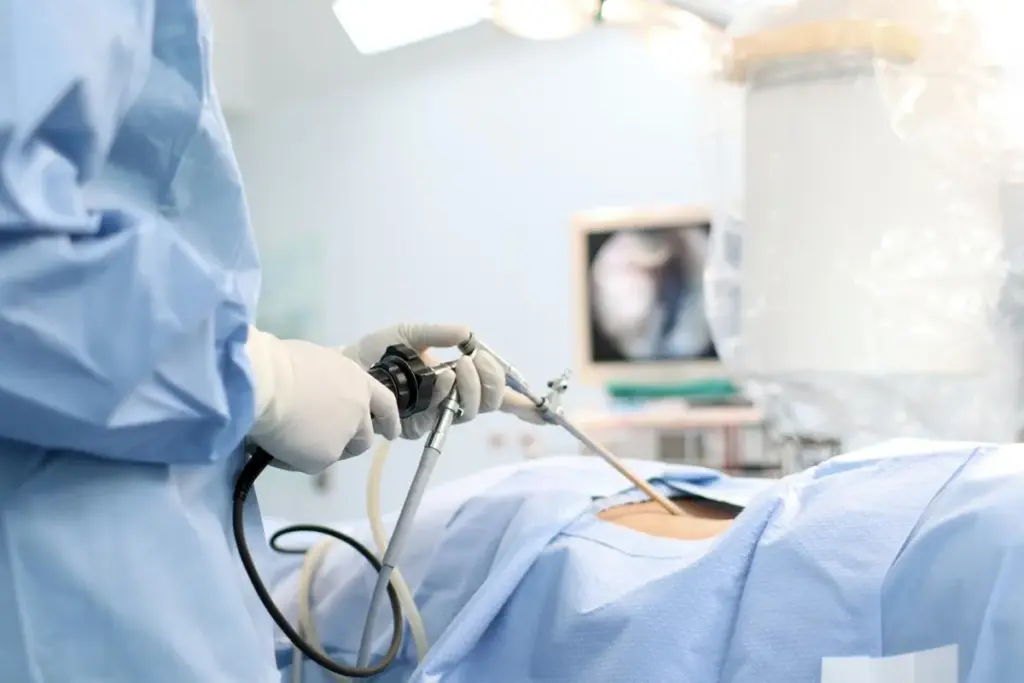
Varicocele is a condition where veins in the scrotum swell. This can cause pain and problems with fertility. It’s common in men aged 15 to 25.
A varicocele is like varicose veins in the legs but in the testicles. About 15% of men have it. For men trying to have kids, the number can jump to 40%.
The exact reason for varicocele isn’t always known. But it’s thought to be due to faulty valves in the veins. Treating it helps with pain, fertility, and prevents testicle shrinkage.
There are several ways to fix varicocele through surgery. Each surgical approach has its unique benefits and associated risks. The main goal is to stop bad blood flow.
|
Surgical Approach |
Advantages |
Potential Complications |
|---|---|---|
|
Open Varicocelectomy |
Effective, widely available |
Higher risk of infection, longer recovery |
|
Laparoscopic Varicocelectomy |
Minimally invasive, less pain |
Risk of bowel or vascular injury |
|
Microsurgical Varicocelectomy |
High success rate, preserves lymphatics and arteries |
Requires specialized training and equipment |
|
Radiologic Embolization |
Minimally invasive, avoids general anesthesia |
Risk of coil migration, radiation exposure |
The right surgery depends on many factors. These include the patient’s health, how bad the varicocele is, and the surgeon’s skills. Knowing these options helps make a better choice for treatment.

It’s important to know the downsides of varicocele surgery before deciding on it. This treatment can help with fertility or pain, but it’s key to understand the possible negative effects.
Varicocele surgery, like any surgery, has general risks. These include infection, bleeding, and reactions to anesthesia. Infection can happen at the surgery site and might need antibiotics. Bleeding can cause a hematoma.
Anesthesia can cause side effects like nausea or dizziness. Rare but serious issues can include respiratory or cardiac problems.
Surgery in the scrotal and testicular area has specific risks. There’s a chance of testicular damage or atrophy, affecting fertility or testicular function. The delicate structures in the scrotum can be damaged during surgery.
Another risk is hydrocele, where fluid builds up around a testicle, causing swelling. While usually not serious, it can be uncomfortable and might need treatment.
Before choosing varicocele surgery, a detailed risk-benefit analysis is needed. Patients should think about the surgery’s benefits, like better fertility or less pain, against the possible risks and complications.
Consider the severity of symptoms, how varicocele affects fertility, and the chance of successful surgery. Talking to a healthcare provider about individual risks and complications is also vital.
Knowing the disadvantages of varicocele surgery helps patients make better choices. By weighing the risks and benefits, they can decide if surgery is right for them.
It’s important to know about the possible problems right after varicocele surgery. This helps set realistic expectations and makes recovery easier. Even though varicocele repair is usually safe, some issues can happen.
Pain is a common issue after varicocele surgery. How much pain someone feels can differ a lot. This depends on the surgery method, how well someone handles pain, and any health issues they might have. Good pain management is key to feeling better while recovering.
Doctors often give pain medicine to help with this. It’s important to take the medicine as directed and talk to the doctor if the pain is too much.
Bleeding and hematoma are risks after varicocele surgery. A hematoma is when blood collects outside of blood vessels at the surgery site. Watching for signs of bleeding or hematoma, like swelling or severe pain, is very important right after surgery.
If a hematoma happens, it might need to be drained to avoid more problems. Knowing the signs and getting help if needed is important.
Wound infections can happen with any surgery, including varicocele surgery. Signs of infection include redness, swelling, or discharge from the wound. Keeping the wound clean and following care instructions can help avoid this.
It’s important to follow the doctor’s advice on caring for the wound. Also, going to follow-up appointments helps make sure the wound is healing right.
Scrotal swelling is a common problem after varicocele surgery. There are ways to manage it, like using ice packs or wearing supportive underwear. Managing scrotal swelling well can make recovery more comfortable.
It’s good to know how to handle swelling and avoid more problems.
Anesthesia in varicocele surgery is key but comes with risks. It helps patients relax during surgery. Yet, it’s not without its dangers.
General anesthesia makes patients sleep through the surgery. But, it can lead to serious problems. These include breathing troubles and heart issues.
Respiratory and cardiac complications are among the most serious risks associated with general anesthesia.
Other possible issues with general anesthesia include:
Local and regional anesthesia numb the area being operated on. But, they can cause side effects. These include:
Local anesthesia is generally considered safer than general anesthesia but it also has risks that patients should be aware of.
|
Anesthesia Type |
Common Complications |
Serious Risks |
|---|---|---|
|
General Anesthesia |
Nausea, sore throat |
Respiratory failure, cardiac issues |
|
Local/Regional Anesthesia |
Numbness, infection |
Nerve damage, systemic toxicity |
Knowing these risks is key to making good choices about varicocele surgery. Patients should talk to their doctor about their concerns and medical history. This helps decide the best anesthesia option.
It’s important for patients to know what to expect after varicocele surgery. The recovery time can change based on the surgery type, your health, and following doctor’s orders.
The time it takes to recover can vary. Microsurgical varicocelectomy usually means a quicker recovery than open surgery. Most people can start normal activities in a few weeks, but full healing takes longer.
It’s key to follow activity limits after surgery. You should avoid heavy lifting, bending, or hard work for weeks. The exact rules depend on your surgery and doctor’s advice.
When you can go back to work depends on your job and how fast you heal. Desk jobs might be sooner than jobs that require a lot of physical effort. Always listen to your doctor about when it’s okay to work again.
It’s best to wait a bit before starting sexual activity again. The exact time depends on your surgery and how you’re healing.
Knowing about these challenges helps patients prepare for recovery. It can also help avoid any extra problems.
Varicocele surgery is usually effective but can fail or come back. This is important for patients to know. It affects their hopes and choices.
How often varicocele surgery fails or comes back varies. It depends on the surgery method. For example, some surgeries have a 0% to 35% chance of coming back.
Microsurgical varicocelectomy often has lower rates than other methods. This means it might work better for some people.
Many things can affect how well varicocele surgery works. The surgeon’s skill, the surgery method, and the patient’s health are key. Also, any special body features or health issues can change the outcome.
Knowing these factors helps set realistic hopes. It also helps make the surgery more likely to succeed.
Dealing with varicoceles that come back needs a new plan. This might mean looking at the varicocele again. Or trying different surgeries or treatments that don’t involve surgery.
The right choice depends on how bad the symptoms are. It also depends on the patient’s fertility hopes and what happened with the first surgery.
The emotional toll of failed surgery or recurrence is big. Patients might feel anxious, sad, or frustrated. This is true if they were hoping for better fertility or symptom relief.
Help and support are very important. They can help deal with these feelings.
Testicular damage and atrophy are risks with varicocele surgery. It’s important for patients to know about these risks before deciding on treatment.
Testicular injury can happen in a few ways during surgery. This includes direct harm to the testis, damage to the testicular artery, and problems with venous drainage. Using surgical methods that avoid touching the testis and its area can lower injury risk.
The rate of testicular damage after surgery varies. It depends on the surgery method and how damage is defined. Rates range from 1% to 5%. This shows the importance of choosing the right patient and being precise with surgery.
Testicular atrophy can have lasting effects on fertility and testicular health. It can cause lower testosterone levels and worse sperm quality. This can hurt a man’s ability to have children.
Surgeons use several ways to prevent testicular damage and atrophy. These include:
Knowing the risks and using preventive steps can lower the chance of testicular damage. This helps improve results for patients having varicocele surgery.
It’s important to know how varicocele surgery affects fertility. This is key for men thinking about treatment. Varicocele repair can help improve sperm quality and boost chances of pregnancy.
Varicocele surgery can make sperm better in count, motility, and shape. Many men see big improvements in these areas after surgery.
For many men, the goal of varicocele surgery is to increase their chances of having a child. Studies show that pregnancy rates can go up after surgery. But, results can vary from person to person.
While surgery can help many, it might not work for everyone. Problems during or after surgery can harm the testicles or sperm production.
For men planning a family, when to have surgery is key. The decision should be based on your fertility needs and the surgery’s benefits and risks.
|
Fertility Outcome |
Pre-Surgery |
Post-Surgery |
|---|---|---|
|
Sperm Count (million/mL) |
15 ± 5 |
30 ± 10 |
|
Sperm Motility (%) |
30 ± 10 |
50 ± 15 |
|
Normal Sperm Morphology (%) |
4 ± 2 |
8 ± 3 |
|
Natural Pregnancy Rate (%) |
20 ± 5 |
40 ± 10 |
Varicocele surgery is usually safe but can lead to hydrocele. Hydrocele is when fluid builds up around a testicle. This can cause discomfort and might need extra treatment.
How common hydrocele is after surgery varies. It depends on the surgery method and the surgeon’s skill. Rates range from 3% to over 10%.
Symptoms include swelling, discomfort, or pain in the scrotum. Doctors check with a physical exam and ultrasound. Early detection is key for good management.
Managing hydrocele can involve watching it or more serious steps like aspiration or surgery. The choice depends on how bad the symptoms are and how they affect daily life.
Surgeons use special methods to lower hydrocele risk during surgery. They try to keep lymphatic vessels safe and avoid tissue damage. Being careful during the first surgery is important to avoid this problem.
In summary, hydrocele after varicocele surgery is a known issue. Knowing about it, its signs, and how to handle it can help lessen its effects. By taking steps during the first surgery, the chance of this problem can be greatly reduced.
Varicocele surgery can be effective but comes with risks. These include nerve damage and chronic pain syndromes. These issues can greatly affect a patient’s quality of life.
Nerve injuries from varicocele surgery can be different in severity. The most common types are:
Post-varicocelectomy pain syndrome (PVPS) is a complication of varicocele surgery. It is characterized by persistent pain in the scrotum or testicle. PVPS is a concern for many patients undergoing this surgery.
|
Characteristics |
Description |
|---|---|
|
Prevalence |
Estimated to occur in up to 20% of patients post-surgery |
|
Symptoms |
Chronic pain, discomfort, or aching in the scrotum or testicle |
|
Management |
Multimodal approach including pain medication, physical therapy, and potentially further surgery |
Managing chronic pain after varicocele surgery is challenging. A thorough approach is needed. This includes medication, lifestyle changes, and alternative therapies.
Managing nerve damage and chronic pain requires a team effort. Urologists, pain specialists, and other healthcare professionals are involved. Understanding the risks and using the right strategies can help reduce the impact of these complications.
It’s important to know about the vascular risks of varicocele surgery. This surgery aims to fix enlarged veins in the scrotum. But, it can also lead to vascular-related problems.
Arterial injury is a possible issue during varicocele surgery. This happens because arteries are close to the veins being treated. Damage to these arteries can cause serious problems, like testicular atrophy or reduced blood flow to the testicles.
Venous thrombosis, or blood clots in veins, is another risk. It can cause pain, swelling, and serious issues if the clot breaks loose and travels elsewhere in the body.
Embolization, a treatment method, also has vascular risks. These include coil migration and non-target embolization. Coil migration means the material used to block veins moves out of place. Non-target embolization blocks nearby vessels by mistake.
The long-term effects of varicocele surgery on vascular health are being studied. It’s key for patients to know about possible late complications. Regular follow-up care is vital to check on vascular health after surgery.
|
Vascular Complication |
Description |
Potential Consequences |
|---|---|---|
|
Arterial Injury |
Damage to arteries near varicocele veins during surgery |
Testicular atrophy, impaired testicular blood supply |
|
Venous Thrombosis |
Formation of blood clots within veins post-surgery |
Pain, swelling, possible clot migration |
|
Embolization Complications |
Coil migration, non-target embolization during embolization procedures |
Unintended blockage of vessels, procedural failure |
It’s important to understand how varicocele surgery complications affect a person’s mind. Surgery for varicocele aims to fix the issue but can sometimes cause mental health problems.
Complications after varicocele surgery can make patients feel anxious and depressed. The fear of what might happen long-term can really get to them.
Research shows that complications can lead to anxiety disorders. The stress of unexpected outcomes can make patients worry a lot about the future.
Varicocele surgery complications can also hurt a person’s body image and sexual confidence. Issues like scrotal swelling or pain can make someone feel self-conscious about their masculinity.
This can affect their sexual confidence, which can strain relationships. It’s key for doctors to talk about these issues after surgery.
Complications from surgery can put a lot of stress on relationships. Partners might not fully understand what’s going on, leading to feelings of isolation or frustration.
Talking openly and getting counseling can help. Support from family and friends is also very important in dealing with these issues.
Finding ways to cope is vital for dealing with the mental effects of varicocele surgery complications. This can include therapy, counseling, or joining support groups.
|
Coping Strategy |
Description |
Benefit |
|---|---|---|
|
Professional Help |
Seeking therapy or counseling |
Addresses anxiety, depression, and relationship issues |
|
Support Groups |
Joining groups for individuals with similar experiences |
Provides community and understanding |
|
Education |
Learning about the condition and its management |
Empowers patients with knowledge |
Understanding the mental effects of varicocele surgery complications and using the right coping strategies can help patients. It’s important for doctors to offer support that covers both physical and mental health.
It’s important for patients to know about the money side of varicocele surgery. The costs can be high, and many things affect the total price.
The price of varicocele surgery changes based on the method used. Different methods cost different amounts. This is because of the complexity of the surgery, the surgeon’s fees, and the place where the surgery is done.
Patients also need to think about the costs of possible problems after surgery. These can include infections, nerve damage, or varicoceles coming back.
Insurance for varicocele surgery can differ a lot. It’s key to know what your insurance covers to avoid surprises.
Planning for future treatments is wise because of the chance of problems or needing more surgery. Set aside money or look into financing for any extra treatments.
Understanding the money side and insurance issues of varicocele surgery helps patients make better choices. This way, they can handle their treatment options more easily.
There are different ways to treat varicocele, each with its own challenges. You can choose from open surgery, laparoscopy, microsurgery, or embolization. Knowing the downsides of each helps you make a better choice.
Open surgery is a traditional method for treating varicocele. It’s effective but has some drawbacks:
Managing pain after surgery is key. Doctors often give pain meds to help with this.
The laparoscopic method is less invasive, with smaller cuts. But, it has its own issues:
General anesthesia can be risky, so it’s important to think about this, even more so if you have health problems.
Microsurgery uses a microscope for better detail. But, there are concerns:
The microscope helps in being more precise with the surgery, including protecting important blood vessels.
Embolization is a non-surgical way to block varicocele. But, there are risks:
Each method has its own pros and cons. Talking to your doctor is the best way to figure out which one is right for you.
Looking into alternative treatments for varicocele can give patients more options. Not every man with varicocele needs surgery. It’s important to know what else is out there for treatment.
Many men, even those with mild symptoms, might choose non-surgical options first. This can include pain management with medicine, making lifestyle changes, and wearing supportive underwear. These steps can help ease discomfort.
Watchful waiting means keeping an eye on the condition without acting right away. It’s often suggested for men with little symptoms or no fertility issues. Regular doctor visits are key to track the condition and adjust treatment plans as needed.
New research in varicocele treatment is ongoing. New therapies like embolization techniques are being explored. They aim to treat varicocele without open surgery.
Some men find complementary treatments helpful for managing symptoms. This can include changing diets, taking herbal supplements, and trying acupuncture. But, it’s vital to talk to a doctor before starting any new treatment to make sure it’s safe and works well.
Varicocele surgery is often seen as a good treatment option. But, it comes with risks and complications that can affect how well it works. It’s important to know these disadvantages to make the right choice.
The surgery can lead to problems right after, like pain and swelling. There are also risks from the anesthesia and long-term effects on fertility and testicular health. These risks can be serious, from mild issues to severe problems like testicular atrophy and vascular injuries.
Understanding these complications helps people make better decisions about treatment. Knowing the risks lets patients compare the benefits and drawbacks. This way, they can choose what’s best for them.
It’s key to know all about these issues to get the best results and avoid bad outcomes. If you’re thinking about varicocele surgery, it’s important to talk to a doctor. This way, you can understand the risks and make a well-informed decision.
Risks include bleeding, infection, and reactions to anesthesia. There’s also a chance of testicular damage, hydrocele formation, and chronic pain.
Recovery time varies by the surgery type. Most men can get back to normal in one to two weeks. Full recovery takes several weeks.
Surgery might improve sperm quality and increase pregnancy chances. But, it depends on the varicocele’s severity and overall fertility.
Recurrence rates differ by surgery method. Surgeon experience and varicocele anatomy also play a role.
Yes, there are non-surgical options like watchful waiting and new therapies. Treatment choice depends on symptoms, fertility goals, and patient factors.
Risks include vascular injury, coil migration, and reaction to the material. These are generally lower than open surgery but need careful thought.
Surgery can damage or shrink the testicles, affecting fertility. The risk depends on the surgery and the surgeon’s skill.
Yes, it can lead to chronic pain, including post-varicocelectomy pain syndrome. The risk varies by surgery and patient factors.
Costs vary by technique, surgeon fees, and location. Additional expenses may occur if complications arise.
Coverage can vary by provider and policy. Some may limit or exclude certain procedures or complications.
Complications can cause anxiety, depression, and body image issues. These can affect quality of life and relationships. Support is key for coping.
In some cases, surgery can make fertility worse due to damage or atrophy. It’s important to weigh risks and benefits before surgery.
Risks include complications from general anesthesia and side effects from local or regional anesthesia. Anesthesia choice depends on surgery type, patient health, and other factors.
Surgery may limit sexual activity during healing. The impact on sexual function varies by surgery and patient factors.
New England Journal of Medicine. Evidence-Based Medical Insight. Retrieved from https://www.nejm.org/doi/full/10.1056/NEJM199802123380705
