Last Updated on December 2, 2025 by Bilal Hasdemir

Many men wonder if age affects their fertility after a vasectomy reversal. We know that men can stay fertile for their whole lives. But research shows that age can lower the chances of getting pregnant after the reversal.
Studies have found that the success of vasectomy reversal goes down with age. Male fertility drops a lot after 35. It’s key for men to understand how age affects their fertility after a reversal.
Exploring this topic, we see how age impacts not just the procedure’s success but also the health of the baby. We’ll dive into the details. This will help men make smart choices about their fertility.
Key Takeaways
- Age significantly affects male fertility after a vasectomy reversal.
- Success rates of the procedure decline with increasing age.
- Male fertility drops sharply after the age of 35.
- Understanding age-related fertility decline is key for men considering vasectomy reversal.
- The health of offspring can also be impacted by the age of the father at the time of conception.
The Male Biological Clock: Understanding Fertility Decline
It’s key for couples to know about the male biological clock. This knowledge helps them understand how male fertility changes with age.
As men get older, their bodies’ ability to make babies changes. This is true for both men and women, but it happens at different rates. Men’s fertility starts to go down after a certain age.

How Male Fertility Changes After Age 35
Men over 35 see a big drop in their ability to have kids. This is because of aging, which affects sperm quality and amount. Research shows that male fertility drops a lot after 35, making it harder for couples to get pregnant.
The drop in male fertility is slow but gets worse as men get closer to 40. This is due to sperm moving less, having more DNA damage, and lower testosterone levels.
The Significant Drop in Reproductive Capacity by Age 40
By 40, men’s ability to make babies drops even more. Sperm quality and amount keep getting worse, making it harder to conceive. This isn’t just about how many sperm there are, but also their health, with older sperm more likely to have genetic problems.
Knowing this is important for men thinking about vasectomy reversal. The vasectomy procedure and its reversal are complex. They can greatly affect a man’s chances of getting someone pregnant after the reversal.
Men should be aware of these age-related changes. They should talk to a healthcare provider about their fertility options. For those planning a family, knowing the effects of waiting to have children is very important.
5 Ways Age Impacts Sperm Quality After Reversal
Age affects sperm quality after a vasectomy reversal in many ways. As men get older, several factors change their sperm quality. This can impact their ability to have children.
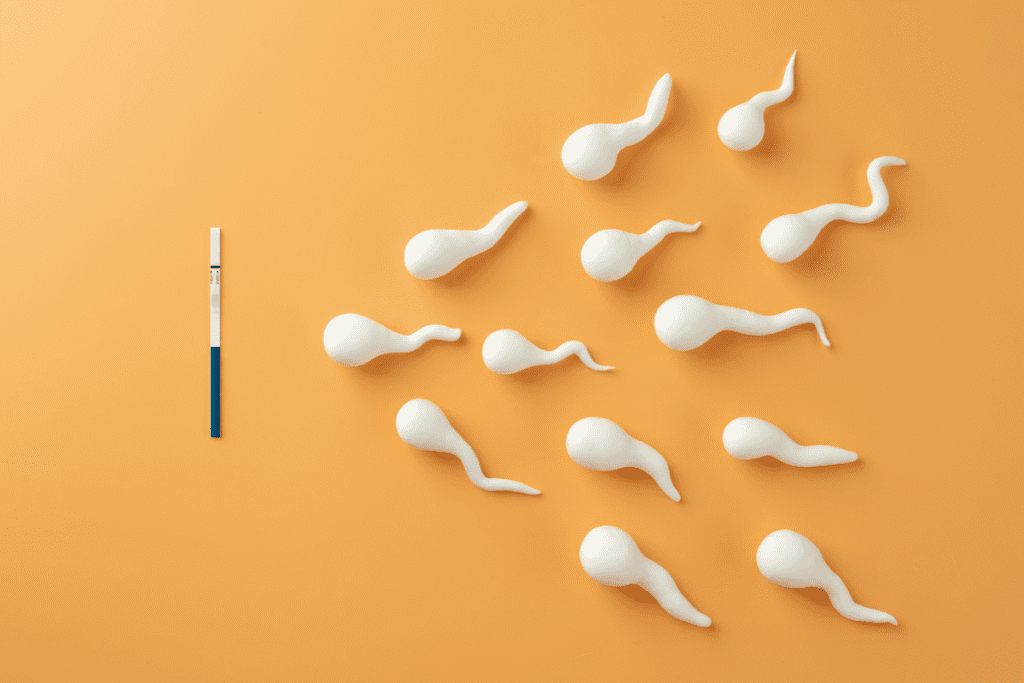
Declining Sperm Motility in Men Aged 35-39
Men aged 35 to 39 see a drop in sperm motility. This is a big concern for fertility. It makes it harder to get pregnant.
Sperm motility is key to fertilization. It lets sperm swim towards the egg. But as men age, their sperm motility goes down. This makes getting pregnant more difficult.
Reduced Sperm Parameters in Men Over 40
Men over 40 face even bigger challenges. Sperm motility keeps going down, and other sperm qualities like concentration and shape also worsen. These changes lower sperm quality and fertility chances.
Studies show that the vasectomy reversal success rate drops with age. Men over 40 often have lower success rates because of sperm quality decline.
How These Changes Affect Fertility
The drop in sperm motility and other qualities greatly lowers fertility. As men age, getting pregnant becomes less likely. It’s important for those thinking about vasectomy reversal to know this.
Knowing that a vasectomy can be reversed is just the start. Understanding how age affects sperm quality is key for making good fertility choices.
By understanding age’s impact on sperm quality, men can make better choices for getting pregnant after a vasectomy reversal.
Conception Success Rates Following Vasectomy Reversal
The chances of getting pregnant after a vasectomy reversal change with age. As men get older, their ability to have children goes down. This affects how likely they are to conceive after the procedure.
Men Under 35: Higher Success Rates
Men under 35 have a better chance of getting pregnant after a vasectomy reversal. Studies show a success rate of around 52%. This is because younger men usually have better sperm quality and health.
Men Over 35: Declining Success Rates
For men over 35, the success rate drops to about 25%. This decrease is because sperm quality and movement get worse with age.
Further Decline Past 40
As men get older than 40, the success rate goes down even more. The chances of getting pregnant are lower because of poorer sperm quality and other age-related issues. It’s important for men thinking about vasectomy reversal to know about these age-related changes.
Several things affect how likely a man is to get pregnant after a vasectomy reversal:
- Sperm quality and motility
- Age-related decline in reproductive capacity
- Overall health and well-being
Knowing these factors can help men make better choices about their reproductive future. We suggest talking to a healthcare professional to discuss your situation and the best steps to take.
The Waiting Game: How Age Extends Time to Pregnancy
Age plays a big role in how long it takes to get pregnant after a vasectomy reversal. As men get older, it can take longer to conceive. This affects their family planning and fertility.
Average Conception Timeframes by Age Group
Studies show that a man’s age greatly affects how long it takes to get pregnant after a vasectomy reversal. Men under 35 usually get pregnant faster than older men.
Men under 35 might get pregnant in 6 to 12 months after the reversal. But men between 35 and 40 might take longer than a year to conceive.
Why Men Over 45 May Wait Five Times Longer
Men over 45 face a tougher time becoming parents. Their sperm quality and quantity drop with age, making it harder to get pregnant. Research shows men over 45 might wait up to five times longer than younger men.
This longer wait is due to declining male fertility with age. This includes less mobile sperm and more DNA damage. So, couples with a male partner over 45 might need to explore other fertility options or get medical advice.
It’s important for couples planning to conceive after a vasectomy reversal to understand these age-related factors. Knowing the challenges can help them make better decisions about their fertility journey.
Vasectomy Reversal Procedures and Age-Related Outcomes
The success of vasectomy reversal depends on several things. These include the patient’s age, the surgeon’s skill, and how long it’s been after the original vasectomy. It’s important to understand how these factors work together for the best results.
Surgical Success vs. Functional Success
Vasectomy reversal is a complex surgery to help men regain fertility after a vasectomy. Surgical success means the surgery went well and sperm are found in the ejaculate. But functional success is when a couple actually gets pregnant. This depends on many things, like age, health, and the partner’s fertility.
While getting sperm in the ejaculate is a big step, the real goal is getting pregnant. This shows how complex and multifaceted fertility restoration is.
How Age Affects Recovery and Sperm Production
Age is a big factor in vasectomy reversal success. As men get older, the risk of problems and lower sperm quality increases. Men under 35 usually have better results in sperm production and fertility.
Also, aging affects hormones, which can lower sperm quality. Knowing how age affects these things helps set realistic goals and make informed choices about reversal.
The Importance of Surgeon Experience and Technique
The surgeon’s experience and technique are key to a successful reversal. A skilled surgeon can reduce risks and improve chances of fertility. They use the latest techniques for better results.
Choosing a surgeon with expertise in reversal is vital. They have the skills and knowledge to provide the best care. This choice can greatly affect the success of the procedure.
7 Increased Risks Associated with Advanced Paternal Age
Advanced paternal age comes with several risks for men who are thinking about having kids after a vasectomy reversal. As men get older, their sperm changes can impact their children’s health.
Higher Miscarriage Risk with Partners Over 45
One major risk is a higher chance of miscarriage. Studies found that when the male partner is over 45, the risk goes up by 43%. This is something to think about for couples planning to have a baby after a vasectomy reversal.
Genetic Abnormalities and Developmental Disorders
Advanced paternal age also raises the risk of genetic problems and developmental disorders. As men age, their sperm’s DNA can undergo mutations. This increases the chance of conditions like achondroplasia and Apert syndrome.
- Genetic mutations can cause congenital abnormalities.
- Advanced paternal age is linked to a higher risk of certain developmental disorders.
- Couples should know these risks when planning to conceive.
Links to Conditions like Autism and Schizophrenia
Research shows a link between advanced paternal age and neuropsychiatric disorders like autism and schizophrenia. The exact reasons are not fully understood. But it’s clear that older paternal age can affect a child’s health.
It’s important for men considering vasectomy reversal to understand these risks. Being informed helps couples make better choices about their reproductive health and plan for the future.
Making Informed Decisions About Fertility After 35
Knowing how age affects fertility is key for men thinking about vasectomy reversal. As men get older, their ability to have children goes down. It’s important to understand and choose the right options for preserving fertility.
When to Consider Sperm Banking Before Vasectomy
Sperm banking is a smart move for men before a vasectomy, if they’re unsure about having kids later. It helps keep fertility safe and avoids the hassle of reversal. Sperm banking protects against fertility loss with age, giving men a chance to have kids in the future.
Men under 35 thinking about a vasectomy should think about sperm banking. It’s a forward-thinking move that brings peace of mind and flexibility for the future.
Choosing Between Reversal and Alternative Options
Men who want to have kids after a vasectomy face a big decision. Vasectomy reversal is a surgery to regain fertility, but success rates drop with age. Options like IVF (In Vitro Fertilization) and ICSI (Intracytoplasmic Sperm Injection) are also available.
Men over 35 need to think carefully about each choice. They should consider success rates, costs, and personal preferences. Talking to a fertility expert can help make the right choice for each individual.
The Value of Specialized Medical Centers Like Liv Hospital
Getting care at places like Liv Hospital can greatly improve fertility treatment outcomes. These centers have the latest technology, skilled doctors, and care plans made just for you. Liv Hospital’s wide range of fertility services includes vasectomy reversal, sperm banking, and more, giving men many ways to achieve their reproductive goals.
Choosing a well-known and specialized center means getting top-notch care. This increases the chances of successful conception.
Conclusion: Navigating Age and Fertility After Vasectomy Reversal
Age is a big deal when it comes to fertility after a vasectomy reversal. It’s key for men to think about this option. Men under 35 have a 52% chance of success, but this drops to 25% for those over 35.
This shows how important age is in fertility after a reversal. Men over 40 see a big drop in sperm quality. It’s vital to think carefully about this. Places like Liv Hospital offer great help and advice for these decisions.
In short, while vasectomy reversal can work, age matters a lot. Men should talk to a doctor before deciding. This way, they can make smart choices about their fertility, even if famous people like Trump have reversed vasectomies.
FAQ
What is a vasectomy reversal?
A vasectomy reversal is a surgery to make a man fertile again. It reconnects the vas deferens after a vasectomy.
Is a vasectomy reversible?
Yes, a vasectomy can be reversed. But success depends on the man’s age and how long ago the vasectomy was done.
How does age affect the success of a vasectomy reversal?
Age is a big factor in vasectomy reversal success. Men under 35 have better chances than those over 35. Success drops even more after 40.
What are the risks associated with advanced paternal age?
Older dads face higher risks. These include miscarriage, genetic problems, and developmental issues. There’s also a link to autism and schizophrenia.
Can a vasectomy be reversed after a long time?
Yes, vasectomy reversal is possible even years later. But success rates go down with age and time after the vasectomy.
What is the difference between surgical success and functional success in vasectomy reversal?
Surgical success means the vas deferens is reconnected. Functional success means the man can get a woman pregnant.
How long does it take to achieve pregnancy after vasectomy reversal?
Getting pregnant after a reversal varies by age. Younger men usually take less time. Older men may wait longer.
Should I consider sperm banking before a vasectomy?
Yes, sperm banking is a smart choice before a vasectomy. It’s for men who might want kids later, as a way to save their sperm.
What are the alternatives to vasectomy reversal?
Alternatives include IVF with sperm retrieval. This is an option when reversal is not likely to work or is not possible.
How important is the experience and technique of the surgeon in vasectomy reversal?
The surgeon’s experience and skill are key to a successful reversal. They greatly affect the surgery’s success and the man’s ability to father a child.
References
1. American Urological Association. (2018). Male Fertility. Retrieved from https://www.auanet.org/patients/products-and-resources/male-fertility