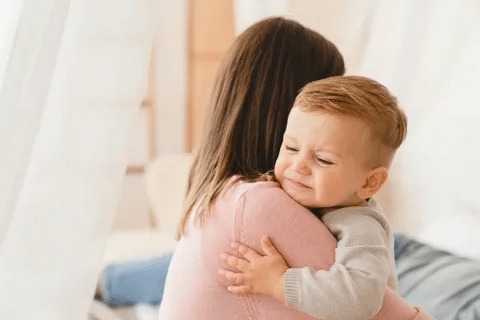
Many parents feel a strong emotional bond with their babies. This bond is so strong that it’s called having a “Velcro baby.” It means the baby wants to be very close to their caregiver all the time velcro baby.
This closeness can be sweet but also hard for parents. It’s like the baby is glued to them. This behavior is often seen in babies and toddlers who need a lot of attachment.
Studies show that these kids get upset when they’re away from their main caregivers. We’ll look into why this happens and how parents can handle it. We’ll also talk about the good sides of this strong bond.
Key Takeaways
Understanding the concept of a Velcro baby and its characteristics.
Recognizing the psychological aspects behind high need attachment.
Strategies for parents to manage the challenges of having a Velcro baby.
The benefits of a strong attachment between caregivers and their infants.
Navigating the emotional demands of caring for a Velcro baby.
Understanding the Term Velcro Baby
The term “Velcro baby” refers to a child who strongly attaches to their caregivers. This attachment can show in many ways, like separation anxiety.
Definition of a Velcro Baby
A Velcro baby needs to be very close to their caregivers. They get upset when they’re apart, showing signs of separation anxiety.
The name “Velcro” comes from the adhesive product. It shows how the child sticks to their caregivers. This strong bond can be comforting but also challenging for parents, affecting their child’s baby behavior.
Origins and Popularity
The term “Velcro baby” is now well-known as parents try to understand these children. It comes from attachment theory, which talks about how kids bond with their caregivers.
More people are talking about attachment issues and early childhood experiences. So, “Velcro baby” is often used in parenting talks and child development books.
Implications of the Term
Calling a child a “Velcro baby” can change how parents see their behavior and needs. It’s important to understand this term to help with baby attachment and any challenges.
Knowing about Velcro babies helps parents meet their child’s emotional needs. It creates a safe and caring environment. By understanding separation anxiety, parents can help their child grow emotionally.
Characteristics of a Velcro Baby
Children called Velcro babies show unique traits. These traits focus on their attachment and emotional needs.
Clinginess and Attachment
Velcro babies are very clingy. They form a strong attachment to their caregivers. They get upset when they’re apart.
This clinginess is not just about being close. It’s about feeling safe and secure with their caregivers.
Preference for Proximity
Velcro babies love to be near their caregivers. They follow them everywhere and get upset if they can’t see them. This need for closeness can be hard for parents.
But, it’s important to understand it’s because they need security and comfort.
Emotional Needs and Reassurance
Velcro babies need lots of reassurance. They need to feel comforted and secure. This can be through words, touch, or just being there.
It’s key for caregivers to meet these needs. This helps the children feel secure and builds their emotional strength.
Developmental Stages of a Velcro Baby
Knowing the developmental stages of a Velcro baby is key for parents. It helps them understand their child’s attachment needs. We learn how attachment grows from infancy to preschool age.
Infancy: The Foundation of Attachment
In infancy, the base for attachment is built. Infant development shows a need for caregivers for comfort and security. This stage is vital for a strong bond with caregivers.
Infants show a preference for familiar faces and voices. Responsive parenting helps create a secure attachment environment. This means quickly responding to their cries.
Toddlerhood: Clinginess Peaks
In toddlerhood, clinginess grows stronger. Toddlers need constant reassurance and to be close to their caregivers. They may feel upset when separated, showing separation anxiety.
Toddlers need consistent comfort and reassurance from caregivers.
Having routines helps toddlers feel secure and less clingy.
Introducing independence slowly helps balance attachment with self-reliance.
Preschool Age: Shifting Towards Independence
By preschool age, children start to want more independence. While some may remain Velcro-like, many engage more with others. Attachment parenting shapes their attachment styles.
Preschoolers need support and encouragement as they explore independence. Parents can help by giving choices, praising their efforts, and providing a loving, stable environment.
The Psychology Behind Velcro Babies
To understand Velcro babies, we need to look into attachment theory and its effects on child growth. The attachment style a child has is key to their behavior and how they interact with their caregivers.
Attachment Theory Explained
Key components of attachment theory include:
Proximity seeking: The child’s need to be close to the caregiver.
Safe haven: The caregiver offers comfort and safety, acting as a safe place for the child.
Secure base: The child feels safe enough to explore, knowing the caregiver is there for them.
The Role of Parental Response
How parents respond is very important in shaping a child’s attachment style. Being sensitive and responsive helps create a secure bond. But, if parents are not consistent or responsive, it can lead to insecure attachments.
Parental response influences:
The child’s belief about how their needs will be met.
The child’s ability to manage their emotions and be resilient.
The child’s sense of safety and trust in the caregiver.
Effects of Separation Anxiety
Separation anxiety is common in young children, often seen in toddlers. It shows as distress when they’re away from their main caregiver. It’s important to understand and help with this anxiety to support healthy attachment and growth.
Strategies to alleviate separation anxiety include:
Gradual separation: Slowly increasing time apart from the child.
Establishing a goodbye ritual: Creating a consistent and comforting goodbye routine.
Providing reassurance: Letting the child know the caregiver will come back.
Benefits of Having a Velcro Baby
Being a Velcro baby has its perks for parents and kids. It shows the unique needs of a child and helps create a caring home. While it can be tough, it’s also vital for a child’s growth.
Promotes Bonding and Connection
A Velcro baby’s strong attachment helps build a close bond with caregivers. This bond is key for their emotional and social growth. Studies show that a strong attachment helps kids manage their feelings and social skills better. By meeting their needs, parents can build a strong connection and sense of safety.
“A secure attachment is vital for a child’s growth, shaping their ability to form good relationships later in life.”
Encourages Emotional Development
Being a Velcro baby pushes emotional growth by needing parents to be responsive. When parents meet their child’s needs, it boosts emotional smarts and self-awareness. This interaction is essential for kids to grasp their emotional needs. It also teaches them to handle their feelings and be resilient.
Boosts emotional smarts
Helps kids understand their feelings
Builds resilience in kids
Helps in Building Trust and Security
Interacting consistently with a Velcro baby fosters a strong sense of trust and security. Feeling safe lets kids explore and learn more. A secure base makes kids more adventurous and confident in their discoveries. This trust is good for their growth and strengthens the bond with parents.
Benefits
Description
Promotes Bonding
Fosters a deep sense of connection and security between the child and caregivers.
Encourages Emotional Development
Helps children develop emotional intelligence and understand their emotions better.
Builds Trust and Security
Creates a secure environment that allows children to explore and learn with confidence.
Understanding a Velcro baby’s traits can turn a challenge into a growth point. The key is to balance their need for closeness with growing independence.
Challenges Faced by Parents
Velcro babies have a strong attachment to their parents. This can be good for bonding but also brings challenges. Understanding these challenges is key to parenting a child with strong attachment needs.
Exhaustion from Constant Clinginess
Constant clinginess and demands for attention can exhaust parents. They may feel drained physically and emotionally. This constant demand can lead to burnout if not managed properly.
Here’s a table showing how constant clinginess affects parents:
Effect
Description
Potential Outcome
Physical Exhaustion
Lack of rest due to constant demands
Increased irritability
Emotional Drain
Stress from managing clingy behavior
Feelings of guilt or inadequacy
Social Withdrawal
Avoiding social interactions due to child’s behavior
Isolation from friends and family
Social Isolation and Pressure
Social isolation is a big challenge. Velcro babies’ intense needs make it hard for parents to socialize or leave the child with others. It’s important for parents to find support networks to fight this feeling.
Parents face pressure from society and family to manage their child’s behavior in public. This can be tough when others don’t understand the child’s clinginess.
Difficulty in Establishing Independence
Teaching independence to a Velcro baby is hard. Parents must balance nurturing their child’s attachment and encouraging independence. This requires patience, consistency, and a thoughtful approach.
Using gradual separation and self-soothing techniques can help. Parents should also reassure their child that it’s okay to be apart sometimes.
Strategies for Parents of Velcro Babies
Parenting a Velcro baby can be tough, but the right strategies help. It’s important to remember that every child is different. What works for one might not work for another.
Parents can use several strategies to support their child and themselves. These include helping the child become independent, teaching them to self-soothe, and communicating effectively.
Building Independence Gradually
Building independence in Velcro babies is key. Start with small steps like leaving them with trusted caregivers for short times. Gradual exposure to independence helps them feel confident without constant parental presence.
For example, leave your child with a trusted family member or babysitter for a short outing. When you return, reassure the child of your love and return. This shows them they are together again, even if apart.
Encouraging Self-Soothing Techniques
Teaching Velcro babies to self-soothe is vital. This can include a calming bedtime routine, white noise machines, or a comfort object. Self-soothing helps them calm down without parents, reducing clinginess.
Establish a bedtime routine with calming activities like reading or singing.
Use white noise machines for a soothing environment.
Introduce a comfort object, like a soft toy, for reassurance.
Communication and Reassurance
Effective communication and reassurance are key for Velcro babies. Make sure your child feels heard and understood. Clear and empathetic communication builds trust and security, helping them cope with separation or independence.
By using these strategies, parents of Velcro babies can overcome challenges and support healthy development. It’s about finding a balance that works for the family and being consistent.
When to Seek Professional Help
Knowing when a child’s clinginess is normal or a sign of anxiety is key for parents. Attachment parenting helps build a strong bond. But, it’s important to know when a child’s clinginess might mean there’s a deeper issue.
Signs of Excessive Anxiety
Velcro babies with excessive anxiety may show different signs. Look out for:
Persistent distress or tantrums when separated from the primary caregiver
Refusal to engage in activities or play due to fear of separation
Visible signs of distress, such as crying or clinging, even when the parent is present but not directly interacting
These behaviors could mean there’s an anxiety issue that needs professional help. Experts say, “anxiety in children can block their emotional and social growth if not treated.”
Understanding Developmental Delays
Velcro babies might also face developmental delays. Keep an eye on their progress in areas like:
Language development
Social interaction skills
Gross and fine motor skills
If there are significant delays or regressions, getting professional advice is essential. Early help can greatly improve a child’s development and ensure they get the support they need.
“Early identification and intervention are key to supporting children with developmental delays. A professional assessment can provide a clear understanding of a child’s needs and guide parents in accessing appropriate resources.”
Finding the Right Support Services
Finding the right support is critical for parents of Velcro babies. Start by talking to your pediatrician for referrals to specialists like child psychologists or therapists. Many communities also have support groups for parents facing similar challenges.
When looking for professional help, consider:
The qualifications and experience of the professional
The type of therapy or support offered
Reviews or testimonials from other parents
By taking these steps, we can make sure our child gets the support they need to do well.
Velcro Babies and Parenting Styles
It’s important to know how different parenting styles affect Velcro babies. These styles shape their behavior and emotional health.
Attachment Parenting Approach
“Attachment parenting is about being sensitive to your child’s needs and responding in a way that is loving and appropriate.”
This method is great for Velcro babies. It meets their need for closeness and reassurance.
Using attachment parenting can make Velcro babies feel more secure. This can lower their anxiety and help them grow healthier. Key practices include practicing physical touch, responding to baby’s cues, and being present in the moment. These actions improve infant attachment and baby bonding.
The Impact of Authoritative Parenting
Authoritative parenting is also good for Velcro babies. It combines warmth with clear rules. This style helps with emotional and social growth by giving a structured yet nurturing environment. Studies show kids raised this way do better socially and emotionally.
Setting clear rules and being responsive helps Velcro babies with emotional regulation and social skills. This approach teaches kids about boundaries while keeping their relationship strong and loving.
Balancing Nurturance and Independence
Finding the right balance is a big challenge for parents of Velcro babies. It’s key to slowly give them independence. This lets them learn to soothe themselves and build confidence.
Strategies for this balance include gradual separation, encouraging self-soothing, and praising independence. These steps help Velcro babies grow strong and confident.
In summary, the parenting style greatly affects Velcro babies’ development and attachment. Knowing the benefits of methods like attachment parenting and authoritative parenting helps parents make the best choices for their child’s needs.
Real-Life Experiences of Velcro Baby Parents
Parents of Velcro babies face both good and tough times. Their stories offer insights and support.
Testimonials and Stories
Many parents share their struggles with Velcro babies.a mom, says her 3-year-old gets upset when she leaves, even briefly. “It’s like they’re attached to me,” she notes.
Other parents feel the same. They find the clinginess tiring but also a sign of a strong bond. Their stories show the emotional intensity of the parent-child bond.
Insights from Child Development Experts
Experts also say that while separation anxiety is normal, some kids feel it more. Knowing this can help parents support their children better.
Common Misconceptions Addressed
Some think Velcro babies are spoiled or overly dependent. But experts say this attachment is natural, not because of poor parenting. “
Another myth is that Velcro babies will outgrow their clinginess. While true that kids develop at different rates, some may stay attached longer. Parents can help by using gradual separation and encouraging independence.
Characteristics
Challenges
Strategies for Parents
Intense attachment to parents
Exhaustion from constant clinginess
Gradual separation techniques
Distress upon separation
Social isolation and pressure
Encouraging independence
Need for constant reassurance
Difficulty in establishing independence
Responsive parenting practices
Parenting Tools and Resources
Raising a Velcro baby can be easier with the right tools and resources. These help us understand attachment and baby temperament. They also support us in addressing attachment issues.
Recommended Books on Attachment
Several books offer insights into attachment. “Attached: The New Science of Adult Attachment and How It Can Help You Find—and Keep—Love” by Amir Levine and Rachel Heller is a top pick. It explores adult attachment and its role in parenting.
“The Whole-Brain Child” by Daniel J. Siegel and Tina Payne Bryson is also key. It teaches strategies for emotional intelligence and secure attachment in kids.
Online Support Groups and Forums
Online communities offer emotional support and advice. Sites like What to Expect and Scary Mommy have forums for parents. They share experiences and find support.
These platforms help manage baby temperament and secure attachment.
Professional Organizations and Websites
Many organizations and websites focus on attachment and child development. The Attachment Parenting International (API) guides on attachment parenting. The Child Development Institute offers articles, webinars, and workshops on child development.
Using these resources, parents of Velcro babies can better understand their child’s needs. They can also develop strategies for emotional and psychological support.
Conclusion: Embracing the Velcro Baby Journey
Parenting a Velcro baby is unique and challenging. We must celebrate our baby’s individual traits and meet their needs.
Unique Experiences and Developmental Outcomes
Every baby is different, shaping their attachment style and growth path. By supporting these differences, we create a nurturing space. This helps our baby grow emotionally and physically, meeting their needs.
Preparing for Future Changes
As our child grows, their attachment style and needs may change. Being ready for these shifts helps us adjust our parenting. This adaptability is key to a strong, loving bond with our child.
Embracing the Velcro baby journey helps us understand our child better. It makes our parenting experience richer and more fulfilling.
FAQ
What is a Velcro baby, and why are they called that?
A Velcro baby is a term for an infant or toddler who loves to be close to their caregivers. The name comes from the Velcro brand, known for its strong adhesive. It shows how much the child wants to stick to their loved ones.
What are the common characteristics of a Velcro baby?
Velcro babies are very clingy and always want to be near their caregivers. They also need constant reassurance. When they’re apart from their caregivers, they can get very upset.
How do Velcro babies develop emotionally?
The strong bond between a Velcro baby and their caregivers is key to their emotional growth. It helps build trust and security. These are important for the child’s well-being.
What are the challenges faced by parents of Velcro babies?
Parents of Velcro babies often feel very tired. They also struggle with feeling isolated and finding time for themselves. It’s hard to help their child become independent.
How can parents of Velcro babies build independence in their child?
Parents can start by leaving their child with trusted people for short times. They can also encourage self-soothing activities. It’s important to talk to their child and reassure them.
When should parents of Velcro babies seek professional help?
If a child’s anxiety is too much or if they’re not developing as expected, seek help. Look for signs of distress or delays in reaching milestones.
What parenting styles are beneficial for Velcro babies?
Attachment parenting and authoritative parenting are good for Velcro babies. Attachment parenting focuses on being responsive. Authoritative parenting balances being warm with setting clear rules. Both styles help with emotional and social growth.
How can parents of Velcro babies find support?
Parents can find support through books, online groups, and professional websites. These resources offer advice and understanding for child development and attachment.
Do Velcro babies grow out of their clinginess?
Many Velcro babies stop being so clingy as they grow. But some might always be a bit clingy. It’s important to remember that every child is different and their attachment can change over time.
What are the long-term benefits of having a Velcro baby?
The strong bond of a Velcro baby can lead to good emotional development. It builds trust and security. Understanding these benefits helps parents support their child’s growth and adapt to changes.
7 Non-Invasive Alternatives to Liposuction for Belly Fat
Explore 7 non-invasive alternatives to liposuction for belly fat, including CoolSculpting, radiofrequency, and EMSCULPT. Minimal downtime, no incisions.
How to Reduce Arm Fat: Best Non-Surgical Treatment Options
Reduce arm fat effectively with our cutting-edge non-surgical treatments. CoolSculpting and EmSculpt NEO offer up to 30% fat reduction without the need for surgery.