Last Updated on December 1, 2025 by Bilal Hasdemir
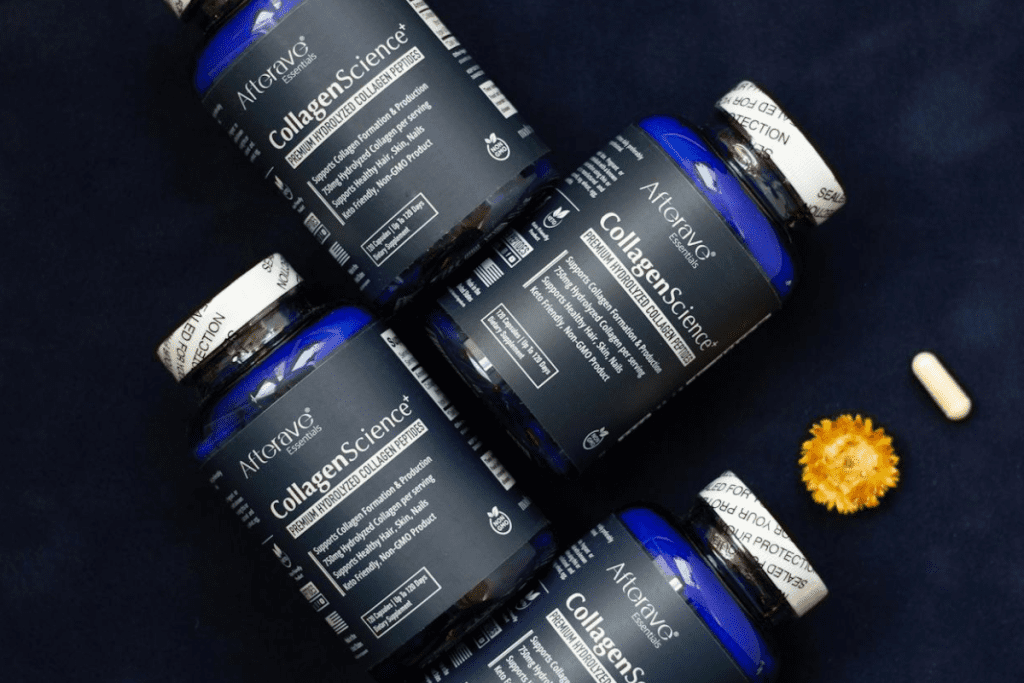
Did you know that nearly 80% of visible signs of aging, like wrinkles and fine lines, come from less collagen production in the skin? Vitamin A is key in boosting cell growth and collagen production. It’s essential for keeping the skin looking young and healthy.
The importance of vitamin A for skin is huge. It not only boosts collagen but also helps in cell renewal. This keeps the skin elastic and firm.
Key Takeaways
- Vitamin A is vital for cell growth and collagen production.
- Collagen production drops with age, causing signs of aging to show.
- Vitamin A aids in cell renewal and keeps skin elastic.
- Vitamin A plays a crucial role in maintaining skin health.
- Vitamin A and collagen work together to keep skin young.
The Science Behind Cell Growth and Regeneration

Vitamins and nutrients play a key role in cell growth and regeneration. Our bodies’ cells are always growing, regenerating, and repairing. This is vital for keeping tissues healthy and our bodies working well. Nutrients and vitamins help support these important processes.
Cellular Processes and Nutrient Requirements
Cells need various nutrients to work right. Vitamins are important for energy, DNA, and cell division. Collagen building vitamins, like Vitamin C, help make collagen. This protein is key for skin, bones, and connective tissue strength and flexibility.
Key Vitamins Involved in Cell Proliferation
Many vitamins help cells grow. Vitamin A keeps skin healthy and boosts the immune system. It’s also key for cell growth and division. Vitamins C and E protect cells from damage and help make collagen.
It’s important to get enough of these vitamins through food or supplements. Not getting enough can harm cell function and cause health problems. For example, vitamin A deficiency symptoms include night blindness and skin issues.
Knowing how vitamins and nutrients help cells grow can help us support our health naturally. This promotes overall well-being.
Understanding Vitamin A: The Cell Growth Powerhouse

Vitamin A is key for cell growth and regeneration. It’s a vital nutrient that helps cells grow and develop. Experts say it’s essential for organs like the heart and lungs to work right.
Vitamin A comes in different forms, each with its own benefits. These forms help keep the skin healthy and support overall health.
Different Forms of Vitamin A: Retinol, Retinal, and Retinoic Acid
Vitamin A has several forms, including retinol, retinal, and retinoic acid. Retinol is the most versatile, as it can turn into retinal and retinoic acid in the body. Retinoic acid is the active form that helps cells grow and change.
These forms of vitamin A are important for many body functions. They help with vision, the immune system, and skin health.
How Vitamin A Functions at the Cellular Level
Vitamin A works at the cellular level through its active form, retinoic acid. It binds to receptors in the cell nucleus, affecting gene expression. This promotes healthy cell development.
Collagen production also gets a boost from vitamin A. It stimulates fibroblasts, the cells that make collagen. Eating vitamin A-rich foods or taking vitamin A supplements helps support this process. It leads to healthier skin and connective tissues.
Understanding vitamin A’s role in cell growth shows its importance for health. Adding vitamin A-rich foods to your diet or using supplements can help your body regenerate cells naturally.
The Relationship Between Vitamin A and Collagen
Collagen synthesis is a complex process. Vitamin A plays a big role in it, showing its importance for young skin and healthy tissues. Vitamin A helps control collagen production, a protein that supports our skin, bones, and tendons.
How Vitamin A Regulates Collagen Synthesis
Vitamin A and its forms, retinoids, affect collagen synthesis. Retinoic acid, a vitamin A form, boosts collagen production by activating fibroblasts. These cells are key in making collagen. This boosts collagen levels, improving skin texture and reducing wrinkles.
Scientific Evidence Supporting Vitamin A’s Role in Collagen Production
Many studies show vitamin A’s positive effect on collagen. A lack of vitamin A can lower collagen, causing skin issues and slow healing. But, vitamin A supplements can increase collagen, making skin and tissues healthier. A study found, “Vitamin A is vital for skin health, partly by regulating collagen.”
To naturally boost collagen, keep vitamin A levels up with a good diet or supplements. Foods like sweet potatoes and liver are rich in vitamin A. Also, using retinoids on the skin can directly increase collagen.
Collagen: The Body’s Structural Protein
Collagen is key for the body’s tissues like skin, tendons, and ligaments. It gives them strength, elasticity, and structure. This is vital for our health and how we look.
Types of Collagen and Their Functions in the Body
There are many types of collagen, each with its own job. Type I is the most common, found in skin, tendons, and bones. Type II is in cartilage, helping joints. Type III is in blood vessels and muscles.
Knowing about these types helps us see how important collagen is for our health. For example, collagen peptides from Type I are used to help skin and joints.
Natural Collagen Production Process
The body makes collagen through a complex process. This process is affected by what we eat, how we live, and our age. As we get older, making collagen slows down, causing wrinkles and stiff joints.
Keeping collagen levels healthy is important for our well-being. The benefits of collagen supplements are well-known. Many people take them to improve skin, hair, nails, and joint health.
- Collagen provides structure to skin, bones, and connective tissue.
- Different types of collagen have distinct functions in the body.
- Nutritional and lifestyle factors influence natural collagen production.
Vitamin A Deficiency Symptoms and Impact on Collagen
Vitamin A deficiency can cause skin problems and affect collagen production. Vitamin A is key for healthy skin and collagen. Without enough, skin health and appearance can suffer.
Common Signs of Vitamin A Deficiency
Vitamin A deficiency shows in many ways, like dry skin and impaired wound healing. It also makes you more likely to get infections. Night blindness and eye health problems can also occur. Spotting these signs early is important to prevent bigger health issues.
How Insufficient Vitamin A Affects Skin and Connective Tissues
Not enough vitamin A hurts skin and connective tissues by reducing collagen production. Collagen keeps skin elastic and firm. Without enough vitamin A, skin looks dull, and wrinkles show more.
Vitamin A also helps keep skin cells healthy. Without it, skin health suffers.
Knowing vitamin A’s role in skin and collagen health is key. We need enough vitamin A from food or supplements. This is vital for good health and young-looking skin.
How to Stimulate Collagen Production Naturally
Boosting collagen naturally involves changing your diet and lifestyle. Eating the right foods and living healthily can help your body make more collagen.
Dietary Approaches to Enhance Collagen Synthesis
Eating foods rich in nutrients is key for collagen. Sweet potatoes and carrots, full of vitamin A, keep skin healthy and boost collagen. Foods high in vitamin C, like citrus fruits and berries, also aid in collagen production.
Omega-3 fatty acids in fish and zinc in shellfish and nuts also help collagen. Eating a balanced diet with these nutrients can naturally boost collagen.
Lifestyle Factors That Support Collagen Production
How you live affects collagen production. Using sunscreen and avoiding too much sun helps keep collagen intact. Not smoking and drinking less alcohol also helps collagen stay healthy.
Exercising, like weight-bearing activities, boosts collagen by growing muscles and bones. Getting enough sleep is also vital. Sleep helps the body repair and make new collagen.
“A healthy lifestyle is key to maintaining collagen production and overall skin health.”
Combining a balanced diet with a healthy lifestyle can naturally increase collagen. This keeps your skin looking younger and healthier.
Collagen Building Vitamins Beyond Vitamin A
Collagen production is influenced by many vitamins, not just vitamin A. Vitamin A is key for cell growth and regeneration. But other vitamins and nutrients are also vital for making collagen.
Vitamin C’s Critical Role in Collagen Formation
Vitamin C is essential for making collagen. It helps enzymes prolyl hydroxylase and lysyl hydroxylase work right. Without enough vitamin C, collagen production drops, causing weak connective tissue and scurvy.
Vitamin C is important for collagen synthesis. It helps in:
- Boosting collagen peptide production
- Improving collagen fiber cross-linking
- Keeping connective tissue healthy
Other Essential Nutrients for Collagen Synthesis
There are more nutrients needed for collagen production. These include:
- Zinc: Helps enzymes in collagen making
- Potassium: Keeps connective tissue strong
- Silica: Crucial for collagen and connective tissue health
Eating foods rich in these nutrients helps collagen health. A balanced diet with vitamins and minerals is key for good collagen production.
Top Vitamin A Rich Foods for Optimal Cell Growth
To support optimal cell growth, it’s important to eat foods rich in vitamin A. Vitamin A is key for healthy cells and tissues.
Animal-Based Sources of Preformed Vitamin A
Preformed vitamin A, or retinol, is in animal products. Some top sources are:
- Liver (beef, chicken, or fish)
- Fish liver oils (cod liver oil)
- Dairy products (milk, cheese, butter)
- Eggs
These foods offer a direct vitamin A source. It’s vital for cell growth and development.
Plant-Based Sources of Beta-Carotene
Beta-carotene turns into vitamin A in our bodies. It’s in many plant-based foods. Some of the best sources are:
- Sweet potatoes
- Carrots
- Dark leafy greens (kale, spinach)
- Colorful fruits (mangoes, cantaloupe, apricots)
Eating these foods helps support cell growth and health.
Collagen Boosting Foods for Skin and Joint Health
Certain foods can help make more collagen, which is key for skin and joints. Eating foods rich in collagen-boosting nutrients helps your body make more collagen. This leads to healthier skin and stronger joints.
Protein-Rich Foods That Provide Collagen Building Blocks
Protein-rich foods give your body the amino acids it needs for collagen. Foods like lean meats, fish, eggs, and dairy have amino acids like glycine and proline. These are important for making collagen. Adding these foods to your diet helps your body make collagen.
Antioxidant-Rich Foods That Protect Existing Collagen
Antioxidant-rich foods protect collagen from damage. Berries, leafy greens, and other fruits and vegetables are full of antioxidants. Vitamin C in these foods helps make collagen and keeps it from breaking down. Eating a variety of these foods keeps collagen in your skin and joints healthy.
Eating both protein-rich and antioxidant-rich foods helps your body make and protect collagen. This balanced diet can improve your skin and joint health.
The Importance of Vitamin A for Skin Health and Appearance
Vitamin A is vital for our skin’s health and look. It keeps our skin healthy and young-looking. Its benefits touch many areas of skin health.
Vitamin A does many things for our skin. It keeps our skin elastic and firm. These are important for a youthful look.
How Vitamin A Maintains Skin Elasticity and Firmness
Vitamin A helps our skin stay elastic and firm. It does this by controlling collagen production. Collagen is a protein that keeps our skin strong.
As we get older, we make less collagen. This leads to wrinkles and sagging skin. Vitamin A fights this by:
- Stimulating collagen synthesis
- Promoting cell turnover
- Enhancing skin hydration
Addressing Common Skin Concerns with Vitamin A
Vitamin A helps with many skin issues. It works on acne, fine lines, and dark spots. It’s great for skin that gets a lot of acne because it controls oil and prevents clogs.
There’s a lot of proof that vitamin A is good for the skin. Eating foods rich in vitamin A or taking supplements can make your skin look better. Also, using retinol, a vitamin A derivative, on your skin can help with aging.
Retinol and Collagen: The Science of Anti-Aging
Understanding retinol and collagen is key for fighting aging. Retinol, a vitamin A derivative, boosts collagen production. This is vital for keeping skin looking young.
How Retinoids Stimulate Fibroblasts and Collagen Production
Retinoids get fibroblasts, the collagen makers, working better. They help the skin renew itself by speeding up cell turnover. This leads to more collagen, making skin elastic and reducing wrinkles.
- Retinoids increase cell turnover, helping to remove dead skin cells.
- They enhance collagen synthesis by stimulating fibroblasts.
- Improved skin texture and reduced wrinkles are notable benefits.
Topical vs. Oral Retinol for Skin Rejuvenation
Topical and oral retinol both help rejuvenate the skin. Topical retinol is applied to the skin for direct treatment. Oral retinol works from inside, possibly giving broader benefits.
Choosing between topical and oral retinol depends on your skin issues. Talking to a dermatologist can guide you to the best option.
How to Increase Collagen Production as You Age
Aging leads to less collagen in our bodies. But, we can fight this with smart strategies. Our skin, joints, and health can get a boost from more collagen. Learning how to naturally boost collagen is key to staying young and healthy.
Age-Specific Strategies for Collagen Enhancement
People in their 30s and 40s can benefit from collagen peptides. These are full of amino acids that help make collagen. Older adults should take collagen supplements with Vitamin C to make more collagen.
Combining Approaches for Maximum Effectiveness
To really boost collagen, mix different methods. Eat foods that help build collagen, like Vitamin C and protein. Also, exercise regularly and get enough sleep. This way, you can increase collagen and see better skin and joint health.
Benefits of Collagen Supplements for Overall Health
Collagen supplements are popular for boosting skin, joint health, and overall wellness. They are packed with amino acids. These are key for skin elasticity, joint health, and a healthy digestive system.
Skin, Hair, and Nail Improvements
Collagen supplements can make your skin look better by improving its elasticity and hydration. They also help your hair and nails grow stronger. Taking them regularly can make your skin look smoother and reduce hair loss.
Joint Health and Mobility Benefits
The amino acids in collagen, like glycine and proline, are good for your joints. They help keep cartilage healthy, which reduces joint pain and improves mobility. This is great for people with osteoarthritis or other joint problems.
Digestive and Cardiovascular Advantages
Collagen supplements can also help your digestive system. They heal and seal the gut lining, improving how your body absorbs nutrients and reducing inflammation. The amino acids in collagen also support heart health by keeping blood vessels strong and improving blood flow.
Adding collagen supplements to your daily routine can greatly improve your health. It can enhance your skin, joints, digestion, and heart health.
Best Vitamin A and Collagen Products on the Market
The market has many vitamin A and collagen products. They meet different needs and tastes. It’s key to look at quality, how well they work, and if they’re safe.
Top-Rated Vitamin A Supplements
Top vitamin A supplements include Vitamin A capsules from trusted brands. They make sure the vitamin A is easily used by the body. For example, Garden of Life’s Vitamin A supplement is praised for its purity and results.
Premium Collagen Peptide Formulations
Premium collagen peptides help with skin, hair, and joint health. NeoCell Super Collagen Peptides is a favorite. It’s known for its high-quality collagen that the body absorbs well.
Combination Products for Synergistic Benefits
Products with both vitamin A and collagen offer great benefits. They help with skin health and overall well-being. These products often have extra nutrients like vitamin C to help make more collagen.
When picking a vitamin A and collagen product, check the labels. Look for third-party certifications to make sure it’s quality and pure.
Benefits of Vitamin A Supplements Beyond Collagen
Vitamin A supplements do more than just help with collagen. They offer many benefits for our health. These benefits are not just about collagen.
Immune System Support and Function
Vitamin A is key for a strong immune system. It helps T-cells and B-cells fight infections. Immune system support is a major plus of vitamin A, keeping us healthy.
Vision Health and Maintenance
Vitamin A is famous for its role in vision health. It keeps the retina and cornea healthy. It’s also needed for the eye to adjust to light changes. Without enough vitamin A, we might see poorly at night.
Reproductive and Developmental Benefits
Vitamin A is also vital for reproductive health and growth. It helps form and keep organs like the heart and lungs healthy. During pregnancy, it’s essential for the baby’s development. “Vitamin A deficiency can lead to significant reproductive and developmental issues,” showing its importance.
In summary, vitamin A supplements offer many health benefits. They support the immune system, vision health, and reproductive benefits. Vitamin A is essential for our overall health and well-being.
Potential Risks and Considerations When Using Supplements
It’s key to know the risks of vitamin A and collagen supplements for safe use. These supplements can bring many benefits. But, there are risks and things to think about.
Vitamin A Toxicity: Symptoms and Prevention
Vitamin A toxicity happens when you take too much vitamin A. Symptoms include dizziness, nausea, headaches, and dry skin. In bad cases, it can cause liver damage and increased intracranial pressure.
To avoid vitamin A toxicity, remember to:
- Stick to the recommended amount of vitamin A.
- Watch how much you take, if you’re using more than one supplement.
- Talk to a doctor before starting any supplements.
Who Should Exercise Caution with Supplementation
Some people should be careful with vitamin A and collagen supplements. These include:
- Pregnant women, as too much vitamin A can harm the fetus.
- People with liver disease, as vitamin A builds up in the liver and can make liver problems worse.
- Those taking medicines that might not work well with vitamin A or collagen supplements.
It’s also smart to talk to a doctor about your health before starting any supplements.
Conclusion: Optimizing Cell Growth Through Vitamin A and Collagen
Keeping skin healthy is all about cell growth, and vitamin A is key. It helps control how cells grow and change. Vitamin A also helps make collagen, which keeps skin firm and elastic.
Eating right and using supplements can help cells grow well. Foods like sweet potatoes and leafy greens are full of vitamin A. Adding vitamin C and omega-3 fatty acids can also boost collagen and skin health.
Knowing how vitamin A and collagen work together helps us keep our skin looking young. Making diet changes or using supplements can greatly improve skin health. This is a big step towards having healthy, youthful-looking skin.
FAQ
What is the role of vitamin A in collagen production?
Vitamin A is key in making collagen. Without enough, our skin and tissues can suffer.
How does vitamin A stimulate cell growth?
Vitamin A works at the cell level. It helps cells grow and supports collagen making.
What are the different forms of vitamin A?
Vitamin A comes in retinol, retinal, and retinoic acid. These keep our skin healthy and help with collagen.
Can vitamin A supplements improve skin health?
Yes, they can. Vitamin A supplements help keep skin firm and fight acne and wrinkles.
What are the benefits of collagen supplements?
Collagen supplements boost skin, hair, and nails. They also help joints and support heart health.
How can I stimulate collagen production naturally?
Eat foods rich in vitamin A and other nutrients. Live healthy and use retinol products on your skin.
What are the best vitamin A-rich foods?
Good sources include liver, eggs, sweet potatoes, carrots, and dark greens.
Can vitamin A deficiency affect collagen production?
Yes, it can. Lack of vitamin A harms collagen making, causing skin and tissue problems.
What are the possible risks of vitamin A supplements?
Too much vitamin A can be toxic. It may cause headaches, dizziness, and nausea. Be careful with supplements.
References:
Pullar, J. M., Carr, A. C., & Vissers, M. C. (2017). The roles of vitamin C in skin health. Nutrients, 9(8), 866. https://doi.org/10.3390/nu9080866
Moraes, L. A., & de Oliveira, D. C. (2019). Vitamin A and skin health: An update on the roles of retinoids in skin biology. Journal of Clinical and Aesthetic Dermatology, 12(5), 35“41. https://www.ncbi.nlm.nih.gov/pmc/articles/PMC6613684/
Shah, R. G., & Holtz, R. B. (2021). Collagen supplementation: A narrative review of current evidence and its potential role in dermatology. Journal of Clinical Medicine, 10(5), 1057.