Last Updated on November 17, 2025 by Ugurkan Demir
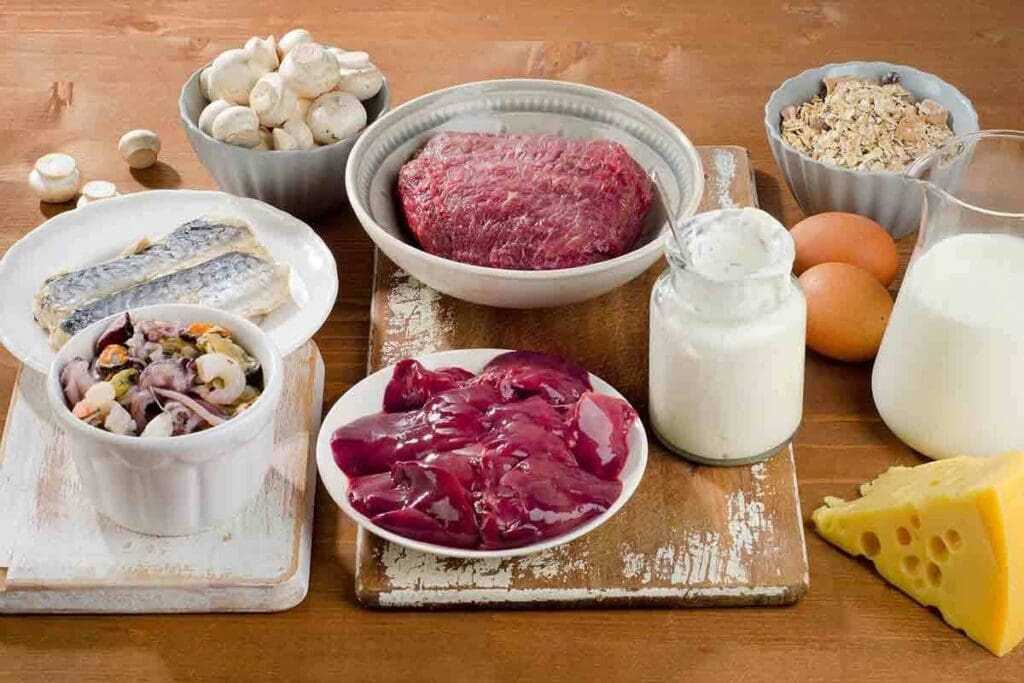
Maintaining sufficient levels of Vitamin B12 and folic acid is essential for overall health. These nutrients support red blood cell production and help keep the nervous system functioning properly. Vitamin B12 is mainly found in animal products, while folic acid is abundant in leafy greens, legumes, and fortified grains.
At LivHospital, we understand the importance of a balanced diet to meet your nutritional needs. However, in some cases, dietary intake alone may not be enough. That’s where vitamin B12 and folic acid supplements can play an important role in maintaining optimal health. Our guide highlights the best food sources of these essential nutrients and offers expert advice on using supplements safely and effectively.
Key Takeaways
- Vitamin B12 is vital for making red blood cells and keeping nerves healthy.
- Folic acid is key for a baby’s growth during pregnancy.
- Animal-based foods are the main source of Vitamin B12.
- Folic acid is in leafy greens, legumes, and fortified grains.
- Supplements can help if you don’t get enough from food.
The Essential Role of Vitamin B12 and Folic Acid in Your Health
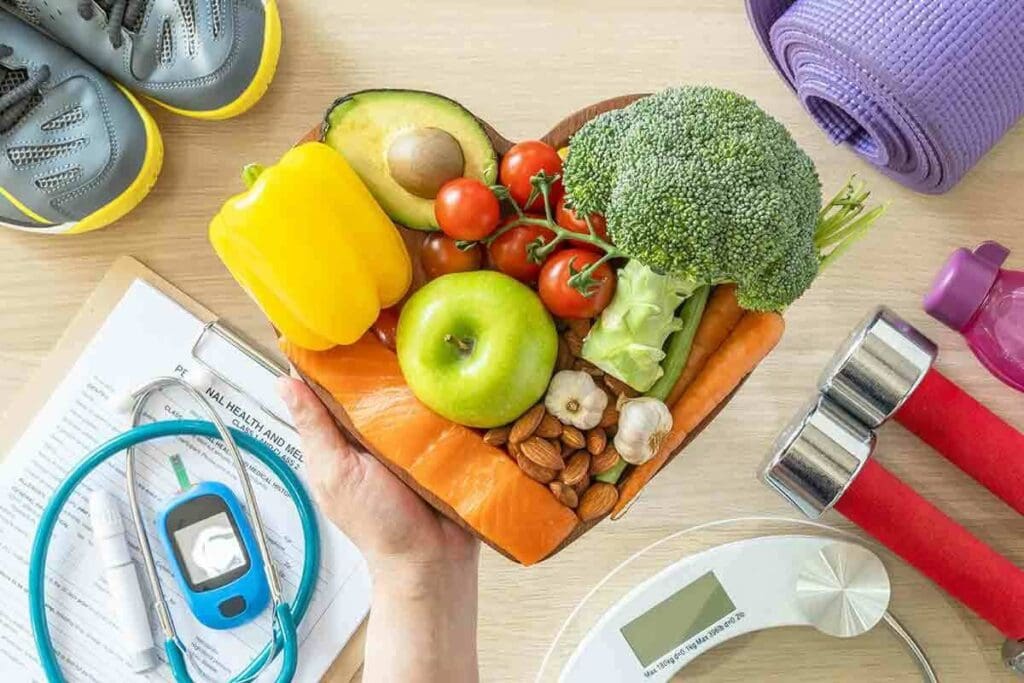
Getting enough Vitamin B12 and folic acid is key to staying healthy. These vitamins are vital for many body functions. They help us stay active and healthy.
We’ll look at how they help with red blood cell production, brain function, and fetal growth during pregnancy.
Red Blood Cell Formation and Neurological Function
Vitamin B12 is important for making red blood cells. These cells carry oxygen around our body. Without enough Vitamin B12, we might feel tired, weak, and have trouble breathing.
Vitamin B12 also helps our nervous system. It helps make myelin, a fatty substance that protects our nerves. Our nerves need Vitamin B12 to work right.
Importance for Fetal Development and Pregnancy
Folic acid is very important when you’re pregnant. It helps prevent serious birth defects of the brain and spine. These defects can happen early in pregnancy, before you even know you’re pregnant.
Folic acid is key for the neural tube to close properly. It’s not just good for the baby; it’s essential.
In short, Vitamin B12 and folic acid are vital for our health. They help with red blood cells, brain function, and fetal growth. Making sure we get enough of these vitamins is important for staying healthy.
Understanding the Difference: Vitamin B12 vs. Folic Acid
It’s important to know the difference between Vitamin B12 and folic acid. Both are key parts of the B vitamin group but serve different roles in our bodies.
Chemical Structure and Properties
Vitamin B12, or cobalamin, has a complex chemical structure with a cobalt ion at its center. This makes it vital for DNA creation and the breakdown of fats and proteins. Folic acid, or vitamin B9, is simpler but also essential for DNA making and repair, and other body functions.
Their chemical differences show how they work differently in our bodies. Vitamin B12 helps make red blood cells and keeps our nervous system healthy. Folic acid is key for cell growth and division.
How They Work Together in Your Body
Vitamin B12 and folic acid team up in important body processes. They both help make DNA and keep homocysteine levels in check. Elevated homocysteine can lead to heart disease and brain problems.
Both vitamins are vital for making red blood cells. Vitamin B12 helps our bodies use folic acid right. Without enough Vitamin B12, we might not get enough folate, even if we have enough folate in our diet.
It’s wise to pay attention to how much of these vitamins we eat. This is true for people who follow special diets, like vegetarians and vegans. They might need more Vitamin B12 because it’s found mainly in animal products.
Animal-Based Powerhouses of Vitamin B12
Animal products are known for their high Vitamin B12 levels. They are key for a balanced diet. Vitamin B12 helps make red blood cells and keeps the nervous system working right. We’ll look at the best animal sources of Vitamin B12.
1. Beef Liver: The Ultimate B12 Source
Beef liver is a top source of Vitamin B12. Just one serving gives you more than you need each day. It’s also full of iron and folate, making it very nutritious.
2. Clams and Shellfish: Ocean’s B12 Treasures
Clams and shellfish have lots of Vitamin B12. They taste great and are full of nutrients. Clams have so much B12, they often give you more than you need in one serving.
3. Salmon and Trout: Fish with High B12 Content
Fatty fish like salmon and trout are great for Vitamin B12. They also have omega-3s, which are good for your heart. Salmon is easy to cook in many ways, making it simple to add to your meals.
4. Beef and Lamb: Red Meat B12 Options
Red meats like beef and lamb have Vitamin B12. The amount can change based on the cut and how it’s cooked. Grass-fed options are often more nutritious.
| Food | Vitamin B12 Content per Serving |
| Beef Liver | 83.2 mcg |
| Clams | 84.1 mcg |
| Salmon | 4.9 mcg |
| Beef | 2.4 mcg |
Eating these animal-based foods helps you get enough Vitamin B12. It’s good to mix up your protein sources to get all the nutrients.
Dairy and Eggs: Everyday B12 Sources
Dairy and eggs are common foods that help with Vitamin B12 intake. They are not only full of Vitamin B12 but also easy to add to your meals.
Milk and Yogurt: Consistent B12 Providers
Milk and yogurt are key dairy items with lots of Vitamin B12. A cup of milk or a yogurt serving can give you a big part of your daily B12 needs. Choose fortified dairy to get more B12.
Key Benefits: Milk and yogurt are easy to find and use in many ways, from plain to sweetened.
Cheese Varieties and Their B12 Content
Cheese is also packed with Vitamin B12. Different cheeses have different B12 levels, with Swiss and cheddar being the highest. Mixing up your cheese choices can help meet your B12 needs.
- Swiss cheese: Known for its high B12 content.
- Cheddar cheese: A popular choice that is rich in B12.
- Feta cheese: Also a good source, though levels may vary.
Eggs: Complete Protein with B12 Benefits
Eggs are a top Vitamin B12 source and a complete protein. They have all nine essential amino acids. Adding eggs to your meals can greatly increase your B12 levels.
Egg-cellent Source: Eggs are not only good for you but also versatile, making them a great B12-rich diet addition.
Plant-Based Champions of Folic Acid
Nature offers many plant-based foods rich in folic acid. This makes it simple to keep your levels up. Folic acid is key for DNA, cell growth, and repair. Let’s look at the best plant-based sources of folic acid for your diet.
8. Spinach and Leafy Greens: Folic Acid Superstars
Spinach and leafy greens are full of folic acid. One cup of cooked spinach has over 250 micrograms of folate. That’s about 65% of what you need daily. Kale, collard greens, and romaine lettuce are also great sources.
Adding these greens to salads, smoothies, or sautéed dishes boosts your folic acid.
9. Legumes: Lentils, Chickpeas, and Black Beans
Legumes like lentils, chickpeas, and black beans are folic acid powerhouses. They’re also packed with fiber, protein, and minerals. For example, one cup of cooked lentils has about 358 micrograms of folate.
This meets nearly 90% of your daily folate needs. Adding these legumes to soups, stews, or salads boosts your folic acid.
10. Citrus Fruits: Natural Folic Acid Sources
Citrus fruits like oranges, grapefruits, and lemons are good for folic acid. They may not have as much as leafy greens or legumes, but they help. Plus, they’re full of vitamin C, which helps your body absorb folate better.
Enjoying fresh orange juice or adding citrus slices to meals is tasty and supports your folic acid needs.
By adding these plant-based foods to your diet, you meet your folic acid needs. Whether you’re a vegetarian or just want more plant-based meals, these foods are delicious and healthy.
Fortified Foods for B Vitamin Intake
We often choose fortified foods to get more B vitamins, mainly when we can’t eat certain foods. These foods have extra nutrients, like B vitamins, added to them. This makes them more nutritious.
Breakfast Cereals: Fortified Morning Options
Many breakfast cereals are packed with B vitamins. They’re a fantastic way to start your day. These cereals can give you a big part of the B vitamins you need, like Vitamin B12 and folic acid.
Nutritional Yeast: Vegan B12 Alternative
Nutritional yeast is a top pick for vegans looking for Vitamin B12. It’s full of protein and fiber. Plus, it’s often enriched with B12, making it great for vegans.
Fortified Plant Milks and Breads
Now, many plant milks and breads have B vitamins added to them. They’re great for people who eat plants but might not get enough B vitamins. These foods are super helpful for those at risk of B vitamin deficiency.
| Food | Vitamin B12 Content | Folic Acid Content |
| Fortified Breakfast Cereal | 2.4 mcg per serving | 400 mcg per serving |
| Nutritional Yeast | 5 mcg per tablespoon | Varies by brand |
| Fortified Plant Milk | 1.2 mcg per cup | 100 mcg per cup |
B Complex Foods: Sources of B6 and Other B Vitamins
B complex vitamins, like B6 and Niacin, are key for our body’s functions. They help us make energy, keep our nerves working, and support our heart. Eating foods rich in these vitamins can keep us healthy and prevent deficiencies.
Common Foods Rich in Multiple B Vitamins
Many foods are packed with B vitamins, making it simple to get what we need. Here are some top picks:
- Eggs: Eggs are full of B2, B6, and B12.
- Poultry: Chicken and turkey offer B6, Niacin, and B12.
- Legumes: Beans, lentils, and chickpeas are rich in Folate (B9).
- Nuts and Seeds: Sunflower seeds and almonds are good for various B vitamins.
Adding these foods to your diet can help you get enough B complex vitamins.
The Difference Between B6 and Niacin (B3)
B6 and Niacin are both important B vitamins but serve different roles. Vitamin B6 is key for brain health and making hemoglobin.
Niacin (B3) helps turn food into energy. It also keeps our skin, nerves, and digestive system healthy. Niacin is known for improving cholesterol and heart health.
Knowing how each B vitamin works can help you choose better foods for your health.
Recommended Daily Intake of Vitamin B12 and Folic Acid
Daily needs for Vitamin B12 and folic acid change with age, pregnancy, and health. Knowing these needs helps keep you healthy and avoid deficiencies.
Age-Specific Requirements
The amount of Vitamin B12 and folic acid you need changes with age. Adults 19-64 need 2.4 micrograms (mcg) of Vitamin B12 daily. For folic acid, adults need 400 micrograms (mcg).
| Age Group | Vitamin B12 RDA (mcg) | Folic Acid RDA (mcg) |
| Infants 0-6 months | 0.4 | 65 |
| Children 1-3 years | 0.9 | 150 |
| Adults | 2.4 | 400 |
| Pregnant Women | 2.6 | 600 |
| Breastfeeding Women | 2.8 | 500 |
Special Needs During Pregnancy and Breastfeeding
Pregnant and breastfeeding women need more folic acid. This is because folic acid is vital for the baby’s development and preventing birth defects.
“Folic acid supplementation before and during early pregnancy can significantly reduce the risk of neural tube defects.”
Nutritional Guidelines for Healthcare Providers
Adjustments for Health Conditions
Some health issues may mean you need more Vitamin B12 and folic acid. For example, people with pernicious anemia or after certain surgeries might need more Vitamin B12.
Key Considerations:
- Consult healthcare providers for personalized recommendations.
- Monitor blood levels to adjust intake as needed.
- Be aware of any interactions with medications.
It’s important to know how much Vitamin B12 and folic acid you need each day. This knowledge helps you make good choices about your diet. It’s about understanding your age, pregnancy status, and health conditions.
Vitamin B12 and Folic Acid Supplements: A Guide
For those with deficiencies or health issues, Vitamin B12 and folic acid supplements are key. They help keep health in check, mainly for those who can’t get enough from food.
Types of Supplements Available
Vitamin B12 and folic acid supplements are available in many forms. Oral supplements like tablets, capsules, or liquids are common. For poor Vitamin B12 absorption, sublingual supplements or injections are suggested.
Nutritional yeast is a vegan-friendly choice, rich in folic acid and sometimes Vitamin B12. Pick the supplement form that fits your needs best.
When Supplementation Is Necessary
Some people need supplements due to health issues or diet. Vegans and vegetarians, for example, face a higher risk of Vitamin B12 deficiency. Pregnant women, on a plant-based diet, might need more folic acid to avoid birth defects.
Older adults, those with certain gut disorders, and people on certain meds may also benefit. These groups often struggle with Vitamin B12 or folic acid absorption.
How to Choose Quality Supplements
Choosing a good supplement requires careful thought. Look for third-party tested products for purity and strength. The label should clearly show Vitamin B12 and folic acid amounts, plus any other ingredients.
| Supplement Type | Vitamin B12 Content | Folic Acid Content |
| Oral Tablets | 2.4 mcg | 400 mcg |
| Sublingual Drops | 5 mcg | 800 mcg |
| Nutritional Yeast | Variable, often fortified | Naturally occurring |
Always talk to a healthcare professional before starting supplements. They can make sure they’re right for you.
Can You Take Too Much Vitamin B? Understanding Upper Limits
Knowing the safe amounts of Vitamin B is key to staying healthy. Vitamin B is important for many body functions. But too much can cause health problems. We’ll look at the dangers of too much Vitamin B12 and Folic Acid.
Risks Associated with High B12 Intake
Vitamin B12 is usually safe, even in large amounts. But, too much can cause side effects. Studies show it might cause skin rashes, acne, and rosacea in some people.
Potential Side Effects of High B12 Intake:
- Acne and skin rashes
- Rosacea flare-ups
- Potential interactions with certain medications
Always talk to a doctor before taking a lot of Vitamin B12. This is true if you’re on medication or have health issues.
How Excessive Folic Acid Can Mask B12 Deficiency
Folic Acid and Vitamin B12 work together in our bodies. Too much Folic Acid can hide a Vitamin B12 shortage. This can delay finding and treating the problem.
The risks of too much Folic Acid show why balanced supplements are important.
| Vitamin | Upper Limit (per day) | Potential Risks of Excessive Intake |
| Vitamin B12 | No established upper limit | Skin rashes, acne, rosacea flare-ups |
| Folic Acid | 1,000 mcg | Masking B12 deficiency, possible neurological effects |
The table shows Vitamin B12 has no set limit but too much can harm. For Folic Acid, the limit is 1,000 mcg. Taking more than this can hide a Vitamin B12 shortage and cause other problems.
In summary, Vitamin B is vital, but too much can be harmful. It’s important to balance Vitamin B12 and Folic Acid to stay healthy.
Special Considerations for Vegetarians and Vegans
Vegetarians and vegans have a hard time getting enough Vitamin B12 because they don’t eat animal products. Vitamin B12 is key for making red blood cells and keeping the nervous system healthy. We’ll look at how vegetarians and vegans can get enough Vitamin B12.
Plant-Based B12 Options
Even though animal products are the main source of Vitamin B12, there are plant-based options. These include:
- Fortified Foods: Many plant-based milk, cereals, and nutritional yeast are fortified with Vitamin B12.
- Nutritional Yeast: This vegan favorite is full of protein and can be fortified with Vitamin B12. It’s a great way to add B12 to meals.
- Vitamin B12-Fortified Plant Milk: Many plant milk brands are fortified with Vitamin B12. This makes it easy for vegans to get their B12.
Supplementation Strategies for Plant-Based Diets
Even with fortified foods, supplements are often needed to get enough Vitamin B12. Here are some tips:
- Regular Supplementation: Taking a daily Vitamin B12 supplement can keep levels up.
- Consult a Healthcare Professional: It’s important to talk to a doctor to find the right supplement plan for you.
- Monitor Vitamin B12 Levels: Regular blood tests can check Vitamin B12 levels. This makes sure supplements are working.
By using these strategies, vegetarians and vegans can manage their Vitamin B12 intake. This supports their overall health and well-being.
Conclusion: Balancing Your B Vitamin Intake for Optimal Health
Getting the right balance of B vitamins is key for good health. Vitamin B12 and Folic Acid are important for making red blood cells and for our brains. They also help during pregnancy.
We’ve looked at foods rich in B vitamins. Animal products like beef liver and clams are great for Vitamin B12. Dairy and eggs are also good sources.
For Folic Acid, spinach, legumes, and citrus fruits are top choices. Fortified foods like breakfast cereals and plant milks also help. Knowing how Vitamin B12 and Folic Acid work together is important.
To get enough B vitamins, eat a variety of foods. If you’re vegetarian or vegan, you might need supplements. This ensures you have enough Vitamin B12. Making smart food and supplement choices helps keep your B vitamins in check.
FAQ
What are the best food sources of Vitamin B12?
Animal-based foods are the best for Vitamin B12. This includes beef liver, clams, salmon, trout, beef, lamb, milk, yogurt, cheese, and eggs. These foods are key for making red blood cells, brain function, and fetal growth.
What foods are rich in folic acid?
Spinach, leafy greens, and legumes like lentils, chickpeas, and black beans are good sources. Also, citrus fruits are rich in folic acid. These foods are vital for preventing birth defects and overall health.
Can I get enough Vitamin B12 and folic acid from my diet alone?
A balanced diet can provide enough Vitamin B12 and folic acid for most people. But, some might need supplements, like vegetarians, vegans, pregnant women, and those with health issues. Fortified foods like breakfast cereals and plant milks can also help.
What is the difference between Vitamin B12 and folic acid?
Vitamin B12 and folic acid are both B vitamins but serve different roles. Vitamin B12 is key for the brain and blood cells. Folic acid is vital for fetal growth during pregnancy. Together, they support health.
How much Vitamin B12 and folic acid do I need daily?
Daily needs for Vitamin B12 and folic acid vary by age and health. Adults need about 2.4 mcg of Vitamin B12 and 400 mcg of folic acid. Pregnant women need more, usually 2.6 mcg of Vitamin B12 and 600 mcg of folic acid.
Can taking too much Vitamin B be harmful?
Yes, too much Vitamin B can be harmful. High doses of folic acid can hide a Vitamin B12 deficiency. This can lead to brain damage if not treated.
Are there any special considerations for vegetarians and vegans regarding Vitamin B12 intake?
Yes, vegetarians and vegans are at risk for Vitamin B12 deficiency. They can use plant-based Vitamin B12 sources like nutritional yeast, fortified plant milks, and supplements.
What are the benefits of Vitamin B6, B12, and folic acid together?
Vitamin B6, B12, and folic acid support heart health, brain function, and blood cell formation. They also help with energy and reduce health risks.
Is Vitamin B6 the same as Niacin?
No, Vitamin B6 and Niacin (Vitamin B3) are different. Vitamin B6 is important for the brain and blood cells. Niacin helps with energy and skin, hair, and nail health.
How can I ensure I’m getting enough B vitamins from my diet?
Eat a balanced diet with foods rich in B vitamins. Include animal products for Vitamin B12, leafy greens and legumes for folic acid, and whole grains, nuts, and seeds for other B vitamins. For personalized advice, talk to a healthcare professional or registered dietitian.
Reference
NIH Office of Dietary Supplements – Vitamin B12 Food Sources and Facts
https://ods.od.nih.gov/factsheets/VitaminB12-HealthProfessional