Last Updated on November 27, 2025 by Bilal Hasdemir

Having spine surgery is a big deal, and getting better is key. Many people ask if they’ll need help walking during their recovery. Audrey Gammie, for example, walked without a walker a few weeks after her second surgery. This shows how different everyone’s recovery can be.
In this article, we’ll look at how walkers help during spinal fusion recovery. We’ll also talk about what makes you need a walker and the kinds of walkers out there to help you get better.
Key Takeaways
- Recovery experiences vary significantly among individuals after spine surgery.
- The need for a walker is influenced by factors such as age, overall health, and type of surgery.
- Mobility assistance plays a critical role in spine surgery recovery.
- Different types of walkers are available to support patients during their recovery.
- Understanding the factors that determine walker use can help patients prepare for their recovery.
The Role of Mobility Assistance in Spine Surgery Recovery

Mobility assistance is key in spine surgery recovery. It helps patients deal with the challenges of postoperative care. Using walking aids and other tools is vital for safe and effective movement during recovery.
How Spine Surgery Affects Your Ability to Walk
Spine surgery can greatly affect a patient’s walking ability. The surgery, like spinal fusion, needs time to heal. During this time, patients may feel pain, stiffness, and reduced mobility.
Using walkers can prevent falls and complications. These aids help patients stay mobile. This is important for blood circulation, preventing muscle loss, and proper spine healing.
Why Proper Support Is Critical for Healing
Proper support is essential for several reasons. It reduces the risk of falls, which are dangerous after spine surgery. It also helps manage pain by reducing strain on the spine. Lastly, it helps patients return to normal activities faster by keeping muscles strong and flexible.
Audrey Gammie’s story shows how important support and mobility assistance are. The right walking aids and a well-planned recovery plan can greatly improve outcomes and lower complication risks.
Factors That Determine If You’ll Need a Walker
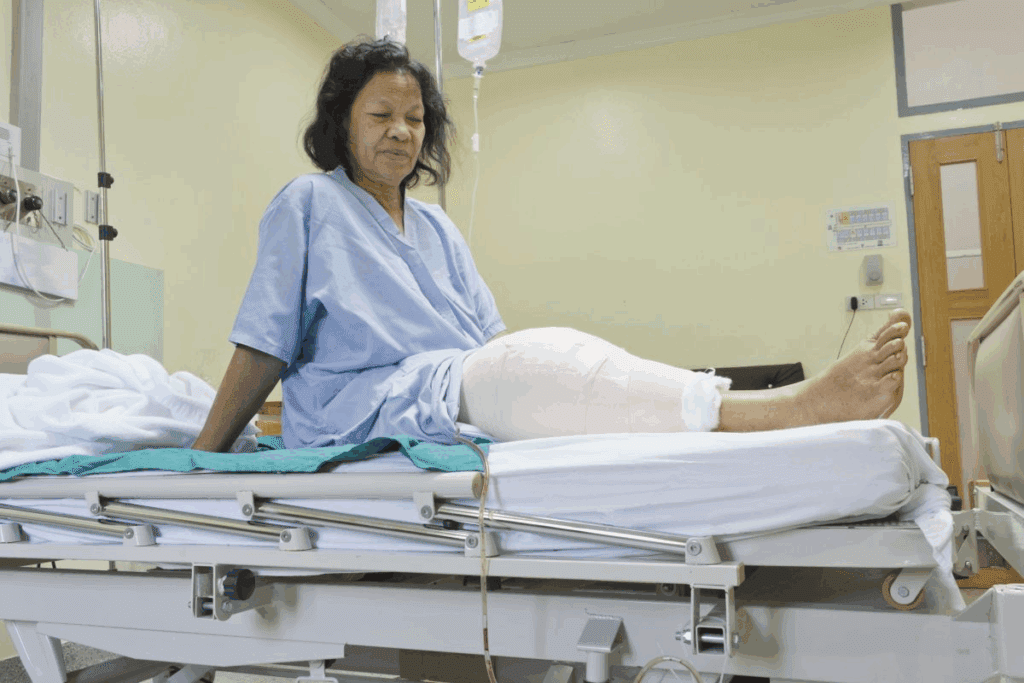
Deciding if you need a walker after spine surgery depends on several factors. Knowing these can help you get ready for your recovery.
Type and Extent of Surgical Procedure
The surgery type and extent greatly affect walker needs. More complex surgeries, like spinal fusion, may need walkers for longer. This helps reduce stress on the spine while it heals.
Other surgeries, like laminectomy or discectomy, might have different recovery needs. The surgery’s complexity and how invasive it is also play a big role in how much mobility support you’ll need.
Pre-existing Mobility Issues and Age Considerations
Having mobility issues before surgery can make walker use more likely. Conditions like arthritis or osteoporosis can make recovery harder. Age also matters, as older people might have weaker bones and muscles.
Older adults or those with mobility issues might need walkers to avoid falls. It’s important to check your health and mobility before surgery to find the right support.
Surgeon’s Recommendations Based on Your Case
Surgeons consider your health, surgery complexity, and recovery path when advising on walkers. They give personalized advice based on your situation.
They might suggest walkers for big surgeries or if you’ve had mobility problems before. The surgeon’s advice is key in figuring out how much support you’ll need.
| Factor | Influence on Walker Need | Example |
| Type and Extent of Surgery | More complex surgeries increase the need for a walker | Spinal fusion surgery |
| Pre-existing Mobility Issues | Existing mobility issues increase the need for support | Arthritis, osteoporosis |
| Age Considerations | Older age may require additional support | Patients over 65 |
| Surgeon’s Recommendations | Personalized advice based on the patient’s condition | Surgeon’s guidance on walker use |
Walker After Spine Surgery: When It’s Necessary
Using a walker after spine surgery depends on several factors. These include the type and complexity of the surgery. Some patients might not need extra support, while others will need a walker for a safe recovery.
Knowing when a walker is needed helps patients prepare for their recovery. It also helps them make informed decisions about their care.
Common Spine Procedures Requiring Walker Support
Some spine surgeries need a walker more than others. These include:
- Complex spinal fusions, which join multiple vertebrae together
- Revision surgeries, where previous spinal procedures are revised or corrected
- Surgeries that involve significant decompression or stabilization of the spine
A walker provides essential support for these procedures. It helps prevent complications by reducing strain on the spine during healing.
Duration Expectations for Different Surgeries
The time a patient needs to use a walker varies. It depends on the procedure and individual factors. Generally:
- For minor procedures, walker use may be limited to a few days to a week
- For more complex surgeries, like spinal fusions, walker use may be recommended for 4 to 6 weeks
- In cases of significant spinal reconstruction, the use of a walker could extend to 2 to 3 months or more
Patients should always follow their surgeon’s advice on walker use. These recommendations are tailored to their specific case and needs.
Types of Walkers for Post-Spine Surgery Recovery
There are many walkers for spine surgery recovery, each with its own benefits. The right walker can greatly help your recovery. It provides the support and stability you need.
Standard Walkers: Features and Benefits
Standard walkers are the classic choice. They are simple yet very effective. They offer great support, perfect for those needing a lot of help with balance and moving around. They have a strong frame and non-slip legs, making them stable on different floors.
Rolling Walkers and Their Advantages
Rolling walkers, or rollators, have wheels. This makes them great for those who want to move a bit more. Wheels make it easier to glide, which is less tiring. They also often have brakes and places to store things.
Front-Wheeled Walkers for Spine Patients
Front-wheeled walkers strike a balance between stability and mobility. They have wheels on the front, making it easier to move forward. This is good for spine patients who need to stay mobile but also stay safe.
Specialized Walkers with Added Support Features
Specialized walkers have extra features like wider bases and adjustable heights. They offer more comfort and support during recovery. They’re great for those with mobility issues or complex spine surgeries.
Knowing about the different walkers can help patients choose the best one for their recovery. It’s important to talk to doctors to find the right walker for your needs and surgery.
Preparing Your Home Before Surgery
Before your spine surgery, getting your home ready can prevent accidents and make recovery more comfortable. A well-prepared home is key for safe walking post-surgery and good postoperative care.
Creating Safe Pathways and Removing Obstacles
It’s important to clear paths and remove obstacles to avoid tripping and falling. Take out any loose rugs, electrical cords, or other hazards that could get in your way. A clutter-free home reduces the chance of accidents during your recovery.
We also recommend rearranging furniture to make wide, clear paths. This is helpful if you’ll be using a walker or other mobility aid during your recovery.
Bathroom and Bedroom Modifications
The bathroom and bedroom are where you’ll spend a lot of time during recovery. To make these spaces more accessible:
- Install grab bars in the shower and near the toilet for extra support.
- Use a shower chair or bench to avoid slipping.
- Make sure your bed is at a comfortable height for easy getting in and out.
Kitchen and Living Area Adjustments
In the kitchen and living areas, consider these adjustments:
- Store items at waist level to avoid bending or reaching.
- Use a tray or cart to carry items, so you don’t have to lift heavy things.
- Have a comfortable, supportive chair for rest periods.
By making these changes, you can create a supportive environment for a smoother and safer recovery from spine surgery. Our aim is to help you get the best results from your surgery, and a well-prepared home is a big part of that.
Proper Walker Technique Following Spine Surgery
Learning how to use a walker after spine surgery is key for a safe recovery. It helps avoid complications, reduces pain, and aids in healing.
Correct Posture and Body Mechanics
Keeping the right posture while using a walker is essential. Stand up straight with your shoulders relaxed and avoid leaning forward. Make sure your walker is at the right height, so your elbows are slightly bent.
Good body mechanics mean keeping your back straight and your core tight. This spreads your weight evenly and lowers the chance of back strain.
Step-by-Step Guide to Using a Walker Safely
Here’s a simple guide to safely use a walker after spine surgery:
- Stand with your feet shoulder-width apart and hold the walker with both hands.
- Step forward with your weaker leg first, if needed.
- Move the walker forward while keeping your weight on your stronger leg.
- Step with your other leg, keeping it in line with the first leg.
- Keep repeating this, moving slowly and carefully.
Common Mistakes That Can Hinder Recovery
Staying away from common walker mistakes can greatly help your recovery. Some mistakes to avoid include:
- Leaning too hard on the walker, which can make it slip.
- Not adjusting the walker to the correct height, leading to poor posture.
- Moving too fast, which can cause you to lose balance.
- Not clearing obstacles from your path, which increases the risk of tripping.
By following these tips and paying attention to your technique, you can make your recovery safer and more effective.
Timeline for Walker Use in Recovery
Knowing when to use a walker after spine surgery is key for a good recovery. The recovery has different stages, each needing its own help with moving around.
Hospital Phase: First Days After Surgery
In the first days after surgery, patients need a lot of help moving. Walker use is often mandatory to avoid putting too much strain on the spine. Hospital staff will help patients learn to use a walker safely.
Home Recovery: Weeks 1-4
After leaving the hospital, patients keep using a walker at home for the first few weeks. It’s essential to follow the surgeon’s guidelines on walker use and slowly increase mobility. In weeks 1-4, patients start to get stronger and move better, needing the walker less.
Progressive Mobility: Months 1-3
In the first three months, patients often switch from a walker to easier aids or walk on their own. Physical therapy is key in this phase, helping patients get back to full mobility and strength. The exact time can change based on the surgery’s extent and the patient’s health.
Understanding when to use a walker after spine surgery helps patients prepare for recovery. It ensures a safer and more effective recovery process.
Physical Therapy and Rehabilitation with a Walker
Physical therapy is key after spine surgery. It helps patients get back to moving on their own. Each patient gets a plan that meets their needs, making sure they heal safely and well.
Initial Therapy Goals and Exercises
At first, physical therapy aims to boost mobility, cut down pain, and improve daily tasks. Physical therapists tailor exercises to fit each patient’s abilities, including walker use.
Early exercises might include stretching to loosen muscles, breathing exercises for comfort, and walker training. This helps patients get used to their walker.
“Physical therapy is essential for helping patients regain their strength and mobility after spine surgery. A well-structured rehabilitation program can significantly impact the recovery process.”
Strengthening Exercises While Using a Walker
As recovery advances, strengthening exercises become vital. These are done with a walker to ensure safety and progress.
- Leg lifts to strengthen the quadriceps and hamstrings
- Arm raises to improve shoulder stability and strength
- Core exercises to support the spine and enhance overall stability
Physical therapists help with these exercises, adjusting and giving feedback for correct form and safety.
| Exercise | Purpose | Repetitions |
| Leg Lifts | Strengthen quadriceps and hamstrings | 3 sets of 10 |
| Arm Raises | Improve shoulder stability | 3 sets of 12 |
| Core Exercises | Support spine and enhance stability | 3 sets of 8 |
Working with Your Physical Therapist
Working with a physical therapist is key to recovery. They offer personalized advice, support, and adjust plans as needed. This ensures patients reach their recovery goals.
By teaming up with your physical therapist, you can:
- Address any concerns or challenges you’re facing during recovery
- Modify your exercise program to suit your progress
- Set realistic goals and track your progress
We stress patience, persistence, and talking openly with your healthcare team during rehab. This helps patients reach their best recovery outcomes.
Managing Pain While Using a Walker
After spine surgery, managing pain with a walker is a big challenge. It’s key to manage pain well for a smooth recovery. Using a walker can sometimes make pain worse, but with the right steps, you can feel better.
Distinguishing Between Normal Discomfort and Complications
It’s important to know the difference between normal pain and signs of trouble. Normal pain is soreness at the surgery site and feeling tired. But, sharp pains, numbness, or tingling might mean nerve damage or infection.
Pay attention to how your body reacts to movement. If pain is bad, doesn’t go away, or gets worse, see your doctor. They can tell if it’s just healing or if you need help.
Pain Management Strategies During Movement
Managing pain with a walker needs the right technique, medicine, and sometimes therapy. Make sure the walker fits right to avoid extra strain. Also, keep good posture and rest often.
- Use pain medicine as your doctor says to keep pain in check.
- Try deep breathing to relax and lessen pain.
- Use heat or cold packs on the sore spot, if your doctor says it’s okay.
When to Contact Your Doctor About Pain
Know when to talk to your doctor about pain. If you have severe pain that medicine doesn’t help, signs of infection, or numbness or weakness, call your doctor.
Being proactive and informed about pain helps you feel better and recover faster. We’re here to support you every step of the way, giving you the help and advice you need to heal well.
Transitioning from Walker to Less Support
After spine surgery, moving from a walker to less support is key. This change is slow and depends on the patient’s health and progress.
Signs You’re Ready to Progress
There are signs that show it’s time to move from a walker. These include:
- Improved balance and stability
- Increased strength in the legs
- Reduced pain during walking
- Ability to walk longer distances without fatigue
Seeing these signs means it’s time to use less support.
Moving from Walker to Cane
Using a cane comes after a walker. Here’s how to do it:
- Start with a cane on the opposite side of the weaker leg
- Gradually increase the distance walked with the cane
- Adjust the cane height for proper posture
A cane helps support while strengthening the legs.
Achieving Independent Walking
The goal is to walk without help. This is done by:
- Continuing physical therapy to strengthen muscles
- Practicing walking without support in a safe place
- Increasing the duration and distance of walks
Walking on your own is a big step towards recovery. It means you can do more and live better.
Every patient’s journey is different. But with the right help, many, like Audrey Gammie, can walk without a walker.
Choosing the Right Walker for Your Recovery
Choosing the right walker is key to your recovery after spine surgery. The right walker gives you the support and stability you need. It helps you move safely around your home and lowers the risk of problems.
Key Features to Consider
When picking a walker, look for certain features. These ensure it fits your needs well. Here are some important ones:
- Adjustability: The walker should adjust to fit your height. This helps you keep the right posture.
- Weight Capacity: Make sure the walker can handle your weight. It needs to be strong for your recovery.
- Wheels or No Wheels: Think if you want a walker with wheels for easy moving or without for more stability.
- Folding Mechanism: A folding walker is easier to store and carry.
- Additional Features: Some walkers have extra features like baskets, trays, or hand brakes.
Height and Weight Capacity Considerations
It’s important to pick a walker that fits your height and weight. A walker that’s too tall or too short can be uncomfortable. It can also affect your posture. A walker that can’t handle your weight is unsafe.
| Height Range | Recommended Walker Height | Weight Capacity |
| Under 5’2″ | 28-30 inches | 250-300 lbs |
| 5’2″-5’8″ | 32-34 inches | 300-350 lbs |
| Over 5’8″ | 36-38 inches | 350-400 lbs |
Insurance Coverage and Obtaining Your Walker
Many insurance plans cover walkers as durable medical equipment (DME). It’s important to check with your insurance to see what’s covered. You’ll also need to know what documents you need.
- Verify Coverage: Call your insurance to confirm they cover walkers.
- Obtain a Prescription: Get a prescription from your doctor saying you need a walker.
- Choose a Supplier: Pick a trusted supplier that works with your insurance.
By thinking about these points and knowing your insurance, you can find the best walker for your recovery after spine surgery.
Returning to Daily Activities and Long-Term Recovery
Getting back to daily life after spine surgery takes time and a good plan. We’ll help you understand what affects your recovery and how to set realistic goals.
Realistic Expectations for Mobility Restoration
Getting your mobility back after surgery is a slow process. How much you can move again depends on your surgery, health, and rehab effort. It’s key to set achievable goals and celebrate each small win.
Audrey Gammie’s story shows the value of having realistic hopes. She says it’s vital to listen to your body and not rush. “Recovery is not a race; it’s about making progress, no matter how slow.”
“Recovery is not a race; it’s about making progress, no matter how slow.”
Audrey Gammie
Activities to Avoid During Recovery
It’s important to avoid activities that might harm your healing during recovery. These include lifting heavy things, bending, twisting, and doing high-impact exercises. Also, don’t drive until your doctor says it’s okay, usually after you stop taking strong pain meds.
- Avoid heavy lifting (more than 10 pounds) for at least 6 weeks.
- Refrain from bending or twisting, which can strain your spine.
- High-impact exercises, such as running or jumping, should be avoided until cleared by your surgeon.
Gradually Resuming Normal Life
As you get better, you can start doing more things. Start with short walks and simple tasks, then do more as you can. Always work with your healthcare team to make a recovery plan that fits you.
| Activity | Timeline | Guidelines |
| Light walking | Immediately after surgery | Start with short walks around the house. |
| Driving | 2-6 weeks post-surgery | Wait for surgeon’s approval and ensure you’re off narcotic pain meds. |
| Light housekeeping | 4-6 weeks post-surgery | Begin with simple tasks like dusting or folding laundry. |
Recovering from spine surgery is a long journey. It needs patience, hard work, and knowing what to expect. By understanding and following your healthcare team’s advice, you can recover well and get back to your daily life with confidence.
Conclusion
Knowing when to use a walker after spine surgery is key for a safe recovery. The need for a walker depends on the surgery type, any mobility issues before surgery, and the doctor’s advice.
Having the right support and help with moving is very important during recovery. A walker can help avoid problems and help the body heal. By picking the best walker and using it correctly, patients can feel more confident in their recovery.
Recovering from spine surgery involves more than just using a walker. It also includes physical therapy, managing pain, and slowly getting back to moving on your own. With the right help and support, people can get back to their normal lives.
Putting care and attention into recovery after spine surgery is important. It helps avoid risks and improves results. We suggest that patients work with their healthcare team to create a recovery plan that fits their needs.
FAQ
Will I need a walker after spine surgery?
Whether you need a walker after spine surgery depends on several things. These include the surgery type, your mobility before surgery, age, and your doctor’s advice. We will look at your case closely and tell you if a walker is needed for your recovery.
What types of walkers are available for post-spine surgery recovery?
There are many walkers to choose from. You can find standard walkers, rolling walkers, front-wheeled walkers, and walkers with extra support features. The best walker for you will depend on your needs and how mobile you are.
How long will I need to use a walker after spine surgery?
How long you’ll need a walker varies. It depends on your surgery type and how quickly you recover. Usually, people use a walker for weeks to months after surgery. We’ll give you a specific time frame based on your situation.
How do I prepare my home for recovery after spine surgery?
To get your home ready, make paths safe, remove any obstacles, and make changes to bathrooms, bedrooms, kitchens, and living areas. This will help make your recovery space safe and comfortable.
What is the proper technique for using a walker after spine surgery?
To use a walker right, keep good posture and follow a guide on safe walker use. Avoid mistakes that can slow down your recovery. We’ll teach you the right way to use a walker.
How will physical therapy help during my recovery with a walker?
Physical therapy is key in your recovery. It helps you meet therapy goals, do exercises with a walker, and regain strength and mobility. We’ll work with your physical therapist to help you.
How do I manage pain while using a walker?
To handle pain, know the difference between normal discomfort and serious issues. Use strategies to manage pain while moving. If pain is severe or lasts a long time, call your doctor.
When can I transition from a walker to less support?
You can move to less support when you’re ready. This means you’ve gotten better at moving and are stronger. We’ll help you switch from a walker to a cane and then to walking on your own.
How do I choose the right walker for my recovery?
When picking a walker, think about important features, how tall and heavy it is, and if it’s covered by insurance. We’ll help you find the best walker for your needs.
What are the realistic expectations for mobility restoration after spine surgery?
How well you can move again depends on your surgery and how you recover. We’ll guide you on what to expect and help you get back to normal activities.
What activities should I avoid during recovery after spine surgery?
Avoid activities that can hurt your back or slow healing. This includes heavy lifting, bending, or twisting. We’ll tell you which activities to avoid and how to slowly get back to normal life.
How long does it take to recover from spine surgery?
Recovery time varies. It depends on your surgery, how you recover, and other factors. Generally, it takes weeks to months to recover. We’ll give you a specific timeline based on your situation.
Reference
- Koumantakis, G. A., & Watson, P. J. (2025). Therapeutic exercise following lumbar spine surgery. National Center for Biotechnology Information. Retrieved October 14, 2025, from https://pmc.ncbi.nlm.nih.gov/articles/PMC12268588/