Last Updated on December 2, 2025 by Bilal Hasdemir

Inguinal hernias are common, causing pain and discomfort for millions. Many wonder if walking can help with these symptoms. Studies show that gentle exercises, like walking, can improve symptoms by boosting physical health and easing pain.
We’ll look into how walking with an inguinal hernia can be good for you. We’ll talk about the benefits and what precautions to take. Knowing how exercise affects hernia symptoms is key to managing them well.
Key Takeaways
- Gentle exercises like walking may alleviate inguinal hernia symptoms.
- Walking can improve overall physical condition.
- It’s essential to understand the precautions when walking with an inguinal hernia.
- Physical activity can impact inguinal hernia discomfort.
- Managing inguinal hernia symptoms requires a holistic approach.
Understanding Inguinal Hernias: Anatomy and Causes

To understand how walking impacts inguinal hernias, we first need to grasp what they are and how they occur. An inguinal hernia is a protrusion of an organ or tissue through a weakened area in the abdominal wall, in the inguinal canal.
What Exactly Is an Inguinal Hernia?
An inguinal hernia happens when tissue, like part of the intestine, pushes through a weak spot in the abdominal muscles. This condition shows as a bulge in the groin area. It can hurt, mainly when coughing, lifting heavy, or bending over.
Common Causes and Risk Factors
Several factors contribute to inguinal hernias. These include:
- Weakness in the abdominal wall, often present at birth
- Increased pressure within the abdomen due to heavy lifting, straining during bowel movements, or chronic coughing
- Age, as the risk increases with older age
- Family history of hernias
- Being male, as men are more likely to develop inguinal hernias
Symptoms and Diagnosis
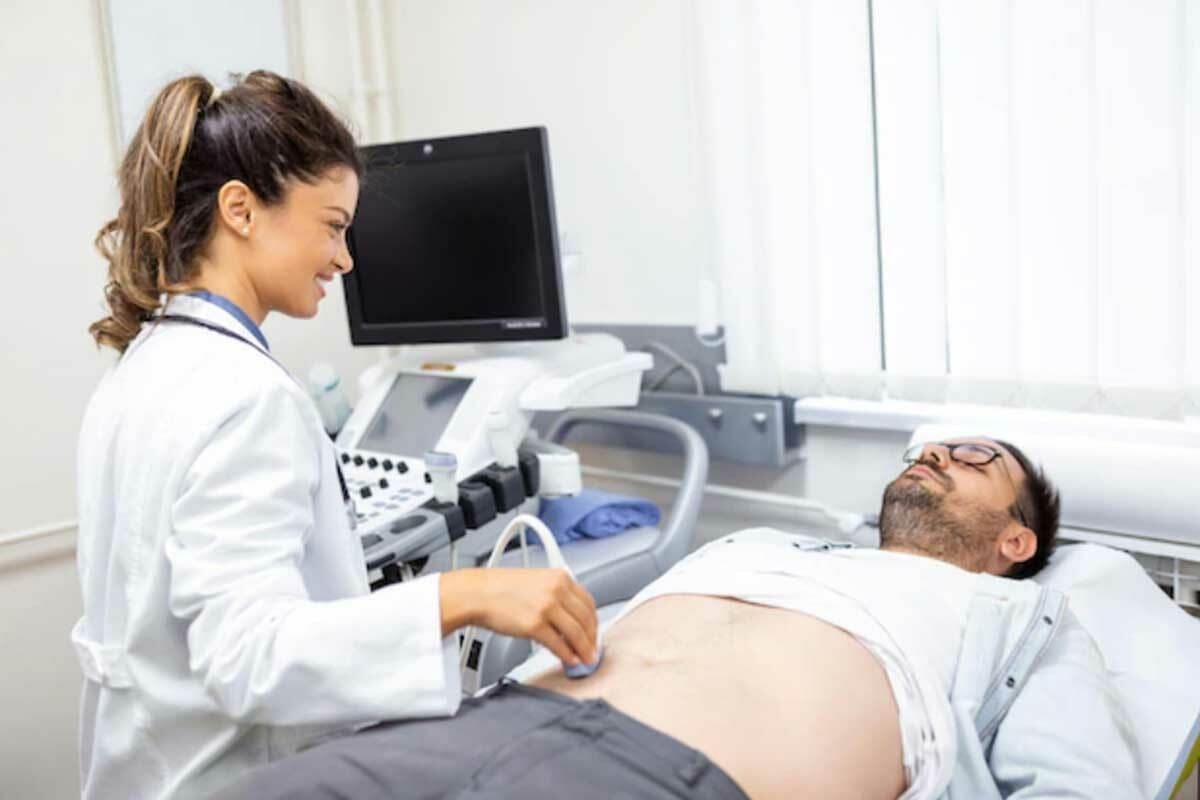
Symptoms of an inguinal hernia can vary but typically include a noticeable bulge in the groin, discomfort or pain in the groin area, and a feeling of heaviness or pressure. Diagnosis is usually made through a physical examination. A doctor checks for a bulge in the groin area and may ask the patient to cough or strain to make the hernia more pronounced.
The Relationship Between Physical Activity and Hernias

It’s important to know how exercise affects inguinal hernias. We’ll look at how movement impacts hernia tissue. We’ll also see how not moving can make hernias worse.
How Movement Affects Hernia Tissue
Exercise can be good or bad for hernia tissue. Walking and other light exercises can improve blood flow and muscle strength. This might make you feel better. But, doing too much heavy lifting or high-impact activities can make your hernia worse.
It’s best to do moderate exercise. This keeps your tissue healthy without too much strain on your hernia.
The Impact of Inactivity on Hernia Progression
Not moving much can weaken muscles and reduce blood flow. This can make hernia symptoms worse. Also, not being active can lead to weight gain, which puts more pressure on your abdominal wall.
Finding the right balance between activity and rest is key for managing hernias. Talking to a doctor can help you figure out the best exercise plan.
Walking with Inguinal Hernia: The Fundamentals
Walking is frequently recommended for individuals with inguinal hernias due to its low-impact nature and ability to promote circulation without exacerbating the condition. But why is this? We’ll look into the basics of walking with an inguinal hernia. We’ll see its benefits and how it stacks up against other exercises.
Why Walking Is Often Recommended
Walking is a low-impact activity. It helps improve circulation without straining the hernia too much. This makes it a good choice for staying active while managing the condition. Improved circulation can aid in healing and lower the risk of complications.
How Walking Differs from Other Exercises for Hernia Patients
Unlike high-impact activities or heavy lifting, walking is safe for people with inguinal hernias. It’s important to know how walking compares to other exercises. This helps make informed choices about physical activity.
Exercise Type | Impact on Hernia | Recommendation |
Walking | Low-impact, gentle on the hernia | Often recommended |
High-Impact Activities (e.g., running, jumping) | High strain, potentially worsens the hernia | Generally not recommended |
Heavy Lifting | Increases intra-abdominal pressure | Usually advised against |
Understanding the basics of walking with an inguinal hernia helps make informed decisions. This way, individuals can include walking in their management plan.
Potential Benefits of Walking for Inguinal Hernia Patients
Walking is a simple yet effective way for people with inguinal hernias to get healthier. It can help ease some symptoms. This low-impact exercise is easy for many patients to do.
Circulation and Healing Benefits
Walking boosts blood circulation, which is key for healing and keeping tissues healthy around the hernia. Better circulation cuts down on inflammation and helps fix damaged tissues. It also makes sure the affected area gets enough oxygen and nutrients, helping it heal.
Weight Management Advantages
Keeping a healthy weight is important for managing inguinal hernias. Extra weight can strain the abdominal wall. Walking helps burn calories and keep weight off, easing pressure on the hernia and reducing discomfort. It also builds muscle strength, supporting the abdominal wall.
Mental Health and Quality of Life Improvements
Walking is good for both body and mind. It releases endorphins, which can lower stress and anxiety. These feelings are common in people with health issues like inguinal hernias. Walking can make the mood better and reduce depression, improving life quality for hernia patients.
In conclusion, walking can bring many benefits to people with inguinal hernias. It improves circulation, helps with weight management, and boosts mental health. All these can enhance overall quality of life.
Possible Risks and Concerns When Walking with a Hernia
Walking with an inguinal hernia can be safe if you know the risks and take precautions. Walking is good for health, but those with hernias need to be careful. They should watch out for possible problems.
Warning Signs to Watch For
When walking with a hernia, pay attention to how your body feels. Look out for severe pain, increased discomfort, or if the hernia looks different. These are signs you need to see a doctor right away.
Also, watch for nausea, vomiting, or fever. These could mean the hernia is getting worse. If you notice these, stop walking and talk to your doctor.
When Walking May Worsen Your Condition
Some situations can make walking with a hernia worse. For example, uneven or rough terrain can hurt the hernia. Also, walking uphill or carrying heavy loads can put too much pressure on it.
Know your limits and avoid things that hurt or cause pain. This way, you can reduce the risks of walking with a hernia.
Walking Before Hernia Surgery: Guidelines and Precautions
Before your hernia surgery, it’s important to understand how walking impacts your recovery. Walking is often suggested for patients waiting for surgery. It helps keep you healthy and might speed up your recovery.
Recommended Walking Routines Pre-Surgery
Start with short, easy walks of 10-15 minutes on flat ground. Gradually increase the time and how often you walk. But, always listen to your body and don’t push too hard. Walking should be comfortable and not cause significant pain or discomfort.
Activities to Strictly Avoid
While walking is safe, some activities should be avoided before surgery. Stay away from heavy lifting, bending, or strenuous exercises that can strain the hernia. Avoiding these can prevent complications and make surgery smoother.
By following these guidelines and talking to your healthcare provider, you can make your pre-surgery routine better. This might also improve your recovery.
Post-Surgery Walking Recommendations
Walking is key after hernia surgery. It helps us heal smoothly and effectively.
Early Recovery Phase (1-2 Weeks)
Start with short, gentle walks early on. Begin with 5-10 minute walks, twice a day. This prevents blood clots and promotes healing.
Intermediate Recovery (2-6 Weeks)
As we get better, walks can get longer and more frequent. Aim for 20-30 minute walks, three to four times a week. This helps us regain strength and improve heart health.
Recovery Phase | Walking Duration | Frequency |
Early (1-2 weeks) | 5-10 minutes | Twice a day |
Intermediate (2-6 weeks) | 20-30 minutes | 3-4 times a week |
Long-term | 30-60 minutes | 5-7 times a week |
Long-Term Recovery Walking Programs
Long-term, aim for a consistent walking routine. Go for 30-60 minutes, five to seven times a week. This helps in full recovery and keeps you healthy.
Always listen to your body and adjust your walks if needed. If pain or discomfort occurs, stop and talk to your doctor.
Creating a Safe Walking Routine with an Inguinal Hernia
Living with an inguinal hernia means you need to walk carefully. Walking is good for your health, improving circulation and mood. But, you must walk safely to not make your hernia worse.
Starting Slow: Building Your Walking Program
Start with short walks of 10-15 minutes, 2-3 times a week. Slowly add more time and walks as you get stronger. Always listen to your body and don’t overdo it.
Optimal Duration and Intensity
Try to walk for 30-45 minutes at a steady pace. This is good for your heart without hurting your hernia. Stay away from hard walks or anything that hurts.
Best Walking Surfaces and Environments
Walk on flat, smooth places like parks or treadmills. Steer clear of bumpy or steep areas. Choose quiet, fresh-air spots for a better walk.
Walking Surface | Benefits | Precautions |
Parks or Trails | Scenic, varied terrain | Watch for uneven paths |
Treadmill | Controlled environment, flat surface | Ensure proper incline setting |
Urban Areas | Accessible, often well-lit | Be mindful of traffic and air quality |
Proper Walking Techniques for Hernia Management
Managing an inguinal hernia requires proper walking techniques. These methods help reduce discomfort and aid in managing the condition. Walking correctly can make a big difference.
Posture and Gait Considerations
Good posture is key while walking. Keep your head up, shoulders relaxed, and avoid slouching. Landing midfoot or forefoot when stepping helps reduce body impact.
Breathing Techniques While Walking
Effective breathing can improve your walk. Practice deep, rhythmic breathing. Inhale for a few steps and exhale for a few. This keeps your pace steady and helps you relax.
Pacing and Rest Intervals
Walking with an inguinal hernia needs pacing. Start slow and increase speed as you get more comfortable. Regular breaks help manage fatigue and discomfort.
Walking Technique | Benefit for Hernia Management |
Good Posture | Reduces strain on the hernia |
Proper Breathing | Enhances relaxation and reduces discomfort |
Paced Walking | Manages fatigue and prevents overexertion |
Essential Gear and Support for Walking with a Hernia
Having the right gear is key when you have an inguinal hernia and walk. The right equipment makes walking more comfortable and provides the support you need. This can help lower the chance of problems.
Proper Footwear Considerations
Choosing the right shoes is very important for those with inguinal hernias who walk. Supportive shoes with good arch support and cushioning help reduce strain. Look for shoes that fit well and absorb shock to protect your joints and hernia.
When picking out walking shoes, look for these features:
- Adequate arch support
- Cushioning in the midsole and forefoot
- A comfortable, roomy toe box
- Breathable materials to keep feet cool and dry
Hernia Support Belts and Trusses
Hernia support belts and trusses offer extra support to the hernia area. They help prevent further bulging and discomfort during activities like walking. These are great for those who feel strain or discomfort in the hernia area while walking.
Feature | Hernia Support Belts | Trusses |
Purpose | Provide support and compression | Apply pressure to keep hernia in place |
Comfort Level | Generally more comfortable for long-term wear | Can be more rigid, may cause discomfort |
Ease of Use | Easy to put on and take off | May require more effort to adjust properly |
Clothing Recommendations
The clothes you wear while walking with an inguinal hernia matter a lot. Wear comfortable, breathable clothing that lets you move freely without squeezing the hernia area. Tight clothes can cause irritation and discomfort.
For the best comfort, look for clothes with these qualities:
- Moisture-wicking fabrics to keep you dry
- A relaxed fit around the waist and hernia area
- Soft, non-irritating materials
Managing Pain While Walking with an Inguinal Hernia
Managing pain is key for those with inguinal hernias who walk. Walking is good for them, but they must handle pain well. This avoids discomfort and complications.
Normal vs. Concerning Pain Levels
It’s important to know the difference between normal and concerning pain. Mild pain is okay when you start walking. But sharp or severe pain means something’s wrong.
Keep an eye on your pain. Severe, persistent, or getting worse pain needs a doctor’s check. They can figure out the cause and suggest changes to your walking or treatment.
Pain Management Strategies
There are ways to manage pain while walking with an inguinal hernia. Wearing a supportive truss or hernia belt can help. It adds support to the affected area.
Changing your walking style can also help. Try shorter strides, avoid bumpy paths, and take breaks. Also, staying at a healthy weight can ease the strain on the hernia and reduce pain.
Your doctor might suggest over-the-counter pain relievers. But always follow their advice to avoid side effects.
When to Stop Your Walk
Knowing when to stop walking is important to avoid injury or complications. If pain suddenly gets worse, the hernia looks more noticeable, or you feel sharp pain, stop and rest.
In summary, managing pain while walking with an inguinal hernia involves understanding pain levels, using effective strategies, and knowing when to stop. By being aware of these, people with inguinal hernias can enjoy walking while keeping discomfort low.
Complementary Exercises Safe for Inguinal Hernia Patients
Walking is often recommended for those with inguinal hernias. But, other exercises can also be safe and helpful. These can improve health, strengthen the body, and help manage the hernia. It’s key to pick exercises that don’t strain the hernia too much.
Gentle Core Strengthening Options
Gentle core exercises are good for hernia patients. They make the core stronger without hurting the hernia. Here are some examples:
- Pelvic tilts: Lie on your back with knees bent and feet flat. Tilt your pelvis up and then back down, repeating.
- Gentle planks: Hold a plank for a few seconds, rest, and repeat. Keep your back straight and engage your core.
Upper Body Exercises to Maintain Fitness
Upper body exercises are safe for hernia patients. They don’t strain the hernia area. Here are some:
- Seated arm raises: Sit comfortably and raise your arms to shoulder level.
- Light dumbbell exercises: Use light weights for bicep curls, shoulder presses, and more.
Stretching Routines for Hernia Patients
Stretching can make you more flexible and less uncomfortable. Choose stretches that don’t press on the hernia. Here are some:
- Gentle hamstring stretches: Sit on the floor with legs straight out. Lean forward slightly to stretch your hamstrings.
- Hip flexor stretches: Kneel on one knee with the other foot in front. Lean forward gently to stretch your hip.
Exercise Type | Examples | Benefits |
Gentle Core Strengthening | Pelvic tilts, Gentle planks | Improves core stability |
Upper Body Exercises | Seated arm raises, Light dumbbell exercises | Maintains upper body fitness |
Stretching Routines | Gentle hamstring stretches, Hip flexor stretches | Improves flexibility, reduces discomfort |
Exercises and Movements to Avoid with an Inguinal Hernia
Knowing which exercises to avoid is key for those with an inguinal hernia. Some movements can make the problem worse by adding extra stress to the area.
High-Impact Activities
High-impact exercises like running or jumping can really strain the abdominal wall. This can make an inguinal hernia worse. It’s best to avoid activities with sudden, forceful movements.
Heavy Lifting Concerns
Lifting heavy things can also strain the groin area. It’s wise to avoid heavy lifting or use proper techniques to lessen the risk of injury.
Problematic Core Exercises
Some core exercises, like certain crunches or leg raises, can be bad for inguinal hernias. They can press directly on the hernia, causing pain or more problems.
Activity | Risk Level | Recommendation |
Running | High | Avoid or modify to low-impact alternatives |
Heavy Lifting | High | Use proper lifting techniques or avoid |
Certain Core Exercises | Moderate to High | Modify or avoid based on individual comfort |
By being careful about these activities, people with inguinal hernias can manage their condition better. This helps reduce the chance of more problems.
When to Seek Medical Help: Warning Signs During Exercise
Exercising with an inguinal hernia requires knowing warning signs for medical help. Exercise is good for health, but some symptoms mean you need to stop and see a doctor.
Emergency Symptoms That Require Immediate Attention
Some symptoms are serious and need immediate care. Look out for severe pain, nausea, vomiting, fever, or a bulge that doesn’t go away when you lie down. If you see these signs, stop exercising and get help fast.
Non-Emergency Concerns to Discuss with Your Doctor
Even mild symptoms should be talked about with your doctor. This includes ongoing discomfort, swelling, or redness around the hernia. Your doctor can help you manage these and suggest changes to your workout.
Tracking and Reporting Symptoms
Writing down your symptoms and what you’ve been doing can help your doctor. Note the exercise type, how long you did it, and any symptoms. This info helps your doctor give you better advice.
Knowing the warning signs and acting quickly can help you exercise safely. This way, you can keep enjoying the benefits of exercise while taking care of your hernia.
Medical Perspectives: What Doctors Say About Walking with Inguinal Hernias
Doctors have different opinions on walking with inguinal hernias. This shows how complex this condition is. They say walking is good in some cases but not always.
Current Medical Consensus
Walking can help with inguinal hernias in some cases. Many doctors think it’s a low-impact exercise that keeps you healthy without harming the hernia. But, it depends on the patient’s health and the hernia’s size and type.
When Doctors Recommend Walking
Doctors suggest walking for patients with small, painless hernias or those waiting for surgery. They see it as a way to boost circulation, keep a healthy weight, and improve overall health. It’s a gentle exercise that can be adjusted to fit the patient’s comfort.
When Doctors Advise Against Walking
On the other hand, doctors might tell patients with big hernias or severe symptoms to avoid walking. They worry that walking could make the hernia worse, like causing it to get stuck or cut off blood flow. In these cases, the risks of walking are too high.
In summary, walking with an inguinal hernia should be discussed with a doctor. They will consider your specific situation and health.
Conclusion: Balancing Activity and Caution with Inguinal Hernias
Walking with inguinal hernias requires a careful balance. We’ve learned how important it is to understand these hernias and their impact on physical activity. Walking can be good, but it also carries risks.
By walking wisely and exercising carefully, people with hernias can stay healthy. It’s key to talk to doctors to make a plan that fits each person’s needs.
We at our organization are dedicated to helping patients worldwide. We provide detailed advice on managing hernias. Our goal is to help people make smart choices about their health.
FAQ
Can walking cure an inguinal hernia?
Walking can’t cure an inguinal hernia. But, it can help manage symptoms and slow the condition’s progress. Usually, surgery is needed to fix the hernia.
Is walking safe with an inguinal hernia?
Walking is usually safe for people with inguinal hernias. But, it’s important to follow certain guidelines to avoid making the condition worse. Always talk to a healthcare provider before starting or continuing to walk.
How often should I walk with an inguinal hernia?
How often you should walk with an inguinal hernia varies. Start with short, gentle walks. Then, slowly increase the walk’s length and frequency as you can. Always listen to your body and rest when needed.
Can walking before surgery improve my recovery?
Walking before surgery might help your recovery. It can improve blood flow, keep muscles strong, and lower the risk of complications. But, always follow your healthcare provider’s specific pre-surgery instructions.
What are the warning signs to watch for while walking with a hernia?
Watch for severe pain, swelling, nausea, vomiting, or fever. If you notice any of these, stop walking and see a doctor if the symptoms don’t get better or get worse.
Are there specific walking techniques for managing inguinal hernias?
Yes, there are. Keep a good posture, avoid heavy strides or bouncing, and wear supportive shoes. Breathe naturally and pace yourself to manage discomfort.
Can I wear a hernia support belt while walking?
Yes, you can wear a hernia support belt or truss while walking. It might offer extra support and comfort. But, it’s best to check with your healthcare provider to find the right support for you.
How can I manage pain while walking with an inguinal hernia?
Start slowly, wear comfy clothes and supportive shoes, and follow your healthcare provider’s pain management advice. If pain gets worse, stop and rest.
Are there other exercises I can do beside walking?
Yes, you can try gentle core exercises, upper body workouts, and stretching. Avoid high-impact activities, heavy lifting, and some core exercises that might make the hernia worse. Talk to a healthcare provider or physical therapist for advice tailored to you.
When should I seek medical help while exercising with an inguinal hernia?
Get medical help right away if you have severe pain, trouble controlling the hernia, signs of incarceration or strangulation (like nausea, vomiting, or fever), or if you’re worried about your symptoms or health.
References
BMJ (British Medical Journal). Evidence-Based Medical Insight. Retrieved from https://www.bmj.com/content/366/bmj.l5097