Last Updated on November 4, 2025 by mcelik
Knee tendonitis is a common problem for athletes and non-athletes. It causes pain and discomfort that can affect daily life. A torn patellar tendon, a severe form of knee tendonitis, can sideline athletes for extended periods, as seen in cases like Nakobe Dean’s injury. This shows how important it is to have good recovery strategies.
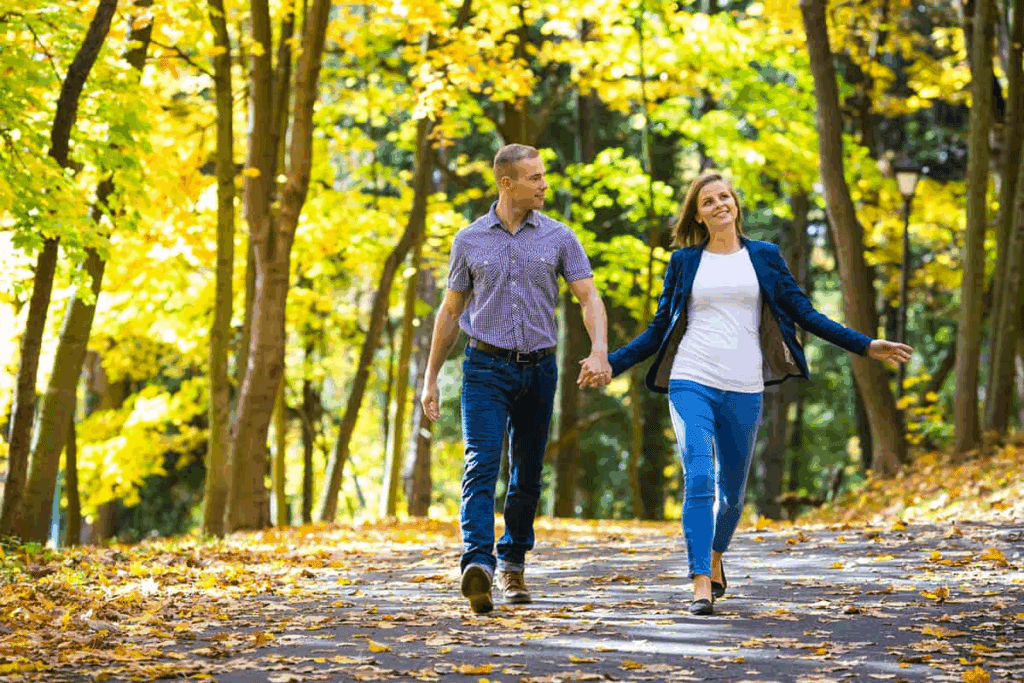
Walking is seen as a low-impact exercise that might help in recovery. But is it good for managing knee tendonitis? The answer depends on how walking affects knee tendons and fits into a recovery plan that includes knee tendonitis recovery exercises.
Key Takeaways
- Understanding the impact of knee tendonitis on mobility and daily activities.
- The possible role of walking in managing knee tendonitis.
- Importance of including knee tendonitis recovery exercises in a rehab plan.
- Benefits of low-impact exercises for tendonitis recovery.
- Need for a complete approach to managing knee tendonitis.
Understanding Knee Tendonitis
The knee is one of the most used parts of our body. It’s prone to tendonitis, a condition that can really hurt our mobility. Knee tendonitis is when the tendons around the knee get inflamed. Tendons are strong cords that connect muscles to bones, and when they get inflamed, it can be very painful.
What is Knee Tendonitis?
Knee tendonitis is when the tendons around the knee get irritated or inflamed. It can happen to anyone, from athletes to people with jobs that make them move their knees a lot. The patellar and quadriceps tendons are the most commonly affected.
Common types of knee tendonitis include:
- Patellar tendonitis (also known as jumper’s knee)
- Quadriceps tendonitis
- Pes anserine tendonitis (affecting the tendons on the inner aspect of the knee)
Common Causes of Knee Tendonitis
Knee tendonitis often comes from overusing the knee, repetitive strain, or direct injury. Activities like jumping, quick changes in direction, or bending the knee a lot can cause it. Wearing the wrong shoes can also lead to foot problems that affect the knee.
Other contributing factors include:
- Poor training techniques or sudden increase in exercise intensity
- Muscle imbalances or weaknesses around the knee
- Biomechanical issues such as overpronation or supination
Symptoms and Diagnosis
Symptoms of knee tendonitis include pain, swelling, and tenderness around the tendon. The pain might get worse when you bend your knee or jump. Doctors usually do a physical exam, review your medical history, and might use X-rays or MRI scans to confirm the diagnosis.
Key symptoms to watch for:
- Pain or tenderness below the kneecap (for patellar tendonitis)
- Pain when jumping, landing, or climbing stairs
- Swelling or redness around the knee
Knowing about knee tendonitis is key to getting the right treatment. By understanding the causes, symptoms, and how to get diagnosed, you can start your recovery. You can try knee tendonitis stretches and other treatments to help with the pain.
The Science Behind Walking with Knee Tendonitis
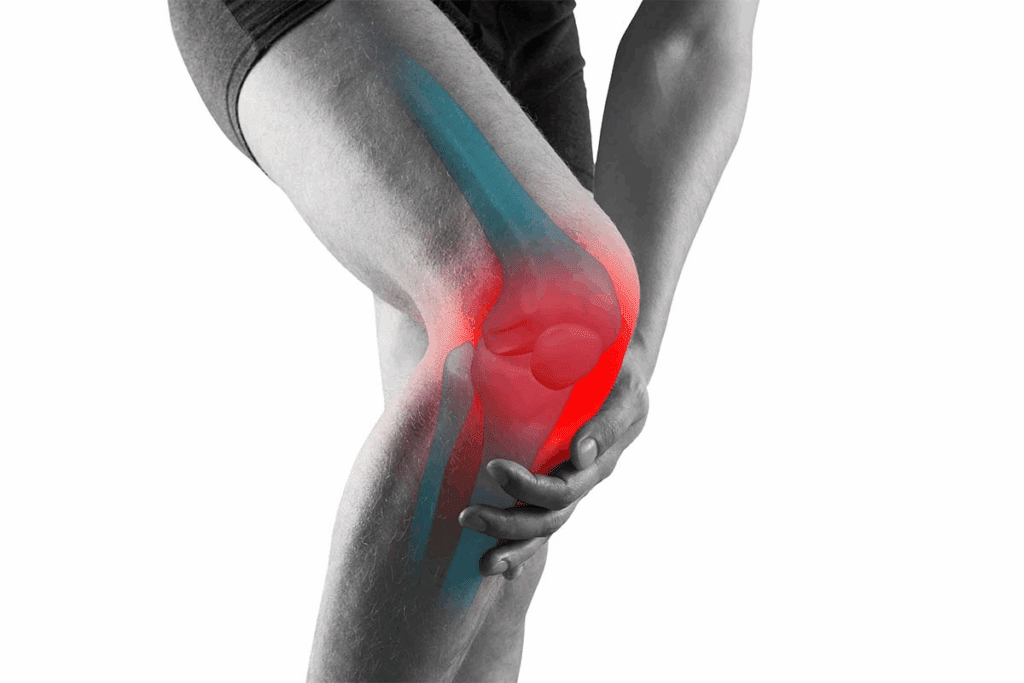
Walking and knee tendonitis are linked by many factors. To grasp how walking impacts knee tendonitis, we must explore the underlying science.
How Walking Affects Knee Tendons
Walking can be good or bad for knee tendons. It can boost blood flow and help tendons heal. But, it can also cause more harm if not done right.
Key effects of walking on knee tendons include:
- Increased blood circulation, which aids in the delivery of nutrients and oxygen to the tendons.
- Mechanical stress that can stimulate tendon repair and strengthening.
- Potential for overuse, leading to further irritation and inflammation.
Research on Low-Impact Exercise for Tendonitis
Many studies have looked into low-impact exercises like walking for tendonitis. They show that such activities can help tendons without causing too much stress.
Key findings from research include:
- A study in the Journal of Orthopaedic & Sports Physical Therapy found walking and low-impact exercises helped patients with patellar tendonitis.
- Research in the American Journal of Sports Medicine showed low-impact exercise reduced pain and improved function in those with knee tendonitis.
Overall, walking is seen as a good therapy for knee tendonitis. It’s best when done carefully, considering the person’s pain and health.
Benefits of Walking for Knee Tendonitis Recovery
Walking is great for knee tendonitis recovery. It’s a low-impact exercise that fits all fitness levels. This makes it perfect for those recovering from knee tendonitis.
Improved Blood Circulation
Walking boosts blood circulation to the knees. This helps bring oxygen and nutrients to the tendons. Experts say, “Walking increases blood flow, helping tendons heal faster.”
Maintained Joint Mobility
Walking keeps the knee mobile. This is key to avoiding stiffness and keeping the knee working right. It keeps the muscles and joint flexible, lowering injury risk.
Strengthening Supporting Muscles
Walking works many muscles around the knee. This strengthens the supporting muscles. Stronger muscles help stabilize the knee and ease tendon stress.
Psychological Benefits of Staying Active
Walking is good for the mind too. It helps keep mood up and stress down. This is important for healing and feeling better.
In summary, walking is full of benefits for knee tendonitis recovery. It improves circulation, keeps joints moving, strengthens muscles, and boosts mood. Adding walking to a recovery plan is a smart move.
Potential Risks of Walking with Knee Tendonitis
Walking can be both good and bad for people with knee tendonitis. It’s often seen as a low-impact exercise. But, there are times when walking might make the condition worse.
When Walking May Worsen Symptoms
Walking can sometimes make knee tendonitis symptoms worse. This happens if you walk too much or too hard. It can also happen if you don’t walk right.
- Increasing walking distance or intensity too quickly
- Walking on uneven or sloping surfaces that strain the knee
- Not wearing appropriate footwear or using orthotics when needed
Signs You Should Stop Walking
Knowing when to stop walking is important. Look out for these signs:
- Sharp or severe pain in the knee or surrounding area
- Swelling or redness that develops during or after walking
- A feeling of instability or weakness in the knee
Balancing Activity and Rest
It’s important to balance walking with rest. Walking can help, but so does taking breaks.
| Activity | Benefits | Rest Considerations |
| Walking | Improves circulation, maintains joint mobility | Avoid overexertion, listen to pain signals |
| Rest | Allows tendon repair, reduces inflammation | Balance with activity to avoid stiffness |
Understanding the risks and taking steps to avoid them can help. This way, people with knee tendonitis can safely walk as part of their recovery.
Walking with Knee Tendonitis: Best Practices
Walking with knee tendonitis needs careful thought about how you walk, how long, and how often. By following the best practices, you can manage your condition well and recover.
Proper Walking Technique
Keeping a proper walking technique is key when you have knee tendonitis. Stand up straight, use your core, and land on your midfoot or forefoot. Don’t overstride, as it stresses your knee tendons too much.
“Good walking technique is not just about avoiding injury; it’s also about maximizing the therapeutic benefits for your knee tendons,” says a sports medicine specialist. “By being mindful of how you walk, you can reduce the strain on your knees and promote healing.”
Optimal Walking Duration
Finding the optimal walking duration is important for recovery. Start with short walks (20-30 minutes) and slowly increase as you feel better. Always listen to your body and don’t ignore pain.
- Begin with manageable walking sessions
- Gradually increase duration based on comfort and symptoms
- Monitor pain levels and adjust your walking plan according
Frequency Recommendations
The frequency of walking is also vital. Try to walk 3-4 times a week, with rest days in between. This balance helps in recovery without overloading your tendons.
“Consistency is key when it comes to walking for knee tendonitis recovery. Finding a balance between activity and rest is critical for healing,” notes a leading orthopedic specialist.
By following these best practices, you can manage knee tendonitis well and recover fully. Always talk to a healthcare professional before starting any new exercise program.
Managing Pain While Walking with Knee Tendonitis
To manage knee tendonitis pain while walking, it’s important to know and use different strategies. These strategies help before, during, and after walking. They can make walking more comfortable and help with recovery.
Pre-Walking Pain Management Strategies
Before you start walking, there are steps you can take to lessen knee tendonitis pain:
- Warm-Up Exercises: Do some light stretching and mobilization to get your knee and muscles ready.
- Medication: Take anti-inflammatory medicine as your doctor suggests to cut down on pain and swelling.
- Knee Support: Wear knee sleeves or braces for extra support and stability.
Dealing with Pain During Walks
If you feel pain while walking, it’s key to have ways to handle it:
- Adjust Your Pace: Walk slower to put less pressure on your knee tendons.
- Modify Your Route: Choose paths that are smoother and less steep to avoid extra strain.
- Use Walking Aids: If needed, use trekking poles to help take some of the load off your knees.
Post-Walking Recovery Techniques
After walking, using recovery techniques can help ease pain and aid in healing:
- Ice Therapy: Apply ice to the sore area to lessen inflammation and pain.
- Compression and Elevation: Use compression bandages and keep your leg up to reduce swelling.
- Gentle Stretching: Do some gentle stretches to keep your muscles flexible and reduce soreness.
By adding these strategies to your walking routine, you can manage knee tendonitis pain better. This helps support your recovery.
Essential Stretches Before Walking with Knee Tendonitis
To walk safely with knee tendonitis, it’s key to add specific stretches to your routine. Stretching before walking can lower the chance of making the condition worse. It also boosts your mobility.
Quadriceps Stretches
The quadriceps muscles are vital for knee stability. Stretching them can ease tension on the knee tendons.
- Stand with one hand against a wall for balance.
- Bend one knee, bringing your heel towards your buttocks.
- Grasp your ankle with your hand and gently pull your heel towards your buttocks until you feel a stretch.
- Hold for 15-30 seconds and switch legs.
Hamstring Stretches
Hamstring tightness can lead to knee strain. Stretching these muscles can lessen the load on the knee tendons.
- Lie on your back with one leg bent and the other straight.
- Lift the straight leg towards the ceiling, keeping it straight.
- Hold for 15-30 seconds and then lower it back down.
- Repeat with the other leg.
Calf and Ankle Mobility Exercises
Calf and ankle flexibility are key in how walking impacts the knee. Boosting mobility in these areas can help.
- Stand facing a wall with one hand on the wall for balance.
- Step back with one foot, keeping your heel on the ground.
- Bend the front knee, leaning towards the wall until you feel a stretch in the back calf.
- Hold for 15-30 seconds and switch legs.
Dynamic Warm-Up Routine
A dynamic warm-up gets your muscles and tendons ready for walking. It might lower injury risk.
| Exercise | Description | Duration |
| Leg Swings | Swing one leg forward and backward, then switch. | 30 seconds per leg |
| Hip Circles | Stand on one leg and draw circles with the other. | 30 seconds per leg |
| Knee Lifts | Stand with your feet shoulder-width apart and lift one knee towards your chest. | 30 seconds per leg |
Adding these stretches and dynamic warm-ups to your walking routine can prepare your knee and muscles. This might reduce discomfort and enhance your walking experience.
Strengthening Exercises to Support Walking with Knee Tendonitis
Managing knee tendonitis can be helped by specific exercises. These exercises strengthen the muscles around the knee. This support reduces strain on the tendons.
Quadriceps Strengthening
The quadriceps muscles are key for knee stability. Strengthening them can ease stress on the knee tendons. Good exercises include:
- Straight leg raises: Lift your leg straight out in front of you, keeping it straight.
- Quad sets: Tighten the quadriceps muscles by pushing the back of your knee into the floor.
- Leg press: Use a leg press machine to strengthen the quadriceps without putting excessive strain on the knee.
Hamstring Exercises
Hamstring strength is as important as quadriceps. It supports the knee. Good exercises are:
- Hamstring curls: Curl your legs up towards your glutes, either standing or seated.
- Deadlifts: Perform deadlifts with proper form to engage the hamstrings.
- Glute bridges: While mainly a glute exercise, it also works the hamstrings.
Hip and Glute Activation
Strong hip and glute muscles help keep the knee aligned right. This reduces strain on the tendons. Good exercises are:
- Clamshell exercise: Lie on your side and lift your top knee, keeping your feet together.
- Side-lying leg lifts: Lift your top leg while lying on your side.
- Glute bridges: This exercise is good for both glutes and hamstrings.
Core Stability Work
A strong core helps with overall stability. It reduces strain on the lower body, including the knees. Good exercises are:
- Planks: Hold a plank position to engage your core muscles.
- Russian twists: Twist your torso while seated on the floor with your knees bent.
- Bird dog: Extend your opposite arm and leg while on your hands and knees.
“A well-rounded exercise program that includes strengthening of the muscles around the knee can significantly improve symptoms of knee tendonitis,” says an orthopedic specialist. “It’s not just about reducing pain but also about improving function and preventing future injuries.”
Choosing the Right Footwear for Knee Tendonitis
Choosing the right shoes is key for knee support while walking with tendonitis. The right shoes can help ease pain and aid in recovery.
Key Features to Look For
When picking shoes for knee tendonitis, look for these features:
- Adequate arch support to reduce knee strain
- Cushioning to absorb shock and reduce impact
- Stable heel counter to prevent excessive movement
- Breathable materials to keep feet cool and dry
Recommended Shoe Types
Some shoes are better for knee tendonitis. These include:
| Shoe Type | Benefits |
| Walking shoes | Designed for forward motion, providing support and cushioning |
| Running shoes with good support | Offer enhanced cushioning and stability |
| Orthotic shoes | Can be customized for individual foot shapes and needs |
When to Consider Custom Orthotics
Custom orthotics might be needed for severe knee tendonitis or extra support. They’re made for your foot shape, providing extra comfort and stability.
Replacing Worn Shoes
It’s important to replace shoes often to keep support and cushioning. Worn-out shoes can make knee tendonitis worse.
By picking the right shoes and keeping them in good condition, people with knee tendonitis can manage their condition better. This improves comfort while walking.
Supportive Devices for Walking with Knee Pain
Supportive devices are key for managing knee pain when walking with tendonitis. They help stabilize the knee, lessen pain, and enhance walking mechanics.
Knee Braces and Sleeves
Knee braces and sleeves are top choices for knee tendonitis. They offer compression and support, easing pain and stabilizing the knee.
- Prophylactic Braces: Designed to prevent injuries, often used by athletes.
- Functional Braces: Support knees that have been injured or surgically repaired.
- Rehabilitative Braces: Used post-surgery or after an injury to immobilize the knee and aid healing.
A study in the Journal of Orthopaedic & Sports Physical Therapy showed knee braces can cut down pain and boost function in those with knee osteoarthritis, a common condition with tendonitis.
| Type of Brace | Purpose | Benefit for Tendonitis |
| Prophylactic | Prevent injuries | Reduces risk of further injury |
| Functional | Support injured knees | Provides stability and pain relief |
| Rehabilitative | Immobilize for healing | Aids in recovery post-injury or surgery |
Kinesiology Tape Applications
Kinesiology tape is a supportive tool for knee pain. It’s applied to the skin to offer support without limiting movement.
“Kinesiology tape can help reduce pain and inflammation by improving blood flow and reducing pressure on pain receptors.” –
An Orthopedic Specialist
The tape is worn for days, providing ongoing support. It’s great for those who feel pain during activities like walking.
Walking Aids When Necessary
For some, walking aids like canes or walkers are needed, mainly during severe pain or after an injury.
- Canes: Offer extra support and help distribute weight away from the affected knee.
- Walkers: Provide more stability and are often used post-surgery or during rehab.
Using a walking aid can greatly lessen knee stress, helping it heal and reducing pain.
Creating a Progressive Walking Program for Tendonitis Recovery
To manage knee tendonitis well, a progressive walking program is key. It’s about making your walks better for recovery and safer from injury.
Starting Duration and Frequency
Start with walks that feel easy. Begin with 10-15 minutes at a slow pace, 2-3 times a week. This lets your tendons get used to walking without too much stress.
Gradual Progression Guidelines
When you get better, you can walk more. Add 5 minutes to your walks each week, or as you can. Listen to your body; if it hurts, slow down.
Monitoring Pain and Adjusting Accordingly
Watch your pain levels while and after walking. If pain goes up, it’s time to change your plan. You might walk less or rest more.
Sample 8-Week Walking Plan
Here’s a walking plan for 8 weeks:
- Week 1-2: 10-minute walks, 3 times a week
- Week 3-4: 15-minute walks, 3 times a week
- Week 5-6: 20-minute walks, 4 times a week
- Week 7-8: 25-minute walks, 4 times a week
This plan shows a gradual progression in walking. It helps you recover safely from knee tendonitis.
Walking Surfaces and Environments for Knee Tendonitis
The right walking surface and environment can greatly help with knee tendonitis symptoms. It’s important to think about the terrain and surroundings when walking to help your knees. This way, you can enjoy walking more and avoid any harm.
Best Walking Surfaces
Choosing the right walking surface is key for those with knee tendonitis. Softer surfaces are kinder to the knees and can help reduce pain.
- Grass or turf: These are softer and better for your knees than hard pavement.
- Dirt paths: They offer a smooth and soft surface, great for walking.
- Trail walking: Trails have different surfaces like dirt and grass. They’re perfect for changing up your walk.
Terrain Considerations
The terrain you walk on affects your knee tendonitis. Uneven or sloping terrains can stress your knee joint more.
- Choose flat terrains to reduce knee stress.
- Avoid hilly or uneven terrains to prevent making knee tendonitis worse.
- Watch out for obstacles like rocks or roots that can cause sudden twists or impacts.
Weather Factors
Weather can also impact how walking affects knee tendonitis. Extreme temperatures and wet conditions can affect your comfort and safety.
- Cold weather: Cold stiffens muscles and tendons, making knee tendonitis symptoms worse.
- Hot weather: While warmth helps with stiffness, extreme heat can cause dehydration and discomfort.
- Wet conditions: Wet or slippery surfaces increase the risk of falls and injuries.
Indoor vs. Outdoor Walking Options
Both indoor and outdoor walking have their own benefits and drawbacks for knee tendonitis.
| Walking Environment | Advantages | Disadvantages |
| Indoor Walking | Controlled climate, smooth surfaces | Limited scenery, repetitive routes |
| Outdoor Walking | Varied scenery, softer surfaces | Weather exposure, uneven terrains |
The best walking surface and environment for knee tendonitis depends on personal preferences and how severe the condition is. Mixing indoor and outdoor walking keeps the routine interesting and prevents overuse on any single surface.
Walking vs. Other Exercises for Knee Tendonitis
Walking is often suggested for knee tendonitis. But how does it stack up against other exercises? Knowing the effects of different activities is key to healing.
Walking vs. Running
Running is tough on the knees and can make tendonitis worse. It puts more stress on the tendons than walking. So, walking is safer for those with knee tendonitis.
| Activity | Impact Level | Suitability for Knee Tendonitis |
| Walking | Low | Highly Suitable |
| Running | High | Not Recommended |
Walking vs. Swimming
Swimming is also low-impact and good for knee tendonitis. It works out the body without too much stress on the knees. Both walking and swimming are great, but swimming might be better because water reduces joint stress.
Walking vs. Cycling
Cycling is easier on the knees than running. But, it can be uncomfortable if the bike doesn’t fit right. Walking strengthens bones, while cycling is gentler on the joints.
Combining Multiple Low-Impact Activities
Mixing walking with swimming or cycling makes for a good workout. This mix prevents boredom and keeps the knee joint from getting too much stress. A balanced routine is better for managing knee tendonitis.
| Exercise Routine | Benefits |
| Walking + Swimming | Improves cardiovascular health, strengthens muscles without high impact |
| Walking + Cycling | Enhances leg strength, improves cardiovascular fitness |
| Walking + Swimming + Cycling | Provides a complete workout, lowers injury risk |
Conclusion: Integrating Walking into Your Knee Tendonitis Recovery Plan
Walking can be a great part of your knee tendonitis recovery plan. It helps improve blood flow, keeps joints moving, and strengthens muscles. Walking done right can help manage knee tendonitis and improve knee health.
To make walking work for your recovery, start slow. Use the right walking technique, walk for the right amount of time, and walk often enough. Adding exercises like stretching your quadriceps and hamstrings can also help.
Knowing the good and bad of walking with knee tendonitis is key. You can make a plan that fits you. This might mean using knee braces, choosing the right shoes, and picking safe places to walk.
A good walking plan is important for knee tendonitis management and long-term knee health. By adding walking to your recovery plan, you can actively work on getting better and staying healthy.
FAQ
Is walking a recommended exercise for knee tendonitis recovery?
Yes, walking is a good choice for knee tendonitis recovery. It helps improve blood flow and keeps joints moving. It also strengthens the muscles around the knee.
How does walking affect knee tendons?
Walking helps the knee tendons by improving blood flow and applying gentle stress. This can aid in healing and strengthen the tendons.
What are the benefits of walking for knee tendonitis?
Walking helps with knee tendonitis by improving blood flow and keeping joints mobile. It also strengthens muscles and offers mental benefits from staying active.
Can walking worsen knee tendonitis symptoms?
Yes, walking can make knee tendonitis symptoms worse if done too much or incorrectly. It’s important to balance walking with rest and watch for pain.
What is the proper walking technique for knee tendonitis?
To walk right with knee tendonitis, keep good posture and land on your midfoot or forefoot. Avoid overstriding to reduce stress on the tendons.
How often should I walk with knee tendonitis?
How often to walk with knee tendonitis depends on how you feel and your pain level. Start with short walks and gradually increase the time and frequency.
What stretches should I do before walking with knee tendonitis?
Before walking, do stretches for your quadriceps, hamstrings, calf, and ankles. Also, do a dynamic warm-up to get your muscles and tendons ready.
Can strengthening exercises help with knee tendonitis?
Yes, exercises that strengthen your quadriceps, hamstrings, hip, and glutes can help with knee tendonitis. They support the knee and can reduce symptoms.
What type of footwear is best for walking with knee tendonitis?
For walking with knee tendonitis, choose shoes with good arch support, cushioning, and a comfortable fit. Consider custom orthotics if needed.
Are there any supportive devices that can help with knee tendonitis while walking?
Yes, devices like knee braces, kinesiology tape, and walking aids can offer extra support and stability for the knee while walking.
How can I manage pain while walking with knee tendonitis?
To manage pain while walking with knee tendonitis, use pre-walking pain management, handle pain during walks, and use recovery techniques after walking.
Can I walk on any surface with knee tendonitis?
For knee tendonitis, walk on flat, even surfaces. Avoid hard or uneven surfaces that can make symptoms worse.
How does walking compare to other exercises for knee tendonitis?
Walking is a low-impact exercise good for knee tendonitis. Other low-impact activities like swimming and cycling are also helpful. Mixing different activities can prevent plateaus.
What is a progressive walking program for tendonitis recovery?
A progressive walking program increases walking duration, frequency, and intensity over time. Always watch your pain levels and adjust as needed.
How long should I walk for knee tendonitis recovery?
Walking time for knee tendonitis recovery varies based on progress and pain. A structured 8-week walking plan can guide you.
Is it better to rest or walk with knee tendonitis?
Rest and activity balance is key for knee tendonitis recovery. Resting allows tendons to heal, while gentle walking promotes recovery and keeps joints mobile.
Reference
- National Library of Medicine MedlinePlus: