Last Updated on November 4, 2025 by mcelik
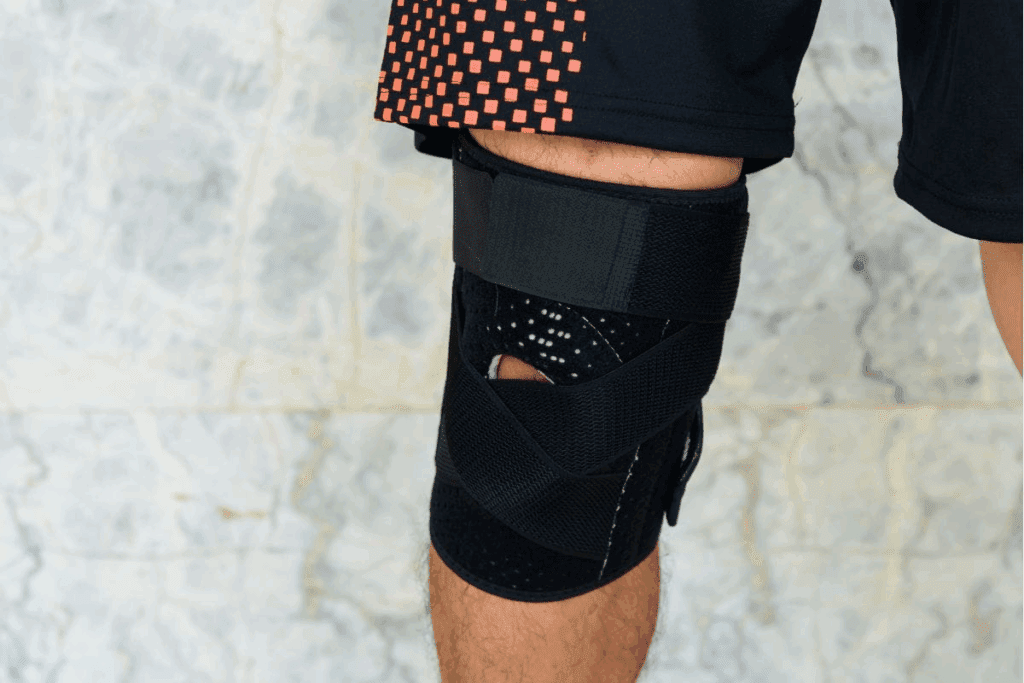
Knee pain is a big problem worldwide, making daily life and sports hard. A patella strap can help a lot. It lessens the stress on the tendon between the patella and tibia.Is it Safe? The Critical truth about whether you should wear patella strap all day is Finally Revealed here.
Knee pain can really hurt, and finding the right support is key. A patella strap is made to ease pain from activities that stress the knee.
Using a patella strap can really help. It lets people enjoy their favorite activities without as much pain. But, should you wear it all day?
Key Takeaways
- A patella strap can provide significant relief for knee pain.
- It’s designed to reduce strain on the patellar tendon.
- Wearing a patella strap can enhance daily activity participation.
- Proper usage is key for the best results.
- It’s wise to talk to a healthcare professional.
Understanding Patella Straps and Their Purpose
Patella straps are designed to help with knee pain. They support the patellofemoral joint. This is key for those with knee issues.
What Is a Patella Strap?
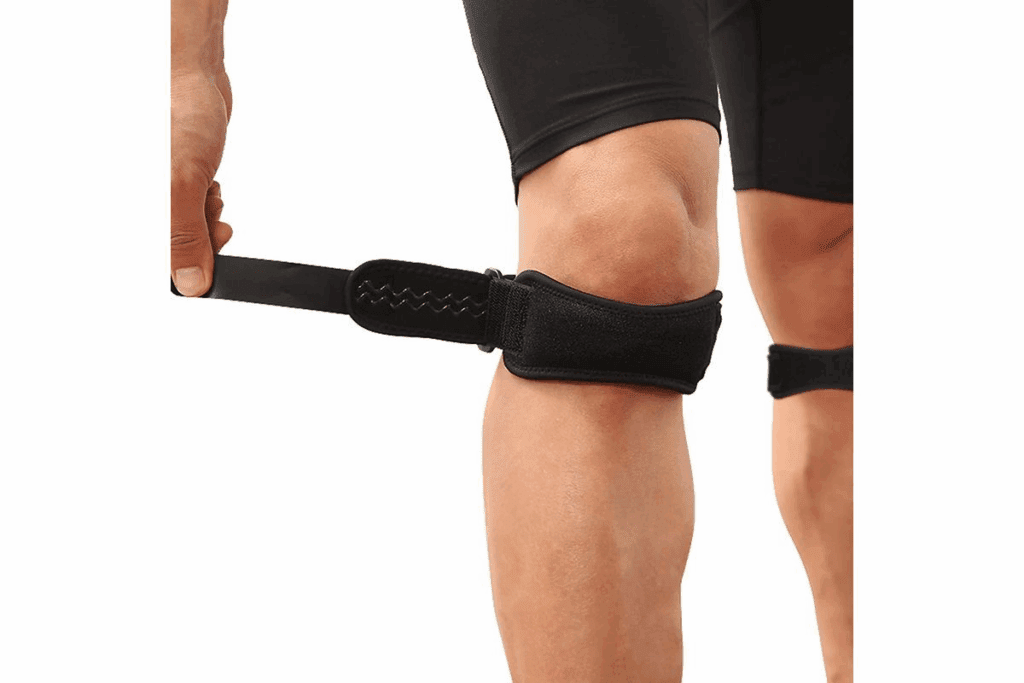
A patella strap, or patellar tendon strap, is worn around the knee. It applies pressure on the patellar tendon. This helps align the tendon with the kneecap, reducing strain and providing stability.
Patella straps are made of elastic or neoprene. This makes them flexible and comfortable to wear.
How Patella Straps Work
Patella straps apply pressure on the patellar tendon. This tendon connects the kneecap to the shinbone. The pressure reduces tendon strain, easing pain and discomfort.
By providing additional support, patella straps help people move more easily. They also reduce pain during physical activities.
Common Conditions Treated with Patella Straps
Patella straps help with several knee issues, including:
| Condition | Description | Benefit of Patella Strap |
| Patellar Tendonitis | Inflammation of the patellar tendon, often due to overuse. | Reduces strain on the tendon, alleviating pain. |
| Chondromalacia Patella | Softening and breakdown of the cartilage on the underside of the kneecap. | Provides support and reduces pain during activity. |
| Patellofemoral Pain Syndrome | Pain around or behind the patella, often related to activities that put stress on the knee. | Helps in proper tracking of the patella, reducing pain. |
Knowing how patella straps work and what they treat helps. It aids in making informed decisions about their use in treatment plans.
The Benefits of Using Patella Straps
Patella straps are great for people who want to ease knee pain and feel more stable. They help support the patella, spreading out pressure and easing strain on nearby tissues.
Pain Relief and Management
Using a patella strap can really help with pain. It adds extra support to the knee, making activities like running or climbing stairs less painful. Effective pain management is key for those with knee issues, letting them stay active without too much discomfort.
Improved Patellar Tracking
Patella straps also help with improving patellar tracking. They gently guide the patella into its right spot, making sure it moves smoothly. This is great for people with patellofemoral pain syndrome.
Enhanced Stability During Movement
Another big plus of patella straps is the extra stability they offer. They support the knee, lowering injury risk and boosting knee function. This is super important for athletes who do lots of high-impact activities.
Reduced Inflammation and Swelling
Lastly, patella straps can also reduce inflammation and swelling in the knee. They apply compression and support, easing the knee’s workload and cutting down on swelling. This is super helpful for those with patellar tendonitis.
| Benefit | Description |
| Pain Relief | Reduces pain associated with knee conditions and activities |
| Improved Patellar Tracking | Guides the patella into its correct position, reducing irritation |
| Enhanced Stability | Provides additional support during movement, reducing injury risk |
| Reduced Inflammation | Minimizes strain on the knee joint, reducing inflammation risk |
Common Knee Conditions That Benefit from Patella Straps
Patella straps help manage many knee problems worldwide. They support the patella, easing pain and improving knee movement.
Patellar Tendonitis (Jumper’s Knee)
Patellar tendonitis, or jumper’s knee, is common in athletes. It’s caused by tendon inflammation, often from jumping sports. Patella straps support the tendon, easing pain and strain. This lets athletes keep playing without too much discomfort.
Chondromalacia Patella (Runner’s Knee)
Chondromalacia patella, or runner’s knee, happens when the patella cartilage wears down. It causes knee pain, mainly when climbing stairs or squatting. Patella straps help by keeping the patella in place and reducing friction. This can lessen pain and improve knee function.
Osgood-Schlatter Disease
Osgood-Schlatter disease is a common knee pain in teens, often during growth spurts. It’s an inflammation just below the knee where the tendon attaches. Patella straps ease tension on the tendon and support the area. This helps manage pain, letting teens keep playing sports.
Patellofemoral Pain Syndrome
Patellofemoral pain syndrome causes pain around or behind the patella, often from activities like squatting or jumping. Patella straps reduce pain by aligning the patella and lowering joint stress. This makes it easier for people with this condition to do daily activities and sports.
| Condition | Symptoms | Benefit of Patella Strap |
| Patellar Tendonitis | Pain and inflammation in the patellar tendon | Reduces strain on the tendon, alleviates pain |
| Chondromalacia Patella | Knee pain, specially when climbing stairs or squatting | Improves patellar tracking, reduces friction and pain |
| Osgood-Schlatter Disease | Pain and swelling below the knee | Reduces tension on the patellar tendon, offers support |
| Patellofemoral Pain Syndrome | Pain around or behind the patella | Improves patellar alignment, reduces stress on the patellofemoral joint |
Should You Wear a Patella Strap All Day?
Deciding if you should wear a patella strap all day depends on several things. These include how serious your condition is and what your doctor says. It’s important to weigh the good things about wearing a patella strap against any possible downsides.
Factors to Consider for All-Day Wear
There are a few things to think about when deciding to wear a patella strap all day. These include the type and how bad your knee problem is, how active you are, and what kind of patella strap you have.
- The nature of your knee condition: Different conditions may require different wear schedules.
- Your daily activities: If you’re highly active, you may need to wear the strap more frequently.
- Comfort level: The strap should be comfortable enough for extended wear.
Professional Recommendations
Doctors often give advice on when to wear patella straps. They base their advice on your specific condition, how bad it is, and your overall health.
It’s essential to consult with a healthcare provider to figure out the best time to wear your patella strap. They can help you decide based on your condition and health.
| Condition | Recommended Wear Schedule |
| Patellar Tendonitis | During high-impact activities |
| Patellofemoral Pain Syndrome | During all activities that exacerbate pain |
| Chondromalacia Patella | As needed for pain management |
Listening to Your Body’s Signals
It’s important to listen to how your body feels when you wear a patella strap. If you feel uncomfortable, have skin irritation, or notice any other bad effects, you might need to change how often you wear it. Or, you might need to talk to a doctor.
Monitoring your body’s response and making changes as needed is key. This helps you use a patella strap effectively in your treatment plan.
Potential Risks of Wearing a Patella Strap Continuously
Wearing a patella strap all the time can have risks. It’s important to know these to use it safely. These devices help support and ease pain, but long-term use can cause problems.
Skin Irritation and Discomfort
One big issue with wearing a patella strap a lot is skin irritation. The constant pressure and rubbing can make your skin red, itchy, and uncomfortable. To avoid this, pick a strap that breathes well and adjust it right to not press too hard on your skin.
Muscle Dependency Concerns
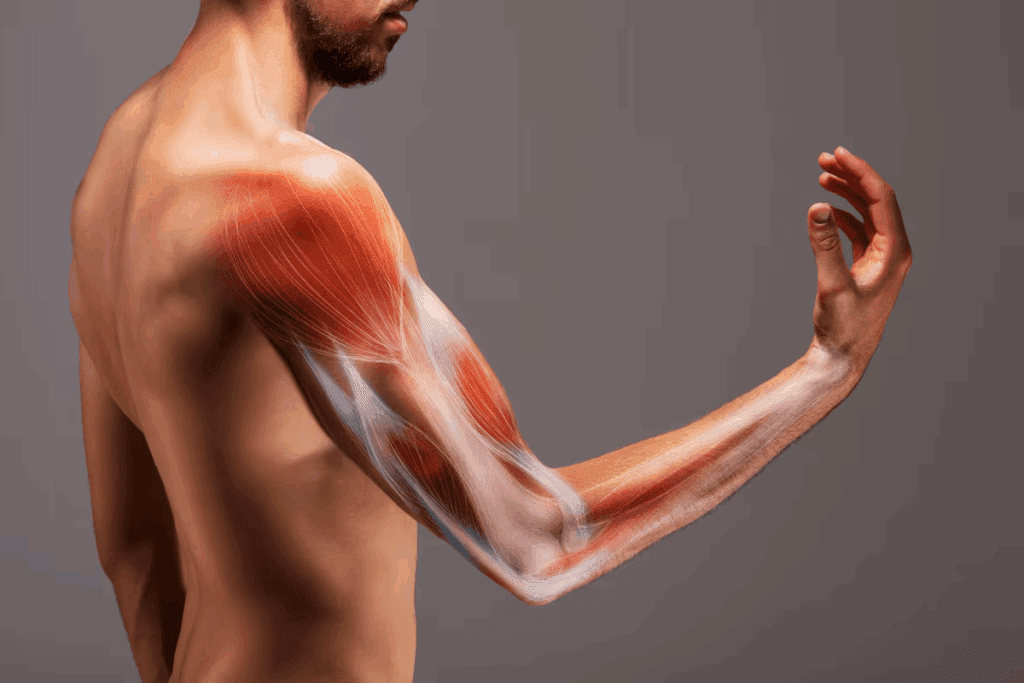
Another risk is muscle dependency. Using a patella strap too much can weaken the muscles around your knee. It’s key to use the strap wisely and also do exercises to strengthen these muscles.
Circulation Issues
Wearing a patella strap too tight or for too long can block blood flow. This might cause swelling, numbness, or tingling in your leg. Make sure it fits right and take breaks from wearing it to avoid these problems.
Impact on Natural Healing Processes
Using a patella strap all the time might also mess with your body’s healing. It can change how your knee works, which might slow down healing of injuries. Always listen to your doctor about using a patella strap as part of your treatment.
How to Properly Wear a Patella Strap
Wearing a patella strap right is key to getting the most out of it. It helps with knee pain by supporting the patella. To use your strap well, follow these tips on how to wear and care for it.
Correct Positioning
Putting the patella strap in the right spot is important. It should go around the patellar tendon, just below the kneecap. Proper placement lessens stress on the knee. To get it right, wrap the strap around your knee snugly but not too tight, and adjust as needed.
Appropriate Tightness
The strap’s tightness is also key. It should be tight enough to support but not too tight. Adjustable straps help find the perfect fit. If you feel any discomfort, loosen the strap right away.
Adjusting Throughout the Day
Adjust your patella strap as the day goes on. Tighten it for exercise and loosen it when resting. Monitoring your comfort level and adjusting helps keep support and mobility good.
Cleaning and Maintenance
Cleaning and looking after your patella strap is important for hygiene and to make it last. Most straps can be hand washed with mild soap and water. Dry it well before using it again to stop bacteria. Check your strap often for wear and replace it if needed to keep it working well.
| Maintenance Task | Frequency | Notes |
| Hand wash with mild soap | Weekly | Ensure thorough rinsing |
| Dry thoroughly | After each wash | Avoid direct sunlight |
| Inspect for wear and tear | Monthly | Replace if necessary |
By following these tips, your patella strap will support and comfort your knee better. This helps manage pain and improves how you move.
Patella Strap Usage During Different Activities
To get the most out of a patella strap, knowing when and how to use it is key. These straps are versatile and can be used in many ways. They offer support and relief for different tasks and exercises.
Wearing During Exercise and Sports
Wearing a patella strap during activities like running, jumping, or repetitive knee movements is helpful. It lessens the stress on the patellar tendon and stabilizes the knee cap. This reduces the chance of injuries like patellar tendonitis.
Athletes can use these straps during training to prevent overuse injuries.
Using While at Work
For those who stand, kneel, or move their knees a lot at work, a patella strap can be a big help. It eases pain from conditions like chondromalacia patella or patellofemoral pain syndrome. It also lets workers do their jobs more comfortably.
Nighttime Usage Considerations
Wearing a patella strap at night can help with knee pain or discomfort. But, make sure it’s not too tight and doesn’t restrict movement. Talking to a healthcare professional can help figure out the best way to use it at night.
Patella Straps for Daily Activities
Even simple tasks like walking or grocery shopping can benefit from a patella strap. For those with knee issues, these straps help support the knee. It’s about finding the right balance and knowing when the strap is most helpful.
In conclusion, patella straps are not just for specific activities. They can be used in many parts of daily life, providing support and relief where needed.
Selecting the Right Patella Strap for All-Day Comfort
Finding the right patella strap for all-day wear is key. It’s important to consider several factors. This ensures the strap supports your knee without being uncomfortable.
Material Considerations
The material of the patella strap is very important for comfort. Breathable materials like neoprene or moisture-wicking fabrics help prevent irritation. Look for straps with soft, hypoallergenic linings to avoid allergic reactions.
Size and Fit Guidelines
Finding the right size is critical for comfort and effectiveness. Use the manufacturer’s sizing chart to find your fit. A snug but not too tight fit is best. It keeps the strap in place without limiting movement or circulation.
Features for Extended Wear
For all-day wear, some features make a big difference. Adjustable straps let you customize the fit. Padded or cushioned designs reduce knee pressure. Straps with anti-slip properties stay in place all day.
Top Brands for Daily Use
Many brands are known for their quality patella straps for daily use. Mueller and ASO offer great options. When choosing a brand, think about durability, ease of cleaning, and customer reviews. This ensures you get a strap that’s perfect for all-day wear.
Different Types of Patella Straps and Their Suitability for Daily Wear
Patella straps come in many designs, each for different needs and preferences. The right strap can make a big difference in comfort and pain relief.
Single Strap Designs
Single strap designs are the classic type. They have a simple, adjustable strap that wraps around the knee. This design works well for many, helping with pain from patellar tendonitis.
Dual Strap Options
Dual strap options are a different take on the classic. They have two adjustable straps for a more customized fit. These are great for those with severe knee issues or who need a more precise fit.
Adjustable vs. Fixed Tension Straps
Patella straps also differ in how adjustable they are. Adjustable straps let you change the support level, which is handy for varying pain levels. Fixed tension straps offer consistent support, ideal for those who like a set level.
Specialized Designs for Specific Conditions
Some straps are made for specific knee problems. For example, those for patellar tendonitis have extra support for the affected area. Knowing your knee condition helps pick the right strap for effective support.
Exploring the various patella strap types helps find the best one for daily use. This ensures comfort and effective pain management.
Combining Patella Straps with Other Treatment Methods
Using patella straps with other treatments can really help with knee injuries or conditions. A good plan includes many therapies and strategies. This helps with healing and managing pain.
Physical Therapy Exercises
Physical therapy is key for many knee problems. It works well with a patella strap for healing. These exercises strengthen muscles, improve flexibility, and help the patella move right.
A physical therapist can make a special program for you. This program meets your specific needs and goals. It makes the patella strap more effective.
Rest and Activity Modification
Rest and changing how you move are important for knee injuries. Reducing stress on the knee helps it heal. A knee strap for recovery can also offer support and stability.
Anti-inflammatory Approaches
Anti-inflammatory methods can help with a patella strap. These include:
- Nonsteroidal anti-inflammatory drugs (NSAIDs)
- Corticosteroid injections
- Physical modalities like ice or electrical stimulation
- Alternative therapies like acupuncture or massage
Using these methods with a patella strap for healing can improve pain relief and recovery.
Complementary Supportive Devices
Adding other supportive devices with a patella strap can be helpful. These include:
- Knee sleeves or braces for extra support
- Orthotics or shoe inserts for biomechanical issues
- Crutches or walking aids to lessen knee stress
When using a patella strap long-term, talk to a healthcare professional. They can help find the best combination of devices and treatments.
When to Take Breaks from Your Patella Strap
Patella straps are great, but it’s key to know when to take a knee break. Taking a break from your patella strap can stop skin irritation. It also helps your knee work naturally without needing the strap all the time.
Signs You Need a Break
It’s important to listen to your body and watch for signs you need a break. Look out for skin irritation or redness under the strap. Also, if you feel more comfortable with the strap on all the time, it’s a sign to take a break.
If you see these signs, it’s time to give your knee and skin a break. Wearing it less during low activity times can also help avoid these problems.
Creating a Wearing Schedule
Creating a schedule for wearing your patella strap can balance support and rest. Wear it during active times or sports. Remove it when you’re less active or resting.
For example, wear it during the day for walking or work. Take it off at night or when you’re relaxing.
Gradually Reducing Dependency
As your knee gets better, start using the strap less. Start by wearing it for fewer hours each day. Or use it only for activities that stress your knee.
Slowly reducing your use of the strap helps your knee get stronger. It also improves your knee’s stability over time.
Monitoring Skin Health
It’s important to check your skin under and around the strap often. Look for signs like redness, itching, or rashes. Adjust your wearing schedule if you see these signs.
Keep your skin clean and dry. Make sure the strap isn’t too tight. If skin problems persist, talk to a healthcare professional for advice.
Long-Term Effects of Wearing a Patella Strap All Day
Wearing a patella strap all day can affect knee health in many ways. It impacts muscle strength, joint mechanics, and recovery. These factors are important to consider.
Impact on Muscle Strength
Using a patella strap for a long time might weaken the muscles around the knee. Muscle atrophy is a risk if the strap is used too much. But, it can also help strengthen the knee when used right.
- Reduced muscle activation over time
- Potential for muscle atrophy if not balanced with exercise
- Enhanced ability to perform strengthening exercises with the strap’s support
Effects on Joint Mechanics
The patella strap changes how the patella moves. Proper alignment is key, and the strap can help. But, using it too much might change the knee’s natural movement.
- Improved patellar tracking during movement
- Potential alterations in knee joint mechanics with prolonged use
- Importance of monitoring and adjusting the strap regularly
Psychological Dependency Considerations
Wearing a patella strap can make you feel like you can’t do things without it. Managing this dependency means wearing it less and trying other supports.
Rehabilitation Timeline Expectations
The time it takes to recover with a patella strap varies. It depends on the condition, how well you follow the rehab plan, and how well the strap supports you.
- Variability in recovery time
- Importance of a complete rehab program
- Regular check-ups on the strap’s effectiveness
Alternatives to All-Day Patella Strap Wear
Looking for ways to avoid wearing a patella strap all day? There are many options that can offer similar support and relief from pain. Patella straps are great for knee pain, but others might find better solutions or additions to their treatment.
Kinesiology Tape
Kinesiology tape is a good alternative to patella straps. It supports the knee without limiting movement. This tape can be worn for a long time and helps by gently lifting the skin and tissues under it.
- Ease of use: Kinesiology tape is easy to apply and can be worn during different activities.
- Customizable: You can cut and apply the tape in various ways to target specific knee areas.
- Breathable: Most kinesiology tapes are made to breathe, which helps avoid skin irritation.
Knee Sleeves and Braces
Knee sleeves and braces offer compression and support for the knee. They are great for those needing extra stability or doing high-impact activities.
Key benefits include:
- Enhanced stability: These can help keep the knee stable, lowering injury risk.
- Compression: They provide compression that can reduce swelling and pain.
- Variety: There are many types of knee sleeves and braces for different needs and preferences.
Strengthening Exercises
Doing strengthening exercises is a key alternative or addition to wearing a patella strap. Building muscle around the knee can improve stability and reduce pain over time.
Examples of beneficial exercises include:
- Straight leg raises: These strengthen the quadriceps without straining the knee too much.
- Squats: Done right, squats can strengthen many knee muscles.
- Leg press: This targets the quadriceps, hamstrings, and glutes for overall strengthening.
Therapeutic Modalities
Therapeutic methods like ultrasound, electrical stimulation, and heat or cold therapy can also be alternatives or additions to patella straps. They help manage pain and inflammation, aiding in healing and comfort.
Exploring these alternatives can help find a better fit for your lifestyle and needs. This might reduce the need for constant patella strap use.
Consulting Healthcare Professionals About Patella Strap Usage
Before using a patella strap, it’s key to talk to healthcare experts. They offer tailored advice on using patella straps for knee issues. This ensures you get the best treatment for your condition.
When to Seek Medical Advice
If your knee hurts a lot, you should see a doctor. A healthcare pro can figure out why your knee hurts. They’ll tell you if a patella strap for specific conditions is right for you. They’ll also show you how to use it for the best knee pain relief.
Orthopedic experts say “The use of a patella strap should be part of a complete treatment plan”. So, always get a doctor’s advice before starting any new treatment.
Questions to Ask Your Doctor
When talking to your doctor about a patella strap, ask these questions:
- Is a patella strap good for my knee problem?
- How often should I wear the patella strap?
- Are there any risks or side effects from wearing a patella strap?
- How will we check if the patella strap is working for my knee pain?
Working with Physical Therapists
Physical therapists are key in consulting healthcare professionals about patella straps. They give exercises and stretches to go with the strap. This makes the strap work better. Working with a physical therapist helps you get a full treatment plan for your knee.
Following Up on Treatment Progress
It’s important to keep up with your healthcare provider. This lets them see if the patella strap is helping with knee pain relief. They can change your treatment plan if needed. This makes sure you’re getting the best care.
By working closely with healthcare professionals, you can get the most out of using a patella strap for your knee.
Conclusion
Knowing how to use a patella strap is key for knee pain relief. We’ve looked at its benefits and risks, including its effect on knee conditions. We also talked about how to wear it right.
Thinking about wearing a patella strap all day? It’s important to consider both the good and the bad. The strap can help with knee pain, but it’s also vital to listen to your body and rest when needed.
It’s wise to talk to healthcare experts about using a patella strap. They can help you find the right way to use it for your needs. Combining the strap with exercises and strengthening routines can help your knee health improve over time.
Whether or not to wear a patella strap all day depends on your personal situation. Being aware of how you use the strap can help you get the most benefits while avoiding the downsides. This approach can lead to better knee health and pain relief.
FAQ
What is a patella strap and how does it work?
A patella strap is a device for the knee that helps with pain, like patellar tendonitis. It puts pressure on the tendon to lessen stress and pain.
Can I wear a patella strap all day?
Wearing a patella strap all day is possible, but think about comfort and skin issues. Always talk to a doctor for advice.
What are the benefits of using a patella strap?
Using a patella strap can ease pain, improve how the patella moves, and make your knee more stable. It also helps reduce swelling.
How do I properly wear a patella strap?
To wear a patella strap right, place it correctly and adjust the tightness. Change it as needed and clean it regularly.
Can I wear a patella strap during exercise and sports?
Yes, you can wear a patella strap during sports to support your knee. Just pick the right one for your activity and follow the wear guidelines.
What are the possible risks of wearing a patella strap all the time?
Wearing a patella strap too much can cause skin problems, muscle weakness, and circulation issues. It’s important to take breaks and let your knee heal naturally.
How do I select the right patella strap for all-day comfort?
For all-day comfort, look at the material, size, fit, and features of the strap. Choose brands known for comfort and durability.
Can I combine a patella strap with other treatment methods?
Yes, you can use a patella strap with other treatments like physical therapy, rest, and anti-inflammatory methods. This can help your knee recover better.
When should I take breaks from wearing my patella strap?
If you feel skin irritation, discomfort, or muscle tiredness, it’s time for a break. Try to reduce your dependency on the strap.
What are the long-term effects of wearing a patella strap all day?
Wearing a patella strap all day can weaken muscles and affect joint mechanics. It can also lead to psychological dependency and affect your recovery time. Always monitor and adjust your use.
Are there alternatives to all-day patella strap wear?
Yes, you can try kinesiology tape, knee sleeves, braces, exercises, and other therapies. A doctor can help find the best option for you.
Why is it essential to consult healthcare professionals about patella strap usage?
Talking to healthcare professionals about patella straps ensures you get the right advice and treatment. They can guide you on safe and effective use.
Reference
- This study evaluates a specific clinical exam test for patellar tendinopathy and discusses its sensitivity and specificity compared to palpation and ultrasound.https://pmc.ncbi.nlm.nih.gov/articles/PMC5725181