Last Updated on November 26, 2025 by Bilal Hasdemir
The gallbladder is key in digestion, storing and concentrating bileweight loss from gallbladder surgerySickle Cell Weight Loss ““ Why Patients Stay Thin. After it’s removed, bile flow changes. This affects digestion and nutrient absorption.
This change can lead to weight loss. But, how much and for how long varies from person to person.
Knowing about weight changes after gallbladder surgery is important. It helps set realistic expectations and guides care after surgery. Liv Hospital focuses on patient safety with proven care and a team approach.
Key Takeaways
- Changes in digestion and nutrient absorption occur after gallbladder removal.
- Weight loss is a common phenomenon post-surgery.
- The extent of weight loss varies among individuals.
- Dietary changes play a significant role in weight loss post-surgery.
- Understanding key facts can help manage expectations and post-operative care.
Understanding Gallbladder Surgery and Its Effects
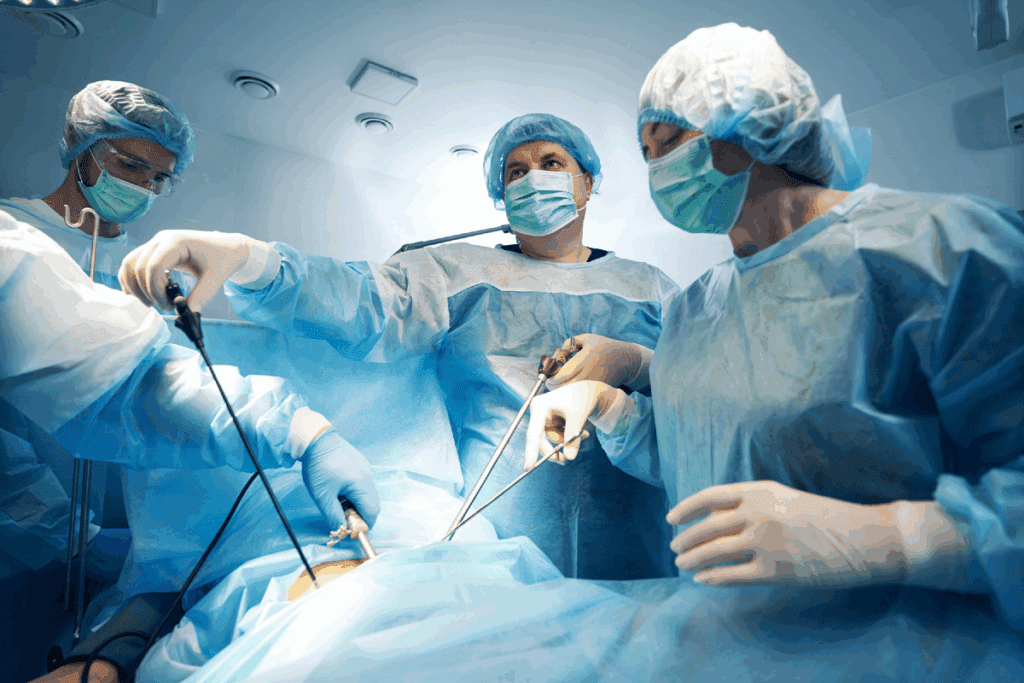
It’s important for patients to know about gallbladder surgery. This surgery removes the gallbladder, a key organ in digestion.
What Is a Cholecystectomy?
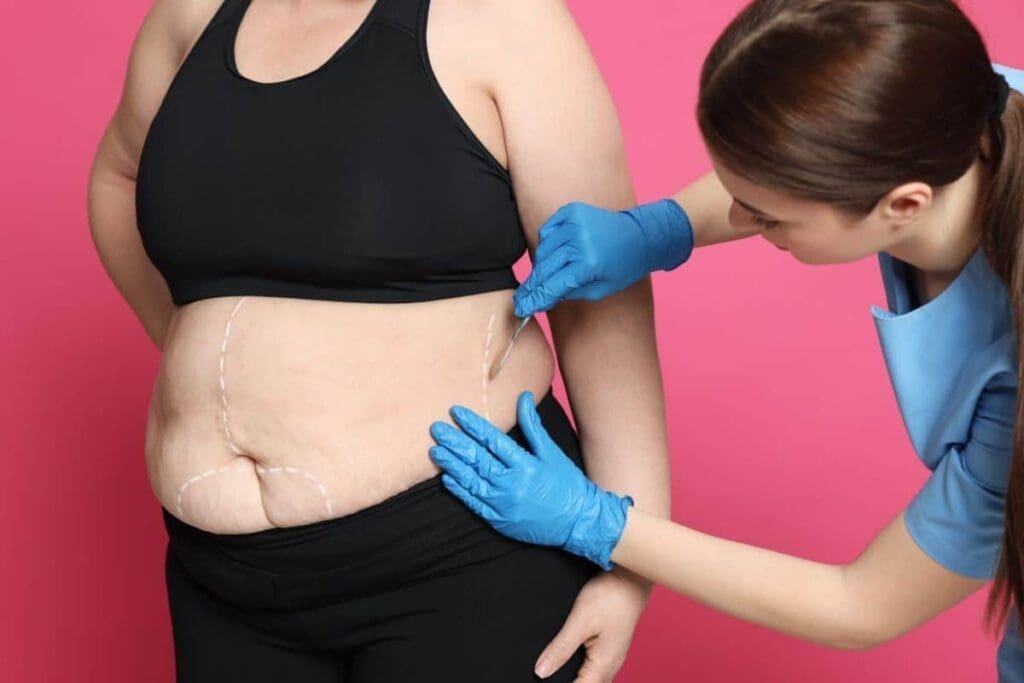
A cholecystectomy is a surgery to remove the gallbladder. It’s usually done to treat gallstones that cause pain or infection. The surgery is done through small cuts in the abdomen.
The surgery is safe and works well for most people. But, like any surgery, it can have risks and side effects. These can include changes in digestion.
The Gallbladder’s Role in Digestion
The gallbladder stores bile from the liver. It releases bile into the small intestine to help digest fats. Without the gallbladder, bile goes straight to the small intestine. This can affect how fats are digested.
This change might cause digestive issues or changes in bowel habits. Knowing about these changes helps manage health after surgery.
Common Reasons for Gallbladder Removal
Gallstones and inflammation are the main reasons for gallbladder removal. Gallstones can block the gallbladder, causing pain, infection, or inflammation.
| Condition | Description | Impact on Digestion |
| Gallstones | Hardened deposits in the gallbladder | Potential blockage, pain, and infection |
| Cholecystitis | Inflammation of the gallbladder | Severe pain, possible infection |
| Biliary Dyskinesia | Poor gallbladder function | Digestive problems, pain |
These conditions often mean the gallbladder needs to be removed. This helps relieve symptoms and prevent future problems.
The Relationship Between Gallbladder Removal and Body Weight
The removal of the gallbladder can change how we digest food and our metabolism. Without a gallbladder, our body can’t store and release bile the same way. This might affect how we absorb nutrients.
How Gallbladder Function Affects Metabolism
The gallbladder helps with digestion by storing bile from the liver. Bile is key for breaking down fats and absorbing vitamins. Without a gallbladder, bile goes straight to the small intestine. This can change how we process fats and might affect our metabolism and weight.
Changes in bile flow can impact fat digestion and absorption. Some people might not absorb fats well, leading to weight loss. But, how much weight changes varies a lot.
Changes in Digestion After Surgery
After surgery, many people notice changes in digestion. Issues like diarrhea, poor fat absorption, and discomfort after fatty meals are common. These problems can make people change their eating habits, which might lead to weight loss. But, not everyone sees a big change in their weight.
Adjusting to new digestion takes time. Some might need to modify their diet to manage symptoms. This can affect their weight.
What Medical Research Shows
Research on weight loss after gallbladder removal is mixed. Some people might lose weight, while others might not or even gain it. Diet, exercise, and how the body changes after surgery are key factors in weight changes.
Initial weight loss might not last long term. Long-term weight management after gallbladder removal depends on diet and exercise.
Key Fact 1: Short-Term Weight Loss Is Common After Surgery
Many people lose weight right after their gallbladder is removed. This happens because of changes in diet and how the body digests food.
Post-Surgical Dietary Restrictions
Patients often need to eat less fat after surgery. This helps avoid stomach problems. Eating less fat means they eat fewer calories, which can help them lose weight.
- Avoid high-fat foods
- Choose low-fat dairy products
- Opt for lean proteins
Gastrointestinal Adjustments
The body has to get used to not having a gallbladder. This means it has to change how it makes and stores bile. These changes can affect digestion and might lead to weight loss.
Gastrointestinal adjustments can cause bloating or discomfort at first. But, these symptoms usually go away as the body gets used to the new way of digesting food.
Timeline for Initial Weight Changes
The biggest weight loss usually happens in the first few weeks after surgery. This is because patients stick closely to their diet. As they start eating more normally, the weight loss slows down.
| Time Frame | Typical Weight Loss |
| 1-2 weeks post-surgery | Significant weight loss due to strict dietary restrictions |
| 2-6 weeks post-surgery | Gradual weight loss as diet normalizes |
Knowing these things can help patients plan better for their diet and lifestyle after surgery.
Key Fact 2: Rapid Weight Loss After Gallbladder Surgery Is Rare
After gallbladder surgery, losing weight is common, but losing it too fast is rare. Some people might see a big drop in weight, but this is not usual. It’s important for patients to know the difference between normal and worrying weight loss.
Normal vs. Concerning Weight Loss Rates
Safe and steady weight loss is about 1-2 pounds a week. Losing more than 2 pounds a week is a worry sign. This could mean health problems like nausea, eating less, or not absorbing fats well.
Patients should watch their weight loss closely. If it’s too fast, they should talk to their doctor. Doctors can check if the weight loss is normal or if there’s a health issue.
Causes of Accelerated Weight Loss
Several things can cause fast weight loss after gallbladder surgery. These include:
- Nausea and vomiting, which can cut down on calories.
- Not absorbing fats well because of no bile from the gallbladder.
- Eating less or changing diets to eat fewer calories.
Finding out why weight loss is fast is key to fixing the problem.
When to Consult Your Doctor
See your doctor if you lose:
- More than 2 pounds a week.
- Keep getting sick or vomiting a lot.
- Have really bad diarrhea or signs you’re not absorbing nutrients well.
- Any other symptoms that worry you.
Talking to your doctor early can help fix problems before they get worse. Knowing what’s normal and what’s not helps patients recover better and stay healthy.
Key Fact 3: Weight Loss Is Often Temporary
Many people who have their gallbladder removed notice they lose weight at first. But, this weight loss might not last. The question is, “Will I lose weight after gallbladder surgery?” The answer is not simple and depends on many things, like how digestion and hunger change.
Why Initial Weight Loss May Reverse
At first, weight loss after gallbladder surgery comes from eating less and adjusting to new digestion. But, as people get better, their stomachs start to work like before. This can make them eat more and gain back weight.
Several things can cause weight loss to reverse:
- Increased appetite as the body recovers
- Return to pre-surgery eating habits
- Adaptation of the digestive system to the absence of the gallbladder
Normalization of Appetite and Eating Patterns
As people get better from gallbladder surgery, their hunger and eating habits go back to normal. This is a natural part of getting better. The question is, “Can gallbladder removal cause weight loss?” It might lead to weight loss at first, but the long-term effect is more complicated.
Eating habits might go back to what they were before surgery, which can affect weight. It’s important for patients to eat well and keep a balanced diet to stay healthy.
Typical Timeline for Weight Stabilization
How long it takes for weight to stabilize after gallbladder surgery varies. Usually, people see their weight stabilize in a few months as their body adjusts.
Key milestones in the timeline for weight stabilization include:
- Initial weight loss in the first few weeks post-surgery
- Gradual weight regain as appetite and eating patterns normalize
- Weight stabilization within 3-6 months after surgery
Knowing about these changes can help people understand what to expect about weight loss after gallbladder removal. By making healthy choices, people can manage their weight better after surgery.
Key Fact 4: Weight Loss from Gallbladder Surgery Relates to Dietary Changes
Dietary changes are key to weight loss after gallbladder surgery. Patients must adjust their eating habits to manage digestive issues.
The Low-Fat Diet Recommendation
A low-fat diet is often suggested after gallbladder surgery. This helps avoid digestive problems. The gallbladder helps digest fats, and without it, fatty foods can be hard to digest.
By eating less fat, patients can reduce symptoms like diarrhea and stomach pain.
Here are some tips for a low-fat diet:
- Reduce fat intake to ease digestive discomfort
- Avoid fatty foods that are hard to digest
- Eat more lean proteins and low-fat dairy
Smaller, More Frequent Meals
Eating smaller meals more often can also help. This method eases the digestive system’s workload. It makes digestion and nutrient absorption easier.
Benefits of this approach include:
- Less bloating and gas
- Easier digestion
- Better nutrient absorption
Caloric Reduction During Recovery
Patients might eat fewer calories during recovery due to less appetite or dietary limits. This can lead to weight loss as the body adjusts to new eating habits.
It’s important to keep the diet balanced and nutritious. Focus on foods like fruits, vegetables, whole grains, and lean proteins.
Key Fact 5: Digestive Symptoms Can Influence Weight Loss
Gallbladder removal can lead to digestive problems. These issues can change how you lose weight. After surgery, your body can’t digest fats as well, causing stomach problems.
Post-Cholecystectomy Diarrhea
Diarrhea is a common problem after gallbladder surgery. It happens because bile goes straight to the small intestine. This can make the intestine upset and cause quick bowel movements. Diarrhea can lead to weight loss because your body can’t absorb nutrients well.
To deal with diarrhea, doctors often suggest a low-fat diet. Eating smaller meals more often can also help.
Fat Malabsorption Issues
Another big problem after gallbladder removal is fat malabsorption. Without a gallbladder, bile doesn’t work right. This can make it hard for your body to digest fats. This can cause weight loss because your body can’t use fats for energy.
“The absence of a gallbladder can lead to changes in bowel habits and fat absorption, influencing overall weight loss.”
Resolution Timeline for Digestive Discomfort
But, most digestive problems after gallbladder surgery get better over time. It usually takes a few weeks to months. Eating right and staying healthy can help your body adjust faster.
- Eating smaller, more frequent meals to ease digestion
- Following a low-fat diet to minimize discomfort
- Staying hydrated to prevent dehydration from diarrhea
Understanding and managing these digestive symptoms can help you lose weight better after gallbladder surgery.
Key Fact 6: Rapid Weight Loss Can Be Risky After Surgery
Many people lose weight after their gallbladder is removed. But, it’s important to do it safely to avoid health problems. Losing weight fast after surgery can be dangerous.
Nutritional Concerns During Recovery
After gallbladder surgery, the body can’t digest fats well. This can cause nutritional problems if not handled right. A diet without the right nutrients can slow down healing and harm health.
Doctors stress the need for a balanced diet during recovery. Foods high in vitamins, minerals, and proteins are key for healing and staying healthy.
Why Fad Diets Are Discouraged
Fad diets or very low-calorie diets are not good after surgery. They can make nutritional problems worse. This can lead to health issues during recovery.
Instead, focus on eating healthy for the long term. This helps keep weight off and supports overall health.
Healthy Weight Management Approaches
Managing weight after gallbladder surgery means eating right and staying active. A balanced diet should include foods from all groups for good nutrition.
| Strategy | Description | Benefits |
| Eat smaller, more frequent meals | Reduces strain on the digestive system | Eases digestion, reduces symptoms like diarrhea |
| Focus on low-fat foods | Minimizes fat intake to ease digestion | Reduces risk of fat malabsorption, supports weight loss |
| Stay hydrated | Drink plenty of water throughout the day | Supports digestion, overall health, and hydration |
By following these tips, patients can lose weight safely. This helps avoid nutritional problems and other health issues.
Key Fact 7: Long-Term Weight Gain Is Common
Many people gain weight months after gallbladder surgery, even if they lost weight first. This is due to changes in how the body metabolizes food and dietary habits.
Research on Cholecystectomy and Weight Gain
Studies reveal that long-term weight gain often happens after gallbladder removal. The body’s metabolism changes, leading to weight increase over time.
A study in a well-known medical journal showed significant weight changes after cholecystectomy. While some lost weight first, many gained it back.
Metabolic Changes Months After Surgery
Removing the gallbladder affects how the body digests fats, leading to metabolic shifts. This can cause weight gain.
As the body adjusts without a gallbladder, metabolic rates change. This affects how food is processed, potentially causing weight gain if not managed.
Strategies to Prevent Post-Surgery Weight Gain
To avoid weight gain after gallbladder surgery, several strategies can help. Eating a healthy, balanced diet is key. This means eating smaller meals often and avoiding fatty foods.
- Eat a low-fat diet to reduce digestive strain.
- Choose nutrient-rich foods to support overall health.
- Engage in regular physical activity to boost metabolism.
By making these lifestyle changes, people can manage their weight better after gallbladder surgery. Keeping an eye on weight and adjusting as needed can prevent long-term gain.
Dietary Recommendations After Gallbladder Removal
Choosing the right foods after gallbladder removal is key to avoiding digestive problems and managing weight. After surgery, how the body digests food changes a lot.
Foods to Avoid
People who have had their gallbladder removed should stay away from high-fat foods. These include fried dishes, rich dairy, and processed meats. Eating these can cause stomach pain, diarrhea, and other digestive problems.
Specific foods to avoid include:
- Fatty meats and fried foods
- High-fat dairy products like cheese and cream
- Processed foods high in saturated fats
Foods to Include
Eating more fiber can help with digestion and weight loss. Choose foods that are easy to digest and full of nutrients.
Beneficial foods include:
- Fruits and vegetables
- Whole grains like brown rice and quinoa
- Lean proteins such as chicken and fish
Meal Planning Strategies
Planning meals well is important for digestive health after gallbladder removal. Eating smaller meals often helps the digestive system. Keeping a food diary can also help figure out which foods upset your stomach.
Tips for meal planning:
- Eat smaller meals throughout the day
- Avoid eating too late at night
- Stay hydrated by drinking plenty of water
Following these dietary tips can help manage weight and digestive health after gallbladder removal. It’s about making lasting lifestyle changes for better health.
Physical Activity After Gallbladder Surgery
Physical activity is key in recovering and managing weight after gallbladder surgery. It’s a vital part that can greatly affect the surgery’s success.
Timeline for Resuming Exercise
Doctors usually tell patients to start with gentle exercises like walking. The time it takes to get back to full activity depends on how fast you recover and the surgery type.
Most people can get back to their usual exercise in a few weeks after surgery. But, it’s very important to listen to your doctor’s specific advice.
Recommended Activities
Start with low-impact exercises like:
- Walking
- Swimming
- Cycling
- Light stretching
These activities help improve blood flow, lower the chance of problems, and aid in recovery.
Exercise Precautions
It’s important to not push too hard too soon. Be careful of:
- Lifting heavy objects
- Doing too much too fast
- Ignoring pain or discomfort
Listening to your body and following your doctor’s advice is essential for a safe and effective recovery.
Adding physical activity to your recovery plan can boost your health and help with weight loss after gallbladder surgery.
Conclusion
It’s important for patients to know what to expect after gallbladder surgery. The surgery affects how we digest food and can change our weight. This is because of changes in diet and how our body digests food.
Right after surgery, some people might lose weight quickly. But, this weight loss usually doesn’t last. If you don’t stay healthy, you might gain weight back.
To manage your weight after surgery, eat well and stay active. Being aware of changes in your digestion can also help. These steps can make your recovery easier and keep you healthy.
Weight loss after gallbladder surgery needs a big-picture approach. This includes eating right and exercising often. Knowing how surgery affects weight can help you make better choices. This way, you can reach a healthy weight and live better.
FAQ
Does gallbladder removal cause weight loss?
Yes, many people lose weight after having their gallbladder removed. But, how much and for how long varies a lot.
How does gallbladder surgery affect digestion and weight?
Removing the gallbladder might make it harder to digest fats. This can cause stomach discomfort or changes in bowel movements. These changes can affect your weight.
Is rapid weight loss after gallbladder surgery normal?
No, losing weight quickly after surgery is not common. It might mean you’re not feeling well, eating less, or having trouble absorbing fats.
How long does weight loss last after gallbladder surgery?
Weight loss after gallbladder surgery is usually short-term. It often levels out within a few months as your body adjusts.
What dietary changes can help manage weight after gallbladder surgery?
Eating less fat, smaller meals, and more fiber can help. These changes can ease digestive issues and help with weight management.
Can you lose weight after gallbladder removal?
Yes, many people lose weight right after surgery. But, if you don’t eat well and stay active, you might gain weight back over time.
How can I prevent weight gain after gallbladder surgery?
Eat a balanced diet, stay active, and watch your weight. These steps can help prevent weight gain.
When can I resume exercise after gallbladder surgery?
Start with gentle exercises like walking. You can usually get back to your usual workouts in a few weeks.
What are the risks of rapid weight loss after gallbladder surgery?
Losing weight too fast can lead to nutrient deficiencies. It’s important to eat a balanced diet to avoid this.
Will I lose weight after gallbladder surgery?
Losing weight after surgery is common. But, how much and for how long depends on your diet, exercise, and how your body changes after surgery.
References
- Stokes, C. S., & Lammert, F. (2021). Excess body weight and gallstone disease: Impact of diet and physical activity. Nutrients, 13(6), 1928. https://www.ncbi.nlm.nih.gov/pmc/articles/PMC8406364/