Last Updated on November 13, 2025 by
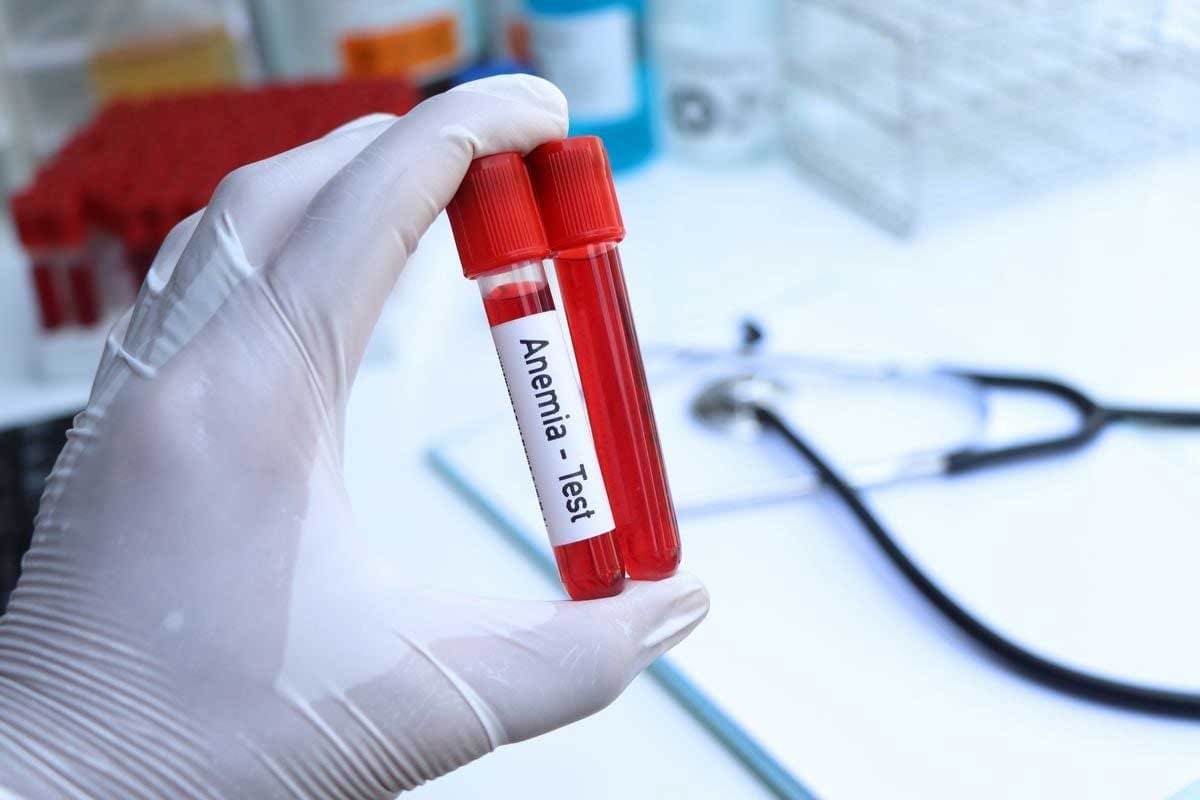
Diagnosing leukemia often starts with a CBC blood test. This test checks the levels of red and white blood cells and platelets. If these counts are off, it might mean leukemia, even before you notice any symptoms.
A CBC with differential gives a closer look at your blood. It helps doctors spot signs that could point to leukemia. Knowing what these signs mean is key to catching the disease early and treating it right.
Key Takeaways
- A CBC is a critical diagnostic tool for detecting leukemia.
- Abnormal blood cell counts can indicate leukemia.
- A CBC with differential provides a detailed analysis of blood components.
- Understanding CBC results is vital for diagnosing leukemia.
- Early detection through CBC can lead to timely and effective treatment.
Understanding Complete Blood Count (CBC) Tests
A Complete Blood Count (CBC) test is key to understanding our blood’s components. It helps check our health and find many conditions, like anemia and infections. It even helps spot leukemia.
What is a CBC blood test?
A CBC test looks at the cells in our blood, like white and red blood cells, and platelets. It tells doctors about the health of these cells. This helps them diagnose and keep track of our health.
The WBC count shows how our immune system is doing. A high leukocyte count means we might have an infection. A low count could mean our immune system is weak.
Components measured in a CBC
A CBC test checks several important parts of our blood:
- White Blood Cells (WBCs): These fight infections. An odd WBC count can mean leukemia or an infection.
- Red Blood Cells (RBCs): These carry oxygen. The RBC count and hemoglobin level help find anemia or other RBC problems.
- Hemoglobin (Hb): This protein in RBCs carries oxygen. Low hemoglobin means we might have anemia.
- Hematocrit (Hct): This shows how many RBCs we have. It’s key for oxygen transport.
- Platelets: These help our blood clot. Odd platelet counts can mean bleeding disorders or other issues.
Why CBCs are ordered
CBCs are ordered for many reasons, such as:
- To find or watch for conditions like anemia, infections, or leukemia.
- To see if we have inflammation or infection.
- To check how treatments affect our blood cells.
- As part of a routine check to see how we’re doing overall.
Knowing what a CBC test shows helps doctors take better care of us. It’s a big help in keeping us healthy and catching problems early.
Normal CBC Values and Reference Ranges
Normal CBC values help doctors diagnose health issues, like leukemia. Knowing these values is key for doctors to correctly read test results.
Standard Reference Ranges for Blood Cells
A Complete Blood Count (CBC) checks different parts of blood. This includes white blood cells (WBC), red blood cells (RBC), and platelets. Here are the normal ranges for these components:
- White Blood Cells (WBC): 4,500 to 11,000 cells per microliter
- Red Blood Cells (RBC): 4.32-5.72 million cells per microliter for males, 3.90-5.03 million cells per microliter for females
- Platelets: 150,000 to 450,000 platelets per microliter
These ranges might change slightly between labs. But they are a general guide.

Variations by Age, Sex, and Other Factors
Normal CBC ranges can change with age, sex, and other factors. For example:
- Children usually have more WBCs than adults.
- Pregnant women might have different RBC and WBC counts because of changes in their bodies.
- People who exercise a lot or live at high altitudes might have different RBC counts.
These differences show why it’s important to think about individual factors when looking at CBC results.
What Constitutes Abnormal Results
Abnormal CBC results can mean different health problems. For instance:
- Leukocytosis (high WBC count) or leukopenia (low WBC count) might show infection, inflammation, or bone marrow issues.
- Anemia (low RBC count or hemoglobin) could be due to iron or vitamin deficiency, or chronic diseases.
- Thrombocytopenia (low platelet count) or thrombocytosis (high platelet count) might point to bleeding disorders or bone marrow problems.
Knowing these abnormal signs is key to diagnosing and treating conditions like leukemia.
Leukemia: An Overview of Blood Cancer
Leukemia is a blood cancer where abnormal white blood cells grow too much. It’s hard to diagnose and treat. It affects how blood cells are made, causing many problems.
Definition and Types of Leukemia
Leukemia is divided into types based on the cells affected and how fast it grows. The main types are Acute Lymphoblastic Leukemia (ALL), Acute Myeloid Leukemia (AML), Chronic Lymphocytic Leukemia (CLL), and Chronic Myeloid Leukemia (CML). Each type has its own signs and how it will progress.
| Type of Leukemia | Cell Lineage | Disease Progression |
|---|---|---|
| ALL | Lymphoid | Acute |
| AML | Myeloid | Acute |
| CLL | Lymphoid | Chronic |
| CML | Myeloid | Chronic |
How Leukemia Affects Blood Cell Production
Leukemia messes up how blood cells are made. The bad cells take over, causing bone marrow failure. This means not enough normal blood cells are made. Symptoms include anemia, infections, and bleeding.

Common Symptoms and Presentation
Leukemia can be hard to spot early because its symptoms are not clear. Symptoms include tiredness, weight loss, infections, and easy bleeding. Some people also have swollen lymph nodes or a big liver and spleen.
Knowing about leukemia helps catch it early. A Complete Blood Count (CBC) test is often the first step. It shows if there are abnormal blood cell counts that need more checking.
How CBC Blood Test Results Indicate Leukemia
Leukemia diagnosis often starts with a CBC test. This test shows patterns in blood cell counts that point to the disease. A CBC with differential gives a detailed look at white blood cells, red blood cells, and platelets.
Characteristic Patterns in Leukemia
In leukemia, CBC results often show white blood cell count abnormalities. A high WBC count, or leukocytosis, is common. But, some patients might have a low WBC count, or leukopenia.
We also look for blast cells in the blood. This is a key sign of acute leukemia.
Red blood cell counts and hemoglobin levels can also be affected. Anemia, with low red blood cell count or hemoglobin, is common in leukemia patients. Platelet counts might be low, or sometimes high.
Statistical Prevalence of Abnormalities
Research shows CBC results are often abnormal in leukemia patients. A high WBC count is seen in many patients with certain leukemias. Understanding these patterns is key for diagnosis and monitoring, as leukemia support resources point out.
Differentiating Leukemia from Other Conditions
While CBC results can hint at leukemia, they can also show up in other conditions. We must look at the whole clinical picture, including symptoms and other tests, to tell leukemia apart from other blood count issues. A CBC with differential helps spot specific patterns that suggest leukemia.
In summary, a CBC blood test is vital for diagnosing leukemia. By examining CBC results for abnormalities in WBC, RBC, and platelet counts, doctors can spot leukemia and order more tests.
White Blood Cell Abnormalities in Leukemia
Diagnosing leukemia means looking closely at white blood cell (WBC) issues. Leukemia affects how white blood cells are made and work. These cells are key to our immune system.
White blood cells, or leukocytes, help fight off infections. In leukemia, the WBC count can be too high (leukocytosis) or too low (leukopenia). This depends on the leukemia type.
Leukocytosis vs. Leukopenia in Different Leukemias
Some leukemias, like chronic lymphocytic leukemia (CLL), show leukocytosis. This means a high WBC count. On the other hand, acute leukemias can cause leukopenia, with a very low WBC count.
- Leukocytosis is common in chronic leukemias.
- Leukopenia happens in acute leukemias because the bone marrow fails.
Blast Cells in Peripheral Blood
Blast cells in the blood are a big sign of leukemia. These are young white blood cells that shouldn’t be in the blood.
Blast cells mean you might have acute leukemia, like Acute Lymphoblastic Leukemia (ALL) or Acute Myeloid Leukemia (AML).
Changes in WBC Differential
A CBC with auto differential is key for checking white blood cell types. In leukemia, this test shows odd counts, like more lymphocytes or strange cells.
For example, CLL shows more mature lymphocytes. AML, on the other hand, has more myeloid blasts.
Knowing about these WBC issues is vital for treating leukemia. Doctors use CBC results, like WBC count and differential, to understand leukemia better.
Red Blood Cell and Hemoglobin Changes
Leukemia often leads to changes in red blood cells and hemoglobin. These changes can affect a patient’s health. Anemia, a condition where the body doesn’t have enough red blood cells, is a common issue.
Anemia Patterns in Leukemia
Anemia is a big problem for leukemia patients. It happens when there are fewer red blood cells or less hemoglobin. The type of anemia depends on the leukemia and its cause.
Types of Anemia in Leukemia:
- Normocytic anemia: Often seen in chronic diseases, including leukemia.
- Microcytic anemia: May occur due to iron deficiency or chronic disease.
- Macrocytic anemia: Can be associated with certain types of leukemia or treatment effects.
RBC Morphology Changes
Leukemia can also change how red blood cells look. These changes include differences in size, shape, and the presence of immature cells.
| Morphological Change | Description | Clinical Significance |
|---|---|---|
| Anisocytosis | Variation in red blood cell size | Indicates bone marrow stress or dysfunction |
| Poikilocytosis | Variation in red blood cell shape | May suggest membrane or cytoskeletal abnormalities |
| Nucleated RBCs | Presence of immature red blood cells | Can indicate bone marrow infiltration or stress |
Impact on Oxygen-Carrying Capacity
Changes in red blood cells and hemoglobin affect how well blood carries oxygen. Anemia, in particular, can reduce oxygen delivery. This can cause fatigue, weakness, and shortness of breath.
In conclusion, changes in red blood cells and hemoglobin are key in leukemia. Understanding these changes helps manage the condition better and improve patient outcomes.
Pancytopenia and Platelet Abnormalities
It’s key to know how leukemia affects blood cells, like in pancytopenia and thrombocytopenia. Leukemia can mess with the bone marrow’s job of making blood cells, causing problems.
Pancytopenia in Leukemia
Pancytopenia means fewer red, white blood cells, and platelets. In leukemia, it happens when cancer cells fill the bone marrow. This stops it from making normal blood cells. It can cause anemia, infections, and bleeding disorders.
Thrombocytopenia and Bleeding Risk
Thrombocytopenia, or low platelets, is common in leukemia. It’s because the bone marrow can’t make enough platelets. This is due to cancer cells or chemotherapy. It raises the risk of bleeding, from small bruises to serious hemorrhages.
Clinical Significance of Multi-lineage Suppression
Pancytopenia and thrombocytopenia in leukemia patients are big deals. They show how much cancer has spread in the bone marrow. They also help decide how to treat the patient. Treatment might include blood transfusions and growth factors to help with low blood counts.
Regular CBC tests are vital. They help catch these problems early. This way, doctors can adjust treatments to help patients better.
CBC Patterns in Different Types of Leukemia
The Complete Blood Count (CBC) test is key in finding leukemia. Each type of leukemia has its own CBC signs. These signs help doctors diagnose and plan treatment.
Acute Lymphoblastic Leukemia (ALL)
In Acute Lymphoblastic Leukemia (ALL), the CBC shows many immature white blood cells. This can cause either too many or too few white blood cells. It also might show anemia and low platelets.
Acute Myeloid Leukemia (AML)
Acute Myeloid Leukemia (AML) shows many myeloid blasts in the blood. The CBC often shows low red blood cells, low platelets, and too many white blood cells. Finding blast cells is key to diagnosing AML.
Chronic Leukemias
Chronic leukemias, like CLL and CML, have different CBC signs than acute leukemias. CLL shows more mature lymphocytes over time. CML has more granulocytes at different stages.
Here’s a table showing the CBC patterns for different leukemia types:
| Leukemia Type | Typical CBC Findings | Common Symptoms |
|---|---|---|
| Acute Lymphoblastic Leukemia (ALL) | Lymphoblasts, leukocytosis or leukopenia, anemia, thrombocytopenia | Fatigue, infections, bleeding |
| Acute Myeloid Leukemia (AML) | Myeloid blasts, anemia, thrombocytopenia, leukocytosis | Weakness, shortness of breath, frequent infections |
| Chronic Lymphocytic Leukemia (CLL) | Mature lymphocytes, gradual leukocytosis | Often asymptomatic, lymphadenopathy |
| Chronic Myeloid Leukemia (CML) | Elevated granulocytes, various stages of maturation | Fatigue, weight loss, splenomegaly |
Knowing these CBC patterns is vital for treating leukemia. Doctors use the CBC with differential to find the leukemia type. Then, they can plan the right treatment.
Conclusion: From Abnormal CBC to Leukemia Diagnosis
A CBC blood test is key in catching leukemia early. We’ve looked at how it shows signs of leukemia. This includes changes in white, red, and platelet counts.
A CBC with differential helps spot specific white blood cell types. It’s important to see if there are blast cells or other leukemia signs. If your CBC shows something off, talk to your doctor right away.
Leukemia can mess with blood cell making, causing anemia and low platelets. Doctors can start testing and plan treatment if they see leukemia signs in your CBC.
To wrap it up, a CBC is a big help in finding leukemia. Knowing what your CBC results mean and acting fast can lead to better treatment and health.
FAQ’s:
What is a CBC with differential, and how is it related to leukemia diagnosis?
What are the normal ranges for white blood cell (WBC) count, and how do they relate to leukemia?
How does leukemia affect red blood cell (RBC) count and hemoglobin levels?
What is the significance of blast cells in peripheral blood, and how are they related to leukemia?
Can a CBC test definitively diagnose leukemia?
What does a low leukocyte count indicate, and is it related to leukemia?
How do different types of leukemia affect CBC results?
What is the role of CBC in monitoring leukemia treatment?
What should I do if my CBC results are abnormal?
References
- National Cancer Institute. (2025). Acute myeloid leukemia treatment (PDQ ®)“patient version. https://www.cancer.gov/types/leukemia/patient/adult-aml-treatment-pdq