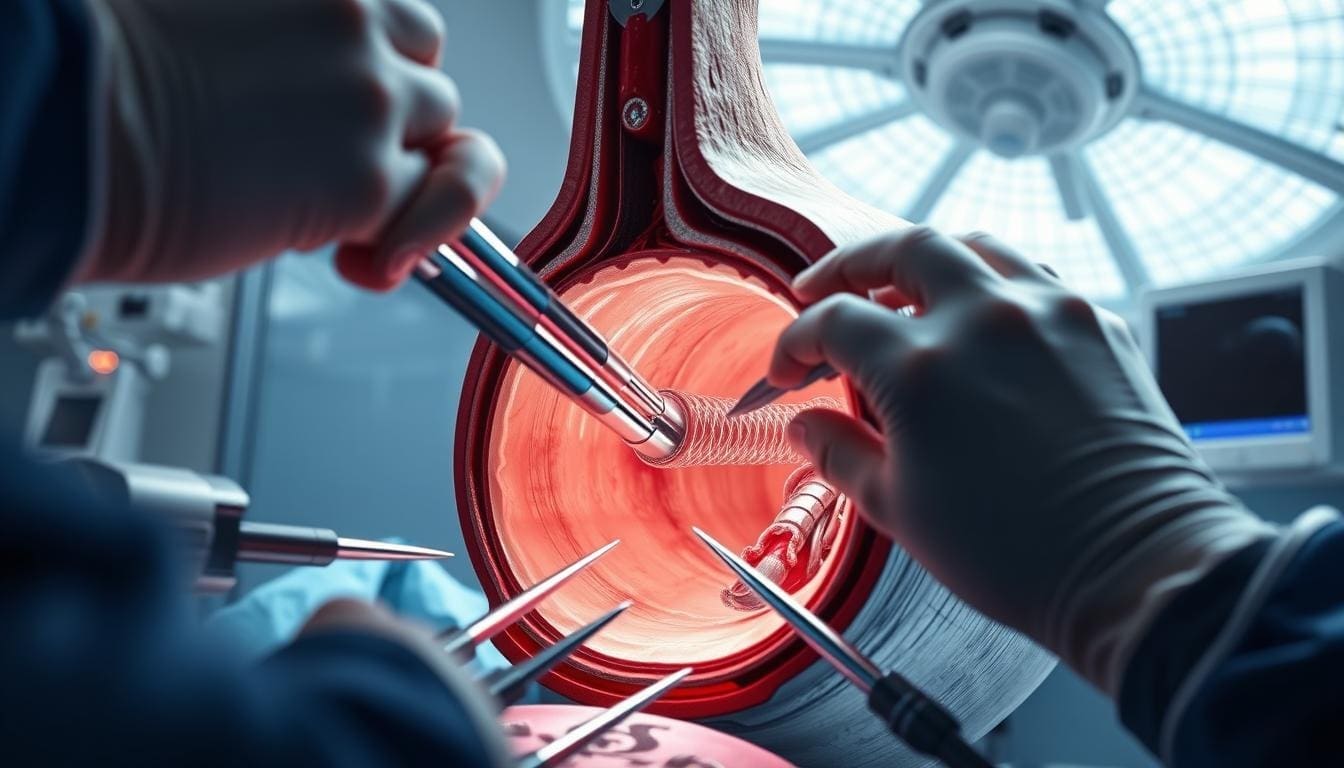
Last Updated on November 26, 2025 by Bilal Hasdemir
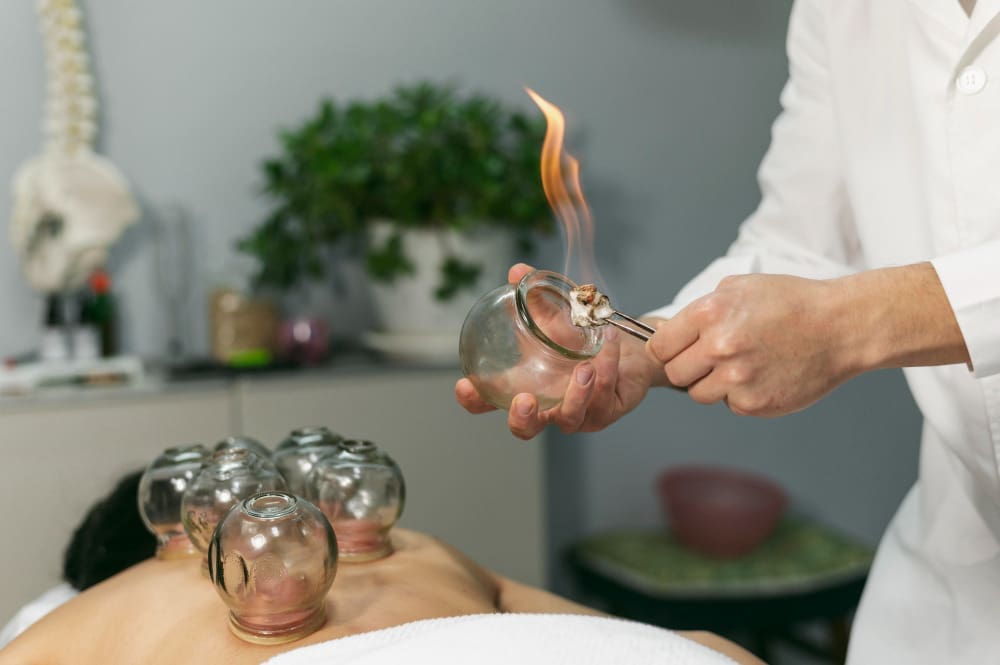
Getting a cancer diagnosis can feel overwhelming. There are many treatment options to think about. At Liv Hospital, we help patients make choices, talking about complementary and alternative medicine (CAM) and traditional care.
It’s important to know the difference between alternative therapies and traditional treatments. Traditional care uses proven methods like surgery, chemotherapy, and radiation. These methods have shown to increase survival rates. On the other hand, alternative treatments are used instead of these standard methods.
More and more cancer patients are interested in CAM therapies. These therapies can help with side effects and make life better. Our aim is to offer caring support and proven treatment plans for every step of the journey.
Key Takeaways
- Conventional cancer care includes evidence-based treatments like surgery, chemotherapy, and radiation.
- Alternative therapies are used in place of standard treatments.
- Complementary and alternative medicine (CAM) can help manage side effects.
- CAM therapies can improve the quality of life for cancer patients.
- Liv Hospital provides compassionate support and evidence-based treatment protocols.
Understanding Cancer Treatment Approaches

Cancer treatment is complex and involves many approaches. This includes conventional, alternative, and complementary therapies. It’s key to understand these options and how they affect patient choices.
The Cancer Treatment Landscape
Cancer treatment has grown more advanced, with many choices for patients. Conventional treatments like surgery, chemotherapy, and radiation are often paired with alternative and complementary therapies. These include mind-body practices and natural products.
Every patient is different, and treatment options keep changing. Thanks to new research and technology, patients can get care plans tailored just for them.
Why Patients Seek Different Treatment Options
Patients choose alternative treatments for many reasons. They might want more control over their care or to manage symptoms. Complementary and Alternative Medicine (CAM) therapies are used alongside conventional treatments to improve overall health.
It’s important to understand why patients choose certain treatments. We help ensure they have the info and resources to make informed decisions.
The Importance of Informed Decision-Making
Making informed decisions is vital in cancer care. It lets patients choose treatments that fit their values and needs. We stress the importance of talking to healthcare providers and understanding the pros and cons of each option.
By working with their care teams, patients can make choices that support their health and well-being.
Defining Conventional Cancer Care
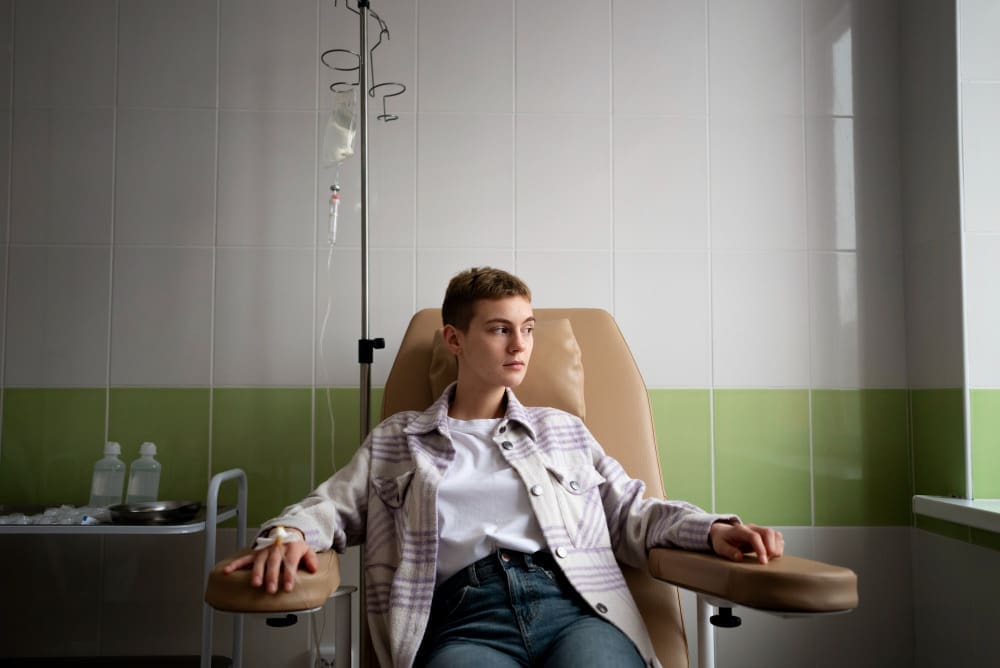
Conventional cancer care is based on proven treatments. It uses surgery, chemotherapy, and radiation therapy. These methods have been tested and shown to work well.
Evidence-Based Standard Treatments
Conventional cancer care includes many effective treatments. These include:
- Surgery: to remove tumors and affected tissues
- Chemotherapy: using drugs to kill cancer cells
- Radiation Therapy: using high-energy rays to target cancer cells
Doctors choose treatments based on research and clinical trials. They use these treatments alone or together, depending on the cancer type and stage.
The Scientific Validation Process
The scientific validation process is key. It makes sure treatments are safe and work well. This process includes:
- Preclinical studies: lab and animal tests to check new treatments
- Clinical trials: human studies to test new treatments in a controlled setting
- Regulatory approval: review by bodies like the FDA to ensure treatments meet high standards
This careful process ensures only treatments that work well are used in hospitals.
Proven Outcomes and Survival Rates
Conventional cancer care has a strong track record. It has improved survival rates over time. Advances in technology and treatment methods have played a big role.
For example, the 5-year survival rate for all cancers has gone up a lot. Here’s a table showing the increase in survival rates for some cancers:
| Type of Cancer | Previous 5-Year Survival Rate | Current 5-Year Survival Rate |
|---|---|---|
| Breast Cancer | 80% | 90% |
| Colorectal Cancer | 65% | 70% |
| Lung Cancer | 15% | 22% |
These improvements show how well conventional cancer care works. They also highlight the ongoing efforts to make treatments even better.
Alternative Cancer Treatments vs. Conventional Approaches
It’s important to know the difference between alternative and conventional cancer treatments. Patients facing cancer have many choices that can affect their health. Understanding these options is key to making good decisions.
What Constitutes Alternative Cancer Treatments
Alternative cancer treatments are used in place of standard treatments. They include diets, herbal supplements, and special devices. But, many of these treatments don’t have strong scientific proof.
It’s important to remember that alternative treatments are not used with conventional treatments. They are used instead of them.
Key Differences in Philosophy and Methodology
Alternative treatments often focus on healing the whole body, not just the tumor. They might use detox or boost the immune system. This is different from conventional treatments, which aim to remove or destroy tumors.
Conventional treatments go through lots of testing to make sure they are safe and work well. Alternative treatments might not get tested as much.
Comparison of Key Features: Conventional vs. Alternative Cancer Treatments
| Feature | Conventional Treatments | Alternative Treatments |
|---|---|---|
| Scientific Validation | Rigorous testing through clinical trials | Limited or no clinical trial data |
| Focus | Removing, destroying, or shrinking tumors | Holistic healing, detoxification, or immune system stimulation |
| Regulatory Oversight | Strict regulation by health authorities | Variable regulation, often less stringent |
Potential Risks of Choosing Alternative-Only Approaches
Choosing only alternative treatments can be risky. It might delay or skip effective treatments, leading to worse outcomes. Some alternative therapies can also have bad side effects or interact with standard treatments.
“The use of unproven or disproven treatments can divert patients from effective therapies and may result in harm.”
Common Misconceptions About Both Treatment Types
Some think conventional treatments are always bad, while alternative ones are safe. But, both have risks and benefits. Conventional treatments are tested for safety, while alternative ones might not be.
Another mistake is thinking alternative treatments are always better for the whole body. But, conventional care also focuses on the patient’s overall health, not just the tumor.
- Conventional treatments are not always a one-size-fits-all solution.
- Alternative therapies can sometimes be used effectively in conjunction with conventional care.
- Patient-centered care is a feature of both conventional and some alternative approaches.
What is Complementary and Alternative Medicine (CAM)?
Complementary and Alternative Medicine (CAM) includes many therapies used with or instead of traditional cancer treatments. These include natural products, mind-body practices, and body-based practices. They help support cancer care.
Defining CAM in the Context of Cancer Care
In cancer care, CAM helps traditional treatments. It improves patient outcomes and quality of life. Cancer patients often use CAM to manage symptoms and stress.
CAM therapies fall into several groups:
- Natural products, such as dietary supplements and herbal remedies
- Mind-body practices, including meditation, yoga, and cognitive-behavioral therapy
- Manipulative and body-based practices, such as massage therapy and acupuncture
The Spectrum of CAM Therapies
CAM therapies are diverse, meeting the varied needs of cancer patients. They are beneficial in several areas:
| Therapy Type | Description | Potential Benefits |
|---|---|---|
| Natural Products | Dietary supplements, herbal remedies | Symptom management, enhanced well-being |
| Mind-Body Practices | Meditation, yoga, cognitive-behavioral therapy | Stress reduction, improved mental health |
| Manipulative and Body-Based Practices | Massage therapy, acupuncture | Pain management, relaxation |
Historical Context and Evolution of CAM
CAM has a long history, rooted in traditional healing practices worldwide. It has evolved with new therapies and approaches. This reflects our growing understanding of health and wellness.
As cancer care advances, CAM therapies are becoming more integrated. This shift highlights the importance of patient-centered care and addressing cancer patients’ complex needs.
Regulatory Considerations for CAM Therapies
The use of CAM therapies is regulated for safety, efficacy, and quality. It’s vital to evaluate the evidence supporting CAM. This ensures they are used safely and responsibly.
CAM will remain a key part of cancer care. Understanding CAM therapies and their benefits helps us move towards more integrated cancer treatment.
Popular CAM Therapy Examples for Cancer Patients
Cancer patients are now using Complementary and Alternative Medicine (CAM) therapies more often. These therapies help manage symptoms and improve life quality. They work alongside traditional treatments for a more complete approach to cancer care.
Mind-Body Practices
Mind-body practices focus on the mind, body, and spirit connection. They help reduce stress, anxiety, and depression, common in cancer patients.
- Meditation: Meditation helps lower anxiety and depression symptoms by focusing the mind.
- Yoga: Yoga combines postures, breathing, and meditation to boost flexibility and well-being.
- Guided Imagery: It uses visualization to relax and reduce stress.
A study in the Journal of Clinical Oncology showed mindfulness-based stress reduction. This includes meditation and yoga, significantly improves anxiety and depression symptoms in cancer patients.
Natural Products and Supplements
Natural products and supplements are popular among cancer patients. But, it’s important to talk to a healthcare provider before adding them to your treatment.
| Supplement | Potential Benefit | Precaution |
|---|---|---|
| Turmeric/Curcumin | Anti-inflammatory properties | May interact with blood thinners |
| Omega-3 Fatty Acids | Reduces inflammation | May interact with chemotherapy |
| Probiotics | Supports gut health | May not be suitable for patients with compromised immune systems |
“The use of natural products and supplements can be beneficial, but it’s essential to discuss these with your healthcare provider. This avoids any interactions with your cancer treatment.”
Body-Based Practices
Body-based practices involve physical manipulation or movement. They promote healing and relaxation. These therapies help manage pain, reduce stress, and improve well-being.
- Massage Therapy: Massage reduces pain, anxiety, and stress.
- Acupuncture: It involves thin needles in specific body points to stimulate healing and reduce pain.
- Physical Therapy: Physical therapy improves mobility and strength during and after cancer treatment.
By adding these CAM therapies to their care plan, cancer patients can improve their quality of life. They can also better manage treatment side effects.
The Evidence Behind CAM Therapies
Cancer patients are turning to CAM therapies more often. It’s important to understand the evidence behind these treatments. We look at the research on how well CAM therapies manage symptoms and improve quality of life.
Research on Effectiveness for Symptom Management
Studies have shown that CAM therapies can help manage symptoms. Mind-body practices like meditation and yoga reduce stress, anxiety, and depression. Natural products and supplements can also help with pain and nausea.
For example, a study on mindfulness-based stress reduction (MBSR) found it greatly reduced anxiety and depression in cancer patients. Acupuncture has also been shown to help manage pain and nausea in cancer patients.
Clinical Studies on Quality of Life Improvements
Clinical studies have looked at how CAM therapies improve quality of life. Therapies like massage, acupuncture, and yoga can improve physical function and reduce fatigue. They also enhance overall well-being.
| CAM Therapy | Quality of Life Improvement | Study Findings |
|---|---|---|
| Massage Therapy | Reduced fatigue, improved physical function | A study found that massage therapy significantly reduced fatigue and improved physical function in cancer patients undergoing chemotherapy. |
| Acupuncture | Reduced pain, improved sleep quality | Research indicated that acupuncture was effective in reducing pain and improving sleep quality in cancer patients. |
| Yoga | Improved overall well-being, reduced stress | A clinical trial found that yoga improved overall well-being and reduced stress levels in cancer patients. |
Limitations in Current Research
While research shows benefits of CAM therapies, there are limitations. Many studies have small sample sizes. We need more large-scale trials to confirm their effectiveness.
Also, the variety in CAM therapies makes it hard to standardize treatments. This complicates comparing results from different studies.
Evaluating Claims and Evidence Quality
When looking at CAM therapy evidence, quality matters. We seek well-designed studies with enough participants. Consistent findings across studies strengthen the evidence.
We must also be wary of exaggerated claims. Any conclusions should be backed by solid, high-quality evidence.
Integrative Medicine: Bridging Conventional and Complementary Approaches
Integrative medicine is changing how we treat cancer. It mixes the best of old and new treatments. This way, it treats the whole person, not just the disease.
The Philosophy of Integrative Cancer Care
The idea behind integrative cancer care is simple. It believes patients should have many treatment options. This method knows cancer is complex and patients have different needs.
Key elements of integrative cancer care include:
- Combining old treatments like surgery and new ones like acupuncture.
- Putting patients first by caring for their body, mind, and spirit.
- Helping patients talk openly with their doctors.
How Medical Teams Coordinate Integrative Approaches
For integrative care to work, a team of doctors is needed. They create a plan that mixes old and new treatments well.
Coordination involves:
- Doctors talking often to make sure they cover all care needs.
- Telling patients about the good and bad of each therapy.
- Watching how patients do and changing plans if needed.
Patient-Centered Care Models
Patient-centered care is key to integrative medicine. It focuses on what patients want and need. This makes care fit each person better.
Benefits of patient-centered care include:
- Happy patients who feel involved in their care.
- Less pain and side effects.
- A better life overall.
Case Studies of Successful Integration
Many stories show how mixing old and new treatments works well in cancer care. These stories show better health, happiness, and sometimes, longer lives.
For example, a patient getting chemo might also get acupuncture for pain. Or mindfulness therapy to reduce stress. These combined efforts help manage symptoms better and improve life quality.
Making Informed Decisions About CAM Therapies
When thinking about Complementary and Alternative Medicine (CAM) therapies, it’s key to make smart choices. These therapies can help manage symptoms and improve life quality. But, it’s important to know their benefits and risks well.
Discussing CAM with Your Healthcare Team
Talking openly with your healthcare team about CAM therapies is a big step. Share your interests and worries with your oncologist or primary care doctor. This can help avoid any bad interactions with your regular treatments.
Keep a list of CAM therapies you’re interested in. Include any research or stories you’ve found. This helps your team understand your choices and guide you better.
Evaluating the Benefits and Risks
Looking into the good and bad sides of CAM therapies is vital. Seek out studies and trusted sources for info. For example, studies show mindfulness and meditation can lower stress and anxiety in cancer patients.
| CAM Therapy | Potential Benefits | Potential Risks |
|---|---|---|
| Acupuncture | Pain relief, nausea reduction | Infection risk if not properly sterilized |
| Mindfulness Meditation | Reduced stress, improved sleep | None identified |
| Herbal Supplements | Potential immune system support | Interactions with conventional treatments |
Red Flags and Warning Signs
Be careful with CAM therapies that have red flags or warning signs. Watch out for therapies that:
- Claim to cure all diseases
- Lack scientific proof
- Use high-pressure sales
- Are given by unqualified practitioners
“The biggest risk with alternative therapies is not that they won’t work, but that they might keep patients from getting treatments that are proven to work.”
Questions to Ask Before Starting Any Therapy
Before starting any CAM therapy, ask your healthcare team some important questions. This ensures you’re making a well-informed choice. Some key questions include:
- What are the benefits and risks of this therapy?
- Is there scientific evidence for this therapy for my condition?
- How will this therapy affect my regular cancer treatment?
- What are the qualifications of the practitioner?
- Are there any side effects or complications I should know about?
By asking these questions and talking openly with your healthcare team, you can make choices that fit your care plan.
Alternative Medicine Cancer Clinics and Centers
The world of cancer treatment is growing. Alternative medicine cancer clinics and centers are playing a big role. They offer holistic and personalized care that goes beyond traditional treatments.
Types of Alternative and Integrative Cancer Centers
Alternative and integrative cancer centers vary a lot. Some focus on specific treatments like naturopathy or homeopathy. Others provide a wide range of services, including mind-body practices and nutrition counseling.
- Centers focused on natural and herbal remedies
- Clinics that offer mind-body therapies like meditation and yoga
- Institutions that combine traditional and alternative treatments
Knowing about the different types of centers helps patients make better choices.
What to Look For in a Reputable Center
Choosing the right alternative or integrative cancer center is key. Look for:
- Well-qualified and experienced medical staff
- Treatments backed by science
- Positive patient reviews and testimonials
- Accreditation and compliance with regulations
By looking at these factors, patients can find a reputable center that fits their needs.
Questions to Ask Before Seeking Treatment
Before starting treatment, ask important questions. This ensures you understand the treatment plan and its benefits and risks.
- What therapies are included in the treatment plan?
- How will treatment outcomes be measured and monitored?
- Are there any interactions with traditional treatments?
- What support services are available for patients and their families?
Asking these questions helps patients make informed decisions and get the care they need.
Insurance and Cost Considerations
It’s important to know the costs of alternative and integrative cancer care. Insurance coverage varies, and some centers offer financing or package deals.
| Insurance Considerations | Cost Factors |
|---|---|
| Check if the center is in-network | Understand the total cost of treatment |
| Verify coverage for specific therapies | Consider additional costs for supplements or services |
By looking at insurance and cost factors, patients can plan their care better.
Conclusion: Creating a Personalized Cancer Care Approach
Cancer care is not the same for everyone. By mixing traditional treatments with CAM therapies, patients can get a care plan that fits them. This way, they can meet their unique needs.
Being involved in your care plan is key. It lets you make choices that match your values and lifestyle. This approach can help manage symptoms better, improve your quality of life, and make you feel better overall.
We suggest patients work with their healthcare team to create a care plan. It should include the best of both traditional and CAM therapies. This way, patients can face their cancer journey with confidence, knowing they’re getting care that’s all about them.
FAQ
What is Complementary and Alternative Medicine (CAM)?
CAM is a group of medical systems and practices not part of regular medicine. We use CAM therapies with conventional treatments to help patients feel better.
What are the differences between alternative cancer treatments and conventional care?
Alternative treatments are used instead of regular treatments. Conventional care is proven to work. We mix the best of both for each patient.
What are some examples of CAM therapies used by cancer patients?
Cancer patients often use meditation, yoga, and supplements. We help them understand the benefits and risks of these therapies.
How do I know if a CAM therapy is safe and effective?
Talk to your healthcare team about CAM therapies. Look at the evidence and watch for red flags. We guide you through this.
Can I use CAM therapies alongside conventional cancer treatments?
Yes, many patients use CAM therapies with regular treatments. We help create a care plan that includes both.
What is integrative medicine, and how does it work?
Integrative medicine combines regular treatments with CAM therapies. Our teams work together to support patients fully.
How do I choose a reputable alternative or integrative cancer center?
Look for accreditation and a qualified team. Ask about treatments and costs. We help you find the right center.
Will my insurance cover CAM therapies or alternative cancer treatments?
Insurance varies. We help you understand what’s covered and what costs you’ll face.
How can I make informed decisions about my cancer care?
Work with your healthcare team to create a care plan that fits you. Combining conventional and CAM therapies helps you make informed choices.
References
- National Cancer Institute (NCI). Complementary and Alternative Medicine. https://www.cancer.gov/about-cancer/treatment/cam
- Cancer Research UK. Difference Between Complementary and Alternative Therapies. https://www.cancerresearchuk.org/about-cancer/treatment/complementary-alternative-therapies/about/difference-between-therapies
- Canadian Cancer Society. What Are Complementary Therapies? https://cancer.ca/en/treatments/complementary-therapies/what-are-complementary-therapies
- MedlinePlus. Cancer: Alternative Therapies. https://medlineplus.gov/canceralternativetherapies.html
- National Center for Complementary and Integrative Health (NCCIH). Cancer and Complementary Health Approaches: What You Need to Know. https://www.nccih.nih.gov/health/cancer-and-complementary-health-approaches-what-you-need-to-know