Last Updated on December 3, 2025 by

Kidney disease is a silent threat to millions of Americans. Shockingly, 9 out of 10 adults with chronic kidney disease remain unaware of their condition. At Liv Hospital, we stress the need for early detection and preventive care. This helps patients catch warning signs before kidney function drops too low.
The Centers for Disease Control and Prevention say over one in seven U.S. adults have chronic kidney disease (CKD). Spotting subtle signs of kidney damage is key for timely action and treatment. We’ll cover the 7 early signs of kidney problems, helping you protect your kidney health.
Key Takeaways
- Understanding the risks and signs of kidney disease is vital for early detection.
- Kidney disease affects about 37 million Americans.
- 9 out of 10 adults with CKD don’t know they have it.
- Early detection can stop kidney disease from getting worse.
- Liv Hospital is dedicated to preventive care and empowering patients.
The Silent Health Crisis: Understanding Kidney Disease

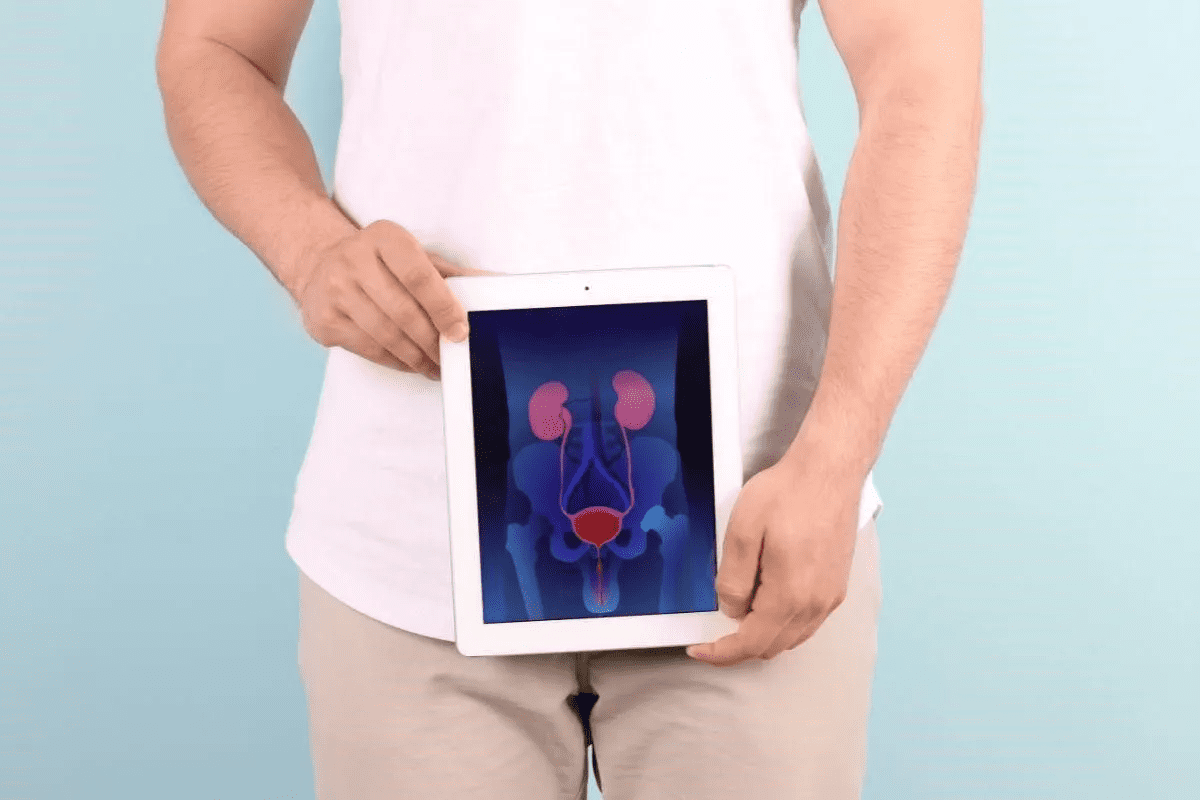
It’s important to know about kidney disease for our health. Our kidneys filter waste and excess fluids. They also help control blood pressure and keep our body’s balance.
What Your Kidneys Do and Why They Matter
The kidneys are two bean-shaped organs in our lower back. They filter about 200 liters of blood every day. This removes waste and keeps our body’s cells and organs working right.
Kidney Functions:
- Filtering waste and excess fluids from the blood
- Regulating blood pressure through hormone secretion
- Maintaining electrolyte balance
- Producing erythropoietin, a hormone that stimulates red blood cell production
The Alarming Statistics: 37 Million Americans Affected
Chronic kidney disease (CKD) is a big health problem in the U.S. It affects about 37 million adults. CKD causes gradual damage or loss of kidney function. It’s more common in people with diabetes, high blood pressure, and a family history of kidney disease.
| Population Group | CKD Prevalence |
| Diabetes | 38.2% |
| Hypertension | 25.8% |
| Family History of Kidney Disease | 23.1% |
Knowing about these numbers and how kidneys work is key. It helps us catch kidney disease early. By understanding risks and taking action, we can protect our kidneys and stay healthy.
What Are the First Signs of Kidney Disease?

Kidney disease often starts without clear signs. This makes it key to spot its early signs. In the beginning, kidney disease usually doesn’t show obvious symptoms. It’s called a “silent” condition because of this.
Why Kidney Disease Is Called “Silent”
The term “silent” fits kidney disease because it can progress without clear signs. This makes it hard for people to catch it early without tests.
Knowing the risk factors and possible signs is important. It helps in catching kidney disease early.
The Detection Gap: 9 Out of 10 Don’t Know They Have It
Statistics show that about 9 out of 10 people with kidney disease don’t know they have it. This highlights the need for more awareness and screenings, mainly for those at risk.
Regular health checks and knowing the risk factors can help. They can lead to an early diagnosis and treatment.
When Symptoms First Appear
When kidney disease symptoms show up, they can be different. You might notice changes in how you pee, swelling in your hands and feet, or feeling very tired. Spotting these signs and getting medical help is vital to stop more damage.
We stress the importance of watching your health. Don’t ignore signs that might mean you have kidney disease.
Sign #1: Changes in Urination Patterns
Changes in how often you pee can be a sign of kidney disease. Our kidneys filter waste and excess fluids. Any problem with this can cause noticeable changes in urination.
Frequency and Urgency Changes
One common change is how often and urgently you pee. Increased frequency, like peeing a lot at night, means your kidneys might not be working right. Some people pee less or have trouble starting. Feeling a sudden need to pee can also be a sign of kidney problems.
Color and Appearance Changes
The color and look of your pee can tell you about your kidney health. Normal pee is pale yellow. But, if your kidneys aren’t working, pee might be darker, cloudy, or have blood. Blood in the pee (hematuria) can mean kidney disease or other urinary tract problems.
When to Be Concerned About Urination Changes
When should you worry about changes in how you pee? If you notice any of these, see a doctor:
- Big changes in how often or urgently you pee
- Changes in pee color or look
- Pain or discomfort while peeing
- Difficulty starting or stopping pee
| Urination Change | Possible Indication |
| Increased frequency, specially at night | Kidney disease or diabetes |
| Decreased frequency or difficulty urinating | Urinary tract obstruction or kidney issue |
| Dark or cloudy urine | Dehydration or kidney disease |
| Blood in urine | Kidney disease, infection, or stones |
Sign #2: Foamy or Bubbly Urine
Urine that stays foamy or bubbly might show kidney damage. This happens when the kidneys can’t filter properly. As a result, proteins leak into the urine.
What Causes Excessive Foam in Urine
Excessive foam in urine often means kidney damage. It’s usually due to albumin, a protein that should stay in the blood. When kidneys are damaged, proteins leak into the urine, making it foamy.
Other things can also make urine foam, like:
- High protein intake
- Dehydration
- Certain medications
Distinguishing Normal vs. Abnormal Foam
It’s key to tell normal foam from abnormal foam. Normal foam happens when you urinate hard and goes away fast. But abnormal foam stays and looks like egg foam.
To understand foamy urine linked to kidney disease, check this table:
| Characteristics | Normal Foam | Abnormal Foam |
| Persistence | Dissipates quickly | Persists |
| Appearance | Light, fluffy | Thick, resembles egg whites |
| Associated Factors | Forceful urination | Protein leakage, kidney damage |
If your urine is always foamy or bubbly, see a doctor. They can check for kidney problems. Finding issues early can help a lot with treatment.
Sign #3: Swelling in Hands, Feet, and Ankles
Edema in the hands, feet, and ankles is a sign that kidney health might be at risk. Healthy kidneys help remove excess fluid. But, kidney disease can stop this process, causing swelling.
Why Kidney Disease Causes Edema
Kidney disease makes it hard for the kidneys to remove waste and fluids. This leads to fluid buildup in tissues, causing swelling. Swelling often shows up in the feet and ankles but can also happen in the hands.
Sodium Retention and Its Effects on the Body
Sodium retention is another reason for edema in kidney disease. If kidneys don’t work right, they can’t process sodium well. This means more sodium and water in the body, making swelling worse.
To understand how sodium retention leads to edema, let’s look at its effects:
| Sodium Level | Body’s Response | Resulting Symptom |
| Normal | Proper fluid balance | No swelling |
| High | Fluid retention | Edema in hands, feet, and ankles |
Knowing why edema and sodium retention happen helps spot kidney problems early. It’s important to get medical help if you notice these signs.
Sign #4: Persistent Fatigue and Weakness
One of the most common symptoms of kidney disease is feeling tired and weak all the time. When kidneys don’t work right, they can’t filter waste well. This leads to toxins in the blood, making you feel tired and foggy.
Fatigue is more than just feeling tired. It’s a deep exhaustion that doesn’t go away with rest. It can make simple tasks hard to do.
The Kidney-Anemia Connection
Anemia is a big reason for fatigue in kidney disease patients. Anemia happens when kidneys don’t make enough erythropoietin, a hormone needed for red blood cells. Red blood cells carry oxygen to our bodies. Without enough, we feel weak and tired.
How Reduced Red Blood Cell Production Affects Energy
Less red blood cells mean less oxygen for our cells. Even simple tasks can feel exhausting when our cells don’t get enough oxygen. This is tough for people who are usually full of energy.
| Causes of Fatigue in Kidney Disease | Effects on the Body |
| Buildup of toxins due to poor kidney function | Feeling tired, sluggish, or mentally foggy |
| Anemia due to insufficient erythropoietin production | Reduced red blood cell count, leading to weakness and fatigue |
| Inadequate oxygen delivery to tissues and organs | Exhaustion, even with simple tasks |
It’s important to know how kidney disease and fatigue are connected. If you’re always tired and weak, see a doctor to find out why.
Sign #5: Skin Itching and Rashes
Kidney disease can show up in unexpected ways, like skin itching and rashes. Healthy kidneys keep the right balance of minerals and nutrients in our blood. When they don’t work right, toxins and mineral imbalances can harm our skin.
Mineral Imbalances and Their Effect on Skin Health
Mineral imbalances often happen with kidney disease. When kidneys can’t filter waste well, minerals like phosphorus build up. This can cause skin irritation, leading to itching and rashes. An imbalance of calcium can make skin problems worse.
The itching from kidney disease, called uremic pruritus, can be very bothersome. It can happen anywhere but often affects the back, arms, and legs. This itching can be so bad it keeps you awake and lowers your quality of life.
Managing Kidney-Related Skin Problems
Dealing with skin itching and rashes from kidney disease needs a few steps. First, treating the kidney problem is key. This might include changing your diet to lower phosphorus intake.
Using creams and moisturizers can help with itching. Sometimes, doctors will prescribe medicines for itching or skin inflammation. Keeping your skin clean and using gentle products is also important.
If you have ongoing skin itching or rashes, see your doctor. Early treatment of kidney disease can reduce its symptoms, including skin problems.
Sign #6: Puffiness Around the Eyes
Seeing puffiness around your eyes, even in the morning, might signal a bigger issue. It could mean your kidneys are not working right.
Protein Leakage and Eye Puffiness
Healthy kidneys keep proteins in the blood. But if they’re damaged, proteins leak into the urine. This can cause fluid to build up in your body, like around your eyes. “Proteinuria,” or too much protein in the urine, is a sign of kidney disease.
When Morning Eye Swelling Signals Kidney Issues
Eye swelling now and then is normal. But if it happens every morning, it’s a red flag. Kidney disease can cause swelling, including around the eyes, because of fluid retention. If you see this often, talk to your doctor.
As one medical expert says,
“The presence of edema, particularily around the eyes, can be an early warning sign that kidney function is compromised.”
We should not ignore these signs. Instead, we should take steps to check our kidney health.
Knowing the connection between eye puffiness and kidney disease helps spot problems early. If you have ongoing eye swelling and other symptoms like changes in urination or fatigue, get medical help.
Sign #7: Blood in Urine
Blood in urine, known as hematuria, is a key sign. It may point to kidney disease or other health problems. We’ll look into what hematuria means for your kidneys.
Visible vs. Microscopic Hematuria
Hematuria comes in two forms: visible and microscopic. Visible hematuria makes urine look pink, red, or cola-like. Microscopic hematuria, though, needs a microscope to spot blood cells.
Both types hint at health issues like kidney disease, infections, or stones. Seeing unusual urine changes? See a doctor right away.
Other Possible Reasons for Blood in Urine
Hematuria isn’t just about kidney disease. Other causes include:
- Urinary tract infections (UTIs)
- Kidney stones
- Bladder or kidney cancer
- Prostate issues
- Trauma or injury to the urinary tract
Getting a detailed medical check is key. Tests and scans help find the cause. This way, you get the right treatment.
Advanced Symptoms and Testing for Kidney Disease
As kidney disease gets worse, new symptoms show up, needing quick medical help. The kidneys are badly damaged, affecting many body functions.
Later-Stage Symptoms to Watch For
In advanced kidney disease, symptoms get worse. Nausea and vomiting can cause dehydration and poor nutrition. Muscle cramps happen due to imbalanced electrolytes. Also, trouble sleeping adds to fatigue and discomfort.
Other signs include shortness of breath, chest pain, and swelling in the legs and feet. These show the disease has worsened and needs urgent care.
Essential Blood and Urine Tests for Diagnosis
Diagnosing kidney disease needs blood and urine tests. The serum creatinine test checks for creatinine, a waste product. The estimated Glomerular Filtration Rate (eGFR) test shows kidney function based on creatinine, age, and sex.
Urine tests, like urinalysis, look for protein or blood in the urine. The urine albumin-to-creatinine ratio test finds albumin, showing kidney damage.
Who Should Get Regular Kidney Function Testing
Some people are more likely to get kidney disease and should get tested often. This includes those with diabetes, high blood pressure, and a family history of kidney disease. Also, people over 60 and those who are overweight or obese should get tested regularly.
Testing early can catch kidney disease before it gets worse. This helps manage the disease and prevent complications.
Conclusion: Protecting Your Kidney Health
Keeping your kidneys healthy is key to feeling good overall. Knowing the signs of kidney disease and acting early can help a lot. It’s important to manage risks, live a healthy lifestyle, and get regular check-ups.
Eating right, exercising often, and drinking plenty of water are good for your kidneys. Also, cutting down on salt and not smoking can help. Regular doctor visits can catch problems early, so they can be treated quickly.
By focusing on your kidney health, you can lower your risk of kidney disease. We urge everyone to look after their kidneys and see a doctor if they notice any issues.
FAQ
What are the early symptoms of kidney disease?
Early signs of kidney disease include changes in how you urinate. You might also notice swelling in your hands and feet. Feeling tired, itchy skin, and puffiness around your eyes are other symptoms. Blood in your urine is a clear sign too.
How would you know if you have kidney problems?
Kidney problems might show up as changes in urination or swelling. Feeling very tired or having itchy skin are also signs. Puffiness around your eyes and blood in your urine are red flags. If you notice these, see a doctor.
What are the signs of renal problems?
Renal problems can cause changes in urination and swelling. Feeling tired or having skin issues are also signs. Eye puffiness, blood in urine, and foamy urine are other indicators. Persistent weakness is a warning sign too.
How do I know if I have bad kidneys?
Bad kidneys might show symptoms like changes in urination or swelling. Feeling tired or having skin issues are also clues. If you notice these, see a doctor for tests.
What is a sign of kidney damage?
Kidney damage can show as blood in urine or foamy urine. Swelling, fatigue, and skin issues are also signs. If you see these, get medical help right away.
How do you know if you have kidney issues?
Kidney issues might show as changes in urination or swelling. Feeling tired or having skin problems are clues. If you notice these, see a doctor for a check-up.
What are the signs of kidney disease?
Kidney disease signs include changes in urination or swelling. Feeling tired or having itchy skin are also signs. Puffiness around your eyes and blood in urine are clear warnings. If you see these, get medical help.
How to know if your kidneys are bad?
Bad kidneys might show symptoms like changes in urination or swelling. Feeling tired or having skin issues are clues. If you notice these, see a doctor for tests.
What are the symptoms of kidney problems?
Kidney problems can show as changes in urination or swelling. Feeling tired or having itchy skin are signs. Puffiness around your eyes and blood in urine are clear warnings. If you see these, get medical help.
How to know if you have kidney damage?
Kidney damage might show as blood in urine or foamy urine. Swelling, fatigue, or skin issues are also signs. If you notice these, see a doctor for tests.
References
- Kanno, T., Kubota, M., Sakamoto, H., Higashi, Y., Nomi, H., Okada, Y., & Morozumi, M. (2020). The natural history of asymptomatic renal stones ≤5 mm. World Journal of Urology, 38(12), 3163–3169. https://pubmed.ncbi.nlm.nih.gov/32703025/