Last Updated on December 2, 2025 by Bilal Hasdemir

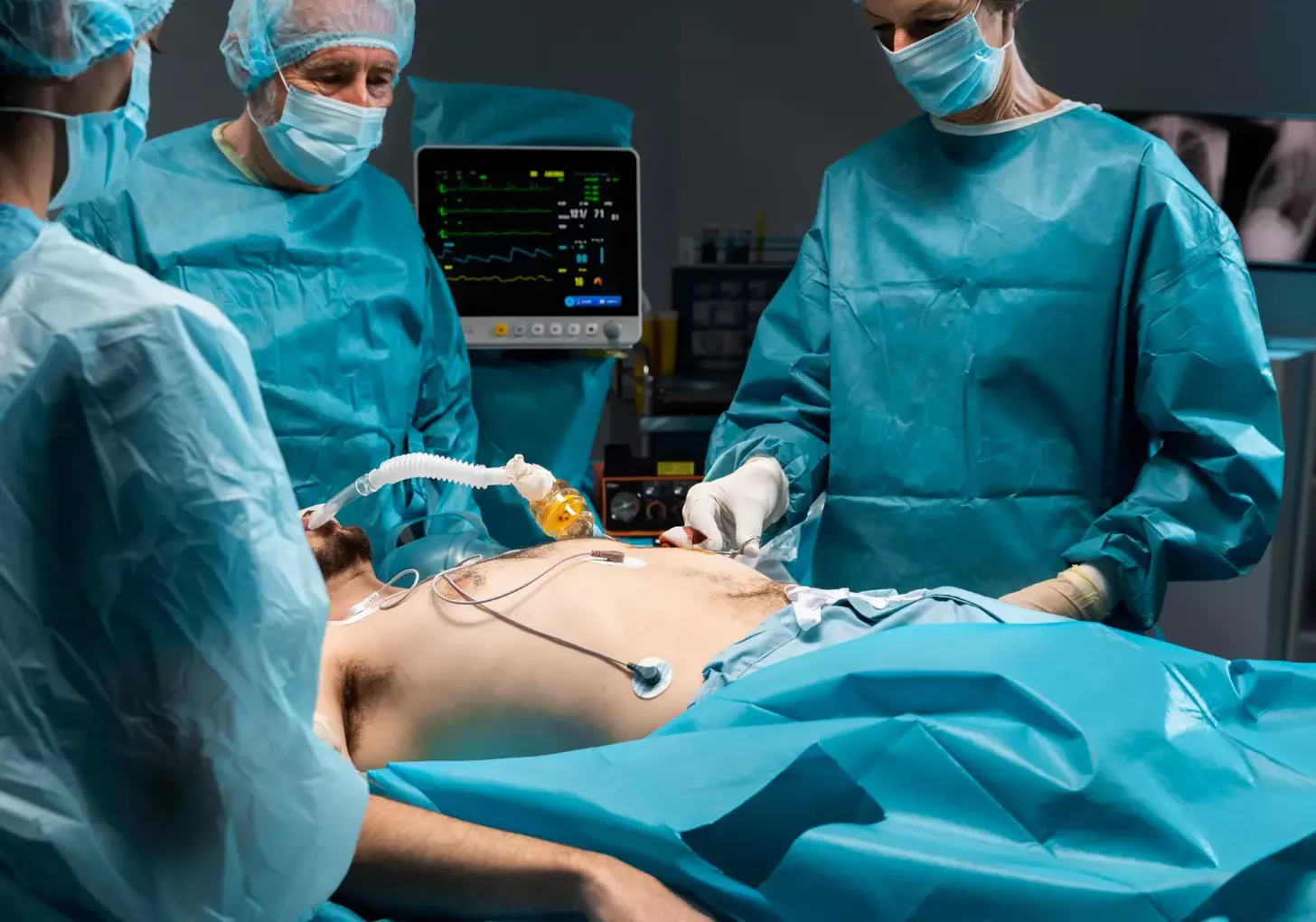
Nearly 800,000 people in the United States have hernia surgery every year. It’s a common procedure that needs careful care after. A smooth recovery is key to avoid problems and help healing.
After hernia surgery, patients must know what they can’t do. This helps them recover well. It’s important to know which activities to skip and why rest is vital.
Knowing post hernia surgery limitations helps patients avoid complications. It’s critical to follow the doctor’s advice for a quick and safe recovery.
Key Takeaways
- Understand the type of activities to avoid after hernia surgery.
- Follow post-operative guidelines for a smooth recovery.
- Be aware of the importance of rest after hernia surgery.
- Minimize the risk of complications by knowing hernia surgery recovery restrictions.
- Ensure a successful recovery by following post hernia surgery limitations.
Understanding Hernia Surgery: A Brief Overview

Knowing the basics of hernia surgery is key for a smooth recovery. Hernia surgery fixes a hernia, where an organ bulges through a weak spot in the muscle or tissue. This weak spot is usually where the muscle or tissue should hold the organ in place.
Common Types of Hernias
There are many types of hernias that surgery can fix. The most common ones are:
- Inguinal Hernia: This happens when tissue, like part of the intestine, pushes through a weak spot in the abdominal muscles in the groin area.
- Umbilical Hernia: It occurs near the belly button when the intestine bulges through the abdominal wall.
- Incisional Hernia: This type develops through a scar or incision in the abdominal wall from previous surgery.
Each hernia type has its own traits and might need a unique surgery approach.
Surgical Approaches for Hernia Repair
Hernia repair can be done in two main ways: open surgery and laparoscopic surgery.
- Open Hernia Repair: This method involves making a big incision in the abdomen. The surgeon then pushes the hernia back in place and uses mesh or sutures to strengthen the area.
- Laparoscopic Hernia Repair: This is a less invasive option. It uses small incisions to insert a laparoscope and tools to fix the hernia.
The choice between these methods depends on the hernia’s type and size, the patient’s health, and the surgeon’s skills.
Understanding the hernia type and the surgery method helps patients follow post-operative instructions better. It also makes the recovery process clearer.
The Importance of Post-Operative Restrictions

Post-operative restrictions are not just guidelines; they are critical for minimizing the risk of complications after hernia surgery. These restrictions are designed to promote healing, reduce the risk of infection, and prevent recurrence of the hernia.
Why Restrictions Matter for Recovery
Following post-operative restrictions is essential for a successful recovery. By adhering to these guidelines, patients can:
- Minimize the risk of infection and other complications
- Promote healing and reduce the risk of recurrence
- Reduce post-operative pain and discomfort
- Return to normal activities more quickly
Adhering to post-operative restrictions requires discipline and patience, but it is critical for achieving optimal outcomes after hernia surgery.
Consequences of Ignoring Post-Surgery Guidelines
Ignoring post-surgery guidelines can have serious consequences, including:
- Infection: Failure to follow proper wound care and hygiene can lead to infection.
- Bleeding: Ignoring restrictions on physical activity can cause bleeding or hematoma.
- Recurrence: Not adhering to lifting restrictions or other activity limitations can lead to recurrence of the hernia.
The risks associated with ignoring post-surgery guidelines far outweigh any perceived benefits of rushing the recovery process.
What Are the Restrictions After Hernia Surgery?
Knowing the rules after hernia surgery is key for a good recovery. It helps avoid problems and lets the area heal right. There are certain things you can’t do to keep the area safe.
Immediate Post-Operative Restrictions
Right after surgery, you must stay away from activities that might hurt the area. This means no heavy lifting, bending, or hard work. These rules help avoid issues like bleeding, infection, or the hernia coming back.
Be careful with how you move. Try not to twist or turn too much. It’s best to move slowly and gently at first. Then, you can start doing more as your doctor says it’s okay.
General Activity Limitations
There are also general rules to follow. Stay away from contact sports, hard workouts, or heavy lifting or bending. These can stress the area too much and cause problems.
Activity | Recommended Limitation |
Heavy Lifting | Avoid lifting objects over 10 pounds for 6 weeks |
Bending or Strenuous Activities | Avoid for 4-6 weeks |
Contact Sports | Avoid for 6-8 weeks or as advised |
Following these rules is very important for a good recovery. By sticking to them, you can lower the chance of problems and help your body heal well.
Lifting Restrictions Following Hernia Repair
Lifting restrictions after hernia repair are key to recovery. They depend on the surgery type. Following these rules helps avoid problems and aids in a smooth healing.
Weight Limitations by Surgery Type
The weight you can lift after hernia surgery changes based on the surgery method. Most doctors say to avoid lifting over 10-20 pounds for weeks after surgery.
- Laparoscopic Surgery: Those who have laparoscopic surgery might lift a bit more sooner. But, always listen to your doctor’s advice.
- Open Surgery: Open surgery patients face stricter lifting rules. This is because of the bigger cut and longer healing time.
Talking to your doctor is key to knowing the right weight limits for you. This depends on your surgery and health.
Proper Lifting Techniques During Recovery
Even when lifting is okay, using the right techniques is important. This helps avoid straining your abdominal muscles. Here are some tips:
- Bend at the Knees: Squat to lift, not bend at the waist. This keeps your back straight.
- Lift with Your Legs: Lift with your legs, not your back. Your legs are stronger and can handle the work better.
- Avoid Twisting: Twisting strains your abdominal muscles. Move by pivoting with your feet instead.
- Keep Objects Close: Hold objects close to your body when lifting. This reduces strain on your back and muscles.
By following these tips and consulting with your doctor, you can significantly reduce the risk of complications. This ensures a good recovery after hernia surgery.
Dietary and Bathroom Restrictions After Surgery
A well-planned diet and careful bowel management are key to recovering from hernia surgery. Patients must watch what they eat and their bathroom habits. This helps avoid complications and ensures a smooth recovery.
Recommended Diet Changes
After hernia surgery, eat a balanced diet full of fiber, fruits, and vegetables. This helps manage constipation and promotes regular bowel movements. Foods high in fiber include:
- Whole grains like brown rice, quinoa, and whole-wheat bread
- Fruits such as apples, bananas, and berries
- Vegetables like broccoli, carrots, and leafy greens
- Legumes including beans, lentils, and peas
Also, drink plenty of water. Staying hydrated softens stool and makes bowel movements easier.
Managing Constipation and Bowel Movements
Managing constipation is key after hernia surgery to avoid straining. Here are some tips:
- Stay Hydrated: Drink plenty of water throughout the day.
- High-Fiber Diet: Include fiber-rich foods in your diet as mentioned earlier.
- Physical Activity: Gradually resume light physical activities as advised by your doctor.
- Stool Softeners: If necessary, use stool softeners or laxatives as recommended by your healthcare provider.
Establishing a regular bowel routine is also beneficial. Try to have a bowel movement at the same time each day. This can help regulate your bowel habits.
Exercise and Physical Activity Limitations
After hernia surgery, knowing what exercises to avoid is key. It helps ensure a smooth recovery. Patients must follow these guidelines closely.
When You Can Resume Light Activities
Patients can start with light activities like walking or stretching soon after surgery. The exact time depends on the surgery type and your health. Usually, you can begin with short walks and gentle movements a few days after surgery.
It’s important to listen to your body. If you feel pain or discomfort, stop and rest. This is for your safety.
Gradually Increasing Exercise Intensity
As you get better, you can do more intense exercises. Always follow your healthcare provider’s advice or a physical therapist’s. They will tailor the advice to your needs and surgery details.
Key considerations when increasing exercise intensity:
- Start with low-impact activities and gradually move to more strenuous exercises.
- Monitor your body’s response to increased activity.
- Avoid any exercise that causes pain or discomfort.
Sports and High-Impact Activities
High-impact activities, like contact sports, should be avoided for a while after surgery. The exact time depends on your hernia type and surgery. Your healthcare provider will tell you when it’s safe to start again.
It’s vital to prioritize your recovery and not rush back into high-impact activities too quickly.
Driving and Travel Restrictions
Knowing the rules for driving and travel after hernia surgery is key for a smooth recovery. It’s important to follow guidelines for driving and air travel. This helps avoid any issues during your recovery.
When It’s Safe to Drive Again
After hernia surgery, it’s best to wait until you’re off narcotic pain meds. You should be able to sit and drive without pain. This usually happens when:
- You can react quickly to unexpected situations on the road.
- You can comfortably wear a seatbelt without experiencing significant pain.
- You are not taking narcotics that could impair your driving ability.
The time it takes to drive again varies. It depends on how fast you recover and the surgery type. Always listen to your doctor’s advice.
Air Travel Considerations After Hernia Surgery
Flying after hernia surgery needs some extra care. While flying is okay, consider these tips:
- Avoid heavy lifting and bending during travel. This includes lifting luggage or carrying heavy bags.
- Choose a comfortable seat with enough legroom to minimize discomfort during the flight.
- Move regularly during the flight to prevent blood clots. Get up and walk up and down the aisle periodically.
Talk to your doctor before flying, for long or international trips. They can give advice based on your surgery and health.
Following these guidelines helps avoid complications. It makes your recovery smoother.
Returning to Work: Timeline and Considerations
Going back to work after hernia surgery needs careful thought. It depends on your job and how big the surgery was. Jobs that are active or sedentary affect recovery times differently.
Office and Sedentary Jobs
People with office jobs or those who sit a lot can usually go back sooner. They might start working again in 1-2 weeks if they’re not in too much pain. But, always listen to your doctor about when to return.
Physical and Labor-Intensive Occupations
Jobs that require lifting, bending, or lots of physical effort take longer to recover from. These jobs might need 4-6 weeks or more to get back to. It’s important to avoid heavy lifting and hard work early on to avoid problems.
Workplace Accommodations During Recovery
Workplace changes can make going back to work easier. Some ideas include:
- Changing duties to avoid heavy lifting or hard work
- Flexible hours for rest
- Adjusting the work area to make it easier on the body
Talking to your boss about these changes can help you return safely and smoothly.
Some might do better with a slow return to work. Starting with part-time or easier tasks can help. This way, you can avoid problems and recover better.
Sexual Activity Restrictions and Guidelines
After hernia surgery, many patients wonder when they can safely have sex again. It’s important to know the rules to make sure your recovery goes smoothly and safely.
When It’s Safe to Resume Sexual Activity
The time it takes to start having sex again can vary. It depends on how well you’re recovering and the type of surgery you had. Usually, doctors say wait 2-4 weeks before starting again. But always listen to what your doctor tells you.
Key Considerations:
- Wait for your doctor’s approval before resuming sexual activity.
- Start with gentle and comfortable positions.
- Avoid any positions that cause discomfort or pain.
Positions and Precautions to Consider
When you start having sex again, avoid positions that make you lift, bend, or strain. These can hurt the area where you had surgery. Choose positions that feel good and don’t hurt.
Recommended Positions | Positions to Avoid |
Missionary position | Positions requiring heavy lifting or bending |
Spooning | Positions that cause strain on the abdominal area |
Talking to your partner about how you feel is key. Let them know if you’re in pain or uncomfortable. Using lubricant can also help make things more comfortable.
By following these tips and listening to your body, you can safely start having sex again after hernia surgery.
Pain Management and Medication Restrictions
It’s key for patients to know about pain management and medication rules after hernia surgery. Good pain control helps in a smooth recovery and less discomfort.
Guidelines for Prescribed Pain Medication
Patients usually get pain meds after hernia surgery. It’s important to stick to the dosage and schedule to avoid side effects. Always talk to your doctor before changing your meds.
- Take pain medication as directed by your healthcare provider.
- Be aware of possible side effects and tell your doctor.
- Don’t take more than the recommended dose or too often.
Over-the-Counter Pain Relief Options
OTC pain relief like acetaminophen or ibuprofen can also help. But, always check with your doctor before adding more meds.
“It’s always best to consult with your healthcare provider before taking any new medication, specially when you’re already on prescribed pain management.”
When to Reduce or Stop Pain Medications
As you heal, you might need less pain meds. Your doctor will guide you on when to start tapering off. It’s best to slowly reduce the dosage with your doctor’s help.
By following pain management tips, patients can have a safer and more comfortable recovery from hernia surgery.
Specific Restrictions by Hernia Type and Surgical Approach
Knowing the specific rules for your hernia and surgery is key for a smooth recovery. The type of hernia and the surgery method greatly affect your care and what you can do after.
Inguinal Hernia Repair Restrictions
After inguinal hernia repair, you should avoid heavy lifting, bending, or hard work for weeks. Lifting restrictions usually range from 5 to 10 pounds for the first few weeks. Also, you might not drive for a few days to a week, based on your pain and the vehicle.
Slowly getting back to physical activities with your doctor’s help is important for a good recovery.
Umbilical Hernia Repair Restrictions
For umbilical hernia repair, the rules are similar to inguinal hernia repair. You should avoid heavy lifting and hard work. Watch your belly for any signs of trouble, like more pain or swelling.
Incisional Hernia Repair Restrictions
Incisional hernia repair, from previous surgeries, needs careful post-op care. Heavy lifting might be off-limits for 4 to 6 weeks. You should slowly get back to normal activities.
Laparoscopic vs. Open Surgery Recovery Differences
The surgery type, laparoscopic or open, affects recovery. Laparoscopic surgery causes less damage and smaller cuts, leading to faster healing and less pain. But, the exact rules depend on the doctor and your situation.
Laparoscopic surgery patients might get back to normal faster, in weeks. Open surgery patients might need more time to recover.
Long-Term Lifestyle Adjustments to Prevent Recurrence
Changing your lifestyle long-term is key to avoiding hernia problems after surgery. These changes are not just suggestions. They are necessary steps that can greatly improve surgery success and your health.
Permanent Lifestyle Modifications
It’s important to make lasting lifestyle changes to stop hernias from coming back. Keeping a healthy weight is a big part of this. Too much weight can put extra stress on your belly, making hernias more likely. Eating well and staying active can help you keep a healthy weight.
Also, avoid lifting heavy things. This can strain your belly muscles and lead to hernias again. If you must lift, do it carefully to avoid injury.
Recommended Lifestyle Changes
Lifestyle Change | Benefit |
Maintaining a healthy weight | Reduces strain on the abdominal wall |
Avoiding heavy lifting | Minimizes strain on abdominal muscles |
Engaging in core-strengthening exercises | Strengthens abdominal muscles |
Core-Strengthening Exercises for Hernia Prevention
Doing exercises that strengthen your core is a smart way to prevent hernias. These exercises make your belly muscles stronger, which helps support the weak area. Start with easy exercises and slowly get harder ones with help from a doctor or physical therapist.
“Core-strengthening exercises are a key part of preventing hernias from coming back. They help make your belly muscles stronger, which lowers the risk of future problems.”
For more info on preventing hernias after laparoscopic surgery, check out .
By making these lifestyle changes a part of your daily life, you can greatly lower the chance of hernias coming back. This way, you can live a healthier and more active life.
Conclusion
Knowing what to do after hernia surgery is key for a good hernia surgery recovery. By sticking to the post-operative rules, patients can heal faster and avoid problems.
Good post operative care means following certain rules. This includes not lifting too much, eating right, and exercising carefully. These steps help make the recovery smooth and safe.
Thinking about long-term outcomes means making lifestyle changes. This includes doing exercises that strengthen the core to prevent the hernia from coming back. By doing these things every day, patients can fully recover and stay healthy.
A good recovery from hernia surgery needs a whole plan. This includes taking care of yourself after surgery, making lifestyle changes, and focusing on long-term health. By doing these things, patients can get better faster and feel better overall.
FAQ
What are the immediate restrictions after hernia surgery?
Right after hernia surgery, you should avoid heavy lifting and bending. This helps prevent complications and aids in healing.
How long should I avoid heavy lifting after hernia surgery?
The time to avoid heavy lifting varies. It depends on the surgery type and your health. Usually, lifting objects over 10-15 pounds is not advised for weeks.
Can I drive after hernia surgery?
It’s not safe to drive right after hernia surgery. Wait until you’re off pain meds and feel safe driving, usually a few days to a week.
What dietary changes should I make after hernia surgery?
Eat a balanced diet with lots of fiber to prevent constipation and aid healing. Drinking plenty of water is also key.
When can I resume sexual activity after hernia surgery?
When you can start being sexual again depends on your pain level and medication use. It’s usually 2-4 weeks after surgery.
Are there specific exercises I should avoid after hernia surgery?
Yes, avoid high-impact activities, heavy lifting, and bending. The specific exercises to skip depend on your hernia type and surgery.
How long does it take to recover from hernia surgery?
Recovery time varies by surgery type, health, and surgery extent. Most people can get back to normal in 2-6 weeks.
Can I travel after hernia surgery?
Talk to your doctor about traveling after hernia surgery. It’s best to avoid long trips, like flying, until you’re fully recovered, usually 2-4 weeks.
What are the signs of complications after hernia surgery?
Look out for severe pain, fever, redness, swelling, trouble urinating, or infection signs. Seek medical help right away if you notice these.
How can I prevent hernia recurrence?
To prevent hernia recurrence, maintain a healthy weight, avoid heavy lifting, and do exercises that strengthen your core.
Are there different restrictions for laparoscopic versus open hernia surgery?
Yes, recovery and restrictions differ between laparoscopic and open surgery. Laparoscopic surgery might have less trauma and quicker recovery. Always follow your doctor’s specific guidelines based on your situation.
References
National Center for Biotechnology Information. Evidence-Based Medical Insight. Retrieved from https://www.ncbi.nlm.nih.gov/pmc/articles/PMC9200870/