Last Updated on November 26, 2025 by Bilal Hasdemir

Knowing the stages of brain tumor cancer is key for those diagnosed. Unlike other cancers, brain tumors usually don’t spread outside the brain. So, a special grading system is used.
The World Health Organization (WHO) has a system for brain tumor stages. It looks at cell appearance, growth speed, and how aggressive the tumor is. This helps figure out how well you might do and what treatments are best. We use this system to give top-notch care and support at every cancer treatment stage.
Key Takeaways
- The WHO grading system categorizes brain tumors into four grades.
- Understanding the grade is key for knowing your prognosis.
- Treatment choices depend on the tumor’s grade.
- How well you might do with Stage 2 brain cancer depends on many things.
- Our team offers complete care and support.
Understanding Brain Tumor Classification
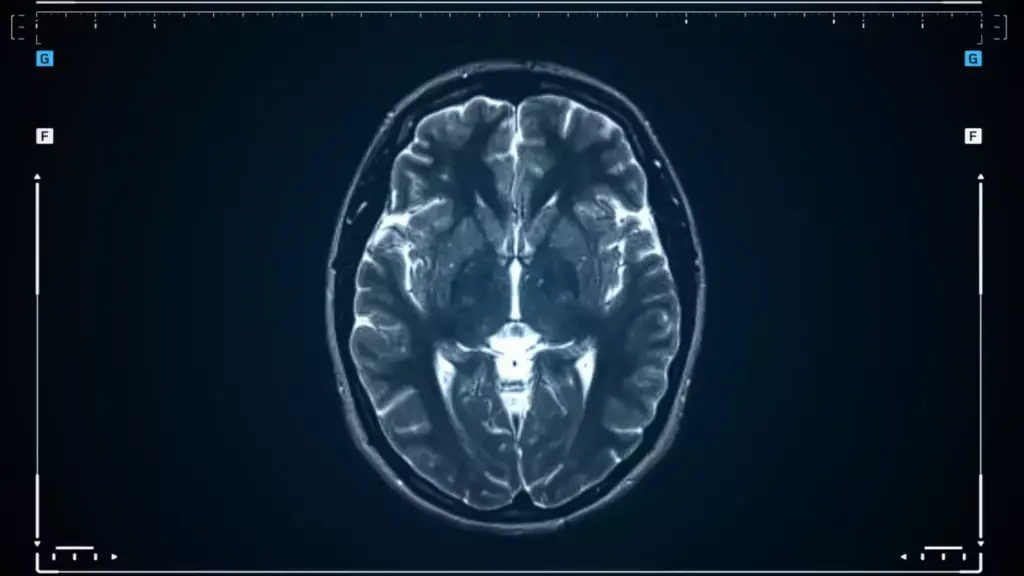
Brain tumors are special because of their unique traits and how they act. Unlike other cancers, they don’t usually spread to other parts of the body. This makes their classification and staging different.
Difference Between Brain Tumors and Other Cancers
Brain tumors are different from other cancers because of where they are and how they behave. Primary brain tumors start in the brain. Secondary brain tumors come from cancer spreading to the brain from elsewhere.
One big difference is that brain tumors don’t often spread outside the brain. This means we can’t use the same cancer staging systems for them.
Primary vs. Secondary Brain Tumors
It’s important to know if a brain tumor is primary or secondary to plan treatment. Primary tumors start in the brain and can be either benign or malignant. Secondary tumors, though, come from cancer in another part of the body.
- Primary brain tumors are sorted by their cell type and how they behave.
- Secondary brain tumors are treated based on the original cancer’s traits.
Why Traditional Cancer Staging Doesn’t Apply
Traditional cancer staging, which looks at tumor size, lymph node involvement, and spread, doesn’t work for brain tumors. Instead, they’re graded by how their cells look and behave.
The World Health Organization (WHO) grading system is often used. It sorts brain tumors into grades based on how aggressive they are and how likely they are to grow.
The WHO Brain Tumor Grading System
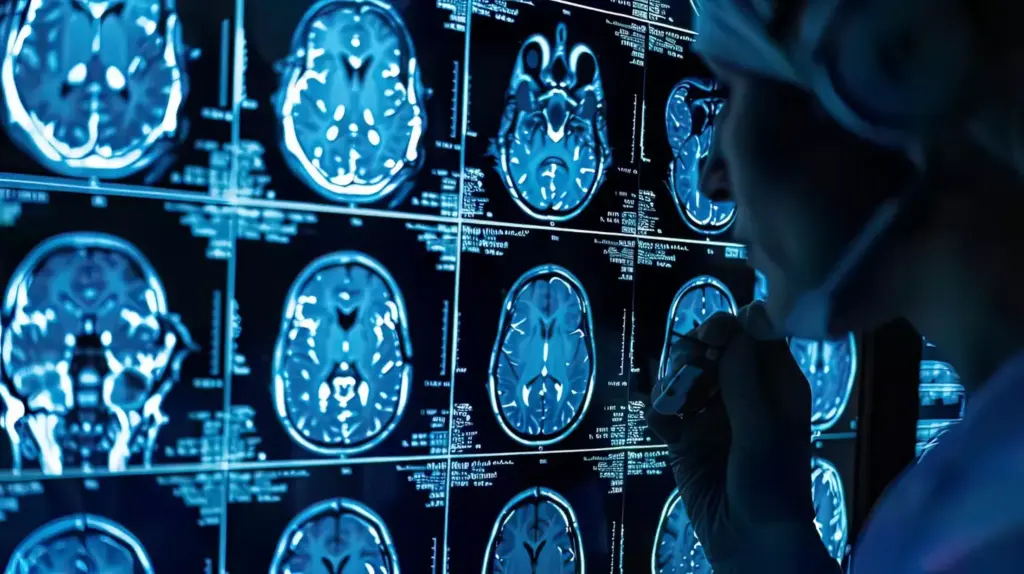
The World Health Organization (WHO) has created a detailed grading system for brain tumors. It helps us understand how serious they are and what the future might hold. This system is key for choosing the right treatment and predicting how well a patient will do.
Criteria for Classification
The WHO grading system sorts brain tumors by how they look, grow, and act. Tumors are ranked from I to IV, with Grade I being the least aggressive and Grade IV the most. The grade is based on the tumor’s look, how fast it grows, and its aggressiveness.
Cell Appearance and Behavior
The look and behavior of tumor cells are very important in grading brain tumors. For example, Grade I tumors are usually not harmful and grow slowly. On the other hand, Grade IV tumors are very aggressive and grow fast. Understanding how cells look and grow helps us predict how the tumor will behave and how it will react to treatment.
Molecular and Genetic Markers
Recently, the WHO system has added molecular and genetic markers to better understand tumors. These markers help spot specific genetic changes that can affect how a tumor grows and responds to treatment. Using these markers makes brain tumor classification more precise and helps tailor treatments to each patient.
Recent Updates to Classification System
The WHO system is updated regularly to keep up with new knowledge about brain tumors. The latest changes include new types of tumors and the use of molecular markers in diagnosis. These updates make sure the system stays useful and accurate in guiding doctors and patients.
Stage 1 Brain Tumors: Characteristics and Outlook
Stage 1 brain tumors are usually not cancerous and can often be treated with surgery alone. They grow slowly and don’t spread much, making them the least aggressive type of brain cancer.
Getting a brain tumor diagnosis, even a stage 1 one, can be scary. But knowing about these tumors and treatment options can give patients hope and direction.
Defining Features of Grade I Tumors
Grade I tumors are benign and grow slowly. They can often be cured with surgery. Sometimes, surgery is enough to treat them.
The World Health Organization (WHO) classification system focuses on tumor features to grade them. Grade I tumors have a good outlook because they don’t spread much and rarely turn cancerous.
Key characteristics of Grade I tumors include:
- Slow growth rate
- Benign histology
- Limited invasiveness
- Favorable prognosis with appropriate treatment
Common Types of Stage 1 Brain Tumors
There are several types of brain tumors that are stage 1 or Grade I. These include:
| Tumor Type | Description | Typical Treatment |
|---|---|---|
| Pilocytic Astrocytoma | A slow-growing tumor often found in children and young adults. | Surgical resection |
| Subependymal Giant Cell Astrocytoma | A benign tumor associated with tuberous sclerosis complex. | Surgery, potentially followed by monitoring |
| Meningioma | A tumor arising from the meninges, often benign and slow-growing. | Surgical removal, potentially followed by radiation therapy if not completely resected |
“The prognosis for patients with Grade I tumors is generally excellent, with many patients experiencing long-term survival and minimal symptoms after treatment.”
Typical Treatment Approaches
Treatment for stage 1 brain tumors usually involves surgery. The goal is to remove as much of the tumor as possible while keeping the brain safe.
In some cases, treatments like radiation therapy might be used. This is if the tumor can’t be fully removed or if there’s a chance it could come back.
Long-term Prognosis
The outlook for stage 1 brain tumors is usually good. Many patients live long, symptom-free lives after treatment.
It’s important to keep up with follow-up appointments. This helps catch any signs of the tumor coming back or growing again.
Stage 2 Brain Tumors: Detailed Overview
Stage 2 brain tumors are a key area in neuro-oncology. They have unique growth patterns and are considered low-grade. Yet, they are more likely to come back and grow more aggressive than Stage 1 tumors.
Cellular and Growth Characteristics
Stage 2 brain tumors show a moderate level of cell abnormality and cell division. They grow faster than Stage 1 but keep some cell structure.
Key features include:
- Moderate cellular density
- Increased mitotic activity
- Some degree of cellular atypia
- Potential for infiltrative growth
Common Types of Stage Two Brain Tumors
Several brain tumors are classified as Stage 2. These include certain astrocytomas and oligodendrogliomas. Each type has its own cell origin and genetic traits.
Common types include:
- Astrocytomas with moderate differentiation
- Oligodendrogliomas with characteristic genetic markers
- Mixed gliomas with varying cellular components
Infiltrative Potentia
Stage 2 brain tumors are known for their ability to spread into surrounding brain tissue. This makes it hard to remove them completely during surgery.
Their ability to spread means they often need a treatment plan that includes surgery, radiation, and sometimes chemotherapy.
Risk of Malignant Transformation
Stage 2 brain tumors have a high risk of becoming more aggressive over time. They can turn into higher-grade tumors, which are harder to treat.
Factors influencing the risk of malignant transformation include:
- Genetic mutations within the tumor
- Initial treatment response
- Tumor location and accessibility
Brain Tumor Cancer Stages: Progression from Low to High Grade
It’s key to understand how brain tumors grow from low to high grade. This knowledge helps in managing and treating them effectively. We’ll look into what makes tumors grow and why keeping an eye on them is important.
How Tumors Advance Between Grades
Brain tumors can grow in grade due to genetic changes and resistance to treatment. We’ll see how these factors affect tumors and what it means for patients.
When tumors grow, they often get more aggressive. This means they can spread and grow faster. It’s important to change treatment plans to fight these tumors better.
Warning Signs of Progression
Spotting early signs of tumor growth is critical. Look out for changes like weakness, vision problems, or seizures.
Keeping a close eye on these signs is key. Early detection can greatly improve treatment results.
Monitoring Protocols
Good monitoring is essential in tracking tumor growth. MRI or CT scans help see how tumors are doing and how well they’re responding to treatment.
We suggest a team approach to monitoring. This includes clinical checks, scans, and genetic tests to make the best treatment plans.
Factors That Influence Progression
Many things can affect how fast a tumor grows. These include the tumor’s genetics, where it is in the brain, and the patient’s age. Knowing these helps tailor treatments to each patient.
We’ll explore how these factors impact tumors. This shows why personalized care is so important in treating brain tumors.
Stage 2 Malignant Brain Tumor: Treatment Options
Treating stage 2 malignant brain tumors needs a detailed plan. This plan often includes several treatments. Each patient’s case is different, so treatments are made to fit their needs.
Surgical Approaches
Surgery is often the first step for stage 2 brain tumors. The goal is to remove as much of the tumor as possible. This helps keep the brain safe.
We use advanced techniques like intraoperative MRI and neuronavigation. These help us remove more of the tumor and protect the brain.
What affects surgery decisions includes the tumor’s location and size. Sometimes, we can’t remove the whole tumor. Then, other treatments are needed to fight any remaining cells.
Radiation Therapy Considerations
Radiation therapy is key for stage 2 brain tumors, when surgery isn’t enough. We use techniques like 3D conformal radiation therapy. This aims to hit the tumor hard while sparing the healthy brain.
When to use radiation therapy depends on the tumor and the patient’s health. It can be used alone or with surgery and chemotherapy.
Role of Chemotherapy
Chemotherapy is vital for stage 2 brain tumors. It kills cancer cells that might have spread. Chemotherapy can be taken by mouth or through an IV, based on the tumor and patient.
Chemotherapy works best with other treatments. For example, it can be used with radiation therapy to fight the tumor better.
Emerging Targeted Therapies
New targeted therapies offer hope for brain tumor patients. These therapies target specific cancer growth drivers. We’re part of clinical trials to see how well they work.
Targeted therapies might lead to better results and fewer side effects. As research grows, we expect to see more effective treatments for stage 2 brain tumors.
Is Stage 2 Brain Tumor Curable? Examining the Evidence
To figure out if stage 2 brain tumors can be cured, we look at many factors. We dive into the evidence to see how curable these tumors are. We focus on what matters most for treatment success.
Factors Affecting Curability
Several key factors decide if stage 2 brain tumors can be cured. These include the tumor’s type, where it is, its size, and the patient’s health. We use these to judge the chance of a cure.
Tumor characteristics are very important. For example, tumors that grow fast or spread a lot might not do as well.
Complete vs. Partial Resection Outcomes
How much of the tumor is removed is very important. We look at complete and partial removals to see their impact on cure chances.
Removing the whole tumor gives the best chance of living longer. This is because it gets rid of all the tumor cells. But, if only part is removed, some cells might stay, leading to the tumor coming back.
Long-term Monitoring Requirements
Even after treatment, patients with stage 2 brain tumors need to be watched closely. We suggest regular check-ups and scans to catch any signs of the tumor coming back early.
Spotting recurrence early means we can act fast. This can make treatment more effective. We help patients create a plan for ongoing monitoring.
Recurrence Statistics and Management
Knowing how often tumors come back is key for managing patient hopes and making treatment plans. We look at the latest data on recurrence rates for stage 2 brain tumors.
How often tumors come back depends on the type and treatment. We talk about how to handle tumors that come back, including surgery, radiation, and chemotherapy.
By looking at the evidence and understanding what affects curability, we can give patients with stage 2 brain tumors the best care. This improves their chances of living a long life.
Stage 2 Brain Cancer Prognosis: Key Determinants
To understand stage 2 brain cancer prognosis, we must look at several important factors. These factors can greatly affect a patient’s outlook.
Age and Overall Health Factors
Age and overall health are key in predicting stage 2 brain cancer outcomes. Younger patients with fewer health problems usually have a better chance. Patients under 40 often have a more favorable outlook because they are less likely to have other health issues and can better handle treatments.
- Younger age is associated with better resilience and recovery.
- Overall health status affects how well the body can handle treatment.
- Having other health conditions can make treatment harder.
Tumor Location and Accessibility
The brain location of the tumor greatly affects the prognosis. Tumors in easier-to-reach areas are generally easier to treat, which can improve the prognosis.
- Tumors near critical brain structures pose greater surgical risks.
- Accessibility affects the feasibility of surgical resection.
- Location influences the choice between surgery, radiation, and chemotherapy.
Molecular and Genetic Influences
The molecular and genetic makeup of the tumor is also critical. Certain genetic markers can show if the tumor is aggressive or likely to respond to specific treatments.
- Genetic mutations can influence tumor behavior and treatment response.
- Molecular profiling helps in identifying targeted therapy options.
- Some genetic markers are associated with better or worse prognosis.
Response to Initial Treatment
The response to initial treatment is a strong indicator of prognosis. Patients who respond well to initial therapy generally have a better outlook.
- Effective initial treatment can improve long-term survival.
- Response to treatment helps in adjusting the treatment plan.
- Monitoring response to treatment is critical for managing the disease.
Understanding these key determinants helps healthcare providers give more accurate prognostic information. They can also tailor treatment plans to meet individual patient needs.
Higher Grade Brain Tumors: Stages 3 and 4
Stages 3 and 4 brain tumors are aggressive and have unique features. These features affect treatment plans and patient outcomes. It’s important to understand these tumors to create effective care plans.
Stage 3 Brain Cancer Characteristics
Stage 3 brain cancer grows quickly and can spread to nearby brain tissue. It’s considered malignant and needs aggressive treatment.
Key Features:
- Rapid cell division
- Infiltration into surrounding brain tissue
- Potential for further mutation
Stage 3 Brain Cancer Survival Rate
The survival rate for stage 3 brain cancer depends on several factors. These include the tumor type, patient age, and overall health. Generally, the outlook is less favorable than for lower-grade tumors.
We look at survival statistics to understand patient outcomes better.
| Age Group | Average Survival Rate |
|---|---|
| 20-40 years | 24-36 months |
| 40-60 years | 12-24 months |
| 60+ years | 6-12 months |
Stage 4 (Glioblastoma) Features
Stage 4 glioblastoma is the most aggressive brain cancer. It grows quickly and is hard to treat. It’s considered one of the toughest cancers to fight.
Treatment Challenges in Advanced Stages
Treating stage 3 and 4 brain tumors is tough. They often resist standard treatments and can come back. New treatments and clinical trials offer hope for better outcomes.
Treatment Strategies:
- Surgery
- Radiation therapy
- Chemotherapy
- Targeted therapy
Living with a Stage 2 Brain Tumor Diagnosis
Living with a stage 2 brain tumor means managing symptoms and understanding treatment options. It’s about keeping quality of life high. This journey needs medical care and support to tackle challenges.
Managing Symptoms and Side Effects
Managing symptoms and side effects is key for stage 2 brain tumor patients. Symptoms vary based on the tumor’s location and size. They can include headaches, seizures, and changes in thinking.
We create personalized plans to manage these symptoms. Medications like anticonvulsants and corticosteroids help. Lifestyle changes, like a balanced diet and gentle exercise, also play a role in managing symptoms.
Cognitive and Neurological Considerations
Cognitive and neurological aspects are important for brain tumor patients. Cognitive functions like memory and attention can be affected. This impacts daily life and independence.
We offer cognitive rehabilitation to help patients adapt. Regular neurological assessments help us tailor treatment plans. This minimizes long-term effects.
Quality of Life Adjustments
Adjusting to life with a stage 2 brain tumor is vital. This includes adapting to physical changes and managing fatigue. We encourage patients to stay active and connected with loved ones.
| Adjustment | Strategies |
|---|---|
| Physical Changes | Physical therapy, occupational therapy, exercise programs |
| Managing Fatigue | Pacing activities, rest periods, energy conservation techniques |
| Social Connections | Support groups, counseling, staying connected with loved ones |
Psychological Support Strategies
Psychological support is essential for stage 2 brain tumor patients. We offer counseling, group therapy, and stress management. These help patients cope with emotional challenges.
Our support services address anxiety and depression. They promote resilience and well-being. We create a supportive environment for patients to face their diagnosis with confidence and hope.
Advances in Brain Tumor Research and Treatment
Recent breakthroughs in brain tumor research are changing treatment options for patients everywhere. We are learning more about brain tumors, leading to new ways to help patients.
Precision Medicine Approaches
Precision medicine is changing how we treat brain tumors. It tailors treatments to each patient’s needs. This is done by looking at the tumor’s genetics and molecular makeup.
Targeted therapies are being made to attack brain tumor cells without harming healthy tissue.
Immunotherapy Developments
Immunotherapy is using the body’s immune system to fight cancer. It’s showing great promise in treating brain tumors. Different methods, like checkpoint inhibitors and CAR-T cell therapy, are being tested.
Clinical trials are underway to see if these treatments are safe and work well. They offer hope to those with aggressive or hard-to-treat brain tumors.
Novel Imaging Techniques
New imaging technologies are helping doctors diagnose and plan treatments for brain tumors. Tools like functional MRI and PET scans give detailed info about tumors. This helps doctors choose the best treatment.
Clinical Trials and Experimental Therapies
Clinical trials are testing new treatments for brain tumors. These include gene therapies, oncolytic viruses, and new chemotherapies. These studies help us understand brain tumors better and find better treatments.
Patients should talk to their doctors about clinical trial options. Joining a trial can give them access to new treatments and help future research.
Conclusion
Understanding brain tumor stages is key for both patients and doctors. Knowing how to classify and grade tumors helps predict outcomes and choose treatments.
New research has greatly improved our grasp of brain tumor biology. This knowledge leads to better treatments. Patients can make better choices about their care by knowing about the different stages of brain tumors.
Research and treatment progress give hope to those with brain tumors. As we learn more about brain tumor stages, we can offer more tailored care.
The path with a brain tumor diagnosis needs a full approach. This includes the newest research and treatments. Patients can get the best care and live better by working with doctors and staying informed.
FAQ
What are the stages of brain tumor cancer?
Brain tumor cancer stages are classified using the WHO grading system. This system categorizes tumors into four grades. These grades are based on cell appearance, growth rate, and aggressiveness.
How does the WHO grading system classify brain tumors?
The WHO grading system looks at cellular and growth characteristics. It also considers molecular and genetic markers. This helps determine the tumor’s grade and prognosis.
What is the difference between primary and secondary brain tumors?
Primary brain tumors start in the brain. Secondary brain tumors spread from other parts of the body.
Why doesn’t traditional cancer staging apply to brain tumors?
Traditional cancer staging doesn’t work for brain tumors. This is because primary brain tumors rarely spread outside the brain.
What are the characteristics of stage 1 brain tumors?
Stage 1 brain tumors are usually benign and grow slowly. They have a good prognosis. Treatment often involves surgery.
What are the common types of stage 2 brain tumors?
Stage 2 brain tumors include diffuse astrocytomas and oligodendrogliomas. These tumors are often infiltrative and can become malignant.
How do brain tumors progress from low to high grade?
Brain tumors can progress due to genetic mutations and environmental factors. Regular monitoring is necessary.
What are the treatment options for stage 2 malignant brain tumors?
Treatment for stage 2 malignant brain tumors includes surgery, radiation, chemotherapy, and targeted therapies.
Is stage 2 brain tumor curable?
The curability of stage 2 brain tumors depends on several factors. These include the extent of resection, tumor biology, and patient health. Long-term monitoring is required.
What are the key determinants of prognosis for stage 2 brain cancer?
Determinants of prognosis for stage 2 brain cancer include age, overall health, and tumor location. Molecular and genetic influences and response to treatment also play a role.
What are the characteristics of higher-grade brain tumors?
Higher-grade brain tumors, like stage 3 and stage 4 (glioblastoma), are aggressive. They have a poor prognosis. Treatment challenges and limited survival rates are common.
How can patients cope with a stage 2 brain tumor diagnosis?
Patients can manage symptoms and adjust to life changes. Psychological support strategies are also helpful.
What advances are being made in brain tumor research and treatment?
Advances include precision medicine, immunotherapy, and new imaging techniques. Clinical trials and experimental therapies are ongoing.
What is the role of molecular and genetic markers in brain tumor classification?
Molecular and genetic markers are key in classifying brain tumors. They help determine tumor biology and guide treatment decisions.
What are the survival rates for stage 3 brain cancer?
Survival rates for stage 3 brain cancer vary. Factors include tumor type, patient health, and treatment response.
What are the treatment challenges in advanced stages of brain cancer?
Advanced stages face limited treatment options and tumor resistance. This leads to a poor prognosis.