Last Updated on November 27, 2025 by Bilal Hasdemir
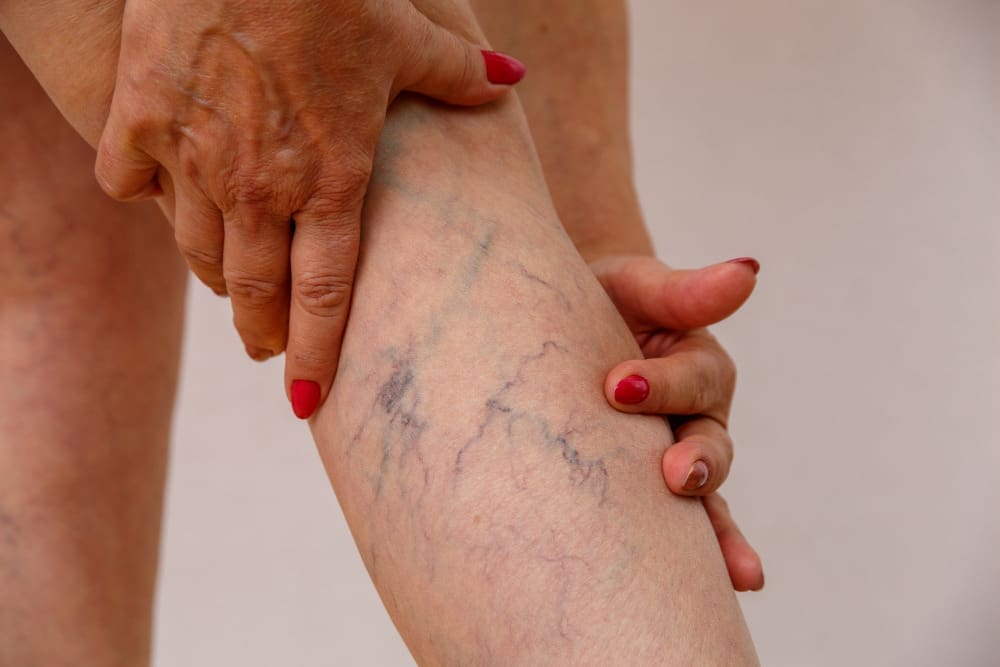
Feeling pain, swelling, or a pulsating sensation in your leg might mean you have a leg aneurysm. This is a serious blood vessel issue. At Liv Hospital, we offer top-notch, patient-focused care. We make sure you get fast diagnosis and treatment that meets global standards.
An aneurysm happens when an artery wall bulges or balloons. It often affects the popliteal artery, which is behind the knee. We know that a leg aneurysm is a serious issue that needs quick medical help.
Key Takeaways
- Spotting the symptoms of a leg aneurysm early is key for a quick diagnosis.
- Ignoring a leg aneurysm can lead to serious problems.
- Our advanced tests help find aneurysms accurately.
- The right treatment depends on the aneurysm’s size and where it is.
- Expert care is ready for you at Liv Hospital, no matter where you’re from.
Understanding Aneurysm in Leg: Definition and Anatomy
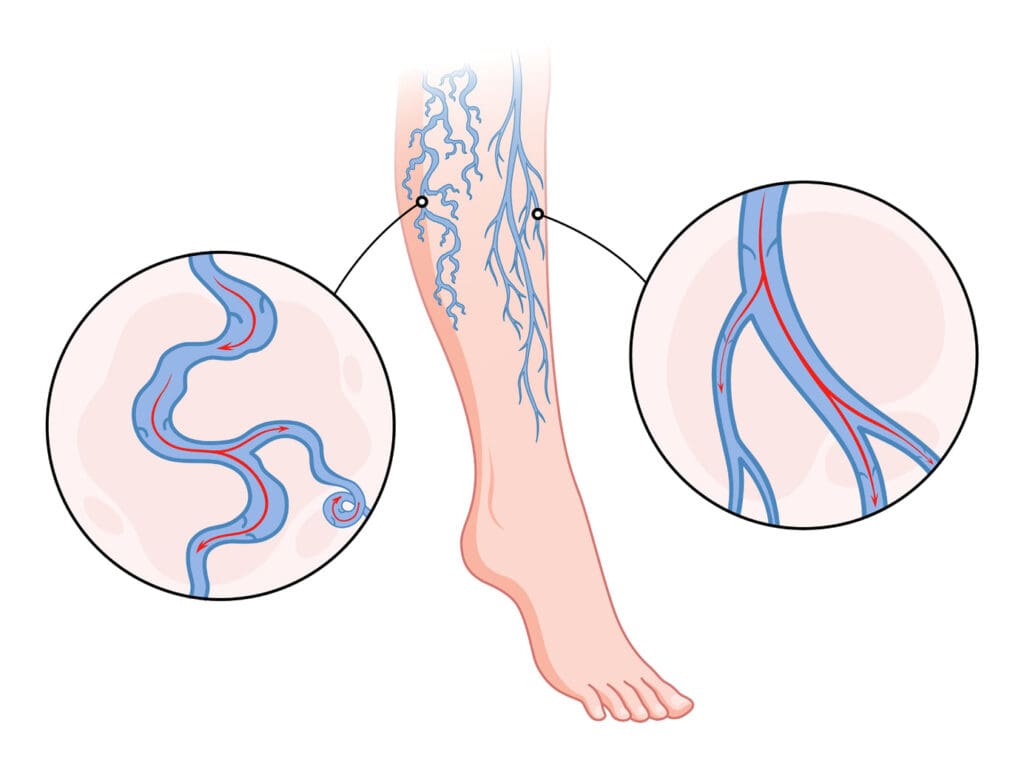
It’s important to know what an aneurysm in the leg is. An aneurysm is a bulge in a blood vessel. It can happen for many reasons.
An aneurysm in the leg is called a peripheral arterial aneurysm. This is when an artery in the leg gets bigger. If not treated, it can cause serious problems.
What Is a Peripheral Arterial Aneurysm?
A peripheral arterial aneurysm is a bulge in an artery outside the aorta. The most common places are in the legs, like the popliteal artery behind the knee.
There are two types: true aneurysms, where the whole wall of the artery bulges, and false aneurysms. These are blood collections outside the artery but held by tissue.
Common Locations of Leg Aneurysms
Most leg aneurysms happen in the popliteal artery, behind the knee. The femoral artery in the thigh is another common spot. Knowing where they usually occur helps doctors diagnose and treat them better.
Popliteal Artery Aneurysms vs. Femoral Aneurysms
Popliteal and femoral artery aneurysms are both peripheral arterial aneurysms. But they are in different places and have some differences.
| Characteristics | Popliteal Artery Aneurysms | Femoral Artery Aneurysms |
|---|---|---|
| Location | Behind the knee | In the thigh |
| Frequency | Most common type of peripheral arterial aneurysm | Less common than popliteal aneurysms |
| Complications | Can lead to limb ischemia or rupture | Can cause pain, swelling, or embolism |
Both types need careful management to avoid serious issues. Knowing their differences helps doctors choose the best treatment.
Causes and Risk Factors for Developing Leg Aneurysms

Leg aneurysms form due to many risk factors. Knowing these helps spot who’s at risk and how to prevent it.
Atherosclerosis and Its Role
Atherosclerosis, or plaque buildup in arteries, is a big risk for leg aneurysms. It weakens artery walls, making them more likely to bulge. Atherosclerosis is a significant concern because it not only causes aneurysms but also harms heart health.
Genetic Predisposition
Genetics also play a big part in leg aneurysms. People with a family history of aneurysms or vascular diseases are at higher risk. Genetic predisposition can weaken artery walls, making some more likely to get aneurysms.
Age, Gender, and Lifestyle Factors
Age, gender, and lifestyle also affect aneurysm risk. Older adults, mainly men, are at higher risk. Smoking, not exercising, and eating too much fat can increase risk. Changing these lifestyle factors can lower aneurysm risk.
Knowing the causes and risk factors of leg aneurysms helps take action. This includes managing atherosclerosis, knowing your genetic risk, and living a healthier lifestyle.
Common Symptoms of a Leg Aneurysm
A leg aneurysm might not show symptoms at first. But knowing the signs early can save lives. We’ll look at how a leg aneurysm can show up, from no symptoms to clear signs that need doctor visits.
Asymptomatic Presentation
Many people with a leg aneurysm don’t feel anything. They might find out about it during a check-up for something else. Regular health checks are key for catching it early, if you’re at risk because of atherosclerosis or family history.
Pain and Discomfort Indicators
Pain in the leg is a common symptom. It can feel like a dull ache or sharp pain. If the pain gets worse or you see swelling or redness, see a doctor right away.
Visual and Physical Signs
There are visual and physical signs too. Swelling, a lump, or a change in skin color can mean trouble. If your leg looks or feels different, see a doctor.
Pulsating Sensation Behind the Knee
A pulsating feeling behind the knee is a sign of a popliteal artery aneurysm. It feels like your heartbeat. Don’t ignore a pulsating feeling behind the knee, as it could be serious.
Spotting the signs of a leg aneurysm is the first step to managing it. If you notice any symptoms or worry about your blood vessels, get medical help. Early action can greatly improve your chances of recovery.
“The key to managing leg aneurysms lies in early detection and appropriate treatment. Being aware of the symptoms and risk factors can save lives.”
Recognizing Emergency Warning Signs
It’s important to know the warning signs of a leg aneurysm rupture or acute limb ischemia. A leg aneurysm can cause severe and life-threatening problems if not treated quickly. We will explain the key signs that mean you need to seek medical help right away.
Symptoms of Aneurysm Rupture
A ruptured aneurysm is a serious medical emergency. It causes severe pain, a lot of bleeding, and can lead to shock. Look out for these symptoms:
- Sudden, severe pain in the leg
- Swelling and bruising around the aneurysm site
- Weakness or numbness in the affected leg
Signs of Acute Limb Ischemia
Acute limb ischemia happens when blood flow to the limb stops suddenly, often because of a clot. Watch for these signs:
- Pain in the limb
- Pallor (pale skin)
- Pulselessness
- Poikilothermia (cold to the touch)
- Paresthesia (numbness or tingling)
- Paralysis
These signs can be remembered using the “6 Ps” of ischemia. If you or someone else shows these symptoms, act fast.
| Condition | Key Symptoms |
|---|---|
| Aneurysm Rupture | Severe pain, swelling, bruising, weakness |
| Acute Limb Ischemia | Pain, pallor, pulselessness, poikilothermia, paresthesia, paralysis |
When to Seek Immediate Medical Attention
If you or someone else has symptoms of a ruptured aneurysm or acute limb ischemia, get medical help right away. Waiting too long can lead to serious problems, like losing a limb or even death.
“Time is of the essence when dealing with a ruptured aneurysm or acute limb ischemia. Prompt medical intervention is critical to preventing serious outcomes.”
How serious is a leg aneurysm? A leg aneurysm is very serious and needs immediate medical care if symptoms show up. Can you die from a leg aneurysm? Yes, if it ruptures and isn’t treated quickly, it can be deadly.
Complications Associated with Untreated Aneurysms in the Leg
If left untreated, leg aneurysms can cause serious problems. We will look at the risks and what can happen if these vascular issues are ignored.
Blood Clot Formation (Aneurysm Clot)
Blood clots can form inside the aneurysm. This is a big risk. These clots can block blood flow or break off and cause more problems.
Embolization and Tissue Damage
If a clot breaks off, it can travel and block smaller vessels. This can damage tissue or cause ischemia. It might lead to pain, dysfunction, or even gangrene.
Rupture Risks and Consequences
Untreated leg aneurysms can rupture. A rupture can cause severe bleeding. This can lead to shock, organ failure, and even death if not treated quickly.
Potential for Limb Loss
In severe cases, untreated leg aneurysms can cause limb loss. This can happen due to embolization or a rupture. Both can lead to severe blood loss and limb ischemia.
| Complication | Description | Potential Consequences |
|---|---|---|
| Blood Clot Formation | Clots form within the aneurysm | Obstruction of blood flow, embolization |
| Embolization | Clots break loose and travel to smaller vessels | Tissue damage, ischemia, gangrene |
| Rupture | Aneurysm bursts, causing severe bleeding | Shock, organ failure, death |
| Limb Loss | Compromised blood flow leads to limb ischemia | Amputation, disability |
Knowing about these complications shows why it’s key to get medical help if you think you have a leg aneurysm. Early treatment can greatly improve your chances and prevent these serious issues.
Diagnostic Procedures for Leg Aneurysms
Healthcare professionals use several methods to find a leg aneurysm. These include physical exams and advanced imaging. Each method gives important info about the aneurysm’s size and impact.
Physical Examination Techniques
A physical exam is often the first step. We look for signs like a pulsating mass behind the knee. This could mean a popliteal artery aneurysm. We also check if the pulse is different between the two legs.
Duplex Ultrasound Imaging
Duplex ultrasound is a non-invasive test. It combines ultrasound with Doppler ultrasonography. This method is great for finding popliteal artery aneurysms and femoral aneurysms.
Advanced Imaging: CT and MRI Scans
CT and MRI scans give more detailed views. CT scans show the aneurysm’s size and location. MRI scans show the arterial anatomy without radiation.
Angiography for Detailed Assessment
Angiography uses a contrast agent to see the blood vessels. It’s key for planning surgery. It shows the blood vessels and any blockages or aneurysms.
| Diagnostic Method | Description | Usefulness |
|---|---|---|
| Physical Examination | Initial assessment for signs like pulsating masses | Identifies possible aneurysms |
| Duplex Ultrasound | Non-invasive imaging combining ultrasound and Doppler | Checks blood flow and aneurysm presence |
| CT and MRI Scans | Advanced imaging for detailed aneurysm assessment | Shows size, location, and anatomy |
| Angiography | Contrast agent used to visualize arterial anatomy | Essential for surgical planning |
Non-Surgical Treatment Options
For those with leg aneurysms, non-surgical treatments can be a good choice. We know each patient is different. So, we tailor treatment to fit their needs.
Monitoring Small Asymptomatic Aneurysms
Small aneurysms without symptoms might not need surgery right away. We suggest regular checks with tests like ultrasound. This way, we can act if the aneurysm grows or starts causing problems.
Medication Management
Medicine is key in managing leg aneurysm risks. We might give drugs to control blood pressure, lower cholesterol, or stop blood clots. These can help avoid serious issues like rupture or embolism.
Common medications used include:
- Beta-blockers to reduce blood pressure
- Statins to lower cholesterol levels
- Antiplatelet agents to prevent blood clots
Lifestyle Modifications
Changing your lifestyle is important for managing leg aneurysms. We tell patients to stop smoking, stay at a healthy weight, and exercise regularly. These steps can boost vascular health and lower aneurysm risks.
“Making lifestyle changes can significantly impact the management of leg aneurysms,” says a vascular specialist.
“By adopting healthier habits, patients can reduce their risk of complications and improve their overall quality of life.”
Pain Management Strategies
We offer many ways to manage pain from leg aneurysms. This can range from simple pain relievers to nerve blocks. Our aim is to keep patients comfortable and in control of their symptoms.
By using these non-surgical methods, we can manage leg aneurysms well. Regular check-ups with our vascular specialists are key to adjusting treatment plans as needed.
Surgical Interventions for Leg Aneurysms
Treating leg aneurysms often requires surgery. We know surgery can seem scary, but our team is here to support you. We aim to provide the best care during your treatment.
Open Surgical Repair
Open surgery is a common way to fix leg aneurysms. It involves making a cut to reach the aneurysm. This method lets us remove or fix the aneurysm, preventing it from bursting. We use general anesthesia to keep you comfortable during the surgery.
We carefully remove the aneurysm and replace it with a graft. This graft is a synthetic tube that helps blood flow normally. Though effective, this method takes longer to recover from than some other surgeries.
Endovascular Stent Grafting
Endovascular stent grafting is a less invasive option. It uses small incisions in the groin to place a stent graft. This stent graft strengthens the artery wall, reducing the risk of rupture.
This method is great for those at high risk for open surgery complications. Recovery is faster, and you might feel less pain afterward.
Bypass Surgery Options
Bypass surgery is used for large or complex aneurysms. It creates a new path for blood flow around the aneurysm. This helps restore blood flow to the lower limb.
| Surgical Option | Description | Recovery Time |
|---|---|---|
| Open Surgical Repair | Direct incision to repair or remove the aneurysm | Several weeks to months |
| Endovascular Stent Grafting | Minimally invasive stent graft placement | A few days to a week |
| Bypass Surgery | Creating a detour around the aneurysm | Several weeks |
Recovery and Rehabilitation After Surgery
Recovery and rehabilitation are key after surgery. We watch for complications like blood clot formation or aneurysm clot. We also focus on managing pain to keep you comfortable.
Rehab may include physical therapy to improve leg strength and mobility. We also help you make lifestyle changes to keep your blood vessels healthy and prevent future aneurysms.
How Serious Is a Leg Aneurysm? Assessing the Risks
The seriousness of a leg aneurysm depends on its size and symptoms. Knowing these factors helps us understand the risks. It also guides us on what steps to take next.
Mortality and Morbidity Statistics
Large or symptomatic leg aneurysms can cause serious problems if not treated. The death rate for ruptured popliteal aneurysms can reach up to 30%. Also, leg aneurysms can lead to limb loss, greatly affecting a person’s life quality.
Looking at mortality and morbidity rates helps us see how serious leg aneurysms are. It shows why quick diagnosis and treatment are so important.
| Condition | Mortality Rate | Morbidity Rate |
|---|---|---|
| Ruptured Popliteal Aneurysm | 30% | Significant Limb Loss |
| Unruptured Popliteal Aneurysm | Low | Variable |
Factors Affecting Prognosis
Several things can change a patient’s outlook with a leg aneurysm. These include the aneurysm’s size, symptoms, and overall health. Bigger aneurysms and those with symptoms usually have a worse outlook.
Key factors affecting prognosis include:
- Aneurysm size
- Presence of symptoms
- Patient’s overall health
- Presence of other vascular diseases
Relationship with Other Aneurysms in the Body
People with a leg aneurysm often have others in different parts of their body. This is common with abdominal aortic aneurysms. Finding and treating all aneurysms is key to a better outcome.
It’s important to do a full vascular check for those with a leg aneurysm. This helps find any other aneurysms.
Quality of Life Considerations
A leg aneurysm can greatly affect a person’s life. Symptoms like pain can make it hard to move and do daily tasks. Treating the aneurysm well is essential to keep the patient’s quality of life good.
Understanding the risks and complications of leg aneurysms helps us manage them better. This leads to better outcomes for our patients.
Prevention Strategies and Risk Reduction
Preventing leg aneurysms starts with managing heart health, regular check-ups, and a healthy lifestyle. Knowing the risks and taking action early can greatly lower the chance of getting a leg aneurysm.
Cardiovascular Health Management
Keeping your heart healthy is key to avoiding leg aneurysms. This means controlling blood pressure, eating well, and staying active. A healthy heart lowers the risk of aneurysms.
“A good heart health plan can really help prevent vascular diseases, like aneurysms,” says a top vascular health expert.
Regular Screening for High-Risk Individuals
People with a family history of aneurysms or heart disease should get regular check-ups. Early detection with tests like duplex ultrasound can spot aneurysms before they cause trouble.
Lifestyle Changes for Vascular Health
Changing your lifestyle is important for your blood vessels. Quitting smoking, drinking less, and staying at a healthy weight are key. Walking and other exercises also boost vascular health.
Managing Related Health Conditions
It’s important to manage health issues like diabetes and high blood pressure well. Stick to your meds, watch your health closely, and make lifestyle changes as needed.
By following these prevention tips, you can greatly reduce your risk of leg aneurysms and keep your blood vessels healthy.
Conclusion: Living with and Managing Leg Aneurysms
Managing leg aneurysms well needs a full plan. This includes knowing about the condition, following treatment advice, and changing your lifestyle. We talked about what causes leg aneurysms, their signs, how doctors find them, and treatment choices. It’s key to get medical help fast to avoid serious problems.
Dealing with a leg aneurysm can be tough. But, with the right plan, people can get better and live better lives. It’s important to learn about your condition, stick to your treatment, and make lifestyle changes.
By teaming up with doctors and making smart choices, you can lower the risks of leg aneurysms. This helps keep your blood vessels healthy. We aim to give top-notch care to patients from around the world. We help them feel sure and supported during their treatment.
FAQ
What are the symptoms of a leg aneurysm?
Leg aneurysms often don’t show symptoms. But, you might feel pain, swelling, or a pulsating mass behind your knee.
Can you have an aneurysm in your leg?
Yes, aneurysms can happen in your legs. They usually occur in the popliteal artery behind the knee or in the femoral artery in the thigh.
How serious is a leg aneurysm?
Leg aneurysms can be serious. They might cause blood clots, embolization, rupture, and even limb loss if not treated.
What are the signs of a popliteal artery aneurysm?
Signs include a pulsating mass behind the knee, pain, swelling, and sometimes a weaker pulse in the foot.
Can a leg aneurysm rupture?
Yes, a leg aneurysm can rupture. This leads to severe pain, significant bleeding, and serious complications.
How is a leg aneurysm diagnosed?
Doctors use physical exams, duplex ultrasound, and scans like CT and MRI to diagnose leg aneurysms.
What are the treatment options for a leg aneurysm?
Treatment options include monitoring small aneurysms, medication, lifestyle changes, and surgery. Surgery types include open repair, stent grafting, and bypass surgery.
Can lifestyle changes help prevent leg aneurysms?
Yes, managing your heart health and making lifestyle changes can reduce the risk of leg aneurysms. Quit smoking, exercise, and control blood pressure.
What is the risk of limb loss due to a leg aneurysm?
Untreated leg aneurysms can lead to poor blood flow. This might result in limb loss.
Are leg aneurysms related to other aneurysms in the body?
Yes, having a leg aneurysm may mean you’re at higher risk for other aneurysms. This highlights the need for a full vascular check.
How can I manage my condition if I have a leg aneurysm?
Managing your condition means following your treatment plan, making lifestyle changes, and regular check-ups. This helps prevent complications and improves your quality of life.
References
UPMC. Peripheral Aneurysm. https://www.upmc.com/services/heart-vascular/conditions/peripheral-aneurysm
MedStar Health. Leg Aneurysms. https://www.medstarhealth.org/services/venous-disease-treatments
Society for Vascular Surgery. Peripheral Aneurysm. https://vascular.org/your-vascular-health/vascular-conditions/peripheral-aneurysm
Cigna. Leg Aneurysm. https://www.cigna.com/knowledge-center/hw/medical-topics/leg-aneurysm-abr8630