Last Updated on November 26, 2025 by Bilal Hasdemir
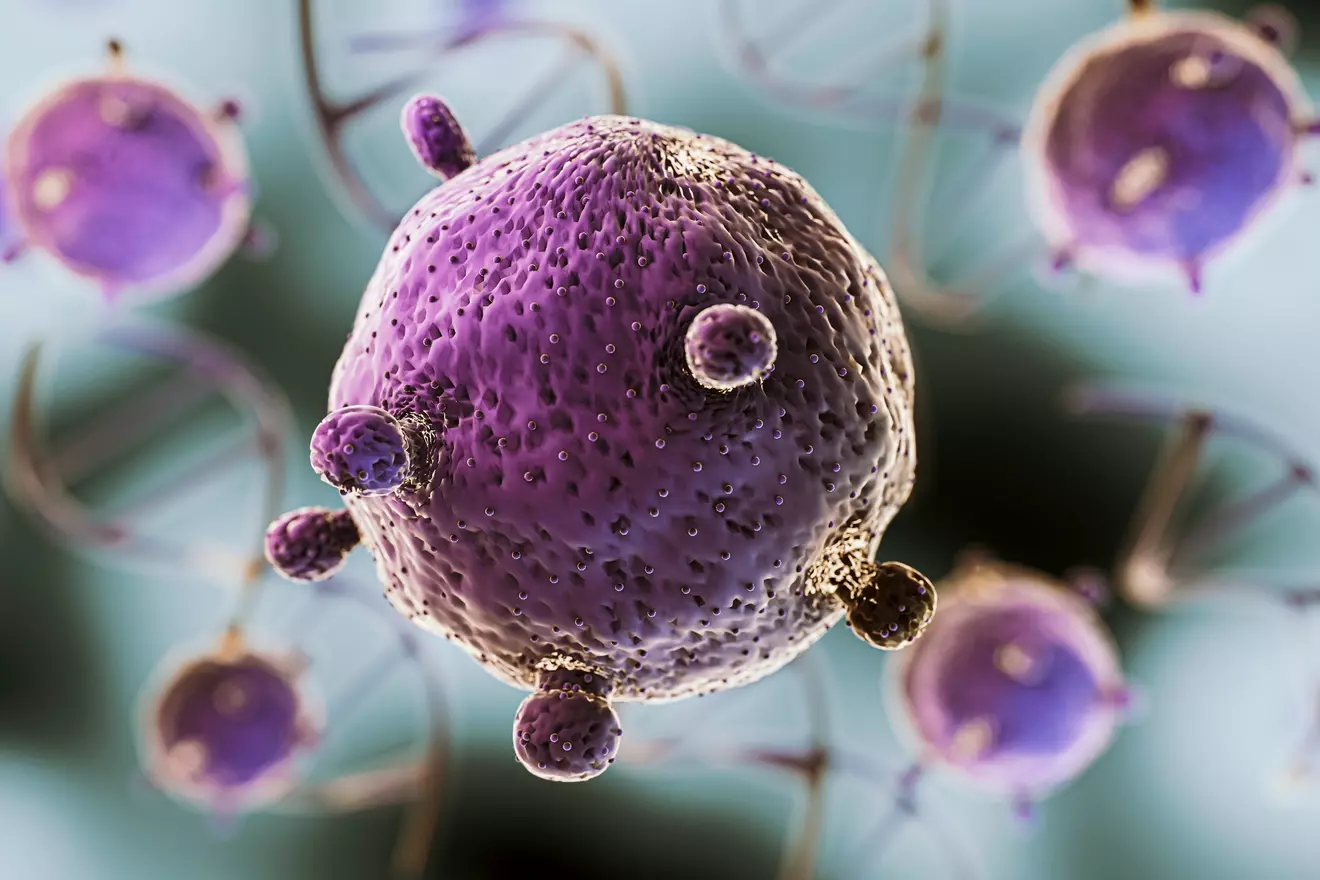
Lymphocytes are at the core of our immune system. They are white blood cells that help fight infections and diseases. We have two main types: B lymphocytes (B cells) and T lymphocytes (T cells). Each type has its own role in protecting us.
B cells make antibodies, proteins that find and mark pathogens for destruction. T cells, on the other hand, kill infected cells or help other immune responses. Knowing how these lymphocytes work is key to treating immune issues.
At Liv Hospital, we use our knowledge of lymphocytes to give top-notch care for immune system problems. We focus on each patient, making sure they get the right support for their needs.
Key Takeaways
- Lymphocytes are vital white blood cells in the immune system.
- There are two main types of lymphocytes: B cells and T cells.
- B cells produce antibodies to fight infections.
- T cells directly kill infected cells or support other immune responses.
- Understanding lymphocytes is key to diagnosing and treating immune-related disorders.
The Essential Role of Lymphocytes in Immune Defense
Lymphocytes are key players in the immune system, fighting off harmful pathogens. They are a type of white blood cell that is vital for the body’s defense. Knowing how they work and differ from other immune cells helps us understand the immune system better.
Definition and Classification of White Blood Cells
White blood cells, or leukocytes, are vital for the immune system. They are divided into types based on their functions and characteristics. The main types are granulocytes, monocytes, and lymphocytes.
Granulocytes, like neutrophils, eosinophils, and basophils, respond first to infections. Monocytes turn into macrophages, which clean up and digest pathogens. Lymphocytes, including B cells and T cells, are key to specific immune responses.
| Type of White Blood Cell | Main Functions |
|---|---|
| Granulocytes (Neutrophils, Eosinophils, Basophils) | Initial response to infections, inflammation |
| Monocytes (Macrophages) | Phagocytosis, antigen presentation |
| Lymphocytes (B cells, T cells) | Specific immune responses, antibody production, cell-mediated immunity |
How Lymphocytes Differ from Other Immune Cells
Lymphocytes are different from other immune cells in their roles and actions. Unlike granulocytes and macrophages, lymphocytes are part of specific, adaptive immune responses.
B cells make antibodies to fight pathogens, while T cells kill infected cells or help coordinate the immune response. Their ability to remember past pathogens makes them essential for long-term immunity.
In summary, lymphocytes are vital for the immune system, known for their specific roles in fighting pathogens. Their unique functions and characteristics make them different from other immune cells.
What Are the Two Types of Lymphocytes?
The immune system has two main types of lymphocytes to fight off pathogens: B lymphocytes (B cells) and T lymphocytes (T cells). These cells are key to our defense, each with its own role in fighting infections and diseases.
B Lymphocytes (B Cells): Overview and Origin
B cells mature in the bone marrow. They make antibodies, proteins that find and mark foreign substances for destruction. B cells go through many stages, from stem cells to mature cells ready to fight off antigens.
The bone marrow is important for B cells because it lets them create many different antibodies. This variety helps the immune system fight off a wide range of pathogens.
T Lymphocytes (T Cells): Overview and Origin
T cells mature in the thymus. They help with cell-mediated immunity, either by killing infected cells or helping other immune responses. There are different types of T cells, each with its own job.
The thymus is key for T cell development. It helps them learn to tell self from non-self, preventing autoimmune diseases.
In summary, B cells and T cells are the two main lymphocytes. B cells make antibodies, while T cells handle cell-mediated immunity. Knowing about these cells helps us understand how our immune system works.
B Lymphocytes: The Antibody Factories
B lymphocytes are key players in our immune system. They produce antibodies to fight off invaders. Their role is vital in defending us against infections.
Structure and Surface Markers of B Cells
B cells have special markers on their surface. These include the B cell receptor (BCR) and co-receptors. They help B cells recognize and bind to antigens.
The BCR is a key part of B cells. It helps them recognize and bind to specific antigens. This binding triggers B cell activation and antibody production.
B Cell Development in Bone Marrow
B cells develop in the bone marrow. There, they mature and their immunoglobulin genes rearrange. This process, called V(D)J recombination, creates a wide range of BCRs.
- B cell progenitors undergo clonal expansion and differentiation.
- Immature B cells undergo selection processes to eliminate self-reactive B cells.
- Mature B cells are released into the circulation, where they can respond to antigens.
How B Cells Recognize Foreign Invaders
B cells recognize invaders through their BCR. This binding is the first step in a complex process. It leads to B cell activation, proliferation, and differentiation into antibody-secreting plasma cells.
The diversity of BCRs allows B cells to recognize a wide range of antigens. This diversity is thanks to the V(D)J recombination process. It helps the immune system fight off many pathogens, from viruses and bacteria to toxins and other foreign substances.
The Mechanism of Antibody Production
Learning how antibodies are made helps us understand the body’s defense. Antibodies are proteins from B cells that fight off infections. We’ll look at how antibodies are made, their role, and the work of plasma cells.
What Are Antibodies and Their Structure
Antibodies, or immunoglobulins, are Y-shaped proteins that find and stick to specific invaders. They have two heavy and two light chains, making the Y shape. This shape lets them do their job: finding and stopping pathogens.
The Process of B Cell Activation and Antibody Secretion
B cell activation is key to making antibodies. When a B cell finds its antigen, it gets activated. It then takes in the antigen, breaks it down, and shows parts of it on its surface.
Helper T cells see these parts and help the B cell fully activate. After that, B cells grow and turn into plasma cells. Plasma cells make lots of antibodies. They can make thousands of antibodies every second.
Plasma Cells: The Specialized Antibody Producers
Plasma cells are B cells that have turned into factories for antibodies. They are vital for fighting off infections. Some plasma cells last a long time, giving us long-term protection.
| Cell Type | Function | Antibody Production |
|---|---|---|
| B Cells | Recognize antigens, become activated | Initially produce small amounts of antibody |
| Plasma Cells | Produce large quantities of antibodies | High-volume antibody production |
Understanding how antibodies are made shows us how our immune system works. It’s a complex process involving B cells, T cells, and antibodies. It shows how smart and complex our immune system is.
Types of Antibodies and Their Specific Functions
It’s important to know about the different types of antibodies to understand how our immune system works. Antibodies, or immunoglobulins, are proteins made by B cells. They help identify and fight off pathogens. This diversity lets our immune system tackle many kinds of foreign substances.
The Five Classes of Antibodies (IgG, IgM, IgA, IgE, IgD)
The immune system has five main types of antibodies: IgG, IgM, IgA, IgE, and IgD. Each type has unique characteristics and functions. This allows the body to fight infections effectively.
- IgG: The most abundant class, providing long-term immunity against infections.
- IgM: The first line of defense, produced in response to initial infections.
- IgA: Plays a key role in mucosal immunity, protecting surfaces from pathogens.
- IgE: Involved in allergic reactions and defense against parasites.
- IgD: Helps activate B cells and is involved in the early stages of immune response.
How Antibodies Neutralize Pathogens
Antibodies fight pathogens in several ways. They can bind to pathogens, marking them for destruction or stopping them from infecting cells. This is key to stopping infections from spreading.
Antibodies also activate the complement system, a group of proteins that work together to eliminate pathogens. The work of antibodies and the complement system is a strong defense against infection.
In conclusion, knowing about the different classes of antibodies and their roles is essential. Each type of antibody has a unique function in defending the body against pathogens. Together, they offer strong protection.
T Lymphocytes: Coordinators of Cellular Immunity
T lymphocytes are key players in our body’s defense against harmful invaders. They are a type of white blood cell that matures in the thymus. This process is vital for cell-mediated immunity.
Structure and Surface Receptors of T Cells
T cells have special surface receptors. These receptors help them recognize and respond to specific antigens. They are essential for T cells to function properly in the immune response.
T cell receptors (TCRs) are complex molecules on T cells’ surfaces. They recognize antigens presented by other cells. The variety of TCRs lets the immune system tackle a wide range of pathogens.
T Cell Development in the Thymus
T cells develop in the thymus, a gland behind the sternum. The thymus is key for T cell maturation. It ensures T cells can tell self from non-self.
The development of T cells goes through several stages. These include positive selection, negative selection, and maturation. This process makes sure T cells are ready to fight and don’t attack the body’s own cells.
Why T Cells Don’t Produce Antibodies
Unlike B cells, T cells don’t make antibodies. Instead, they support the immune response. They help activate B cells and other immune cells.
T cells coordinate the immune response in many ways. They activate cytotoxic T cells to kill infected cells. They also help activate B cells and other immune responses through helper T cells.
| T Cell Type | Function |
|---|---|
| Cytotoxic T Cells | Directly kill infected cells or produce chemical signals that activate the host’s immune response. |
| Helper T Cells | Assist in activating B cells and other immune cells, playing a critical role in coordinating the immune response. |
| Regulatory T Cells | Maintain immune balance by suppressing excessive or inappropriate immune responses. |
The Different Types of T Cells and Their Functions
T cells are key to our immune system. Knowing about their types helps us understand how our body fights off infections. Each type of T cell has its own role in fighting diseases.
Helper T Cells: The Immune System Conductors
Helper T cells, or CD4+ T cells, are essential for leading the immune response. They help B cells make antibodies and activate cytotoxic T cells to destroy infected cells. They are vital for starting and managing the immune response.
Key functions of helper T cells include:
- Activating B cells to produce antibodies
- Assisting in the activation of cytotoxic T cells
- Producing cytokines that coordinate the immune response
Cytotoxic T Cells: The Targeted Killers
Cytotoxic T cells, or CD8+ T cells, kill infected cells or tumor cells directly. They find and bind to specific antigens on these cells, causing their destruction. They are key in getting rid of pathogens and tumors.
The process involves:
- Recognizing antigens on infected or tumor cells
- Releasing cytotoxins to kill the target cells
- Eliminating pathogens and tumor cells
Regulatory T Cells: Maintaining Immune Balance
Regulatory T cells, or Tregs, are vital for keeping the immune system in check. They stop the immune system from attacking the body’s own tissues. This prevents autoimmune diseases.
Functions of regulatory T cells include:
- Suppressing excessive immune responses
- Preventing autoimmune diseases
- Maintaining tolerance to self-antigens
Comparing B Cells and T Cells: Key Differences
B cells and T cells are key players in the immune system. They help defend the body in different ways. Their unique roles and structures are important for understanding how the immune system works.
Functional and Structural Differences
B cells mainly make antibodies to fight off pathogens. T cells, on the other hand, help kill infected cells or coordinate the immune response.
B cells have antibodies on their surface to recognize antigens. T cells have T cell receptors (TCRs) to recognize antigens presented by MHC molecules on antigen-presenting cells.
| Characteristics | B Cells | T Cells |
|---|---|---|
| Primary Function | Antibody Production | Cell-Mediated Immunity |
| Antigen Recognition | Surface-bound antibodies | T cell receptors (TCRs) |
| Development Location | Bone Marrow | Thymus |
How They Collaborate in Immune Response
B cells and T cells work together in the immune response. Helper T cells, a type of T cell, help activate B cells. They provide the signals needed for B cells to produce antibodies.
This teamwork is vital for a strong immune response. For example, during an infection, T cells can activate B cells. B cells then make antibodies to fight the pathogen. T cells can also kill infected cells, providing a strong defense.
In summary, B cells and T cells have different roles and structures. But they work together for a complete immune response. Understanding their differences and collaboration is essential to appreciate the immune system’s complexity and effectiveness.
Macrophages: Important Partners but Not Lymphocytes
Macrophages are key players in the immune system, but they’re not lymphocytes. Lymphocytes focus on specific defense, while macrophages handle the broad innate immunity and overall immune function.
Origin and Functions
Macrophages come from monocytes in the bone marrow. They grow into macrophages when they move to tissues. You can find them in places like the lungs, liver, and lymph nodes.
Their main job is phagocytosis. This means they eat and break down things like old cells, pathogens, and foreign stuff.
They also help start and stop inflammation. By releasing certain chemicals, they call in other immune cells to fight off infections or injuries.
Interactions with Lymphocytes
Macrophages work closely with lymphocytes to fight off infections. They help T lymphocytes by presenting antigens. This is important for the adaptive immune response, helping T cells find specific pathogens.
Macrophages and lymphocytes also team up to get rid of pathogens. For example, macrophages can grab onto pathogens marked by antibodies from B lymphocytes, making them easier to remove.
In short, macrophages are not lymphocytes but are essential for the immune system. They help by eating pathogens, presenting antigens, and working with lymphocytes. This shows how important they are for keeping the immune system balanced and fighting off infections.
Disorders Associated with Lymphocyte Dysfunction
Immunodeficiencies often come from lymphocyte dysfunction, affecting B cells and T cells. This can cause a variety of health problems, from mild to severe.
Lymphocytes are key to our immune system. They help us fight infections and diseases. If they don’t work right, we can get different immunological disorders.
B Cell-Related Immunodeficiencies and Diseases
B cells make antibodies, which fight off pathogens. Problems with B cells can cause several immunodeficiencies, like:
- Primary antibody deficiencies, such as X-linked agammaglobulinemia
- Common variable immunodeficiency (CVID)
- Selective IgA deficiency
These conditions often cause frequent infections, mainly in the respiratory and gastrointestinal tracts. For example, a study on Springer Link shows how complex immune system disorders can be.
| Disease | Primary Characteristics | Impact on Health |
|---|---|---|
| X-linked Agammaglobulinemia | Low levels of immunoglobulins due to B cell maturation failure | Recurrent bacterial infections |
| Common Variable Immunodeficiency (CVID) | Impaired antibody production | Frequent infections, autoimmune disorders |
| Selective IgA Deficiency | Low levels of IgA antibodies | Increased susceptibility to infections, often asymptomatic |
T Cell-Related Immunodeficiencies and Diseases
T cells are vital for cell-mediated immunity. Problems with T cells can cause severe immunodeficiencies, like:
- Severe Combined Immunodeficiency (SCID)
- HIV/AIDS, which targets and destroys CD4+ T cells
These conditions make it hard for the immune system to fight infections. They can lead to serious complications.
In conclusion, lymphocyte dysfunction is a big reason for many immunodeficiencies and diseases. Knowing about these disorders helps us find better treatments and improve patient care.
Clinical Applications and Modern Research
Our understanding of lymphocytes is growing fast. This growth helps us create better treatments. It’s changing how we test and treat diseases, making immunology a more advanced field.
Diagnostic Tests for Lymphocyte Function
Testing lymphocyte function is key to checking the immune system. It helps find and treat immune problems. Here are some important tests:
- Flow Cytometry: This method counts and types lymphocytes in the blood.
- Lymphocyte Proliferation Assays: They check how well lymphocytes grow when faced with antigens.
- Cytokine Profiling: This test looks at the cytokines lymphocytes make.
These tests help doctors see how well a patient’s immune system is working. For example, flow cytometry can spot important T cells, like CD4+ T cells, which are vital in fighting HIV.
Therapeutic Approaches Targeting Lymphocytes
Today, we have better ways to target lymphocytes for treatment. Some main methods are:
- Monoclonal Antibodies: These target specific markers on lymphocytes, like CD20 on B cells.
- CAR-T Cell Therapy: This involves changing a patient’s T cells to fight cancer cells.
- Immunosuppressive Drugs: These drugs control lymphocyte activity in autoimmune diseases or transplant rejection.
These treatments are showing great promise in treating diseases like lymphomas and autoimmune disorders. For instance, CAR-T cell therapy has changed the game for some cancers.
“The development of CAR-T cell therapy represents a paradigm shift in the treatment of hematologic malignancies, giving new hope to patients with refractory diseases.”
As research keeps improving, we’ll see even more advanced treatments for immune-related diseases. This will help us better manage and treat these conditions.
Conclusion: The Orchestrated Immune Defense of Lymphocytes
Lymphocytes play a key role in our immune system. They help protect us from harmful pathogens. B cells and T cells work together to keep us safe.
B cells make antibodies to fight off pathogens. T cells help control the immune response. This teamwork is essential for our immune defense.
This teamwork keeps our immune system in balance. It helps prevent diseases. Learning more about lymphocytes can lead to new treatments for immune disorders.
As we learn more about the immune system, we see how important lymphocytes are. They could be key in creating better treatments for immune diseases.
What are the two main types of lymphocytes?
The two main types of lymphocytes are B cells and T cells. They are key to our immune system.
Which type of lymphocyte is responsible for producing antibodies?
B cells, also known as B lymphocytes, produce antibodies. These proteins help fight off pathogens and foreign substances.
Do lymphocytes produce antibodies?
Yes, B lymphocytes produce antibodies. These proteins help neutralize pathogens and foreign substances.
Are macrophages lymphocytes?
No, macrophages are not lymphocytes. They are immune cells that help digest foreign particles and cellular debris.
What is the difference between macrophages and lymphocytes?
Macrophages focus on phagocytosis and antigen presentation. Lymphocytes (B cells and T cells) are key in specific immune responses, like antibody production and cell-mediated immunity.
What are the functions of B cells and T cells?
B cells produce antibodies to fight pathogens. T cells coordinate cellular immune responses, including killing infected cells and regulating immune responses.
What are the different classes of antibodies produced by B cells?
B cells produce five classes of antibodies: IgG, IgM, IgA, IgE, and IgD. Each class has a unique function in the immune system.
Why don’t T cells produce antibodies?
T cells don’t produce antibodies because their main role is to coordinate cellular immune responses. This includes killing infected cells and regulating immune responses.
What are the different types of T cells?
The main types of T cells are helper T cells, cytotoxic T cells, and regulatory T cells. Each type has a distinct function in the immune system.
How do B cells and T cells collaborate in immune responses?
B cells and T cells work together for a strong immune defense. B cells produce antibodies, while T cells coordinate cellular immune responses and regulate immune functions.
What are some disorders associated with lymphocyte dysfunction?
Disorders like immunodeficiencies, autoimmune diseases, and lymphomas can result from B cell and T cell dysfunction.
What diagnostic tests are used to assess lymphocyte function?
Tests like flow cytometry, lymphocyte proliferation assays, and antibody production tests are used. They help evaluate immune function and diagnose immunological disorders.
References
- National Human Genome Research Institute. Lymphocyte (Genetics Glossary). Available from: https://www.genome.gov/genetics-glossary/Lymphocyte
- National Cancer Institute. Lymphocyte (Cancer Terms Dictionary). Available from: https://www.cancer.gov/publications/dictionaries/cancer-terms/def/lymphocyte
- Janeway CA Jr, et al. The structure and function of the immune system. In: Immunobiology. NCBI Bookshelf (NBK26921). Available from: https://www.ncbi.nlm.nih.gov/books/NBK26921/
- Cancer Treatment Centers of America / CancerCenter.com. What are B cells vs T cells? Available from: https://www.cancercenter.com/what-are-b-cells-vs-t-cells
- Akadeum Life Sciences. Different types of T cells. Available from: https://www.akadeum.com/blog/different-types-of-t-cells/