Last Updated on November 27, 2025 by Bilal Hasdemir

Feeling chest pain or discomfort can be scary. It’s key to know the signs of a serious issue. Angina pectoris is a term for chest pain or discomfort due to less blood flow to the heart.
Angina symptoms often feel like a squeeze or pressure in the chest. This feeling can spread to the arms, back, or jaw. Knowing about angina pectoris description and its symptoms helps in early diagnosis and treatment.
At Liv Hospital, we focus on top-notch, patient-centered care for those with heart angina symptoms. Our team of experts is here to offer full support and guidance during diagnosis and treatment.
Key Takeaways
- Angina pectoris is a condition characterized by chest pain or discomfort due to reduced blood flow to the heart.
- Typical symptoms include squeezing or pressure sensation in the chest, which may radiate to other areas.
- Early diagnosis and effective management are key for those with angina symptoms.
- Liv Hospital provides patient-centered care and full support for heart health needs.
- Understanding angina pectoris is vital for getting the right medical care and treatment.
Understanding Angina Pectoris: A Medical Definition
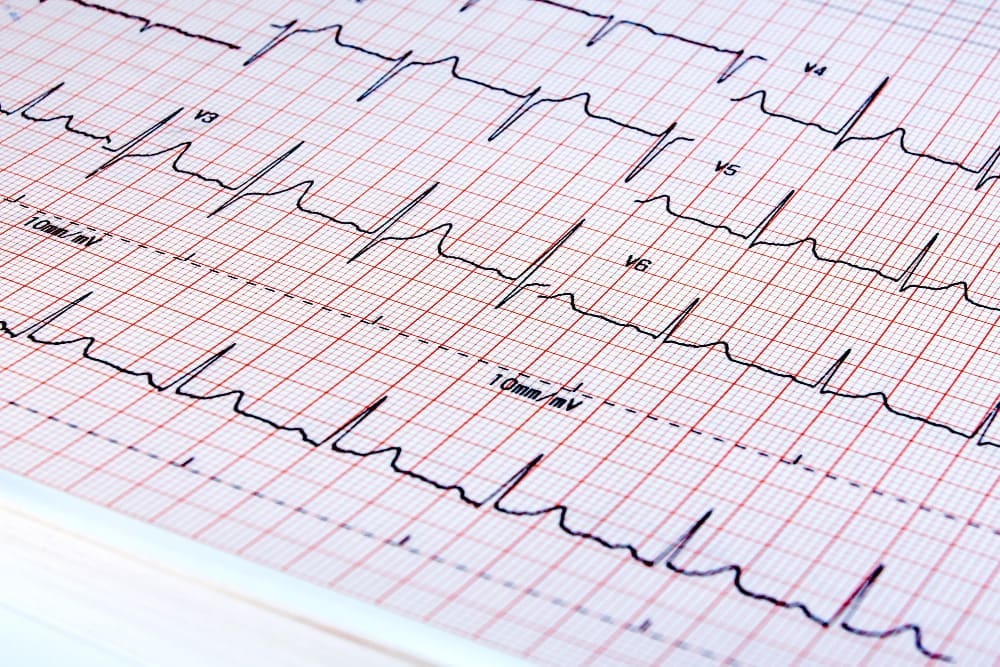
Angina pectoris is a type of chest pain caused by not enough blood and oxygen to the heart. It’s a sign of heart disease, often because of plaque buildup in the coronary arteries. This buildup is called atherosclerosis.
We will look into what angina pectoris is, its causes, and how it differs from a heart attack. Knowing about angina pectoris helps spot early signs of heart problems and take the right steps.
The Pathophysiology Behind Angina Pectoris
The cause of angina pectoris is a decrease in blood flow to the heart muscle. This usually happens because of coronary artery disease. When the arteries narrow or block, the heart muscle doesn’t get enough oxygen and nutrients, causing pain or discomfort.
Key factors contributing to angina pectoris include:
- Atherosclerosis: The buildup of plaque in the coronary arteries.
- Coronary artery spasm: Temporary tightening of the coronary arteries.
- Microvascular dysfunction: Issues with the small blood vessels of the heart.
| Pathophysiological Mechanism | Description |
|---|---|
| Atherosclerosis | Buildup of plaque in coronary arteries, reducing blood flow. |
| Coronary Artery Spasm | Temporary tightening of coronary arteries, reducing blood flow. |
| Microvascular Dysfunction | Issues with the small blood vessels of the heart, impairing blood flow. |
Differentiating Angina from Heart Attack
Angina and heart attack both cause chest pain, but they are different. Angina pain is usually triggered by exertion or stress and gets better with rest or medication. A heart attack, on the other hand, happens when a blockage in a coronary artery lasts long enough to damage heart muscle.
The main differences between angina and heart attack are:
- Duration of pain: Angina pain is usually shorter, while heart attack pain can persist.
- Response to treatment: Angina often responds to rest or nitroglycerin, whereas heart attack pain does not.
- Severity of pain: Heart attack pain is often more severe and may be accompanied by other symptoms like nausea or shortness of breath.
Recognizing Common Angina Symptoms

It’s important to know the signs of angina pectoris to get help quickly. Angina is chest pain or discomfort caused by a temporary lack of blood flow to the heart. We’ll look at the typical symptoms of angina, focusing on chest pain and how it spreads to other areas.
Chest Pain and Discomfort Characteristics
The main symptom of angina is chest pain or discomfort. People often say it feels like a squeeze, pressure, or heaviness in the chest. This pain is usually retrosternal, meaning it’s behind the sternum.
The pain can also be felt in the chest’s center and spread to other areas. Doctors say the pain is often caused by hard work or stress and gets better with rest or medicine.
“The chest pain from angina feels like a tight band around the chest,” says a top cardiologist. This kind of pain is a key sign of angina pectoris.
Pain Radiation to Jaw, Neck, Arms, and Ears
Angina pain can spread to the jaw, neck, arms, and even ears. This happens because the nerves that supply the heart also cover these areas. The pain can be in one or both arms, often the left, and may reach the jaw or neck, feeling like dental pain or a sore throat.
In some cases, people might feel pain or discomfort in their ears, though this is rare. The pain spreading to these areas is a sign of angina pectoris. It’s vital to recognize these symptoms to get medical help fast.
As a medical expert notes, “Pain in the jaw, neck, or arms during an angina episode is a serious sign. It shows the heart is under strain.”
Beyond Chest Pain: Secondary Angina Symptoms
Understanding angina means knowing its secondary symptoms, just as important as chest pain. Chest pain is a classic sign of angina pectoris. But other symptoms can also be significant and should not be ignored.
Shortness of Breath and Fatigue
Shortness of breath, or dyspnea, is a secondary symptom of angina. It happens when the heart doesn’t get enough oxygen. This leads to a feeling of not being able to breathe.
Fatigue is another symptom, where people feel very tired or weak. This can happen even after resting or doing light activities.
These symptoms show that the heart is under strain. It’s vital to notice them, as they can mean the heart is not working right. They often happen during or after physical activity or stress.
Dizziness and Other Neurological Manifestations
Dizziness or feeling lightheaded can be a sign of angina. It’s caused by a temporary drop in blood flow to the brain. Other signs include nausea or sweating.
In some cases, people might feel their heart beating irregularly. These symptoms can sometimes be mistaken for other, less serious issues. But if they happen with chest pain or other known angina symptoms, it’s important to see a doctor.
Some people, like women, might have different symptoms. Knowing these variations can help get the right medical care.
What Triggers Angina Episodes?
Knowing what causes angina episodes is key to managing it well. Angina triggers differ for everyone. Yet, some common factors often lead to episodes.
Physical Exertion and Activity-Related Triggers
Physical activity is a known angina trigger. Activities like walking uphill or climbing stairs can cause symptoms. This is because the heart needs more oxygen during these activities.
Managing Physical Exertion-Related Triggers:
- Engage in regular, moderate exercise to improve cardiovascular health.
- Monitor your body’s response to different activities and adjust.
- Consider pacing yourself and taking regular breaks during exertion.
Stress, Cold Weather, and Lifestyle Factors
Stress is a big angina trigger. It can make the heart rate and blood pressure go up, just like exercise. Cold weather can also cause angina by making blood vessels narrow, reducing blood flow to the heart.
Lifestyle Factors Contributing to Angina Triggers:
| Factor | Impact on Angina | Management Strategy |
|---|---|---|
| Smoking | Increases heart rate and blood pressure, reduces oxygen supply | Quit smoking |
| Heavy Meals | Increases blood flow to the digestive system, diverting it from the heart | Eat smaller, more frequent meals |
| Cold Weather | Causes blood vessels to constrict, reducing blood flow to the heart | Dress warmly, avoid extreme cold |
By understanding and managing these triggers, people with angina can lessen the number and severity of episodes. This improves their life quality.
Different Types of Angina Pectoris
It’s important to know the different types of angina to manage and treat it well. Angina pectoris is chest pain or discomfort due to temporary heart muscle ischemia. It’s not just one thing but several types, each with its own traits and care needs.
Stable vs. Unstable Angina
Stable angina is the most common type. It happens when you exert yourself or get stressed and goes away with rest or medicine. It’s usually because of a blockage in a coronary artery.
Unstable angina, on the other hand, is unpredictable and can happen at any time, even when you’re resting. It’s a more serious condition and means you’re at a higher risk of heart attack.
The main difference is how they show up and their risks. Stable angina can often be managed with lifestyle changes and medicine. But unstable angina needs quick medical help because it’s a sign of a higher risk of heart problems.
Microvascular Angina: Beyond Arterial Blockage
Microvascular angina is chest pain from small coronary arteries that can’t be seen by standard tests. It’s more common in women and can be hard to diagnose. It’s caused by abnormal blood vessel function and increased pain sensitivity.
Recent studies show microvascular angina is a big cause of illness. This means we need to use more than just big artery tests to diagnose it.
Variant (Prinzmetal’s) Angina
Variant or Prinzmetal’s angina is caused by temporary spasm of the coronary arteries. It happens at rest, often in the morning, and isn’t always linked to fixed heart disease. Doctors confirm it by showing artery spasm during tests.
Knowing about these different angina types helps doctors create better treatment plans. This improves patient outcomes and quality of life.
Diagnosing Angina: From Symptoms to Confirmation
To diagnose angina, doctors use a mix of patient history, physical checks, and special tests. This detailed method is key to correctly identifying angina and telling it apart from other similar symptoms.
Clinical Evaluation and Patient History
The first step is a detailed clinical check and patient history. We look at the patient’s symptoms, like chest pain, what triggers it, and what relieves it. We also review their medical history to spot heart disease risks.
Key elements of the clinical evaluation include:
- Characterization of chest pain or discomfort
- Assessment of risk factors for cardiovascular disease
- Review of past medical history, including previous cardiac events or procedures
- Evaluation of current medications and lifestyle factors
Diagnostic Tests and Procedures
After the initial check, we use various tests to confirm angina. These tests check the heart’s health, look for artery blockages, and more.
Common diagnostic tests for angina include:
- Electrocardiogram (ECG or EKG) to assess heart rhythm and detect any signs of ischemia
- Stress test to evaluate the heart’s function under physical stress
- Coronary angiography to visualize the coronary arteries and identify any blockages
- Cardiac imaging tests such as echocardiography or nuclear stress tests
A leading cardiologist says, “Diagnosing angina is more than just chest pain. It’s about understanding the heart’s issues and finding the right treatment.” This shows why a full diagnostic approach is vital.
In summary, diagnosing angina needs a detailed process. It combines clinical checks, patient history, and tests. By understanding symptoms and using the right tools, doctors can accurately diagnose and treat angina.
Risk Factors Contributing to Angina Development
It’s important to know what causes angina to prevent and manage it. Angina pectoris is influenced by genetics, environment, and lifestyle.
Non-Modifiable Risk Factors
Some risk factors for angina can’t be changed. These non-modifiable risk factors include age, gender, and family history of heart disease. As we get older, the risk of angina goes up. Men are usually at higher risk than women, but women’s risk increases after menopause.
A family history of heart disease also matters. It suggests a possible genetic link.
Lifestyle-Related Risk Factors
Lifestyle choices greatly affect angina risk. Lifestyle-related risk factors include smoking, high blood pressure, high cholesterol, diabetes, obesity, and not being active. Smoking harms blood vessel linings, making them more likely to block.
High blood pressure and cholesterol can cause artery plaque buildup. Diabetes damages blood vessels and nerves. Being overweight and not active increases these risks.
We can lower some of these risks by changing our lifestyle. Quitting smoking, eating well, exercising, and managing diabetes and high blood pressure can help.
By understanding and tackling these risk factors, we can prevent angina and improve heart health.
Angina as a Warning Sign: Implications for Heart Health
Angina is a warning sign for heart health risks. It means the heart is not getting enough oxygen-rich blood. This is often due to coronary artery disease. We will look at how recurrent angina affects heart health and when to get medical help.
The Relationship Between Recurrent Angina and Cardiovascular Risk
Recurrent angina means a higher risk of heart problems. Studies show people with frequent angina are more likely to have heart attacks. Research shows managing angina is key to reducing heart risk.
To grasp the risk, let’s look at some data:
| Frequency of Angina Episodes | Cardiovascular Risk Level |
|---|---|
| Occasional | Moderate |
| Frequent | High |
| Unstable | Very High |
When to Seek Emergency Medical Attention
Knowing when to get emergency help for angina is vital. If you have any of these symptoms, call for help right away:
- Chest pain that lasts more than a few minutes or is not relieved by rest or medication
- Severe chest pain or pressure
- Pain that radiates to the arm, neck, jaw, or back
- Shortness of breath
- Dizziness or fainting
Emergency medical attention is critical to avoid serious heart problems. If you have severe or ongoing angina symptoms, don’t wait to get help.
Treatment Approaches for Managing Angina
Angina pectoris treatment involves many medical and interventional strategies. It’s important to manage angina well to improve a patient’s life quality. This means not just treating symptoms but also making the patient’s life better.
Medication Options for Symptom Control
Medicines are key in managing angina symptoms. They aim to lessen how often and how bad angina attacks are. Here are some common medicines:
- Nitrates: These relax blood vessels, helping blood flow to the heart.
- Beta-blockers: They lower heart rate and blood pressure, easing the heart’s work.
- Calcium channel blockers: These relax blood vessels and reduce heart work.
- Antiplatelet agents: Like aspirin, they stop blood clots from forming.
“The right medication can greatly improve angina patients’ lives,” says a top cardiologist. The right medicine depends on the patient’s health and history.
Interventional and Surgical Treatments
For some, medicine alone isn’t enough. Then, interventional or surgical treatments might be needed. These include:
- Angioplasty and stenting: Opens blocked or narrowed coronary arteries.
- Coronary artery bypass grafting (CABG): A surgery that bypasses blocked coronary arteries.
At Liv Hospital, we provide full care for angina patients. We use the latest interventional and surgical treatments. Our team works with patients to find the best treatment.
By using medicines, lifestyle changes, and sometimes surgery or stenting, we can manage angina well. This improves patient outcomes.
Lifestyle Modifications to Reduce Angina Symptoms
Making certain lifestyle changes can help lessen angina symptoms. By choosing the right diet, exercise, and stress management, you can manage your condition better.
Dietary Recommendations
Eating a heart-healthy diet is key for angina management. Focus on fruits, vegetables, whole grains, and lean proteins. Avoid saturated fats, trans fats, and cholesterol. Adding foods high in omega-3s, like salmon and walnuts, is good too.
Exercise Recommendations
Regular exercise is vital for heart health and reducing angina. Try moderate activities like brisk walking, cycling, or swimming for 30 minutes daily. Always talk to a doctor before starting new exercises, if you have heart disease.
Stress Management and Healthy Habits
Stress management is critical for angina patients, as stress can make symptoms worse. Use meditation, deep breathing, and yoga to lower stress. Also, get enough sleep, keep a healthy weight, and don’t smoke for better heart health.
Combining these lifestyle changes with medical care can help manage angina symptoms. This way, you can improve your life quality.
Conclusion: Living Well with Angina Pectoris
Understanding angina pectoris is key to managing it well and improving life quality. Knowing the symptoms, triggers, and types helps people take action. This can lessen its effects.
At Liv Hospital, we focus on caring for those with angina. We use the latest care plans and international standards. Our goal is to help patients manage their condition through lifestyle changes, medicine, and treatments.
Managing angina means understanding it, following treatment plans, and making smart lifestyle choices. Working with healthcare teams helps control angina. This also lowers the chance of heart problems.
We support our patients fully, providing top-notch healthcare for international patients. Choosing Liv Hospital means getting care that meets your needs.
FAQ
What is angina pectoris?
Angina pectoris is a condition where you feel chest pain or discomfort. It happens when your heart doesn’t get enough blood. It’s a sign that something might be wrong with your heart.
What are the typical symptoms of angina?
Symptoms of angina include chest pain or discomfort. It can also feel like pain in your jaw, neck, arms, and ears. You might feel short of breath, tired, or dizzy too.
How is angina pectoris different from a heart attack?
Angina pectoris means your heart muscle doesn’t get enough oxygen. A heart attack happens when your heart muscle is damaged because it doesn’t get enough blood.
What triggers angina episodes?
Things that can trigger angina episodes include physical activity, stress, and cold weather. Lifestyle choices like smoking and eating too much saturated fat can also trigger it.
What are the different types of angina pectoris?
There are several types of angina pectoris. These include stable angina, unstable angina, microvascular angina, and variant (Prinzmetal’s) angina. Each type has its own characteristics and what it means for your health.
How is angina diagnosed?
Doctors diagnose angina by talking to you, looking at your medical history, and doing tests. Tests like electrocardiograms, stress tests, and coronary angiography help figure out what’s going on.
What are the risk factors for developing angina?
Risk factors for angina include things you can’t change like age and family history. Lifestyle choices like smoking, high blood pressure, and not being active also increase your risk.
How can angina be managed?
Managing angina involves medicine, making lifestyle changes, and sometimes surgery. Treatments like angioplasty and coronary artery bypass grafting can help too.
What lifestyle changes can help reduce angina symptoms?
To reduce angina symptoms, eat healthy, exercise regularly, manage stress, and quit smoking. These changes can help a lot.
When should I seek emergency medical attention for angina?
If you have severe chest pain or discomfort, or if you’re short of breath, seek emergency help. Also, if your symptoms get worse or you feel really bad, get help right away.
References
National Heart, Lung, and Blood Institute (NHLBI). Angina (Chest Pain) – Symptoms. https://www.nhlbi.nih.gov/health/angina/symptoms
National Health Service (NHS). Angina. https://www.nhs.uk/conditions/angina/
American Heart Association (AHA). Angina (Chest Pain). https://www.heart.org/en/health-topics/heart-attack/angina-chest-pain