Last Updated on November 25, 2025 by
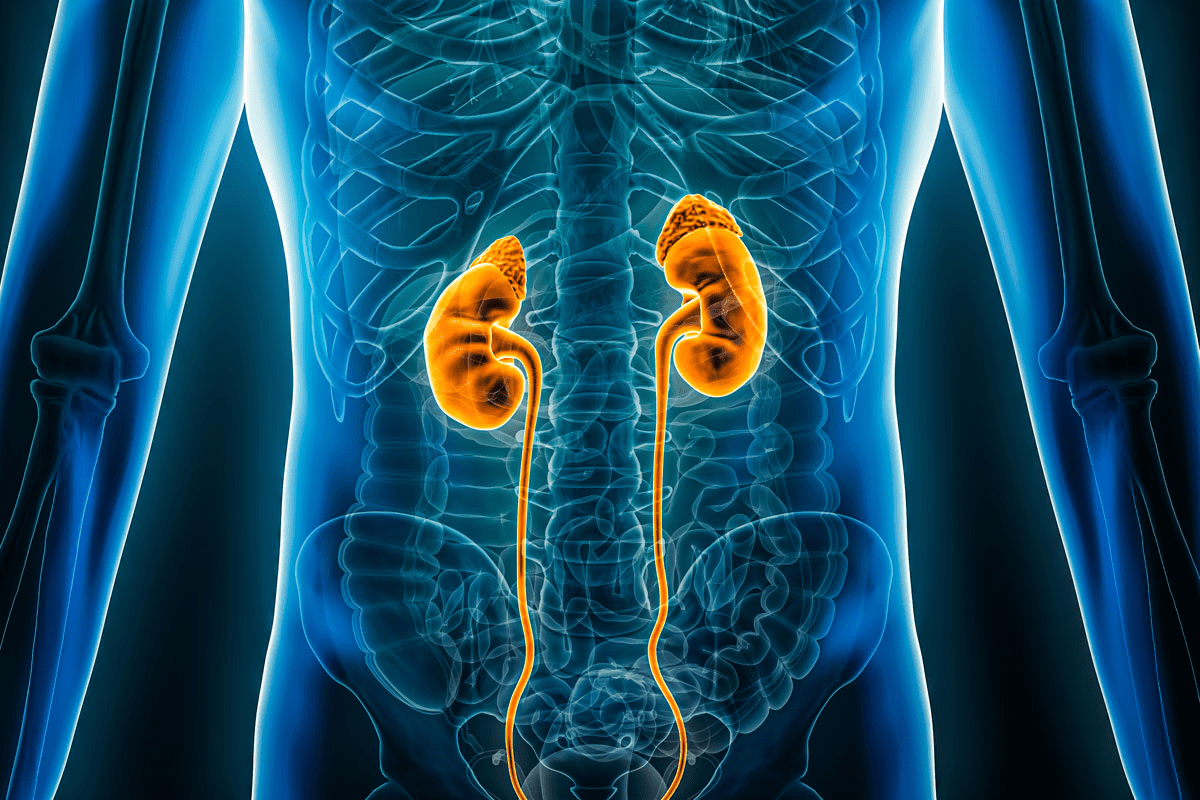
Some cancers, particularly bladder and kidney cancer, can be signaled by markers found by what can pee test detect in a urine sample.
There’s a big leap in cancer research with urine-based cancer detection tests. Now, we can spot bladder and prostate cancer easily with simple urine tests. This change is making screening and treatment better for patients.
Research shows that about 1.2% to 1.3% of men over 50 find out they have bladder cancer through these tests. It’s great because getting a urine sample is easy for everyone involved.
Key Takeaways
- Urine-based tests are increasingly effective for detecting certain cancers.
- Bladder and prostate cancers are particularily identifiable through urine tests.
- Non-invasive urine tests revolutionize screening and patient outcomes.
- Approximately 1.2% to 1.3% of men aged 50+ are diagnosed with bladder cancer via hematuria tests.
- Urine sample collection is a simple and appealing method for patients and healthcare providers.
The Science Behind Cancer Detection in Urine
Urine testing is key in finding cancer cells and markers. It helps diagnose many issues, like kidney disease and bladder cancer. We’ll see how urine tests work and why they’re good for checking on health without pain.
How Cancer Cells and Markers Appear in Urine
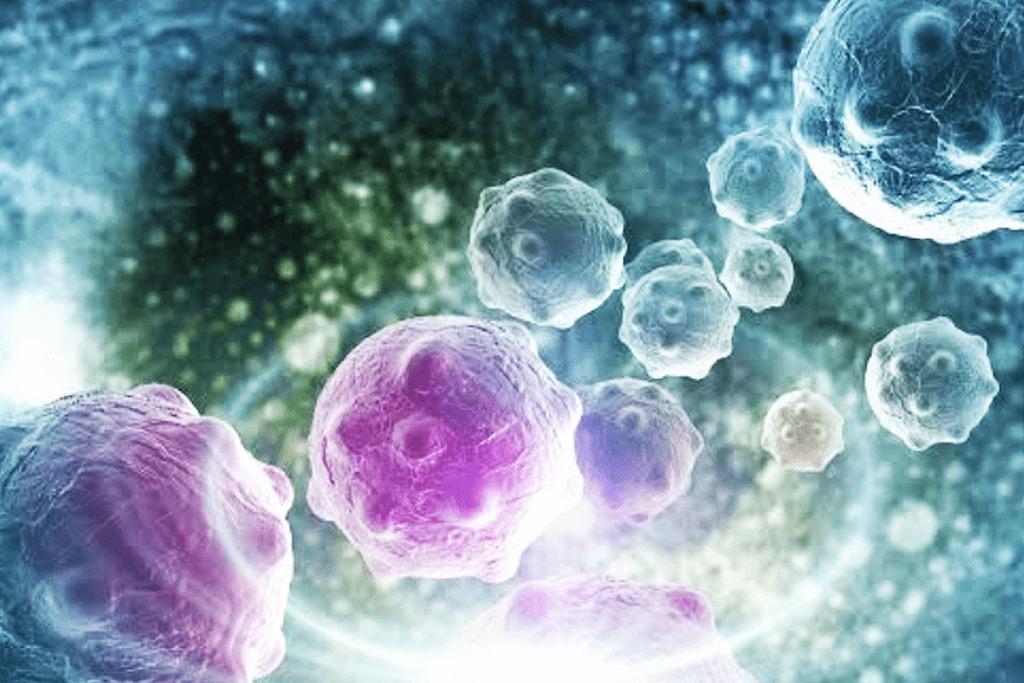
Cancer cells in urine have special markers or genetic stuff. Tests can find these, from simple urinalysis to complex molecular tests. For example, urine tests can spot biomarkers for bladder cancer. This could help find cancer early and keep an eye on it.
The Advantages of Non-Invasive Urine Testing
Urine tests are easy and don’t hurt, making them great for screening and tracking cancer. They can be done often without bothering the patient. Plus, they work well with other tests like imaging and biopsies to get a full picture of health.
Urine testing is a big help in finding and managing cancers, like bladder cancer. As research gets better, urine tests will likely play an even bigger role. This could lead to catching cancer sooner and better care for patients.
Bladder Cancer: Primary Target of Urine Testing
Bladder cancer is a big health issue. It’s expected to affect around 84,870 people and cause 17,420 deaths in the US by 2025. Because the bladder is part of the urinary system, urine tests are a good way to check for it without surgery.
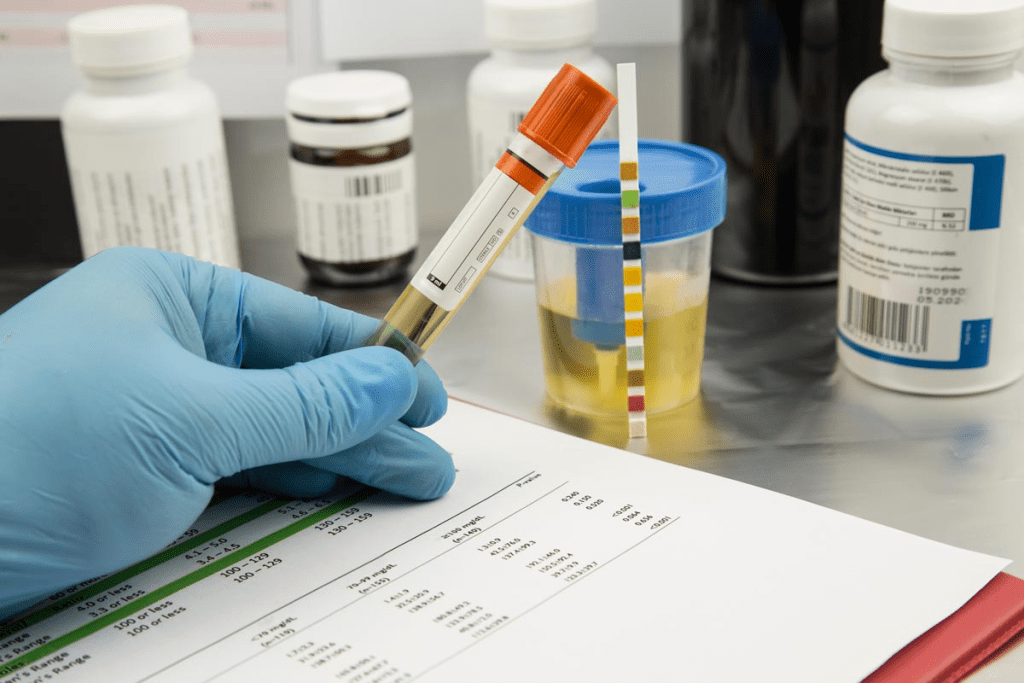
Detection Rates and Early Diagnosis Statistics
Urine cytology, a common test, finds about 50% of serious tumors and 10% of mild ones. It catches bladder cancer about 40% of the time. Even though it’s not perfect, urine tests are very useful, even more so when used with other tests.
“Early detection is key for good treatment,” says experts. This shows how important urine tests are in finding bladder cancer early. Using these tests with others can really help patients.
Blood in Urine (Hematuria) as a Warning Sign
Blood in urine, or hematuria, is a sign of bladder cancer. It’s a sign that needs more checking, like urine tests. Finding blood in urine is easy with a simple test, making it a key sign for bladder cancer.
Types of Bladder Cancer Identifiable Through Urine Tests
Urine tests can spot different kinds of bladder cancer, but how well they work depends on the cancer. The most common bladder cancer, urothelial carcinoma, starts in the bladder lining. Tests like cytology and molecular tests can find this and other cancers.
We’re always getting better at finding and treating bladder cancer. Urine tests are a big part of this. Knowing what these tests can and can’t do helps us diagnose and treat bladder cancer better.
Prostate Cancer Biomarkers in Urine Analysis
Research has led to urine tests that can spot prostate cancer with great accuracy. This change is big, as it offers a new way to find cancer without the old blood tests’ flaws. These old tests sometimes cause too many biopsies.
91% Detection Accuracy of New Biomarker Panels
New biomarker panels can find prostate cancer with 91% accuracy. The National Institutes of Health says this is a big step forward. “A recent urine biomarker panel showed high specificity and sensitivity”accurately identifying up to 91% of prostate cancer cases,” it notes.
Complementing PSA Blood Testing with Urine Tests
PSA blood tests have helped lower prostate cancer deaths. But, urine tests can help more. They look at specific biomarkers in urine to understand a patient’s risk better. This combo makes diagnosis more accurate and helps doctors make better choices.
Distinguishing Between Aggressive and Non-Aggressive Prostate Cancers
Urine tests can tell if prostate cancer is aggressive or not. Knowing this helps avoid too much treatment. They help sort patients by risk, making treatment plans more precise.
As we keep improving urine tests, we’re getting closer to a future where finding prostate cancer is easy and safe. Adding urine analysis to regular checks is a big step in fighting prostate cancer.
What Can Pee Tests Detect Beyond Common Urological Cancers
Urine tests are becoming key in finding many cancers, not just in the urinary system. They help find bladder and prostate cancers. But, research is also looking at other rare cancers.
image is to be corrected’
Upper Urinary Tract Urothelial Carcinomas
Upper urinary tract urothelial carcinomas happen in the lining of the upper genitourinary tract. They can be found through urine tests or specific markers. These cancers are less common but share risk factors with bladder cancer.
Early detection is key for treating upper urinary tract urothelial carcinomas well. Urine tests are a non-invasive way to check on high-risk patients. They might find the disease early.
Kidney Cancer Indicators in Urine
Some signs of kidney cancer might be in urine. But, finding kidney cancer through urine tests is an area of ongoing research. Specific proteins, genetic material, or markers in urine could mean kidney cancer is present.
Researchers are looking into urine tests for kidney cancer, mainly in high-risk groups. While not a standard test yet, urine tests might help find kidney cancer in the future.
Rare Cancers with Urinary Manifestations
Some rare cancers show up with urinary symptoms or changes in urine. For example, white cells in urine can mean infections or cancers in the urinary tract.
Advancements in urine testing technologies are making it easier to find more cancers. By looking for specific biomarkers or genetic changes in urine, scientists aim to create tests for many cancers without invasive procedures.
As research keeps improving, urine tests might find many more cancers. This could change cancer screening, making it easier and less scary for people everywhere.
Urine Testing Technologies and Methodologies
Urine testing is a new way to find cancer without surgery. Liv Hospital uses the latest methods to help patients. We use different ways to make urine tests better at finding cancer.
Cytology Examination Process
The urine cytology process looks for abnormal cells in urine. It’s been around for years to find cancer cells. Highly trained cytologists check the cells for any signs of cancer. But, it’s not perfect, mainly for finding small tumors.
We’ve added new tech to our cytology process. Digital pathology makes cell analysis more accurate. It helps us measure and compare cells better.
Fluorescence In Situ Hybridization (FISH)
Fluorescence in situ hybridization (FISH) finds genetic changes in cells. It’s great for urine tests because it spots chromosomal abnormalities linked to cancer. This is very helpful for finding bladder cancer.
- FISH analysis can detect multiple genetic targets simultaneously.
- It is more sensitive than traditional cytology in detecting certain types of cancer.
- FISH can be used to monitor the effectiveness of treatment and detect recurrence.
Molecular and Genetic Marker Analysis
Molecular and genetic marker analysis is a big step forward in urine testing. It looks at the genetic material in urine for cancer markers. PCR (Polymerase Chain Reaction) and other methods help us find these markers better.
These tests can find cancer early, even before symptoms show. They also tell us about the tumor’s genetics. This helps us decide on the best treatment.
At Liv Hospital, we keep up with new tech to give our patients the best care. We want to make sure they get the most accurate tests.
When to Seek Urine Cancer Screening
Knowing when to get a urine cancer screening is key to catching cancer early. If you have certain risk factors or symptoms, getting screened is a good idea. It’s part of taking care of your health.
High-Risk Populations Who Should Get Regular Testing
Some groups face a higher risk of getting cancers that urine screening can find. These include:
- People who have smoked, as tobacco is a big risk for bladder and urinary tract cancers.
- Those exposed to chemicals like dye, rubber, and paint, which can raise bladder cancer risk.
- Those with a family history of urinary tract cancers.
We suggest these high-risk groups talk to their doctor about their risk. This will help figure out the best screening schedule.
Symptoms That Warrant Immediate Urine Cancer Screening
Some symptoms might mean you have urinary tract cancer. These symptoms need quick medical check-ups. They are:
- Blood in your urine, which could mean bladder or kidney cancer.
- Changes in how often you pee or how urgent it is.
- Pain when you pee or in your belly.
If you notice any of these, see a doctor right away.
Integration with Routine Medical Check-Ups
Urine cancer screening fits well into regular health check-ups, mainly for those at higher risk. Talk to your doctor about your risk and screening options during your visits.
Adding urine cancer screening to your health routine can help catch problems early. This can lead to better health outcomes.
Limitations and Challenges of Urine-Based Cancer Detection
Urine tests for cancer detection have shown promise. Yet, it’s important to know their limits. These tests are non-invasive and might be cheaper. But, they face several challenges.
Understanding Sensitivity and Specificity Rates
Urine tests for cancer have different sensitivity and specificity rates. Sensitivity is how well a test finds people with the disease (true positive rate). Specificity is how well a test finds people without the disease (true negative rate). Knowing these rates helps us understand test results.
A test with high sensitivity but low specificity might give many false positives. This can cause unnecessary worry and more tests. On the other hand, a test with high specificity but low sensitivity might miss some cases. This could delay diagnosis and treatment.
Causes of False Positive and False Negative Results
False positives and negatives can happen for many reasons. False positives might be due to contamination, some medicines, or other health issues that look like cancer markers. False negatives can be caused by the timing of the test, the cancer’s stage, or the test’s ability to detect certain markers.
- Contamination or sample handling errors
- Certain medications or supplements
- Other medical conditions or inflammatory processes
When Additional Diagnostic Procedures Become Necessary
Because of the chance of false positives or negatives, more tests are often needed. These might include imaging tests, biopsies, or other invasive methods to confirm or rule out cancer.
Doctors must think about these issues when suggesting urine tests. They should make sure patients know the possible limits and the need for more tests.
Conclusion: The Future of Non-Invasive Cancer Detection
We are on the verge of a big change in finding cancer early. This change comes from new urine tests. These tests are getting better at spotting cancer without needing invasive procedures.
New technologies and markers will make these tests even better. This means we might find cancer sooner. It also means better treatment options for patients.
Urine tests are becoming key in finding cancer early. We’ll see more cancers found through urine tests. This could change how we screen and monitor cancer.
FAQ
What can be detected in a urine test for cancer?
Urine tests can find different cancers, like bladder and prostate cancer. They look for markers or genetic material from cancer cells in the urine.
Can a urine test detect bladder cancer?
Yes, urine tests can spot bladder cancer. They look for blood in the urine and specific markers from bladder cancer cells.
How is bladder cancer detected through urine tests?
Urine tests check for blood, cancer cells, or genetic markers in the urine. These signs can mean cancer is present.
What is the role of white cells in urine in cancer detection?
White cells in urine might mean infections or cancer. They can lead to more tests to find the cause.
Can urine tests detect prostate cancer?
Yes, urine tests can find prostate cancer. They look for biomarkers that show prostate cancer, along with blood tests.
How do urine tests complement PSA blood testing for prostate cancer?
Urine tests give more info on prostate cancer. They help tell if cancer is aggressive or not. This can mean fewer unnecessary biopsies.
What are the limitations of urine-based cancer detection tests?
Urine tests for cancer have limits. They can give false results and vary in how well they work. Results need careful thought.
What cancers can be detected through urine samples beyond bladder and prostate cancer?
Urine tests can find more than just bladder and prostate cancer. They can spot upper urinary tract cancers and some kidney cancers, and rare cancers too.
What technologies are used in urine testing for cancer?
Urine tests use different techs like cytology, FISH, and genetic marker analysis. These help find cancer cells and genetic material in urine.
Who should consider urine cancer screening?
People who smoked a lot, were exposed to harmful substances, or have symptoms like blood in urine should get tested. They’re at higher risk for cancer.
How can urine cancer screening be integrated into routine medical check-ups?
Urine tests can be part of regular check-ups for those at high risk or with symptoms. This can catch cancer early and help improve treatment outcomes.
References
Lotan, Y., Roehrborn, C., & deVere White, R. (2023). Urine biomarkers in bladder cancer ” current status and future directions. Nature Reviews Urology. https://www.nature.com/articles/s41585-023-00773-8
Ahangar, M., Mahjoubi, F., & Mowla, S. J. (2024). Bladder cancer biomarkers: current approaches and future directions. Frontiers in Oncology. https://www.frontiersin.org/journals/oncology/articles/10.3389/fonc.2024.1453278/full
A good overview of existing urinary biomarker tests (BTA, NMP22, UBC, etc.) and new molecular/omics approaches.Eissa, S., et al. (2024). Urine biomarkers in bladder cancer ” current status and clinical application. PMC (NCBI). https://pmc.ncbi.nlm.nih.gov/articles/PMC11638051/