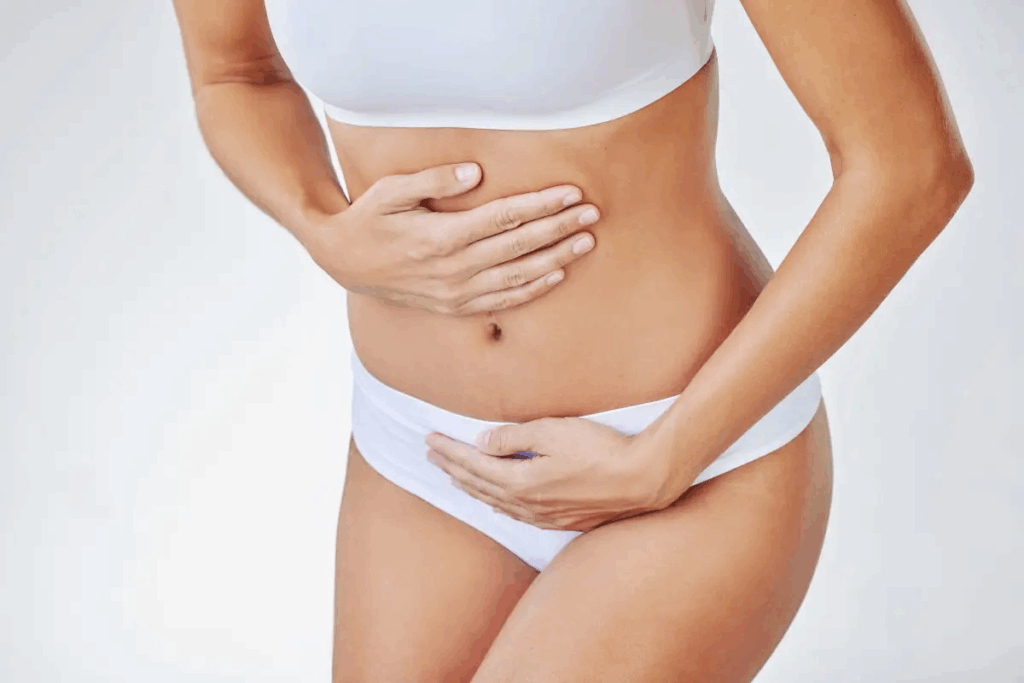
Millions of women worldwide face irregular periods. Many are unsure about the causes or if pregnancy is possible. Knowing about menstrual irregularity is key because it impacts fertility, health, and life quality.
We will look into what causes irregular periods and if you can get pregnant with them. Irregular periods are common, affecting 14% to 25% of women globally.
Irregular or abnormal ovulation is behind 30% to 40% of infertility cases. If you have irregular periods, it might mean you’re not ovulating. This is called anovulation.
Key Takeaways
- Irregular periods affect a significant portion of the global female population.
- Menstrual cycle irregularities can significantly impact fertility.
- Understanding the causes of irregular periods is key for fertility concerns.
- Irregular ovulation is a common cause of infertility.
- Many women with irregular periods can conceive with the right medical support.
Understanding Irregular Periods

Many women worry about irregular periods, which can affect their health and happiness. We’ll look into what irregular periods are, how common they are, and how they differ from regular cycles.
Definition and Prevalence Statistics
Irregular periods mean cycles that are too short or too long, or change a lot. A normal menstrual cycle lasts between 24 and 38 days, with 28 days being average. If your cycle is shorter than 24 days or longer than 38 days, or changes a lot, it’s considered irregular.
Statistics show that irregular periods affect a lot of women. About 14% to 25% of women deal with irregular cycles at some point.
Normal vs. Irregular Menstrual Cycles
It’s key to know the difference between normal and irregular cycles. Normal cycles are pretty consistent, with small changes each month. Irregular cycles, on the other hand, can be very different in length and flow, making it hard to guess when your next period will be.
Women with irregular periods might have cycles that are less than 21 days or more than 35 days apart. They might also have unpredictable or very heavy or light bleeding. These changes can be due to hormonal imbalances, lifestyle, or medical conditions.
Knowing the difference between normal and irregular cycles helps women spot issues early. This way, they can get the right medical help when needed.
Signs and Symptoms of Irregular Menstruation

It’s important for women to know the signs of irregular periods. This knowledge helps in getting medical help on time. Irregular periods can show up in different ways, hinting at health problems.
Common Indicators of Menstrual Irregularity
Irregular periods can show up in many ways. These include changes in cycle length, flow, and other symptoms. Here are some key signs:
- No periods or irregular periods
- Irregular or no ovulation
- Obesity or weight gain
- Insulin resistance
- High blood pressure
- Abnormal cholesterol with high triglycerides
- Excess hair growth on the body and face
- Acne or oily skin
- Thinning hair or male-pattern baldness
Being overweight can double the risk of irregular periods. This is because too much body fat can mess with hormones.
Symptom | Possible Indicator |
Irregular or no periods | Hormonal imbalance |
Obesity or weight gain | Insulin resistance, hormonal issues |
Excess hair growth | Androgen excess |
When to Seek Medical Attention
Knowing when to see a doctor for irregular periods is key. If you have ongoing irregularities, severe symptoms, or notice these signs, get medical help:
“If you’re experiencing irregular periods, it’s essential to monitor your symptoms and seek medical advice if you notice significant changes or if your symptoms worsen over time.”
- Severe pain
- Heavy or prolonged bleeding
- Irregular periods accompanied by other symptoms like excessive hair growth or acne
Getting medical help early can solve underlying problems and improve your health.
What Causes Abnormal Periods: Medical Conditions
Medical issues like hormonal imbalances and reproductive disorders can cause irregular periods. These problems can mess with how often you get your period and your ability to get pregnant. It’s important to know what causes these issues, their symptoms, and how to treat them.
Polycystic Ovary Syndrome (PCOS)
PCOS is a common problem for women of childbearing age. It can mess with your menstrual cycle and ability to get pregnant. Signs include irregular periods, no periods, or bleeding that’s not normal, no ovulation, or irregular ovulation.
Other symptoms include obesity or weight gain, insulin resistance, high blood pressure, and bad cholesterol. You might also have too much hair, acne, oily skin, and thinning hair or baldness.
Key Characteristics of PCOS:
Symptom | Description |
Irregular Periods | Infrequent or prolonged menstrual cycles |
Hormonal Imbalance | High levels of androgens and insulin resistance |
Ovulation Issues | No ovulation or irregular ovulation |
Thyroid Disorders
Thyroid problems, like hypothyroidism and hyperthyroidism, can really mess with your menstrual cycle. Thyroid hormones are key to keeping your periods regular. Any imbalance can cause irregular periods.
Effects of Thyroid Disorders on Menstrual Cycles:
- Hypothyroidism can cause heavier or more frequent periods.
- Hyperthyroidism may lead to lighter or less frequent periods.
Pituitary Gland Dysfunction
The pituitary gland controls other glands, like the ovaries. If it doesn’t work right, it can cause hormonal imbalances. These imbalances can mess with your menstrual cycle.
Functional Hypothalamic Amenorrhea
This condition happens when stress, weight loss, or too much exercise stops your periods. It’s because the hypothalamus doesn’t send the right signals to the pituitary gland. This gland needs these signals to release hormones for ovulation.
Common Causes of Functional Hypothalamic Amenorrhea:
- Excessive exercise or physical stress
- Significant weight loss or low body fat
- Psychological stress
Knowing about these medical conditions is key to figuring out and treating irregular periods. Each condition needs a special approach to get your periods back on track and improve your fertility.
Reproductive Health Conditions and Irregular Periods
Irregular periods can signal underlying reproductive health problems. We’ll look at how certain conditions, like endometriosis and pelvic inflammatory disease, affect menstrual cycles.
Endometriosis
Endometriosis is when endometrial tissue grows outside the uterus. This causes inflammation, scarring, and adhesions. It leads to pain and irregular periods.
Symptoms and Diagnosis: Symptoms include pelvic pain, heavy or irregular bleeding, and infertility. Doctors use medical history, physical exams, and imaging like ultrasound or MRI to diagnose.
Early menarche raises the risk of irregular periods. This shows why it’s key to watch menstrual health early on.
Pelvic Inflammatory Disease
Pelvic inflammatory disease (PID) is an infection of the reproductive organs. It’s often caused by sexually transmitted bacteria. PID can cause chronic pelvic pain, infertility, and higher risk of ectopic pregnancy.
- Common symptoms include lower abdominal pain, abnormal vaginal discharge, and fever.
- Diagnosis is based on clinical presentation, laboratory tests, and sometimes imaging studies.
- Treatment typically involves antibiotics, and in severe cases, hospitalization may be necessary.
Impact on Menstrual Regularity and Fertility: Both endometriosis and PID can harm menstrual regularity and fertility. It’s vital to manage these conditions for reproductive health.
Understanding the connection between reproductive health issues and irregular periods is key. By tackling these problems, people can improve their menstrual health and overall well-being.
Lifestyle Factors Affecting Menstrual Regularity
It’s important to know how lifestyle choices affect menstrual cycles. These choices can impact hormonal balance, which is key for regular periods.
Weight and Body Fat Percentage
Being too thin or too heavy can mess with your periods. People who are overweight are more likely to have irregular periods because of hormonal issues. Keeping a healthy weight is vital for regular periods.
- Body Mass Index (BMI): A BMI between 18.5 and 24.9 is considered normal. Being too far from this range can affect your periods.
- Body Fat Percentage: Too much body fat, like around the belly, can cause hormonal problems. This can mess with ovulation and regular periods.
Stress and Mental Health
Stress can really mess with your periods by messing with the HPA axis. This leads to hormonal imbalances. Long-term stress can also mess with your reproductive system.
- Stress Management Techniques: Things like meditation, yoga, and deep breathing can help reduce stress’s impact on periods.
- Mental Health Support: Getting help for mental health is key. Untreated mental health issues can make period problems worse.
Exercise and Physical Activity
Exercise can be good or bad for periods, depending on how much and how hard you do it. Regular, moderate exercise can help keep periods regular. But too much exercise can mess with hormones and cause irregular periods.
- Benefits of Moderate Exercise: Activities like walking, cycling, and swimming can boost health and help with regular periods.
- Risks of Excessive Exercise: Doing too much intense or long exercise without rest can upset hormone balance. This can lead to irregular periods.
Medications and Treatments That May Cause Irregular Periods
We look at how different medicines and treatments can cause irregular periods. Some medicines, like birth control and blood thinners, can really mess with your cycle.
Birth Control Methods
Birth control, mainly hormonal types, can mess with your period. They change your body’s hormones, which can change your cycle.
Types of Birth Control and Their Effects:
Birth Control Method | Effect on Menstrual Cycle |
Hormonal Contraceptives (Pills, Patches) | Can cause lighter or heavier periods, or amenorrhea |
Intrauterine Devices (IUDs) | May lead to irregular bleeding, specially in the first few months |
Contraceptive Implants | Can cause irregular bleeding or spotting |
Anticoagulants and Other Medications
Medicines like blood thinners, thyroid drugs, antidepressants, and chemo can mess with your cycle. They can change your hormones and how regular your periods are.
Examples of Medications and Their Effects:
- Anticoagulants: Can cause heavier or more prolonged menstrual bleeding
- Thyroid Drugs: May affect menstrual regularity by altering thyroid hormone levels
- Antidepressants: Can lead to changes in menstrual cycles, including irregular periods or amenorrhea
- Chemotherapy: Often causes significant changes in menstrual cycles, sometimes leading to amenorrhea
It’s important to know how these medicines can affect your periods. If you’re on meds and your periods are off, talk to your doctor.
How Long Do Irregular Periods Last?
Irregular periods can last different lengths for women. Age, health issues, and lifestyle play big roles. These factors affect how long and how often irregular periods happen.
Duration Patterns and Variations
Irregular periods can last from a few months to years. Young women aged 18 to 24 years are twice as likely to experience irregular periods. Hormonal changes and other factors are to blame. Medical conditions like PCOS or thyroid disorders also impact duration.
Let’s look at the possible variations:
Duration | Possible Causes | Common Symptoms |
Short-term (few months) | Lifestyle changes, stress | Infrequent or prolonged bleeding |
Medium-term (1-2 years) | Hormonal imbalances, PCOS | Irregular cycle lengths, heavy or light bleeding |
Long-term (several years) | Chronic medical conditions, thyroid disorders | Prolonged amenorrhea or frequent bleeding |
Age-Related Duration Differences
Age is key in how long irregular periods last. Women in their late teens and early twenties are more likely to experience irregular periods due to hormonal fluctuations. As women get closer to menopause, irregular periods become more common due to lower estrogen levels.
Here’s a summary of age-related differences in the duration of irregular periods:
- Adolescence: Irregular periods are common due to hormonal changes.
- Reproductive years: Lifestyle factors and underlying medical conditions can influence duration.
- Perimenopause: Hormonal fluctuations lead to irregular periods.
Knowing these patterns and variations helps women manage their menstrual health better. It also encourages them to seek medical care when needed.
Can You Get Pregnant with Irregular Periods?
Irregular periods can make it tough to get pregnant, but it’s not out of the question. Many women with irregular cycles do get pregnant each year. It’s all about understanding your body and timing things right.
Understanding Ovulation with Irregular Cycles
Ovulation is key to getting pregnant. But with irregular periods, it’s hard to know when it happens. Knowing your body’s signs can help. We’ll look at ways to track ovulation even with irregular cycles.
Tracking Ovulation: There are many ways to find out when you’re ovulating. You can track your basal body temperature, use ovulation predictor kits, or try fertility apps.
Fertility Challenges with Irregular Periods
Irregular periods often mean ovulation problems, which can hurt your chances of getting pregnant. Conditions like PCOS are common and can cause both irregular periods and infertility. We’ll talk about how these issues affect fertility and what treatments are available.
Tracking Fertility Signs Despite Irregularity
Even with irregular cycles, you can track your fertility to boost your chances of getting pregnant. Keep an eye on your cervical mucus, use ovulation predictor kits, and keep a fertility journal.
Success Stories: Many women with irregular periods have gotten pregnant by tracking their fertility signs and timing sex right.
Success Rates and Considerations
The success rate of getting pregnant with irregular periods depends on the cause. We’ll look at different factors that affect success rates and what to consider if you’re trying to conceive.
Cause of Irregularity | Success Rate of Conception | Considerations |
PCOS | Lower | Fertility treatments like Clomid or IUI may be necessary. |
Thyroid Disorders | Variable | Regulating thyroid hormone levels can improve fertility. |
Stress and Lifestyle Factors | Higher with lifestyle adjustments | Stress management and lifestyle changes can improve ovulation and fertility. |
Understanding irregular periods and using the right strategies to track fertility can greatly improve your chances of getting pregnant. Whether through natural methods or fertility treatments, there’s hope for women with irregular periods to conceive.
Tracking and Managing Irregular Periods
Tracking irregular periods is the first step to understanding and managing your menstrual cycle. By monitoring your cycle and making informed lifestyle choices, you can take control of your menstrual health.
Methods for Monitoring Your Cycle
There are several ways to track your menstrual cycle, each giving valuable insights into your reproductive health. These include:
- Ultrasound and Bloodwork Monitoring: These medical tests can help identify underlying issues causing irregular periods.
- At-Home Ovulation Predictor Kits (OPKs): OPKs detect the luteinizing hormone surge that precedes ovulation, helping you identify your fertile window.
- Basal Body Temperature Charting: Tracking your basal body temperature can indicate when ovulation has occurred.
Lifestyle Adjustments for Cycle Regulation
Making healthy lifestyle adjustments can significantly impact menstrual regularity. Consider the following changes:
- Maintaining a Healthy Weight: Being underweight or overweight can affect hormone production and menstrual cycles.
- Reducing Stress: High stress levels can disrupt the hypothalamic-pituitary-adrenal axis, leading to irregular periods.
- Exercising Regularly: Regular physical activity can help regulate menstrual cycles by improving overall hormonal balance.
By combining these tracking methods with healthy lifestyle choices, women can better understand and manage their irregular periods. This improves their overall reproductive health.
Treatment Options for Irregular Periods
Treatment for irregular periods varies widely. It includes both medical interventions and natural remedies. Women with irregular periods can find the right care by learning about these options.
Medical Interventions
Medical treatments often use medications to balance hormones or help ovulate. For example, Clomid (clomiphene citrate) and Letrozole are used to help ovulate in women with irregular cycles.
Other medical options include:
- Hormonal therapies to regulate menstrual cycles
- Birth control pills to stabilize hormonal fluctuations
- Medications for conditions like polycystic ovary syndrome (PCOS) or thyroid disorders
Medical Intervention | Purpose | Common Examples |
Hormonal Regulation | To stabilize menstrual cycles | Birth control pills, Hormone replacement therapy |
Ovulation Induction | To stimulate ovulation | Clomid, Letrozole |
Underlying Condition Treatment | To address causes of irregularity | Metformin for PCOS, Thyroid medication for thyroid disorders |
Natural Remedies and Supplements
Natural remedies and lifestyle changes are also key in managing irregular periods. Changes in diet, stress reduction, and supplements can help regulate cycles.
Some natural methods include:
- Dietary changes to maintain a healthy weight and balance blood sugar levels
- Stress management techniques such as yoga or meditation
- Supplements like omega-3 fatty acids, vitamin D, and herbal remedies that may support hormonal balance
Women should talk to healthcare providers before trying new treatments or supplements. This ensures they are safe and right for their needs.
Conclusion
Understanding why periods are irregular can help women manage their health better. By knowing the signs, they can get help from doctors. This way, they can tackle any health issues.
We talked about many things that can mess with regular periods. There are treatments like medicine, natural ways, and supplements. These options help women deal with irregular periods and boost their fertility.
Women can make their periods more regular by changing their lifestyle and getting advice from doctors. This approach improves their health and happiness. We urge women to take charge of their menstrual health. Doing so can make their lives better and more fulfilling.
FAQ
What is meant by irregular periods?
Irregular periods mean your menstrual cycles don’t follow a regular pattern. This can include cycles that are too long or too short. It also includes periods that are too heavy or too light.
Can you get pregnant if you have irregular periods?
Yes, getting pregnant with irregular periods is possible. But it might be harder. Knowing when you ovulate and tracking your fertility signs can help.
What are the common causes of irregular menstruation?
Irregular periods can be caused by hormonal imbalances or medical conditions like PCOS and thyroid disorders. Lifestyle factors like stress and weight changes also play a role. Certain medications can cause it too.
How long do irregular periods last?
Irregular periods can last for different lengths of time. It depends on the cause and individual factors. Sometimes, it’s a short-term issue. Other times, it can last longer.
What are the signs and symptoms of irregular menstruation?
Signs of irregular periods include changes in cycle length and flow. You might also experience cramping or bloating. Mood changes and breast tenderness are other symptoms.
When should I seek medical attention for irregular periods?
See a doctor if your irregular periods are persistent or severe. Heavy bleeding is also a reason to seek help. A healthcare provider can diagnose and treat the cause.
Can lifestyle changes help regulate irregular periods?
Yes, making healthy lifestyle choices can help. Maintaining a healthy weight, managing stress, and exercising regularly can improve your menstrual cycles.
Are there any medical treatments available for irregular periods?
Yes, there are treatments for irregular periods. These include hormonal therapies, birth control, and other medications. A healthcare provider can recommend the best treatment for you.
Can irregular periods be a sign of an underlying medical condition?
Yes, irregular periods can indicate a medical condition like PCOS or thyroid disorders. A healthcare provider can diagnose and treat these conditions.
How can I track and manage irregular periods?
To track and manage irregular periods, monitor your cycles and make lifestyle changes. Explore treatment options with a healthcare provider. They can guide you based on your needs.
References
World Health Organization. Irregular Periods: Causes and Pregnancy Considerations. Retrieved from https://www.who.int/news-room/fact-sheets/detail/polycystic-ovary-syndrome
World Health Organization. Irregular Periods: Causes and Pregnancy Considerations. Retrieved from https://www.who.int/news-room/fact-sheets/detail/polycystic-ovary-syndrome