Blurry vision can be really frustrating and worrying. It’s important to know why it happens to keep your eyes healthy. At Liv Hospital, our eye experts use the latest tech to find and fix blurry vision problems.
Many people around the world deal with intermittent blurry vision. It can be caused by simple eye problems or serious health issues. Recent studies show blurry vision is a top reason for eye doctor visits. We’re here to help you see clearly and keep your eyes healthy.
Key Takeaways
- Blurry vision can be caused by various factors, including refractive errors and serious medical conditions.
- Millions globally experience intermittent blurry vision, making it a common issue.
- Advanced diagnostic technology is used to determine the underlying causes of blurry vision.
- Liv Hospital’s ophthalmology team is dedicated to providing comprehensive care for patients.
- Understanding the causes of blurry vision is key to keeping your eyes healthy long-term.
Understanding Blurry Vision and Its Impact

Blurry vision is a common problem that can make daily tasks hard. It can be constant blurry vision or slightly blurred vision that changes. Knowing why it happens is key to managing it well.
How Common Is Intermittent Blurry Vision?
Many people deal with blurry vision that comes and goes. It can be due to refractive errors, dry eyes, or other eye issues. Often, people see blurry spots in vision or changes in how clear things are.
- Long hours in front of screens can cause blurry vision.
- Myopia, hyperopia, and astigmatism can make things blurry at different distances.
- Dry eyes can make vision quality change.
Differentiating Between Temporary and Persistent Blurriness
It’s important to tell apart temporary and lasting blurry vision. Temporary blurry vision might be from tired eyes, dry eyes, or a sudden change. But lasting blurry vision could mean a serious eye problem that needs a doctor.
- If blurry vision doesn’t go away or gets worse, it might be a serious issue.
- Temporary blurry vision might clear up with rest or simple fixes.
When Blurry Vision Requires Immediate Medical Attention
Some cases need quick medical help. Sudden, severe blurry vision or eye pain, double vision, or losing part of your vision means you should see a doctor right away. Why are my eyes going blurry? is a question that needs a quick answer from a doctor.
Knowing why blurry vision happens is the first step to keeping your eyes healthy. By spotting the signs and knowing when to get help, you can protect your eye health.
What Causes Intermittent Blurry Vision: The Main Culprits

When your vision keeps going blurry, finding the cause is key. It could be simple refractive errors or more serious eye conditions. Knowing why your vision blurs can help you treat it better.
Refractive Errors: Myopia, Hyperopia, and Astigmatism
Refractive errors are a common reason for blurry vision. They happen when the eye can’t bend light right, making things blurry. There are three main types:
- Myopia (Nearsightedness): Close things are clear, but far things are blurry.
- Hyperopia (Farsightedness): Far things are clear, but near things are blurry.
- Astigmatism: Everything looks distorted or blurry because of an irregular cornea.
Presbyopia: Age-Related Vision Changes
Presbyopia is a vision problem that comes with age. It starts in the 40s and makes it hard to focus on close things. It’s a natural part of aging and can be helped with reading glasses or contacts.
Age Group | Common Vision Problems | Typical Correction Methods |
40-50 years | Presbyopia, early signs of cataracts | Reading glasses, bifocal glasses |
50+ years | Advanced presbyopia, cataracts, age-related macular degeneration | Multifocal lenses, cataract surgery |
Fluctuating Vision Throughout the Day
Vision can change throughout the day for many reasons. Dry eye, eye strain from screens, and blood sugar changes can all play a part. For example, people with diabetes might see vision changes with blood sugar swings.
Knowing why your vision blurs can help you manage it. You might need to change your habits, use corrective tools, or see a doctor.
Dry Eye Syndrome and Vision Disturbances
Dry eye syndrome happens when your eyes don’t make enough tears. This can cause vision problems and discomfort. We’ll look at how dry eye affects your vision, why it happens, and how to manage it.
Inadequate Tear Production and Its Effects
Dry eye syndrome means your eyes don’t make enough tears. Tears keep your eyes healthy and help you see clearly. Without enough tears, your eyes can feel dry, get irritated, and your vision can blur.
Environmental Factors Worsening Dry Eyes
Things like dry air, wind, and too much screen time can make dry eyes worse. Knowing what these factors are can help you manage your dry eye symptoms better.
Connection Between Dry Eyes and Blurry Vision
Dry eyes and blurry vision are linked because of poor tear quality or amount. When your tears aren’t right, it can mess up your eye’s surface. This can make your vision blurry. We’ll talk about how treating dry eye can help clear up your vision.
Symptom | Description | Management Strategy |
Blurry Vision | Vision becomes unclear due to inadequate tear production. | Use artificial tears, take regular breaks from screens. |
Dryness | Feeling of dryness or grittiness in the eyes. | Use humidifiers, avoid dry environments. |
Irritation | Eyes become red, irritated, and uncomfortable. | Avoid rubbing eyes, use cold compresses. |
Digital Eye Strain in the Modern World
Our eyes face more strain than ever before due to digital devices. Computers, smartphones, and TVs have changed how we live and work. But, they also risk our eye health.
Effects of Prolonged Screen Time on Vision
Long screen time can cause digital eye strain or computer vision syndrome. Symptoms include dry eyes, headaches, blurry vision, and neck or shoulder pain. Blue light from devices can disrupt sleep and cause eye fatigue.
To fight digital eye strain, we need to take steps. The 20-20-20 rule is a good start. Look away from screens every 20 minutes for 20 seconds at something 20 feet away. This can greatly reduce eye strain.
Prevention Strategies for Digital Eye Strain
There are more ways to prevent digital eye strain. Adjusting your device’s display settings helps. Using good lighting and keeping a comfortable distance from screens also helps.
Prevention Strategy | Description | Benefit |
20-20-20 Rule | Look away every 20 minutes at something 20 feet away for 20 seconds | Reduces eye strain |
Adjust Display Settings | Modify brightness and contrast to comfortable levels | Decreases eye fatigue |
Good Lighting | Ensure the room is well-lit and glare is minimized | Reduces eye discomfort |
Recognizing Computer Vision Syndrome Symptoms
Knowing the symptoms of computer vision syndrome is key. Look out for dry eyes, headaches, blurred vision, and neck or shoulder pain. If you see these often, see an eye doctor.
Understanding digital eye strain and taking steps to prevent it can protect our vision. Regular eye exams and proper care are also important to handle screen time risks.
Eye Conditions That Cause Progressive Vision Changes
Our eyes face many conditions that can change our vision over time. These changes can affect our daily lives. Different eye conditions can cause these changes, some more common than others.
Cataracts: Development and Symptoms
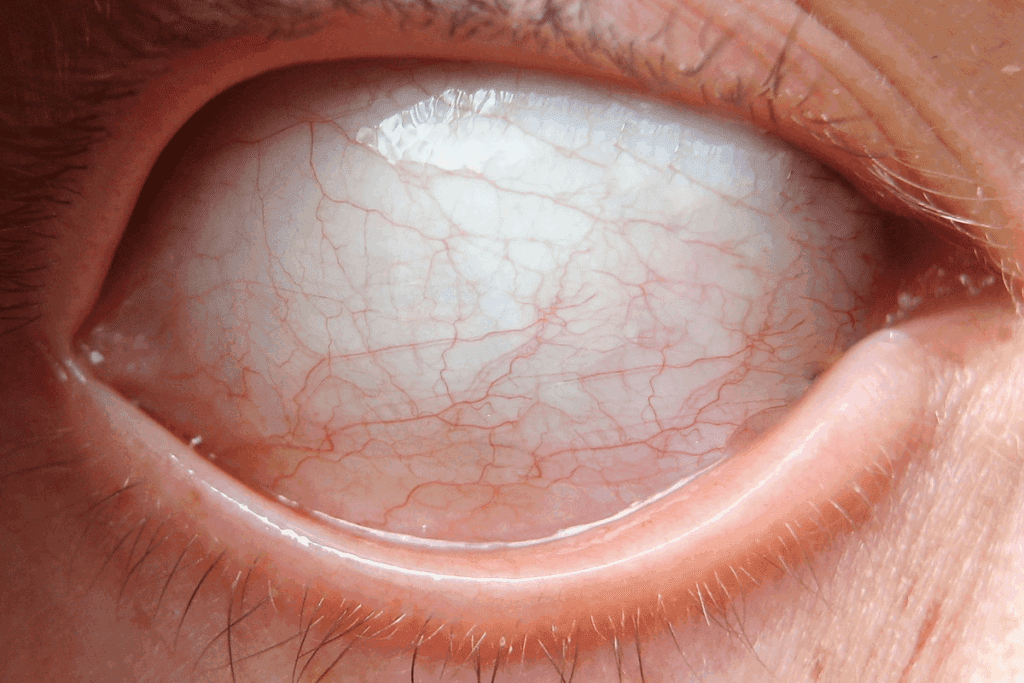
A cataract clouds the lens in your eye, affecting your vision. It happens when the lens in front of your eye gets cloudy or opaque. This can be due to aging or injury. Symptoms include blurry vision, double vision, and sensitivity to light. If not treated, cataracts can cause a lot of vision loss.
Glaucoma and Its Effect on Vision
Glaucoma damages the optic nerve, which is key for good vision. This damage often comes from high eye pressure. It can cause progressive and irreversible vision loss. It’s important to get regular eye exams for early detection and treatment.
Retinal Disorders and Blurry Vision
Retinal disorders, like retinal detachment and macular degeneration, can greatly change your vision. The retina is at the back of your eyeball. It has cells that react to light, sending signals to your brain. Symptoms can include sudden blurriness, flashes of light, and floaters. Quick medical help is needed to avoid permanent vision loss.
In conclusion, many eye conditions can lead to vision changes over time. Knowing about these conditions and their symptoms is key to keeping your eyes healthy. Seeking medical help early is also important.
Systemic Health Conditions Affecting Your Eyesight
Many health conditions can harm our vision, showing why eye care is so important. These conditions affect our body’s overall health and can harm our eyes directly.
Blood Sugar and Vision: Diabetic Retinopathy
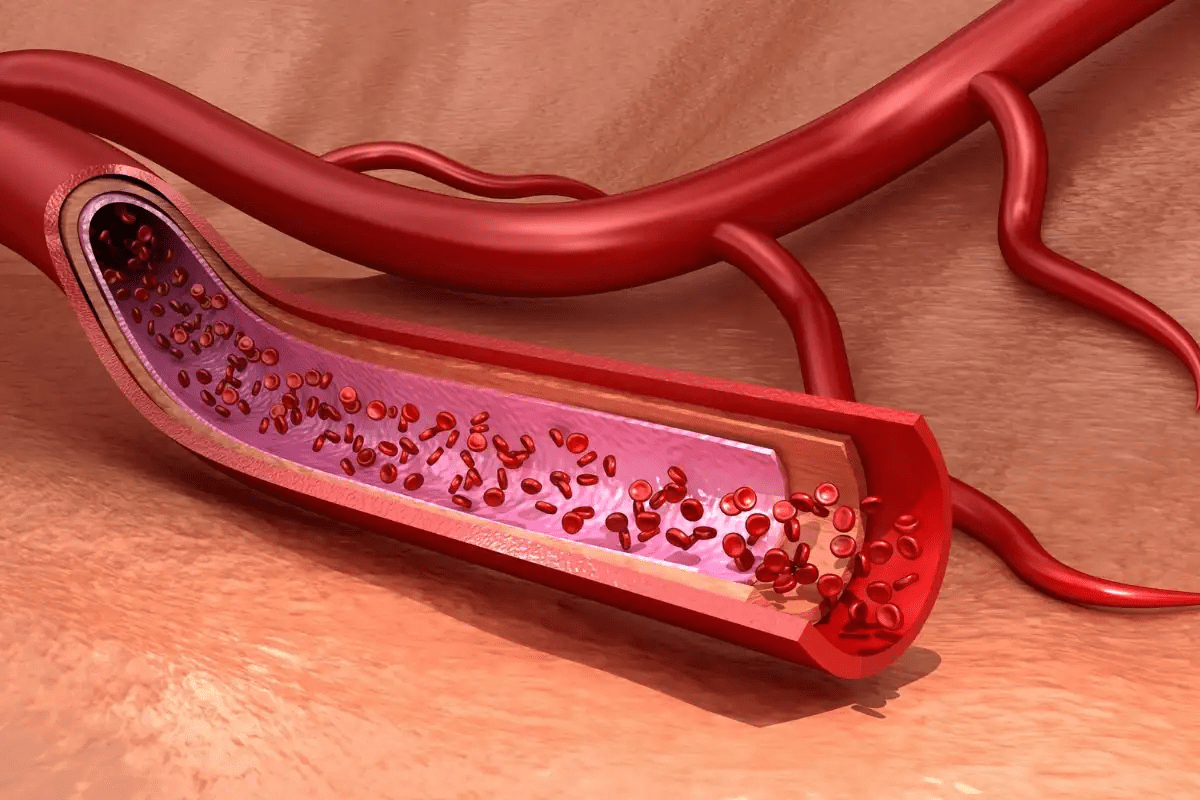
Diabetic retinopathy is a diabetes complication that damages the retina’s blood vessels. This can lead to vision loss. High blood sugar can harm these vessels, causing them to bleed or leak fluid.
Key aspects of diabetic retinopathy include:
- Damage to retinal blood vessels
- Bleeding or leaking of fluid
- Risk of vision loss or blindness
- Importance of managing blood sugar levels
Hypertension’s Impact on Vision Fluctuations
Hypertension, or high blood pressure, can cause vision changes. It damages the blood vessels in the eyes, leading to hypertensive retinopathy. This can cause vision problems.
Hypertension Stage | Effect on Vision |
Mild Hypertension | Minimal impact, slight vision changes possible |
Moderate Hypertension | Noticeable vision changes, risk of retinopathy |
Severe Hypertension | High risk of vision loss, advanced retinopathy |
Autoimmune Disorders and Eye Health
Autoimmune disorders happen when the body attacks its own tissues. Conditions like rheumatoid arthritis or lupus can harm the eyes. This can lead to uveitis or dry eye syndrome.
Common autoimmune disorders affecting eye health include:
- Rheumatoid arthritis
- Lupus
- Multiple sclerosis
It’s important to manage these conditions to avoid eye problems. Regular eye exams can catch issues early, helping to prevent complications.
Age-Related Macular Degeneration and Vision Loss
Age-related macular degeneration (AMD) is a big problem for older adults. It can really hurt their quality of life. As we get older, the chance of getting AMD goes up. This makes it a big worry for older people.
Dry vs. Wet AMD: Understanding the Differences
AMD is split into two types: dry AMD and wet AMD. Dry AMD happens when waste builds up in the macula, slowly hurting vision. Wet AMD has abnormal blood vessels under the macula that can leak and damage the macula fast.
Dry AMD is more common, making up 85-90% of cases. It gets worse slowly, leading to big vision loss. Wet AMD is rarer but more serious, causing fast vision loss if not treated.
Risk Factors and Early Warning Signs
Many things can increase your risk of AMD, like age, family history, smoking, and being overweight. Early signs include blurry vision, blind spots, or trouble seeing faces.
- Family history of AMD
- Smoking
- Obesity
- High blood pressure
- Unhealthy diet
Current Treatment Approaches for AMD
There’s no cure for AMD, but treatments can slow it down. For dry AMD, making lifestyle changes and taking supplements is often advised. Wet AMD can be treated with anti-VEGF injections to stop abnormal blood vessels from growing.
Treatment | Dry AMD | Wet AMD |
Lifestyle Changes | Recommended | Not primary |
Nutritional Supplements | Recommended | Supplementary |
Anti-VEGF Injections | Not applicable | Primary treatment |
Knowing about AMD, its types, and treatments can help people protect their vision. Getting regular eye exams is key for catching AMD early and managing it.
Diagnosing the Cause of Your Blurry Vision
Figuring out why your vision is blurry is key to seeing clearly again. At your eye doctor’s office, you’ll get a detailed eye exam. This helps find out what’s causing your blurry vision.
What to Expect During a Comprehensive Eye Exam
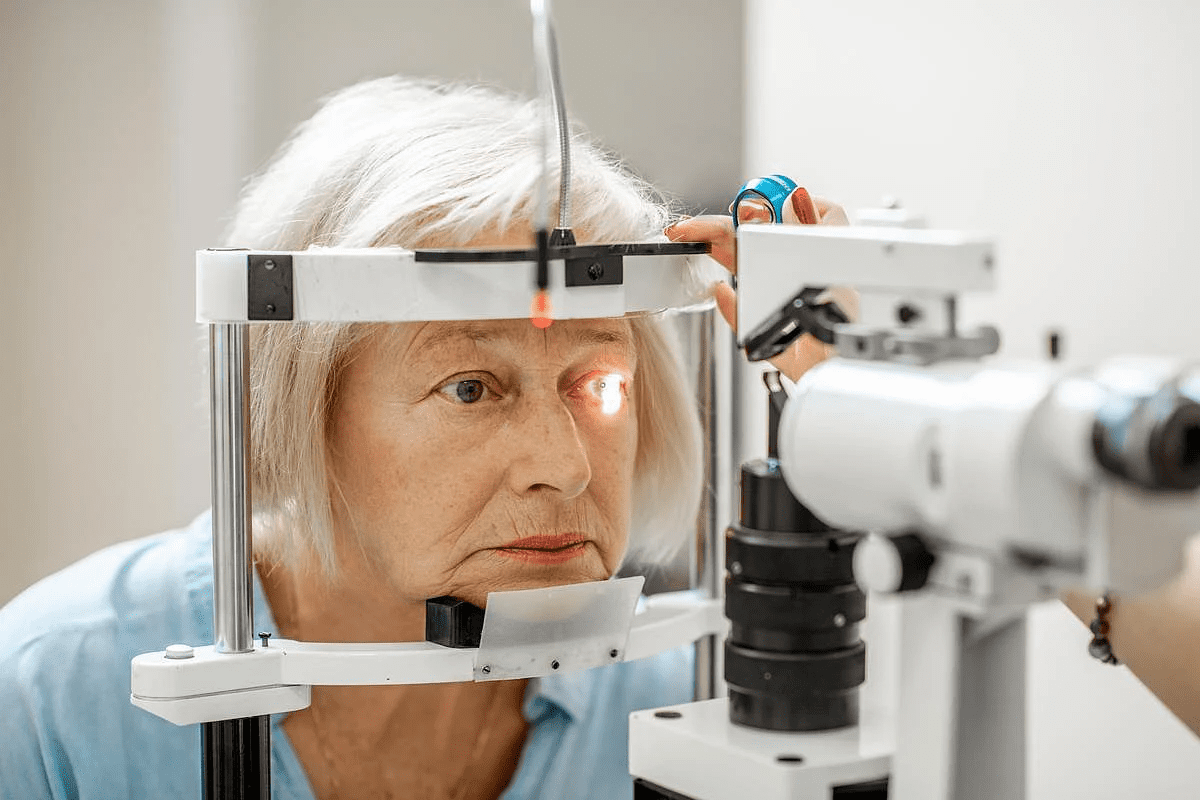
A comprehensive eye exam checks your eyesight and health. Your eye doctor will look at your medical history and do several tests. They’ll also check your vision for any problems.
The exam includes a test to see how sharp your vision is. They’ll also check if your lenses are correct. And, they’ll use a special light to look at the inside of your eyes.
Advanced Diagnostic Tests for Vision Problems
Your eye doctor might suggest more tests to check your vision and eye health. These could be OCT scans to see your retina, or tests to map your cornea. They might also test your side vision.
These tests help find eye diseases early. This way, your doctor can make a good plan to treat you.
Communicating Effectively With Your Eye Doctor
Talking well with your eye doctor is very important. You should tell them about your symptoms and health history. Share any worries you have about your eyes or vision.
It’s okay to ask questions or ask for more information. Working together, you can find the best way to fix your blurry vision and keep your eyes healthy.
Conclusion: Protecting Your Vision for the Long Term
Knowing why your vision gets blurry is key to keeping your eyes healthy for a long time. We’ve talked about many reasons for blurry vision. These include things like bad vision, dry eyes, health problems, and age-related issues.
To keep your eyes safe, you need to act early. This means getting regular eye checks and taking steps to prevent problems. Try the 20-20-20 rule to avoid eye strain from screens. Also, watch out for signs of eye diseases early on.
By taking care of your eyes, you can lower the chance of vision issues. This helps you keep your vision clear and sharp for many years. We suggest you get a full eye exam to check your vision and talk about any eye worries you have.
Good eye health is important for your overall health. We’re here to help you keep your vision safe for a long time.
FAQ
Why is my vision sometimes blurry?
Many things can make your vision blurry. This includes eye problems, dry eyes, eye strain from screens, and health issues. Seeing an eye doctor can help find out why.
Why does my eyesight go blurry sometimes?
Your vision might change due to eye problems, aging, or things around you. Regular eye checks are key to catching any vision changes early.
What is the reason for blurry vision?
Blurry vision can come from many sources. This includes eye diseases, health problems, and eye issues. A full eye exam can find the cause.
Why do I get blurry vision?
Blurry vision can happen for many reasons. This includes eye strain from screens, dry eyes, and health issues. Good eye care and regular exams can help.
Why is my vision going blurry?
Blurry vision might mean you have a health issue. This could be cataracts, glaucoma, or diabetes affecting your eyes. If it’s bad or lasts a long time, see a doctor.
What causes fuzzy vision?
Fuzzy vision can come from eye problems, dry eyes, or screen use. It might also be a sign of a bigger health issue, like macular degeneration.
Why are my eyes going blurry?
Many things can make your vision blurry. This includes eye diseases, health issues, and eye problems. Regular eye exams are important to catch any changes.
Why does my eyes feel blurry?
Blurry vision can be from dry eyes, screen use, or eye problems. Good eye care, like following the 20-20-20 rule, can help.
What are the symptoms of computer vision syndrome?
Computer vision syndrome can cause blurry vision, dry eyes, and headaches. Good eye care, like breaks and adjusting your screen, can help.
How can I prevent digital eye strain?
To avoid eye strain, follow the 20-20-20 rule, adjust your screen, and take breaks. Good eye care habits can help prevent eye strain.
References
National Center for Biotechnology Information. Blurry Vision: Common Causes and Expert Solutions. Retrieved from https://www.ncbi.nlm.nih.gov/books/NBK430845/