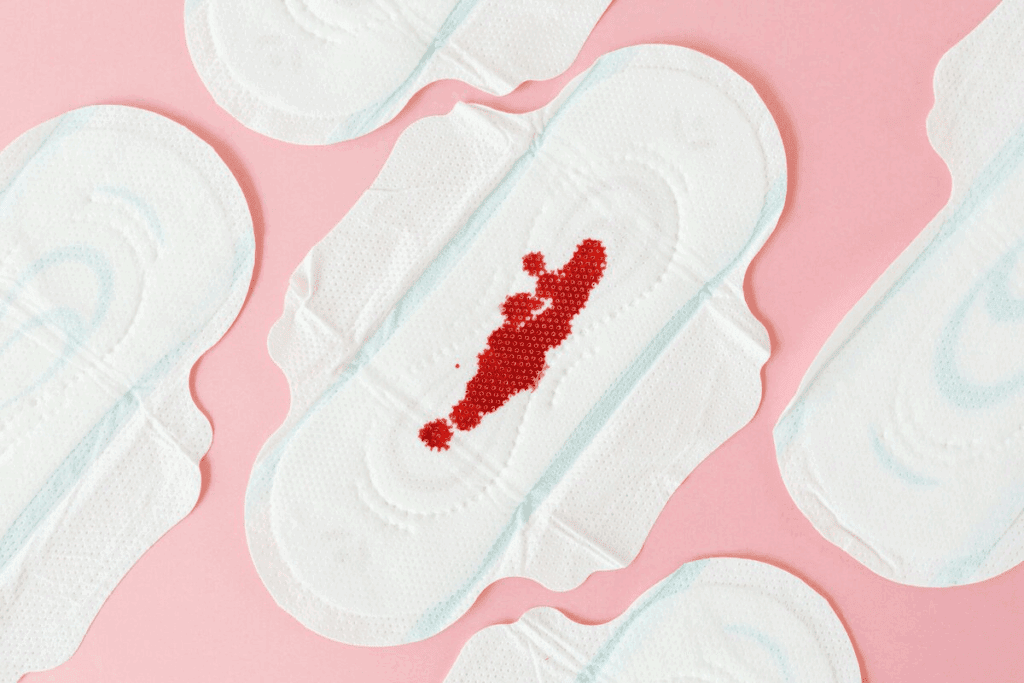
Irregular periods are common, affecting 14 to 25 percent of women at some point. It can cause worry and discomfort, affecting daily life and health.
Learn the 8 crucial reasons what causes irregular menses, including PCOS, stress, thyroid issues, and perimenopause clearly.
Many women see changes in their cycle sometimes. But if these changes keep happening, it’s time to see a doctor. At Liv Hospital, we take menstrual irregularities seriously and treat them with care.
Our team works hard to find out why periods are irregular. We look at stress, hormonal issues, and health problems like PCOS and thyroid disorders.
Key Takeaways
- Irregular periods are a common issue affecting 14 to 25 percent of menstruating individuals.
- Menstrual irregularities can be caused by various factors, including stress and hormonal imbalances.
- Underlying medical conditions such as PCOS and thyroid disorders can contribute to irregular periods.
- A thorough medical check-up is key to figuring out why periods are irregular.
- Liv Hospital offers a patient-centered approach to diagnosing and treating menstrual irregularities.
Understanding Irregular Menstrual Cycles
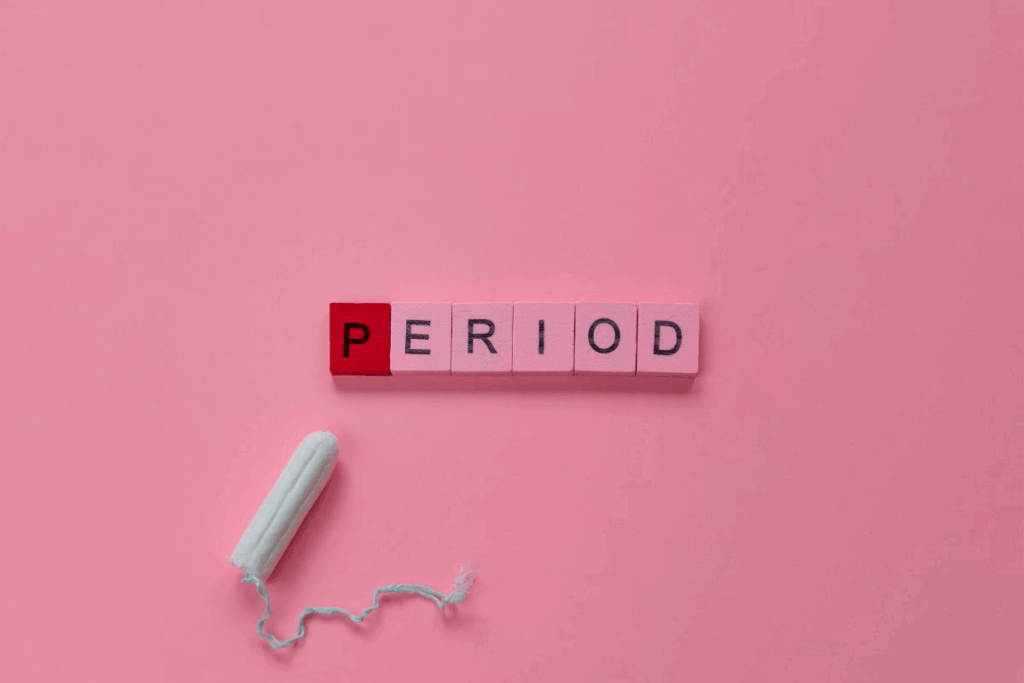
It’s important to understand irregular menstrual cycles to find the cause and get the right treatment. Menstrual cycles vary a lot among women. What’s irregular for one might be normal for another.
Defining Irregular Periods
A normal menstrual cycle is between 24 to 38 days. If your cycle is shorter or longer than this, it’s considered irregular. This can also mean having periods that are too light or too heavy.
Some women might have periods that are more than 35 days apart. This is called oligomenorrhea. Others might not have periods at all for three months or more, known as amenorrhea.
Prevalence Among Menstruating Individuals
Many menstruating individuals face irregular cycles. It’s thought that 14% to 25% of women deal with some kind of menstrual irregularity. These issues can stem from hormonal imbalances, lifestyle choices, or health problems.
Knowing how common and why irregular periods happen is key. It helps in giving the right care and support to those affected.
What Causes Irregular Menses: An Overview of Common Factors
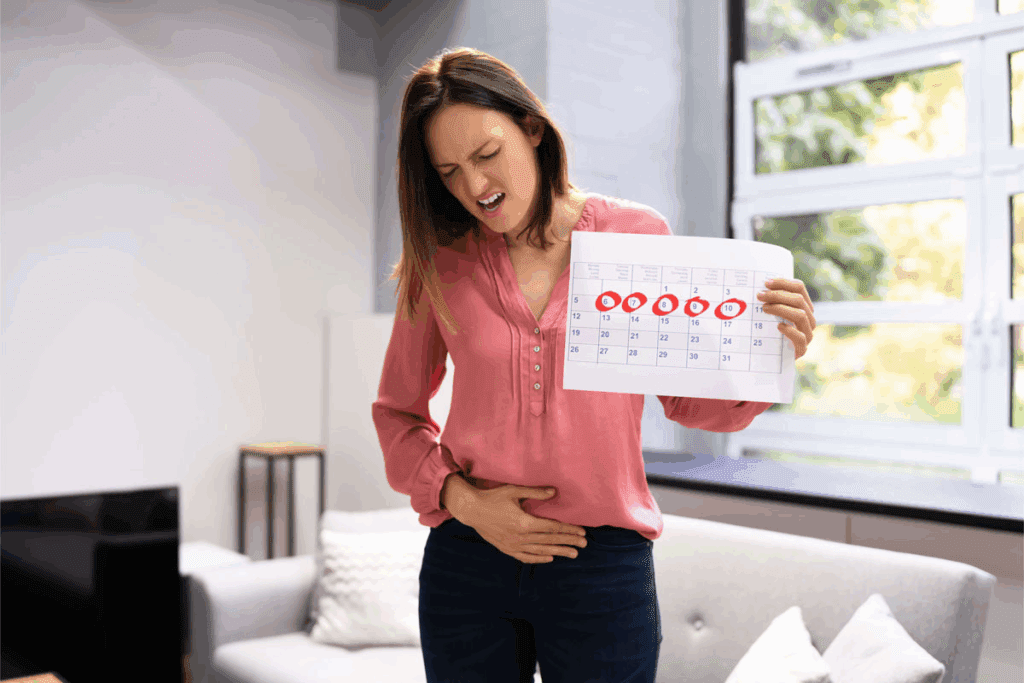
Understanding why menstrual cycles can be irregular is key to good reproductive health. Many things can cause irregular periods, from hormonal imbalances to lifestyle choices.
The Importance of Menstrual Regularity
Having a regular menstrual cycle is a sign of good health. It means your body’s hormones are working right. But, irregular periods can mean hormonal problems or other health issues.
For those trying to get pregnant, regular periods are important. They show when you’re most fertile. Also, regular cycles help you keep an eye on your health. Changes in cycle length or duration can signal problems like PCOS or thyroid issues.
How to Track Your Menstrual Cycle
Tracking your menstrual cycle is easy. You can use apps, calendars, or period diaries. By noting when your periods start and end, and any symptoms, you learn about your menstrual health.
To track your cycle well, follow these steps:
- Record the first day of your period.
- Note the duration of your period.
- Track any symptoms such as cramps, bloating, or mood swings.
- Monitor your cycle length to identify any irregularities.
Knowing your cycle helps you spot any changes that might mean a health problem.
Many things can lead to irregular periods, like hormonal changes, stress, certain health issues, and lifestyle choices. The table below lists some common causes and how they can affect your menstrual cycle.
timing and duration of periods
| Cause | Effect on Menstrual Cycle |
|---|---|
| Hormonal Imbalances | |
| Stress | Delays or skips periods |
| Thyroid Disorders | Irregular periods, heavy or light bleeding |
| PCOS | Infrequent or prolonged periods |
| Lifestyle Factors (e.g., excessive exercise, weight changes) | Irregular periods, amenorrhea |
Knowing these causes and their effects is the first step to managing irregular periods. By understanding the importance of regular periods and how to track them, you can take steps to keep your reproductive health in check.
Hormonal Imbalances: The Foundation of Menstrual Irregularity
Hormones like estrogen and progesterone control the menstrual cycle. When these hormones are out of balance, it can cause irregular periods. This affects many areas of reproductive health.
The Estrogen-Progesterone Relationship
The right balance between estrogen and progesterone is key for a regular cycle. Estrogen helps the uterine lining grow. Progesterone keeps it in place. If these hormones are not balanced, it can lead to irregular periods.
How Hormonal Contraceptives Affect Your Cycle
Hormonal contraceptives, like birth control pills, change hormone levels. They introduce synthetic estrogen and progesterone. This can regulate or stop menstrual cycles.
But, when stopped, women may see irregular periods. Their bodies need time to adjust.
Stress and Cortisol: Disrupting Your Menstrual Rhythm
Stress can upset our body’s hormonal balance, leading to irregular periods. It triggers cortisol and adrenaline release. These hormones can mess with our reproductive system’s normal function.
The Stress-Hormone Connection
The link between stress and hormones is complex. Cortisol, known as the “stress hormone,” is key in our stress response. High cortisol levels can upset the balance of reproductive hormones like estrogen and progesterone. These hormones are vital for a regular menstrual cycle.
Impact on Menstrual Cycle: Cortisol’s disruption can change menstrual periods’ frequency, duration, and intensity. Some women might stop getting periods, while others might have irregular or heavy bleeding.
Research: 54% of Women Reported Changes During COVID-19
Research shows stress’s big impact on menstrual cycles. A study during the COVID-19 pandemic found 54% of women noticed changes in their cycles. This study shows how stressful events can affect reproductive health.
The findings of such studies highlight the importance of knowing stress’s effects on menstrual health. Women should seek help when needed. Stress management, like mindfulness, exercise, or therapy, is key to hormonal balance and regular periods.
Understanding stress, cortisol, and menstrual irregularity helps tackle irregular periods. It leads to better management strategies.
Thyroid Disorders: When Your Metabolism Affects Menstruation
The thyroid gland is key in managing menstrual cycles. Problems with it can mess with regular periods. We’ll look at how thyroid issues, like hyperthyroidism and hypothyroidism, affect menstrual health. We’ll also talk about testing and treatment options.
Effects on Menstrual Cycles
Thyroid problems can cause irregular periods by messing with hormone levels. Hyperthyroidism can make periods lighter or less frequent. Hypothyroidism can make periods heavier or more frequent. Knowing this helps manage menstrual health.
The thyroid gland affects metabolism, and any imbalance can affect the reproductive system. When the thyroid isn’t working right, it can mess with estrogen and progesterone levels. This can lead to irregular periods.
Thyroid Testing and Treatment Options
Diagnosing thyroid issues involves physical exams, medical history, and lab tests. Thyroid function tests, like TSH and free T4 levels, are key for checking thyroid health. After finding out what’s wrong, treatment depends on the condition.
- For hypothyroidism, treatment often includes synthetic thyroid hormone.
- For hyperthyroidism, treatments might include medications, radioactive iodine, or surgery.
If you’re having trouble with your periods, talk to your doctor about your thyroid health. Getting the right diagnosis and treatment can help make periods more regular and improve reproductive health.
Polycystic Ovary Syndrome (PCOS): Elevated Androgens and Anovulation
PCOS is a common endocrine disorder in women of childbearing age. It causes irregular periods and high androgen levels. This condition affects not just menstrual cycles but also fertility and hormonal balance.
Disruption of Normal Ovulation
PCOS disrupts normal ovulation due to hormonal imbalances, mainly high androgen levels. This can lead to irregular or missing periods. The exact cause of PCOS is not fully understood, but genetics and environment play a role.
Key factors contributing to ovulation disruption in PCOS include:
- High levels of androgens, which can interfere with ovulation.
- Insulin resistance, which is common in many women with PCOS.
- Hormonal imbalance affecting the release of eggs from the ovaries.
Managing PCOS for Better Menstrual Health
Managing PCOS requires a multi-faceted approach. It includes lifestyle changes and medical treatments. The goal is to regulate menstrual cycles, lower androgen levels, and improve insulin sensitivity.
| Management Strategy | Description | Benefits |
|---|---|---|
| Lifestyle Changes | Dietary modifications, increased physical activity, weight management | Improved insulin sensitivity, regulated menstrual cycles |
| Medical Treatments | Hormonal contraceptives, anti-androgen medications, fertility medications | Regulated menstrual cycles, reduced androgen levels, improved fertility |
“Early diagnosis and treatment of PCOS can significantly improve the quality of life for women with this condition, helping to regulate menstrual cycles and reduce the risk of long-term health complications.”
Understanding PCOS and its effects on menstrual health is key. Women can take proactive steps to manage their condition and improve their well-being.
Endometriosis: When Tissue Growth Leads to Irregular Bleeding
When endometrial tissue grows outside the uterus, it can cause endometriosis. This condition often leads to irregular bleeding and pain. It’s a complex issue that affects many women, causing discomfort and disrupting their lives.
Recognizing Endometriosis Symptoms
Endometriosis symptoms vary from person to person. Common signs include pelvic pain, heavy or irregular menstrual bleeding, and infertility. Some women also experience painful urination or bowel movements during their period.
“Endometriosis can be very debilitating,” says a leading gynecology expert. “Early diagnosis and treatment are key to managing symptoms and improving quality of life.”
Treatment Approaches for Endometriosis
Treating endometriosis involves several steps. This includes medical treatments and lifestyle changes. Medical options include hormonal therapies to reduce bleeding and pain, and pain relief medications.
- Hormonal contraceptives to regulate menstrual cycles
- Gonadotropin-releasing hormone (GnRH) agonists to reduce estrogen production
- Pain relief medications such as NSAIDs
- Lifestyle modifications, including dietary changes and exercise
In severe cases, surgical intervention might be needed. This could involve removing endometrial lesions or affected organs. The treatment choice depends on symptom severity, disease extent, and reproductive plans.
Pelvic Inflammatory Disease: Infection-Related Menstrual Changes
Women with pelvic inflammatory disease often notice changes in their menstrual cycle. This is a sign that needs quick medical help. PID is an infection in the female reproductive organs. It can cause a lot of pain and serious health problems if not treated right away.
Causes and Risk Factors for PID
PID is usually caused by bacteria spread through sex. Chlamydia trachomatis and Neisseria gonorrhoeae are the main culprits. Other risk factors include having many sexual partners, a history of PID, and being under 25. Douching can also upset the vagina’s natural bacteria, raising the risk of PID.
Knowing these risk factors helps prevent PID. Sexually active women under 25 or those with new or many partners should get tested for STIs regularly. This can help lower the risk of PID.
Long-term Implications of Untreated PID
If PID is not treated, it can cause serious problems. These include chronic pelvic pain, infertility, and a higher risk of ectopic pregnancy. The inflammation from PID can harm the reproductive system’s delicate parts, leading to these issues.
Prompt diagnosis and treatment are key to avoid these long-term problems. We stress the need to see a doctor if symptoms don’t go away or get worse. Early treatment can greatly improve outcomes for those with PID.
In summary, PID is a serious condition that can affect menstrual health and fertility for a long time. By knowing the causes, recognizing risk factors, and getting medical help quickly, we can prevent the lasting effects of this infection.
Weight and Body Composition: Impact on Hormonal Balance
Our body weight and composition greatly affect our hormonal balance and menstrual health. The link between weight and hormones is complex. It involves many physiological processes.
Studies show that obesity and extreme weight loss can mess with hormone levels. This can cause menstrual problems. It’s important to understand these connections to fix menstrual health issues.
Obesity and Increased Estrogen Production
Being overweight leads to more estrogen because fat tissue changes androgens into estrogens. This elevation in estrogen levels can cause menstrual issues like heavy or irregular bleeding.
- Increased risk of endometrial hyperplasia
- Disruption of normal ovulation
- Potential for developing conditions like PCOS
Obesity also causes insulin resistance, making hormone balances worse. Eating well and exercising regularly can help manage weight and balance hormones.
Extreme Weight Loss and Hormonal Deficiencies
Extreme weight loss can cause hormone deficiencies, like lower leptin levels. Leptin is key for regular menstrual cycles. This can lead to amenorrhea, or no menstruation.
- Reduced body fat affects hormone production
- Potential for decreased thyroid function
- Increased risk of osteoporosis due to hormonal imbalances
People who lose a lot of weight should see a doctor. They can help fix hormone problems and get menstrual cycles back on track.
Keeping a healthy weight is vital for hormone balance and menstrual health. Knowing how body composition affects hormones helps people take steps to keep menstrual cycles regular.
Excessive Exercise: When Physical Activity Disrupts Your Cycle
Regular exercise is good for health, but too much can harm your menstrual cycle. It can upset hormone levels, like the hormone that controls your cycle.
The Female Athlete Triad Explained
The Female Athlete Triad is a health issue for female athletes. It includes low energy, irregular periods, and weak bones. It happens when athletes exercise too much without eating enough.
Key components of the Female Athlete Triad:
- Low energy availability
- Menstrual dysfunction
- Low bone mineral density
| Component | Description | Health Implications |
|---|---|---|
| Low Energy Availability | Insufficient caloric intake to support energy needs | Fatigue, decreased performance, and health risks |
| Menstrual Dysfunction | Irregular or absent menstrual periods | Infertility, osteoporosis, and cardiovascular risks |
| Low Bone Mineral Density | Reduced bone density due to inadequate nutrition and hormonal imbalances | Increased risk of osteoporosis and fractures |
Finding Balance Between Fitness and Hormonal Health
To keep your hormones in check while staying active, balance exercise with nutrition. Make sure you eat enough to match your energy use. Also, listen to your body and adjust your workout schedule with your cycle.
Tips for balancing fitness and hormonal health:
- Monitor your menstrual cycle and adjust your exercise routine.
- Ensure you’re consuming enough calories to support your energy needs.
- Include a mix of cardiovascular exercise, strength training, and flexibility exercises.
- Allow for rest days to avoid overtraining.
Conclusion: Managing and Treating Irregular Periods
Managing irregular periods needs a full approach that tackles the root causes. This article has looked at many factors that lead to irregular periods. These include hormonal imbalances, stress, thyroid issues, and lifestyle choices.
Treating irregular periods offers several options. These range from making lifestyle changes to using hormonal therapies and medical treatments. We talked about the value of tracking your cycle, keeping a healthy weight, and managing stress for better menstrual health.
Understanding why periods are irregular and getting professional advice is key. This way, people can create a plan that works for them. We suggest those with irregular periods to talk to a healthcare provider. They can find the best treatment and improve their health.
FAQ
What are the main causes of irregular periods?
Irregular periods can stem from many sources. Hormonal imbalances, stress, and thyroid disorders are common culprits. Other causes include polycystic ovary syndrome (PCOS), endometriosis, and pelvic inflammatory disease (PID). Changes in weight and too much exercise can also play a role.
How do hormonal imbalances affect menstrual cycles?
Hormonal imbalances, like changes in estrogen and progesterone, are key to regular periods. When these hormones are off balance, it can cause irregular periods.
Can stress really affect my menstrual cycle?
Yes, stress can greatly impact your menstrual cycle. Stress leads to higher levels of cortisol and adrenaline. These can disrupt the hormonal balance needed for regular periods.
What is the connection between thyroid disorders and irregular periods?
Thyroid disorders, such as hyperthyroidism and hypothyroidism, can mess with menstrual cycles. These conditions alter hormone production, leading to irregular periods.
How does PCOS affect menstrual cycles?
PCOS disrupts normal ovulation, causing irregular periods. High androgen levels in PCOS also contribute to these irregularities.
Can endometriosis cause irregular bleeding?
Yes, endometriosis can cause irregular bleeding. The growth of endometrial tissue outside the uterus can lead to a variety of symptoms, including irregular or heavy bleeding.
What are the long-term implications of untreated PID on menstrual health?
Untreated PID can lead to serious complications like infertility and chronic pelvic pain. These issues can also affect menstrual health and regularity.
How does weight and body composition impact hormonal balance and menstrual cycles?
Obesity and extreme weight loss can disrupt hormone production, leading to irregular periods. Keeping a healthy weight is vital for hormonal balance and regular periods.
Can excessive exercise disrupt menstrual cycles?
Yes, too much exercise can disrupt menstrual cycles, often seen in the female athlete triad. Finding a balance between exercise and rest is key for hormonal health.
What are the available treatment options for managing irregular periods?
Treatment for irregular periods varies based on the cause. Options include lifestyle changes, hormonal therapies, and medical treatments. Always consult a healthcare professional for personalized advice and care.
References
National Center for Biotechnology Information. Evidence-Based Medical Guidance. Retrieved from https://www.ncbi.nlm.nih.gov/pmc/articles/PMC10733621/