Last Updated on November 26, 2025 by Bilal Hasdemir

One in eight men will be diagnosed with prostate cancer in their lifetime. This makes it a big health worry for men.
The risk of getting prostate cancer goes up with age. Most cases are found in men over 65. Family history and genetics also play a part.
Knowing these risk factors is key for catching it early and preventing it. Men with a family history of prostate cancer are at higher risk.
Key Takeaways
- Age is a big risk factor for prostate cancer.
- Family history and genetics are important too.
- Men over 65 are more likely to get prostate cancer.
- Early detection is vital for prevention and treatment.
- Men with a family history should get regular check-ups.
Understanding Prostate Cancer Basics
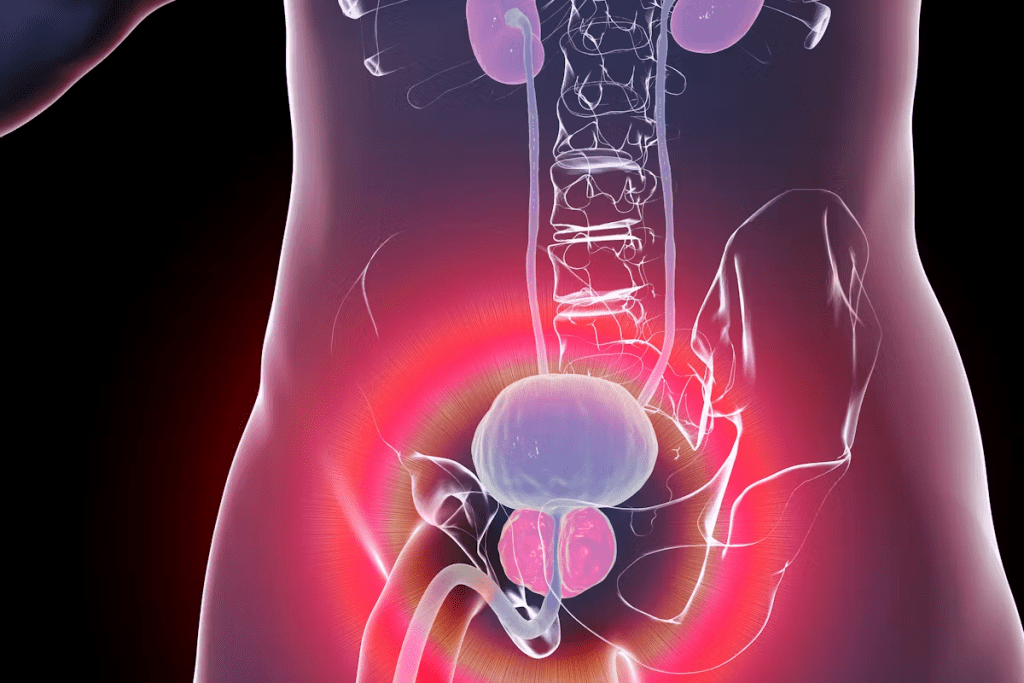
To understand prostate cancer, we must first learn about the prostate gland. It’s a small gland in the male body. It’s about the size of a walnut.
The Prostate Gland: Function and Location
The prostate gland is below the bladder and in front of the rectum. It’s around the urethra, which carries urine from the bladder to the penis. It makes fluids for semen, helping sperm during ejaculation.
Knowing about the prostate gland’s function and where it is is key. It helps us see how prostate cancer can affect health. As men get older, the prostate can change, leading to problems like cancer.
How Prostate Cancer Develops and Progresses
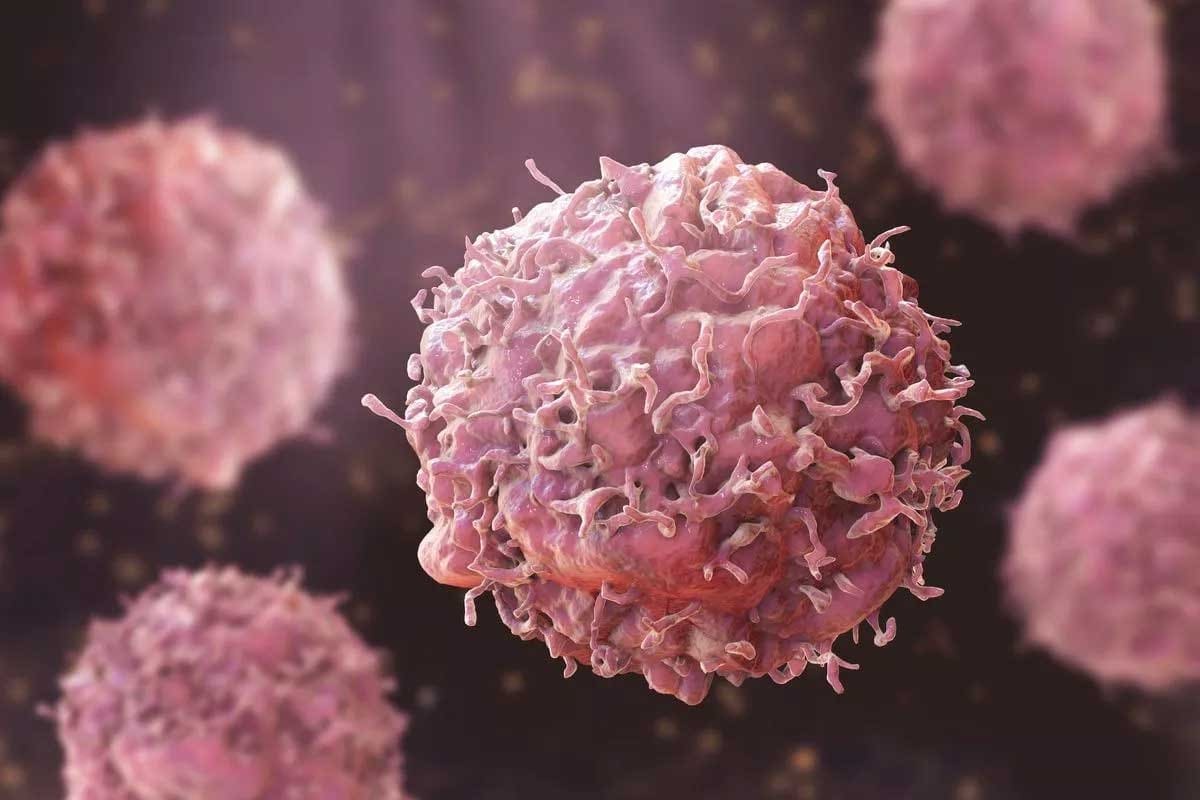
Prostate cancer starts when abnormal cells in the prostate grow too much. This can form a tumor. If not treated, the cancer can spread to other parts of the body.
The progression of prostate cancer varies. Some grow slowly, while others are aggressive. Knowing how it grows helps in early detection and treatment.
Things like age, family history, and genetics can raise the risk of prostate cancer. Knowing these factors helps in making choices about screening and prevention.
What Causes Prostate Cancer: Key Risk Factors

Prostate cancer comes from a mix of genetic and environmental factors. Knowing these risk factors helps us understand our own risk. It might also help us lower our chance of getting the disease.
Cellular Changes That Lead to Cancer
Prostate cancer starts with changes in cells. Genetic mutations make cells grow and divide without control, forming tumors. These changes can be passed down or caused by things like harmful substances or DNA mistakes.
Cellular changes that lead to prostate cancer include problems with genes that control cell growth, DNA repair, and cell death. For example, mutations in the BRCA1 and BRCA2 genes, which are linked to breast and ovarian cancer, also raise prostate cancer risk.
The Multifactorial Nature of Prostate Cancer
Prostate cancer is a complex disease, influenced by many factors. While we don’t know all the causes, research has found several important risk factors.
| Risk Factor | Description | Impact on Risk |
| Age | Risk increases significantly after age 50 | High |
| Family History | Having a first-degree relative with prostate cancer | Moderate to High |
| Genetic Mutations | Inherited mutations in genes like BRCA1 and BRCA2 | Moderate to High |
| Ethnicity | African American men have a higher risk | High |
Knowing these risk factors helps us and doctors make better choices about screening and prevention. While some risks can’t be changed, being aware of them can lead to earlier and more frequent checks.
Age as the Primary Risk Factor
As men get older, their chance of getting prostate cancer goes up a lot. This link between age and prostate cancer risk is clear in medical studies.
Prostate Cancer Statistics by Age Group
Prostate cancer is rare in men under 50. The American Cancer Society says about 1 in 9 men will get it in their lifetime. Most cases happen in men 65 or older.
Here are the stats by age: – Men under 40: Less than 1 in 1,000 get it. – Men 40-59: 1 in 39 (2.5%) get it. – Men 60-69: The risk jumps to 1 in 14. – Men 70 and older: Most cases are found here.
Why Risk Increases Dramatically After Age 50
The risk of prostate cancer skyrockets after 50 because of genetics and environment. As men age, their prostate cells can mutate, leading to cancer. Also, older men have more DHT, a hormone that makes prostate cells grow.
Key factors for increased risk after 50 are:
- Genetic damage builds up over time.
- Hormone levels, like DHT, change.
- Long-term exposure to harmful substances.
Youngest Reported Cases of Prostate Cancer
Prostate cancer can happen in young men, though it’s rare. There are cases in men in their 30s and even younger. These often come from a strong family history or genetic risk.
Even though it’s rare, early prostate cancer shows why screening is key for men with a family history.
Is Prostate Cancer Hereditary? Genetic Factors Explained
Genetic predisposition is a big factor in prostate cancer risk. This part looks at how family history and genetic mutations affect this risk.
Family History and Increased Risk Patterns
A family history of prostate cancer raises a man’s risk. Studies show that men with a first-degree relative (father or brother) diagnosed are at higher risk. The risk goes up if more family members are affected or if they were diagnosed young.
Risk Patterns Based on Family History:
| Family History | Relative Risk |
| One first-degree relative with prostate cancer | 2.0 – 2.5 times |
| Two or more first-degree relatives with prostate cancer | 4.0 – 5.0 times |
Is Prostate Cancer Inherited from Mother or Father?
The pattern of prostate cancer inheritance is complex. It involves many genetic factors. While it’s not just from one parent, research shows that certain genetic mutations can increase risk. For example, mutations in BRCA1 and BRCA2 genes, known for breast and ovarian cancer, also raise prostate cancer risk.
Genetic Mutations Associated with Prostate Cancer
Many genetic mutations are linked to prostate cancer risk. These include mutations in the HOXB13 gene and others involved in DNA repair. Men with these mutations might need early screening and preventive steps.
Key Genetic Mutations:
- BRCA1 and BRCA2: Linked to higher risks of various cancers, including prostate cancer.
- HOXB13: Tied to higher prostate cancer risk, mainly in men with a family history.
Racial and Ethnic Disparities in Prostate Cancer Risk
Racial and ethnic disparities in prostate cancer are a big concern. Research shows that different groups face different risks. Some groups have a higher risk than others.
Higher Risk Among African American Men
African American men face a higher risk of prostate cancer. They are more likely to be diagnosed at a younger age. The disease is also more aggressive in this group.
According to the American Cancer Society, African American men are 1.7 times more likely to get prostate cancer. They are also 2.1 times more likely to die from it compared to white men.
“The reasons for these disparities are complex,” A study published in a leading oncology journal notes. “They involve genetics, environment, and socioeconomic factors.”
Variations Across Different Ethnic Groups Worldwide
Prostate cancer risk varies worldwide. Men of African descent in the Caribbean and Africa face a high risk, like African American men. Men of Asian descent generally have a lower risk.
- Men of African descent have a higher incidence and mortality rate.
- Men of European descent have a moderate risk.
- Men of Asian descent generally have a lower risk.
Understanding these variations is key. It helps in developing targeted screening and prevention strategies for different groups.
A cancer researcher says, “We need a broad approach. This includes education, early detection, and treatment tailored for diverse populations.”
Prostate Cancer Demographics: Who Gets Diagnosed Most Often
Prostate cancer affects different groups in varying ways. This shows the need for specific approaches. Knowing who gets it most helps plan health efforts and use resources wisely.
Statistical Breakdown by Population Groups
Prostate cancer rates differ among groups. The American Cancer Society says African American men face the highest risk, with 173.5 cases per 100,000. Asian/Pacific Islander men have the lowest risk, at 64.6 cases per 100,000.
Most cases are found in older men. The National Cancer Institute says the average age at diagnosis is 66. About 60% of cases are in men 65 or older.
Prevalence Rates and Lifetime Risk Calculations
About 1 in 8 men will get prostate cancer in their lifetime. The risk varies by group. African American men face a 1 in 6 chance, while white men face a 1 in 9 chance.
Prostate cancer rates also change by location. The Centers for Disease Control and Prevention (CDC) notes it’s more common in states with more older men.
Knowing these patterns is key to creating better screening and prevention plans. This helps lower the risk and impact of prostate cancer.
Lifestyle Factors That Influence Prostate Cancer Risk
Prostate cancer risk isn’t just about genes. Lifestyle choices also play a big role. Studies show that certain habits can change your chance of getting prostate cancer.
Diet and Nutrition Impact
Eating right is key to lowering prostate cancer risk. Foods like fruits, veggies, and whole grains can help. Tomatoes are special because they’re full of lycopene, an antioxidant that fights cancer.
“A diet rich in fruits and vegetables may help reduce the risk of prostate cancer, though the evidence is not yet conclusive.”
On the other hand, eating too much saturated fat and red meat can up your risk. Eating well is important to lower your risk.
Physical Activity and Obesity Connections
Being active can lower your prostate cancer risk. Exercise keeps you healthy and may help fight cancer. But, being obese can increase your risk of aggressive cancer.
| Activity Level | Prostate Cancer Risk Reduction |
| Low | Reference |
| Moderate | 10-20% |
| High | 20-30% |
Staying active is a simple way to lower your cancer risk.
Does Smoking Cause Prostate Cancer? The Evidence
Smoking’s link to prostate cancer is being studied. While not as clear as for other cancers, smoking may raise your risk of aggressive cancer and death from it.
Quitting smoking can cut your risk of many health problems, including prostate cancer. It’s important to fight smoking to lower aggressive prostate cancer rates.
Medical Conditions and Prostate Cancer Correlation
It’s important to know how conditions like prostatitis and BPH affect prostate cancer risk. This knowledge helps in preventing and detecting prostate cancer early. Research has shown mixed results on how these conditions relate to prostate cancer.
Prostatitis and Prostate Cancer Risk
Prostatitis, or inflammation of the prostate, has been linked to prostate cancer. Studies have shown mixed results. Some suggest a possible link between chronic prostatitis and higher prostate cancer risk.
A study in the Journal of the National Cancer Institute found a link. Men with prostatitis history had a higher prostate cancer risk. But, more research is needed to fully understand this connection.
Benign Prostatic Hyperplasia (BPH) and Cancer Risk
BPH, or enlarged prostate, is common in older men. Studies have looked into its link with prostate cancer. Some studies suggest a possible connection, while others found no strong link.
A detailed review of BPH and prostate cancer studies showed a slight increase in risk. But, the evidence is not strong. More research is needed to understand the relationship between BPH and prostate cancer.
| Condition | Potential Link to Prostate Cancer | Level of Evidence |
| Prostatitis | Possible association, with chronic prostatitis | Moderate |
| BPH | Slightly increased risk, but not conclusive | Limited |
Men with prostatitis or BPH should talk to their doctor about their risk. Early detection and prevention can greatly improve prostate cancer outcomes.
Hormonal Influences on Prostate Cancer Development
Prostate cancer is linked to hormones, like testosterone and DHT. Hormones help prostate cells grow. But, changes in hormone levels can lead to cancer.
Testosterone and DHT Effects on the Prostate
Testosterone is a key male hormone that affects the prostate. It turns into DHT, a stronger hormone, through an enzyme. DHT makes prostate cells grow more. High DHT levels raise the risk of prostate cancer.
The role of testosterone and DHT in prostate cancer development can be summarized as follows:
- Testosterone fuels the growth of prostate cells.
- DHT, derived from testosterone, promotes prostate cell proliferation.
- Elevated DHT levels are linked to an increased risk of prostate cancer.
Studies show men with more DHT are at higher risk for prostate cancer. DHT makes prostate cells grow, which can lead to cancer over time.
Hormone Therapy and Its Relationship to Cancer Risk
Hormone therapy, or ADT, lowers male hormones like testosterone and DHT. These hormones help prostate cancer cells grow.
But, hormone therapy’s effect on cancer risk is complex. Some research suggests it might increase the risk of aggressive prostate cancer with long-term use.
“Hormone therapy is a double-edged sword; while it can effectively manage prostate cancer by reducing androgen levels, it also carries potentially risky side effects that need careful management.”
A study compared different hormone therapies. It found different effects on cancer risk and treatment success. Here are some key findings:
| Therapy Type | Cancer Risk Reduction | Potential Side Effects |
| Androgen Deprivation Therapy (ADT) | High | Osteoporosis, Metabolic Changes |
| Intermittent ADT | Moderate | Reduced Side Effects Compared to Continuous ADT |
Understanding how hormones affect prostate cancer is key to better treatments. By studying testosterone, DHT, and hormone therapy, doctors can manage prostate cancer better and lower the risk of it getting worse.
Genetic Testing for Prostate Cancer Risk Assessment
Genetic testing is key in finding who might get prostate cancer. As we learn more about genes linked to prostate cancer, we can start to screen and prevent it better.
Available Genetic Tests and What They Reveal
There are many genetic tests to check if you might get prostate cancer. These tests look for changes in genes like BRCA1 and BRCA2. For example, men with a BRCA2 mutation are at higher risk, often for aggressive types.
These tests can tell you a lot about your risk. They show if you have genes that raise your risk of prostate cancer. This info helps you decide when and how to screen for it.
| Genetic Test | Gene(s) Tested | Risk Information Provided |
| BRCA1 and BRCA2 Testing | BRCA1, BRCA2 | Increased risk of prostate, breast, and ovarian cancers |
| Prostate Cancer Genetic Risk Score | Multiple genes associated with prostate cancer | Personalized risk assessment for prostate cancer |
When Genetic Testing is Recommended
Genetic testing is advised for those with a family history of prostate cancer. The National Cancer Institute suggests it for men with:
- Many relatives with prostate cancer
- Young relatives with prostate cancer (under 55)
- Family history of other cancers like breast, ovarian, or pancreatic
If you’re thinking about genetic testing, talk to a doctor or genetic counselor. They can explain what the results mean and how they might change your screening and treatment plans.
Screening Recommendations Based on Risk Factors
Screening for prostate cancer isn’t the same for everyone. It depends on your risk factors. If you have a family history of prostate cancer, are African American, or have certain genetic mutations, you might need to start screening earlier.
PSA Testing Guidelines for Different Risk Groups
The Prostate-Specific Antigen (PSA) test is a blood test for prostate cancer. The guidelines for PSA testing change based on your risk:
- Average Risk: Men with average risk should talk about starting PSA testing at 50.
- High Risk: Men at higher risk, like African Americans and those with a family history, should start PSA testing at 45.
- Higher Risk: If you have a family history of early prostate cancer, you might need to start screening at 40.
When to Start Screening Based on Personal Risk Profile
Deciding when to start prostate cancer screening depends on several things. These include your age, race, family history, and genetic predisposition. Your personal risk profile plays a big role in when to start screening.
The Importance of Informed Decision-Making
It’s important to make informed decisions about prostate cancer screening. Men should talk to their healthcare provider about their risk factors, the benefits, and the limitations of screening tests. This conversation should cover:
- The benefits of early detection.
- The risks of false-positive results and unnecessary biopsies.
- The chance of finding slow-growing cancers that may not cause symptoms or death.
By making an informed decision, men can choose screening that fits their values and health goals.
How to Reduce Your Prostate Cancer Risk
There are ways to lower your risk of prostate cancer. These include prevention strategies and lifestyle changes. Even though we don’t know the exact cause, research has found some risk factors.
Evidence-based Prevention Strategies
Several methods can help lower prostate cancer risk. These include:
- Dietary Changes: Eating more fruits, vegetables, and whole grains can help your health and may lower cancer risk.
- Physical Activity: Regular exercise can lower prostate cancer risk and offer other health benefits.
- Maintaining a Healthy Weight: Being overweight can increase prostate cancer risk. So, managing your weight is key.
Lifestyle Modifications with the Strongest Evidence
Some lifestyle changes can greatly reduce prostate cancer risk. These include:
- Limiting Red Meat Consumption: Eating too much red meat might raise prostate cancer risk, some studies say.
- Avoiding Smoking: Smoking is bad for your health and can increase prostate cancer risk.
- Increasing Intake of Omega-3 Fatty Acids: Omega-3s in fish and nuts might help lower prostate cancer risk.
By making these changes, men can take steps to lower their prostate cancer risk.
Conclusion: Understanding Your Personal Risk
Knowing your risk for prostate cancer is key to staying healthy. By looking at your risk factors, you can lower your chance of getting prostate cancer.
Things like age, family history, and genetic changes can raise your risk. If you have a family history or certain genes, getting tested for prostate cancer might be a good idea.
Talking to a doctor is important to figure out your risk. They can explain your risk factors and help you make a plan for staying healthy.
By taking care of your prostate health, you can lower your risk of prostate cancer. And if you do get it, finding it early is easier.
FAQ
What is prostate cancer and how does it develop?
Prostate cancer is a type of cancer in the prostate gland. This gland is small and walnut-sized. It produces fluid for semen. The cancer starts when abnormal cells grow and multiply in the gland, forming a tumor.
What are the primary risk factors for prostate cancer?
The main risks for prostate cancer are age, family history, genetic mutations, and race. Age is the biggest risk, with risk going up after 50.
Is prostate cancer hereditary?
Yes, prostate cancer can run in families. Certain genetic mutations increase the risk. Men with a family history should talk to their doctor about genetic testing.
Does smoking cause prostate cancer?
Smoking might raise the risk of prostate cancer, but the exact link is unclear. Quitting smoking is good for overall health.
Can prostatitis lead to prostate cancer?
Prostatitis might be linked to a higher risk of prostate cancer, but the evidence is not strong. Men with prostatitis should talk to their doctor about their risk.
What is the role of genetics in prostate cancer?
Genetics are key in prostate cancer, with some mutations increasing risk. Men with a family history should consider genetic testing.
How can I reduce my risk of prostate cancer?
To lower your risk, eat well, stay active, and avoid obesity. Talk to your doctor about your risk and genetic testing if needed.
What are the screening recommendations for prostate cancer?
Screening plans depend on your risk factors, like age and family history. Talk to your doctor to find the right screening schedule for you.
What is the significance of PSA testing in prostate cancer screening?
PSA testing is a common way to screen for prostate cancer. But, it’s a topic of debate. Talk to your doctor about its benefits and drawbacks.
Are there any lifestyle modifications that can help prevent prostate cancer?
Yes, a healthy diet, regular exercise, and a healthy weight can help. Discuss your risk with your doctor to find the best approach.
Can prostate cancer be found among young men?
While rare, prostate cancer can happen in young men. If you have a family history or other risk factors, talk to your doctor.
How does family history affect prostate cancer risk?
Family history is a big risk factor, with a higher risk if your father or brother was diagnosed young. Discuss your risk with your doctor.
Is prostate cancer more common in certain racial or ethnic groups?
Yes, prostate cancer is more common and aggressive in African American men. Other racial or ethnic groups may also have higher risks. Talk to your doctor about your specific risk.
References
StatPearls. (2024, October 3). Prostate cancer – Etiology and risk factors.