Last Updated on November 25, 2025 by Ugurkan Demir
Are you worried about your heart health? Looking for ways to reduce plaque in arteries? At Liv Hospital, we know the dangers of plaque buildup. We’re here to help you keep your heart healthy for the long term.Discover what causes soft plaque in arteries and learn 7 proven ways to reduce it and improve cardiovascular health.
Soft plaque forms when fat, cholesterol, and other stuff get into the artery wall. This causes inflammation and pulls in immune cells. Studies show that a healthy lifestyle can help. This includes eating less saturated fat, staying at a healthy weight, exercising regularly, quitting smoking, and keeping blood pressure and cholesterol in check.
Key Takeaways
- Understand the risks associated with soft plaque in arteries
- Learn how to stabilize and regress plaque buildup through lifestyle changes
- Discover the importance of a healthy diet and regular exercise in boosting heart health
- Find out how quitting smoking and managing blood pressure can help reduce plaque
- Explore the role of Liv Hospital in supporting your cardiovascular wellness journey
Understanding Soft Plaque in Arteries: A Silent Threat
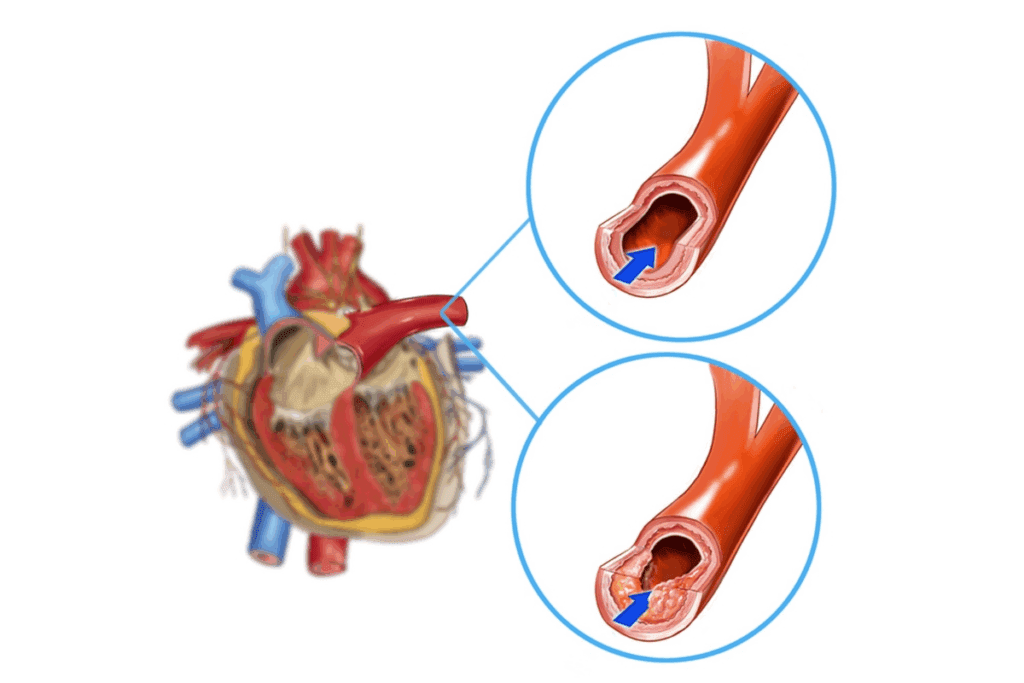
Soft plaque in arteries is more dangerous than hard plaque because it’s unstable. Unlike hard plaque, which is stable and calcified, soft plaque is soft and rich in lipids. This makes it more likely to rupture.
How Soft Plaque Differs from Hard Plaque
Soft and hard plaque differ in their makeup and behavior. Hard plaque is more stable, being fibrotic and calcified. Soft plaque, on the other hand, is lipid-rich and has macrophages, making it more unstable.
Studies show that soft plaque is more likely to rupture because of its high lipid content and thin fibrous cap. When it ruptures, it can cause blood clots. These clots may lead to heart attacks or strokes.
Why Soft Plaque Is More Dangerous
Soft plaque is dangerous because it can rupture, leading to heart attacks or strokes. When it ruptures, it exposes the lipid core to the bloodstream. This triggers blood clot formation, which can block arteries.
Key factors that contribute to the instability of soft plaque include:
- High lipid content
- Inflammation within the plaque
- A thin fibrous cap
- Presence of macrophages and other inflammatory cells
Knowing these factors is key to understanding the risk of soft plaque. It helps in developing ways to reduce this risk.
What Causes Soft Plaque in Arteries: Risk Factors and Development

Soft plaque in arteries forms due to many factors. Knowing these causes helps us prevent and treat it better.
The Formation Process of Arterial Plaque
Arterial plaque starts with damage to the artery’s inner lining, called the endothelium. This damage can come from high cholesterol, high blood pressure, smoking, and diabetes. When the endothelium is damaged, lipids and inflammatory cells get into the artery wall, starting the plaque buildup.
The plaque grows through a mix of cells and chemical processes. Macrophages, a type of white blood cell, are key. They take in lipids and become foam cells, adding to the plaque over time.
Inflammation’s Role in Plaque Development
Inflammation is key in making and growing arterial plaque. Inflammation is vital in making arterial plaque, making it unstable and prone to rupture. Many things can start inflammation, like infections, smoking, and metabolic syndrome.
“Inflammation is a key driver of atherosclerosis, and understanding its mechanisms is essential for developing new therapeutic strategies.”
Medical Expert, Cardiologist
The risk factors for soft plaque in arteries include:
- High cholesterol
- High blood pressure
- Smoking
- Diabetes
- Obesity
- Genetics
- Aging
Managing these risk factors is key to stopping soft plaque. By knowing the causes and risk factors, we can lower our risk of heart disease.
The Dangers of Untreated Arterial Plaque
Arterial plaque left untreated can cause serious harm to the heart and brain. It can lead to heart attacks and strokes. It also damages the heart and blood vessels over time.
Arterial plaque doesn’t just sit there. It disrupts how the heart works. The presence of plaque makes arteries more likely to rupture. This can start a chain of events leading to heart attacks or strokes.
Plaque Rupture and Its Consequences
A plaque rupture is when the plaque’s outer layer tears. This exposes the inner, fatty part to blood. This can cause a blood clot to form, blocking blood flow.
- Acute Cardiovascular Events: The biggest risk of plaque rupture is heart attacks and strokes.
- Emergency Medical Response: These events need quick medical help. This shows why we must stop plaque buildup before it starts.
Long-term Cardiovascular Consequences
Untreated plaque also harms the heart and blood vessels over time. It can cause conditions like peripheral artery disease and chronic heart failure.
| Condition | Description | Impact on Health |
| Peripheral Artery Disease | Narrowing of arteries outside the heart, often causing leg pain during walking. | Reduces mobility and quality of life. |
| Chronic Heart Failure | The heart’s inability to pump enough blood to meet the body’s needs. | Can lead to fatigue, swelling, and shortness of breath. |
Knowing these risks shows why we must act early against plaque buildup. By managing plaque, we can lower the risk of serious heart and blood vessel problems.
Can Arterial Plaque Be Reversed? The Science Explained
Can we reverse arterial plaque? This question is key, with new studies showing hope for reducing plaque. They offer insights into making plaques smaller and more stable.
Recent Research on Plaque Regression
Studies show a healthy lifestyle can help plaque. It can’t be dissolved, but changes can make it smaller. For example, a study in the Journal of the American College of Cardiology found diet and exercise can reduce plaque.
Plaque regression involves many factors. These include lowering inflammation, improving lipid levels, and better endothelial function. Research looks at how statins and lifestyle changes help stabilize and reduce plaques.
Realistic Expectations for Plaque Reduction
Reversing plaque is hopeful, but we must be realistic. We can’t remove all plaque yet. But, we can reduce its size and keep it stable.
Effective ways to reduce plaque include healthy eating, exercise, quitting smoking, and managing stress. Medical treatments also help control cholesterol and blood pressure. These steps can lower the risk of heart problems.
We can improve our heart health by making smart choices and working with doctors. While we can’t remove all plaque, we can make it smaller and more stable. This can greatly improve heart health.
Proven Way #1: Adopt a Heart-Healthy Diet
To fight arterial plaque, focus on a diet that’s good for your heart. A heart-healthy diet is full of nutrients but low in bad fats, cholesterol, and sodium. Making smart food choices can greatly lower the risk of plaque in your arteries.
Foods That Fight Arterial Plaque
Adding certain foods to your diet can help fight arterial plaque. These include:
- Fruits and Vegetables: They’re packed with antioxidants, vitamins, and minerals. These help reduce inflammation and improve artery health.
- Whole Grains: High in fiber, whole grains like oats, barley, and quinoa help lower cholesterol and boost heart health.
- Fatty Fish: Fatty fish like salmon and mackerel are rich in omega-3s. They reduce inflammation and stop plaque from forming.
- Nuts and Seeds: Almonds, walnuts, and chia seeds are full of healthy fats and antioxidants. They support heart health.
Dietary Patterns Shown to Reduce Plaque
Some diets are better than others at reducing arterial plaque. These include:
- Mediterranean Diet: This diet focuses on whole grains, fruits, vegetables, and healthy fats. It’s linked to better heart health and less plaque.
- DASH Diet: It’s all about eating less sodium and more fruits, vegetables, and whole grains. The DASH diet lowers blood pressure and cholesterol.
To show how different foods affect heart health, look at this table:
| Dietary Component | Effect on Heart Health | Examples |
| Fruits and Vegetables | Reduces inflammation, improves arterial health | Berries, leafy greens, citrus fruits |
| Whole Grains | Lowers cholesterol, improves heart health | Oats, quinoa, whole wheat bread |
| Omega-3 Fatty Acids | Reduces inflammation, prevents plaque formation | Salmon, mackerel, sardines |
By choosing a heart-healthy diet and adding these foods and patterns, we can greatly reduce arterial plaque. This promotes better heart health overall.
Proven Way #2: Regular Physical Exercise
Adding regular physical activity to your life can greatly boost heart health and cut down on soft plaque. Exercise is a strong ally that not only makes your heart work better but also improves your overall health.
How Exercise Affects Arterial Health
Regular physical activity is good for your arteries. It improves blood flow, lowers inflammation, and boosts heart health. Exercise helps in several ways:
- Improve Blood Flow: Exercise makes your body better at moving blood, which lowers plaque risk.
- Reduce Inflammation: Physical activity fights inflammation, which helps prevent plaque in arteries.
- Enhance Cardiovascular Function: Exercise makes your heart stronger and better at pumping blood, leading to better heart health.
Optimal Exercise Types and Duration
Not all exercises are the same for heart health. The best ones include:
- Aerobic Exercises: Activities like brisk walking, cycling, and swimming are great for heart health and plaque reduction.
- Resistance Training: Adding strength training to your routine can improve muscle and metabolic health, helping your heart.
- High-Intensity Interval Training (HIIT): HIIT, with its short intense workouts and rest periods, is very effective for heart health.
For the best results, aim for 150 minutes of moderate-intensity aerobic exercise or 75 minutes of vigorous-intensity aerobic exercise weekly. Also, do muscle-strengthening activities on two or more days a week.
Proven Way #3: Quit Smoking and Limit Alcohol
Quitting smoking and drinking less alcohol are key steps to lower heart disease risk. These changes help keep your arteries healthy by reducing plaque and lowering the chance of heart problems.
Smoking is a big risk for heart disease, and stopping it greatly improves heart health. We’ll look at how smoking affects artery plaque and offer tips on safe drinking.
Smoking’s Impact on Arterial Plaque
Smoking harms the artery lining, making it easier for plaque to build up. It also raises blood pressure and cuts blood flow to the heart, raising heart disease risk. The chemicals in tobacco smoke cause artery inflammation, speeding up soft plaque formation.
Research shows quitting smoking greatly lowers heart disease risk. Quitting quickly reduces heart disease risk, and this benefit grows over time. Quitting smoking is a vital step for heart health, with immediate and lasting benefits.
Alcohol Consumption Guidelines for Heart Health
While too much alcohol is bad for the heart, some moderate drinking might be good. Moderation is key: men should drink no more than two drinks a day, and women no more than one.
Drinking too much can cause high blood pressure, heart failure, and stroke. It’s important to watch your drinking and stick to safe limits. Drinking less can lower your risk of these conditions and improve heart health.
By quitting smoking and drinking less, you can greatly reduce heart disease risk. These lifestyle changes, along with other heart-healthy habits, can lead to cleaner arteries and a stronger heart.
Proven Way #4: Manage Cholesterol Levels
To fight the silent threat of soft plaque in arteries, managing cholesterol levels is key. It’s important to know about the different types of cholesterol and how to control them.
Understanding Good vs. Bad Cholesterol
Cholesterol is a fatty substance in the blood. It comes in two main types: Low-Density Lipoprotein (LDL) and High-Density Lipoprotein (HDL). LDL is “bad” because it builds up plaque in arteries. HDL is “good” because it helps remove excess cholesterol.
Knowing about LDL and HDL cholesterol is vital. LDL can lead to plaque buildup and heart disease. HDL helps by taking excess cholesterol to the liver for removal.
Medication and Natural Approaches
There are many ways to manage cholesterol levels. These include lifestyle changes, dietary adjustments, and sometimes medication.
Statins are often used to lower LDL cholesterol. But, making lifestyle changes like eating heart-healthy foods and exercising can also help. Natural supplements like plant sterols and stanols can also aid in cholesterol management.
| Food Group | Effect on LDL Cholesterol | Effect on HDL Cholesterol |
| Saturated Fats | Increase | Minimal Effect |
| Trans Fats | Increase | Decrease |
| Soluble Fiber | Decrease | Minimal Effect |
| Omega-3 Fatty Acids | Minimal Effect | Increase |
Proven Way #5: Control Blood Pressure
Keeping blood pressure in check is key to heart health. High blood pressure, or hypertension, is a big risk for heart disease. Managing it well can lower heart disease risk.
How Hypertension Accelerates Plaque Formation
Hypertension speeds up plaque buildup by damaging blood vessel linings. The increased pressure against the arterial walls causes inflammation and lesions. These can rupture and block arteries.
The process involves:
- Increased pressure on arterial walls
- Damage to the endothelium, the inner lining of blood vessels
- Inflammation and lesion formation
- Accumulation of plaque
Effective Blood Pressure Management Techniques
Managing blood pressure needs lifestyle changes and sometimes medicine. Regular monitoring of blood pressure shows how these changes work.
Some effective techniques include:
- Eating a low-sodium diet with lots of fruits, veggies, and whole grains
- Doing regular physical activity like walking or swimming
- Keeping a healthy weight
- Drinking less alcohol and quitting smoking
- Following prescribed medicines as told by a doctor
By using these methods, people can lower their risk of high blood pressure. They can also slow down plaque buildup in arteries.
Proven Way #6: Maintain Healthy Weight
Excess weight can cause many health problems, including heart issues. Keeping a healthy weight is key to lowering heart disease risk and improving heart health.
Being overweight is linked to more plaque in arteries. Carrying extra weight, mainly around the belly, causes body inflammation. This speeds up plaque buildup in arteries.
The Connection Between Obesity and Arterial Plaque
Studies link obesity to bad cholesterol and triglyceride levels. This environment helps plaque form in arteries. Even a small weight loss can greatly improve heart health by reducing inflammation and bettering lipid levels.
A study found that losing weight in obese people greatly lowers heart disease risk.
“Weight loss, mainly through diet and exercise, improves blood pressure, lipid levels, and insulin sensitivity.”
Sustainable Weight Management Strategies
Getting and staying at a healthy weight is more than quick diets. It’s about lasting lifestyle changes. Eating a balanced diet with fruits, veggies, whole grains, and lean proteins is key. Also, regular exercise like walking, cycling, or swimming helps burn calories and build muscle.
- Eating a variety of nutrient-dense foods
- Engaging in regular physical activity
- Monitoring portion sizes to avoid overeating
- Staying hydrated by drinking plenty of water
By adding these habits to your daily routine, you can reach a healthy weight and lower plaque risk. Getting advice from a healthcare professional can help a lot on your weight management journey.
Proven Way #7: Manage Stress and Improve Sleep
Managing stress and getting quality sleep are key for a healthy heart. Chronic stress and poor sleep can harm your heart health. By handling stress and sleeping well, we can lower heart disease risk and boost heart health.
Stress Reduction Techniques for Heart Health
Keeping stress in check is vital for heart health. Stress can raise blood pressure and heart rate, leading to heart disease. Here are some ways to reduce stress:
- Meditation and Mindfulness: These practices help calm the mind and improve emotional control.
- Yoga: Yoga combines physical movement with deep breathing and meditation, reducing stress and boosting well-being.
- Deep Breathing Exercises: These exercises calm the mind and body, lowering stress and promoting relaxation.
- Progressive Muscle Relaxation: This method involves tensing and relaxing muscles to release tension and relax.
How Quality Sleep Protects Your Arteries
Good sleep is essential for healthy arteries. Sleep helps our body repair cells, build bone and muscle, and boost the immune system. Bad sleep can cause inflammation, high blood pressure, and heart disease. Here are tips for better sleep:
- Establish a Consistent Sleep Schedule: Sleeping and waking at the same time every day helps regulate your body’s clock.
- Create a Sleep-Conducive Environment: Make your bedroom dark, quiet, and cool to help you sleep better.
- Avoid Stimulating Activities Before Bedtime: Stay away from activities that stimulate your brain, like TV or electronic devices, an hour before bed.
- Practice Relaxation Techniques: Deep breathing, progressive muscle relaxation, or meditation can calm your mind and body before sleep.
By using these stress-reducing techniques and improving sleep, we can greatly lower heart disease risk and improve heart health.
Natural Remedies That May Help Clean Arteries
Looking for ways to keep our hearts healthy, we’ve turned to natural remedies. These can help clean arteries and improve heart health. While changing our lifestyle is key, some natural substances may also help.
Powerful Antioxidants and Their Effects
Antioxidants are vital for keeping arteries healthy. They fight oxidative stress, which can lead to plaque buildup. Here are some top antioxidants for heart health:
- Vitamin C: Found in citrus fruits and leafy greens, vitamin C helps protect against oxidative damage.
- Vitamin E: Abundant in nuts and seeds, vitamin E supports overall cardiovascular health.
- Coenzyme Q10 (CoQ10): This naturally occurring compound helps generate energy in cells and has been shown to have antioxidant properties.
Herbs and Supplements for Arterial Health
Herbs and supplements can also help keep arteries clean. They support heart health in various ways. Here are some examples:
| Herb/Supplement | Potential Benefits |
| Garlic | May help reduce cholesterol and triglyceride levels |
| Turmeric/Curcumin | Anti-inflammatory properties may help reduce plaque formation |
| Omega-3 Fatty Acids | Supports heart health and may help reduce inflammation |
While these natural remedies show promise, always talk to a healthcare professional before starting them. This is true if you’re already on medication or have health issues.
Monitoring Your Arterial Health: Tests and Screenings
To keep your heart healthy, it’s key to check your arteries often. Tests and screenings can spot plaque early. This lets doctors act fast to stop heart problems.
Non-Invasive Tests for Plaque Detection
There are many tests that don’t hurt to find plaque in arteries. Here are a few:
- Carotid Ultrasound: This uses sound waves to see the carotid arteries. It finds plaque.
- Coronary Calcium Scan: A CT scan that spots calcium in the heart’s arteries. It shows plaque.
- Ankle-Brachial Index (ABI): This compares ankle and arm blood pressure. It finds artery disease.
When to Consult a Cardiologist
If you’re at risk for heart disease or have plaque, see a cardiologist. They offer advice and plans just for you. You should see a cardiologist if:
- Your family has heart disease.
- You have high blood pressure or cholesterol.
- You feel chest pain or can’t breathe well.
- You have diabetes or other heart risk factors.
Working with a cardiologist and getting regular tests helps manage your heart health. It lowers the chance of heart problems.
Conclusion: Your Roadmap to Cleaner Arteries and Better Heart Health
To reduce soft plaque in arteries, you need to make lifestyle changes, manage stress, and sometimes get medical help. By following seven proven ways, you can work towards cleaner arteries and better heart health.
Studies show that these strategies together can cut down on arterial plaque. We offer a clear guide for those wanting to boost their heart health. It focuses on eating right, exercising regularly, and handling stress well.
By making these lifestyle changes and getting medical help when needed, you can lower your heart disease risk. We suggest talking to a doctor to create a plan for cleaner arteries and a healthier heart.
FAQ
What is soft plaque in arteries, and how does it differ from hard plaque?
Soft plaque, or vulnerable plaque, is more likely to burst. This can lead to blood clots and heart attacks. It’s different from hard plaque because it’s more fragile and can easily break.
What causes soft plaque to form in arteries?
Soft plaque forms due to many factors. These include high cholesterol, high blood pressure, smoking, and lifestyle choices. Inflammation also plays a role.
Can arterial plaque be reversed, and if so, how?
Yes, research shows that lifestyle changes and some medical treatments can help. They can stabilize and sometimes shrink arterial plaque.
What dietary changes can help reduce arterial plaque?
Eating a diet full of fruits, veggies, whole grains, and lean proteins can help. Foods rich in omega-3s, antioxidants, and fiber are good for your heart.
How does regular physical exercise help reduce soft plaque in arteries?
Exercise improves blood flow and reduces inflammation. It also boosts your heart’s function, helping your arteries.
What is the impact of smoking on arterial plaque, and how can quitting smoking help?
Smoking greatly increases heart disease risk. Quitting can lower this risk and improve your heart health.
How can managing cholesterol levels help reduce soft plaque in arteries?
Keeping cholesterol levels in check is key. Knowing the difference between good and bad cholesterol helps you make better choices for your heart.
What is the connection between hypertension and arterial plaque?
High blood pressure is a big risk for heart disease. Keeping blood pressure under control is vital to reduce heart disease risk.
How can maintaining a healthy weight help reduce the risk of heart disease?
A healthy weight is important for heart health. Being overweight increases heart disease risk.
What is the role of stress and sleep in arterial health?
Stress and poor sleep are heart disease risks. Managing stress and getting enough sleep can help protect your heart.
Are there any natural remedies that can help clean arteries?
Yes, antioxidants, herbs, and supplements may help keep arteries healthy. They can reduce plaque buildup.
How can I monitor my arterial health, and what tests are available?
Regular tests and screenings are key for early detection. Tests like carotid ultrasound and coronary calcium scans can spot plaque buildup.
When should I consult a cardiologist about my arterial health?
If you’re worried about your heart health or are at risk, see a cardiologist. They can offer personalized advice and care.
Can plaque build-up in arteries be reduced naturally?
Yes, a heart-healthy lifestyle can help. This includes a balanced diet, exercise, stress management, and enough sleep.
Is there a link between lower plaque in arteries and overall heart health?
Yes, reducing plaque is linked to better heart health. It can prevent heart attacks and strokes.
References
Rivera, F. B., et al. (2024). Atherosclerotic coronary plaque regression from lipid-lowering therapy: a meta-analysis. PMC. https://www.ncbi.nlm.nih.gov/articles/PMC10966153/